



Antique Turquoise Glaze Porcelain
Antique turquoise glaze porcelain brings vibrant colour and tactile depth to a room through distinctive ceramic vessels, figures and lamps.
Antique Turquoise Glaze Porcelain
When you search for antique turquoise glaze porcelain, you are looking at glazed ceramic items spanning the nineteenth and early twentieth centuries, predominantly featuring striking blue-green surfaces.
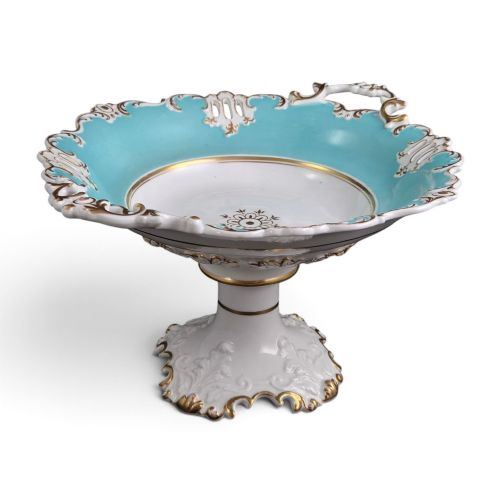
The pieces listed here encompass diverse forms including vases, bowls, cabinet plates, tazzas, figural lamps, decorative figurines of animals, and garden seats.
Originating from British manufacturers alongside Chinese export wares and Japanese Meiji productions, these items reflect both European revivalist tastes and Asian ceramic traditions.
How these pieces were made
Makers utilised porcelain and ceramic bodies finished with specialised glaze formulations to achieve the characteristic vibrant turquoise colouration.
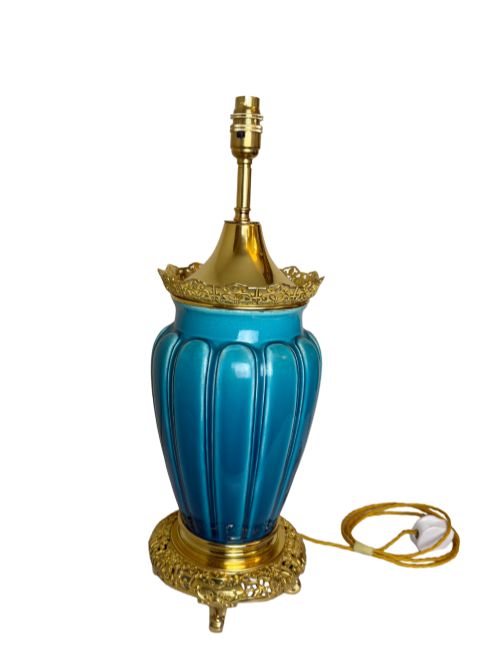
Many items incorporate mounts and trims in gilt bronze, brass, or feature added enamel and gold leaf detailing, particularly on European table lamps and French vases.
Some decorative objects underwent subsequent conversion into table lamps, integrating wiring while retaining their historic ceramic bodies.
Antique Turquoise Glaze Porcelain Retail Price Guide 2026
Typical asking prices for turquoise glaze porcelain among the pieces listed under this phrase on Sellingantiques today, from the lower quarter to the upper quarter. They describe what is for sale here now, not the wider market.
Seated apes, watchful goats, and strutting cockerels populate the ceramic menagerie, bringing unexpected character to any mantelpiece.
What varies in quality
Quality rests in the depth and consistency of the turquoise glaze across the ceramic body, alongside the crispness of moulded details on figures and vessels.
The integration of secondary materials, such as finely chased gilt bronze mounts or hand-painted enamel and gold leaf accents, distinguishes the finest examples from standard production wares.
The Antique Turquoise Glaze Porcelain Glossary
- Tazza
- A shallow ornamental cup or plate mounted on a stem and foot. This footed form serves to elevate decorative table pieces.
- Chinoiserie
- European artistic style reflecting Chinese motifs and techniques. It appears frequently in nineteenth-century decorative arts.
- Meiji
- Japanese imperial period spanning from 1868 to 1912. Wares from this era demonstrate refined craftsmanship.
- Cabinet Plate
- A decorative ceramic plate intended for display in a cabinet rather than dining use. These plates often feature armorial designs or hand-painted scenes.
Antique Turquoise Glaze Porcelain: Frequently Asked Questions
How do I care for turquoise glaze porcelain?
Dust gently with a soft, dry cloth to protect the glazed surface. Avoid harsh chemical cleaners that can damage historic finishes.
Keep pieces away from direct sunlight and areas with high humidity to preserve both the ceramic and any gilt metal mounts.
Are these lamps original or converted?
Some pieces were originally manufactured as lighting, while others are historic vases or figures later converted into lamps.
Conversion methods vary, so examine the mountings and wiring access points to understand the history of an individual lamp.
How do I tell Chinese export from European pieces?
Chinese pieces often reflect Qing Dynasty forms or bear reign marks, alongside characteristic figural and animal subjects like cockerels or goats.
European factories like Minton and Coalport employ distinct paste bodies and apply Victorian styles such as Rococo Revival.
What is a Qing Dynasty mark?
Imperial or dynastic marks stamped or painted on ceramics indicate the ruling period or pay homage to earlier emperors.
These marks help establish the stylistic context of Asian export porcelain.