

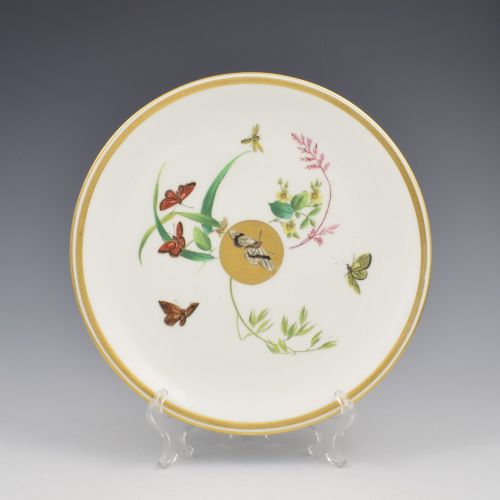


Victorian Minton Style Ceramics
Victorian Minton style ceramics bring together bold majolica glazes, delicate pate sur pate work, and intricate revival aesthetics.
Victorian Minton Style Ceramics
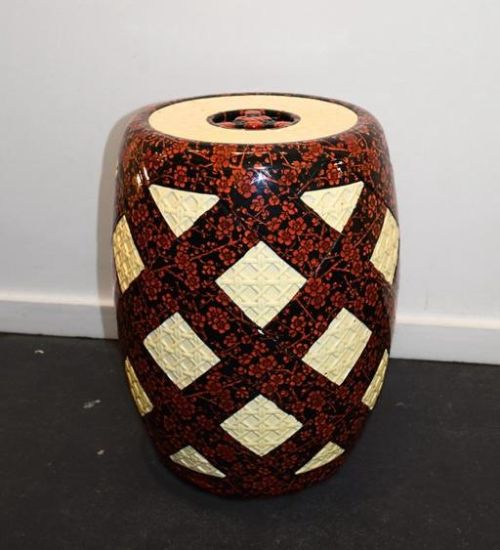
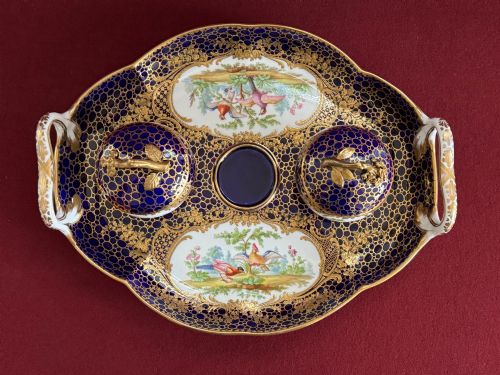
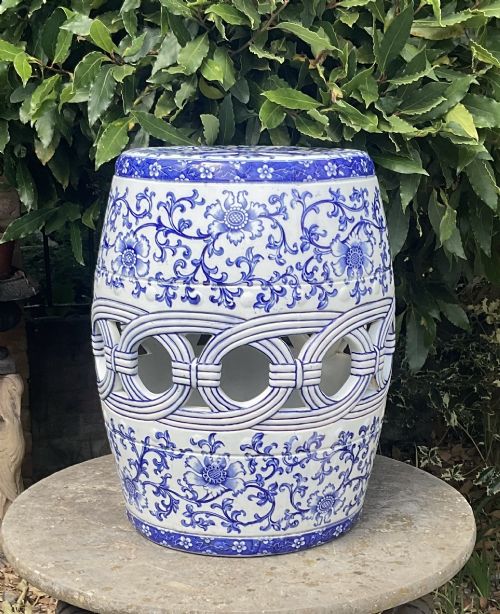
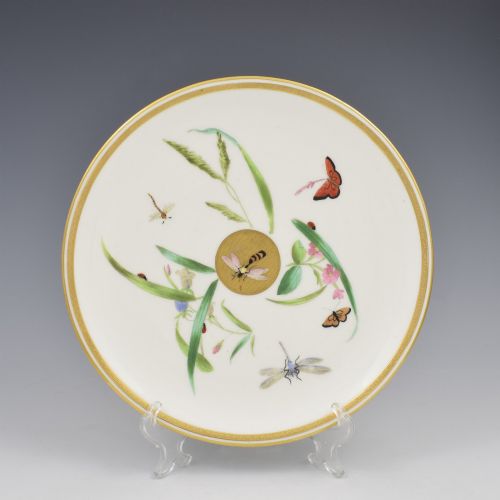
Victorian Minton style ceramics encompass a diverse range of ornamental and utilitarian objects created during the nineteenth century, including garden seats, cabinet plates, vases, and inkstands. These pieces reflect the immense stylistic versatility of the period, drawing on historical forms and global decorative traditions.
Buyers encountering this group will most frequently find items spanning the middle to late decades of the nineteenth century, with notable representation from the eighteen-seventies and eighteen-eighties. Forms range from large majolica wall brackets and garden seats to finely detailed dessert plates and tea sets.
The aesthetic scope covers distinct movements such as Aesthetic Period Japanese styles, Rococo Revival, and Chinoiserie. This variety allows collectors to find pieces that range from brightly glazed earthenwares to refined porcelain services decorated with intricate gilding.
Materials and methods of production
Makers utilised high-grade porcelain and earthenware as the primary bodies for these wares, applying specialist glazes to achieve both bright polychrome effects and soft, translucent surfaces. Majolica glaze was widely employed to coat heavy earthenwares with rich, glossy colour, particularly on large decorative vessels and architectural brackets.
Surface decoration frequently incorporated hand-applied enamel, gold leaf, and gilt detailing to accent Japanese-inspired motifs and floral arrangements. Advanced techniques such as pate sur pate involved building up layers of liquid clay slip on a contrasting background to create low-relief cameo effects.
Victorian Minton Style Ceramics Retail Price Guide 2026
Typical asking prices for victorian minton style ceramics among the pieces listed under this phrase on Sellingantiques today, from the lower quarter to the upper quarter. They describe what is for sale here now, not the wider market.
The listings show a strong presence of earthenware and porcelain objects spanning the Victorian era, dated from eighteen-forty to nineteen-hundred.
Distinctions in execution and design
Quality in these ceramics rests primarily on the precision of the modelling and the crispness of the surface decoration, whether in the fine lines of a gilt insect motif or the relief depth of pate sur pate plaques. Superior examples display careful control during the firing and glazing processes, ensuring even colour distribution without surface pooling or distortion.
The ambition of the form also dictates the tier of the piece, separating standard production wares from substantial garden seats, large majolica vases, and elaborate inkstands that required advanced ceramic engineering and sculptural skill.
Minton
The Victorian Minton Style Ceramics Glossary
- Majolica glaze
- A colourful, opaque lead glaze applied over earthenware, producing vibrant greens, blues, and ochres that pool richly in relief details.
- Pate sur pate
- A labor-intensive technique where successive layers of white slip are painted onto a darker ceramic body to build up a translucent cameo relief.
- Kakiemon
- A Japanese style of porcelain decoration featuring asymmetrical floral, bird, and tiger motifs executed in a distinct palette.
- Aesthetic Movement
- A late nineteenth-century design approach that rejected heavy Victorian moralising in favour of visual refinement and Japanese-inspired asymmetry.
Victorian Minton Style Ceramics: Frequently Asked Questions
What are Victorian Minton style ceramics?
These pieces comprise nineteenth-century earthenware and porcelain objects, spanning decorative garden seats, majolica wall brackets, and fine dessert plates.
They reflect the diverse output inspired by the factory's output, encompassing Aesthetic Period designs and revival styles.
How were these ceramics used originally?
Many items served practical yet decorative functions in wealthy Victorian interiors, from serving platters and tea services to inkstands and scent bottles.
Larger majolica vases, garden seats, and wall brackets were designed specifically to punctuate formal rooms and conservatory spaces.
How do I live with majolica and porcelain?
Display these ceramics away from direct sunlight to protect delicate enamel colours and gilt surfaces from fading over time.
Heavier majolica pieces require stable surfaces due to their weight, while delicate porcelain items benefit from secure placement in cabinet displays.
How can I tell periods apart?
Early pieces from the mid nineteenth century often feature flower-encrusted details, Rococo Revival scrolls, and Kakiemon animal motifs.
Later Victorian examples from the eighteen-seventies onward typically shift toward Aesthetic Period Japanese motifs, vibrant majolica glazes, and pate sur pate work.