






Antique Ceramic Cherub Figures
These antique ceramic cherub figures capture winged putti in porcelain and faience, offering spirited classical charm for display cabinets and mantels.
Antique Ceramic Cherub Figures
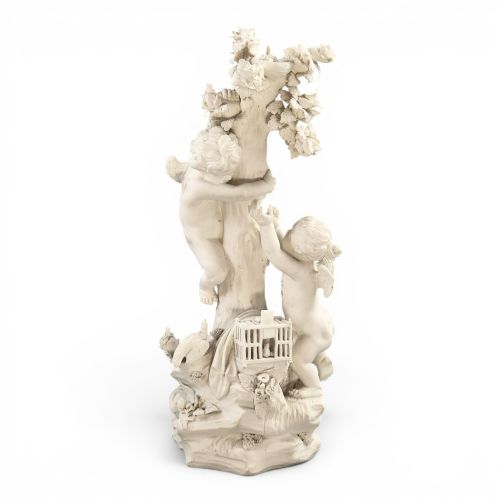
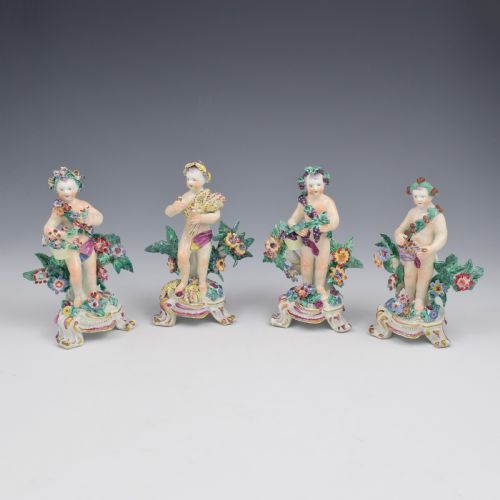
When you search for antique ceramic cherub figures, you encounter porcelain and earthenware depictions of winged putti cast as independent figurines, candlesticks, and centrepieces. These works draw from 18th-century Georgian and continental traditions, depicting mythological scenes, allegorical sets of the seasons, and playful cupids.
The selections span English factories like Bow, Chelsea, Derby, Minton, and Royal Worcester alongside continental works from Meissen, Sitzendorf, Royal Dux, Gien, and Volkstedt. You meet single cabinet figures as well as pairs and matched series produced across the 18th, 19th, and early 20th centuries.
How they were made
Makers shaped these pieces using soft-paste and hard-paste porcelain, bisques like Derby biscuit, and glazed earthenware such as Gien faience. Figures were cast from moulds, finished by hand with delicate modelling of wings and hair, and fired at high temperatures.
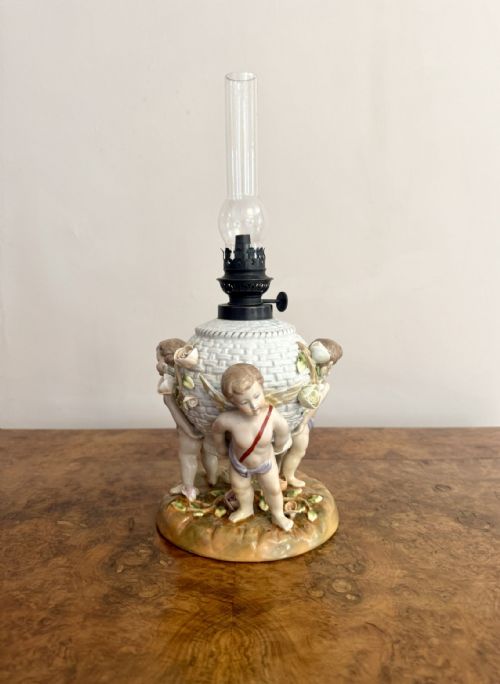
Decoration relied on hand-painted enamel colours, underglaze blue, and applied gold leaf or gilding to accentuate garments and bases. Candlestick mounts and oil lamp fittings integrated metalwork alongside the ceramic bodies.
Antique Ceramic Cherub Figures Retail Price Guide 2026
Typical asking prices for ceramic cherub figures among the pieces listed under this phrase on Sellingantiques today, from the lower quarter to the upper quarter. They describe what is for sale here now, not the wider market.
The site archives record ceramic cherubs functioning as candlesticks, oil lamps, and architectural centrepiece vases.
What varies in quality
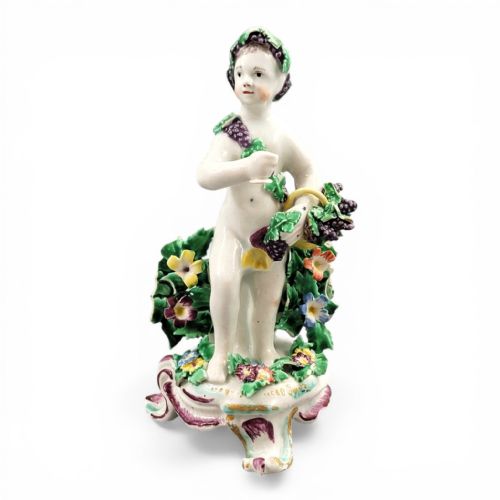
The distinction between ordinary and exceptional works rests on the crispness of the modelled detail in the cherub's facial expression, feathered wings, and anatomy. Finer pieces demonstrate precise hand-painting in the enamel work and careful application of gilding without blurring the underlying ceramic form.
Provenance and factory origin elevate certain pieces, particularly those bearing early period marks or attributed to master modellers like Johann Joachim Kändler. Early figures from factories such as Bow and Meissen display an artistic fluidity that later mass-produced items often lack.
Sitzendorf porcelain·Derby Biscuit·Bow Porcelain·Royal Dux Bohemia·Meissen·Gien Faience·Chelsea·Royal Worcester·Minton·Volkstedt·Triebner ENS and Eckert·Johann Joachim Kändler·Paul Scheurich·H Schubert·Kerr and Binns
The Antique Ceramic Cherub Figures Glossary
- Putto
- A plump, naked male child figure frequently depicted with wings in classical art and porcelain sculpture. The term encompasses both religious cherubs and secular cupids.
- Biscuit porcelain
- Unglazed porcelain fired once to produce a matte, white surface resembling marble. This finish highlights fine sculptural detail without the distraction of a glossy glaze.
- Soft-paste porcelain
- An artificial porcelain composition developed in Europe during the 18th century before the discovery of true hard-paste porcelain. It possesses a warm, slightly creamy body and a distinctive vitreous texture under glaze.
- Faience
- Tin-glazed earthenware produced widely across continental Europe, particularly in France. It provides an opaque white ground suitable for painted mythological and figural decoration.
- Sweetmeat figure
- A small ceramic dish or figural group designed to hold confectionery or sweetmeats at a formal dining table. These pieces often incorporate putti supporting bowls or baskets.
- Allegorical figure
- A sculpture personifying an abstract concept, season, or element, such as water, air, or summer. These were frequently modelled as sets of standing putti.
Antique Ceramic Cherub Figures: Frequently Asked Questions
How do I date an antique cherub figure?
Dating relies on identifying factory marks, paste composition, modelling styles, and colour palettes. 18th-century pieces often use soft-paste porcelain with hand-painted polychrome enamels.
Later 19th-century and 20th-century works frequently feature impressed numbers, printed factory stamps, and harder glazes characteristic of industrial production in Germany and England.
Were cherub figures used as lighting?
Yes, many figures were incorporated into functional objects such as candlesticks, go-to-bed taper sticks, and oil lamps. The putti figures often embrace the candle sockets or support the font.
These combination pieces allowed wealthy households to display decorative mythological sculpture while illuminating dining rooms, boudoirs, and drawing rooms.
How do I display antique porcelain figures?
Porcelain figures require stable placement away from direct sunlight and high foot traffic areas to prevent accidental knocks. Enclosed glass cabinets or vitrines offer protection from dust and atmospheric grime.
Because glazed and biscuit porcelain surfaces can be sensitive, maintaining a stable indoor climate helps preserve the fragile enamel colours and applied gilding.
What is the difference between a cherub and a putto?
Art historical terminology distinguishes between religious cherubim and secular putti, though manufacturers and collectors often use the terms interchangeably. Putto refers specifically to the plump, wingless or winged infant figure derived from classical antiquity.
Cherubs traditionally possess theological connotations, while porcelain figures from the 18th century onward typically represent secular cupids, allegorical seasons, or decorative putti.