

Antique Tufted Chair
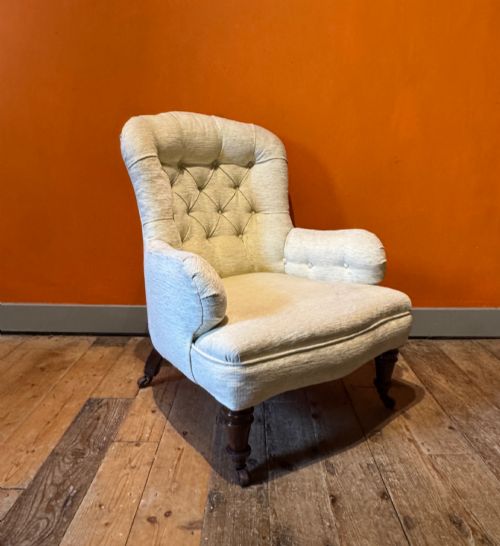
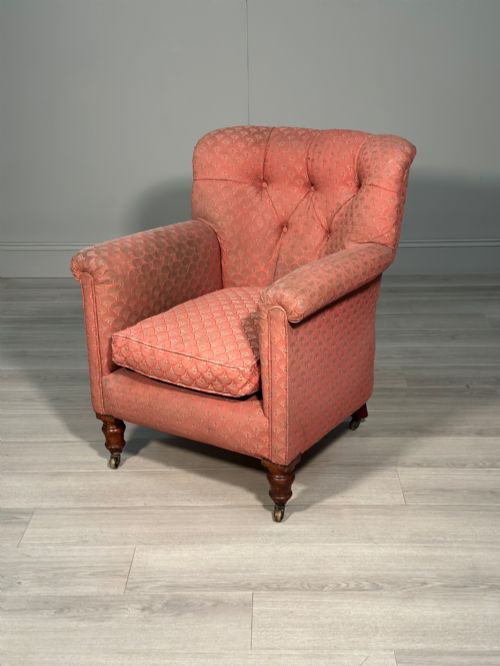
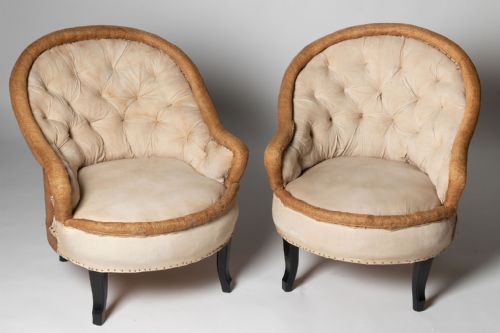
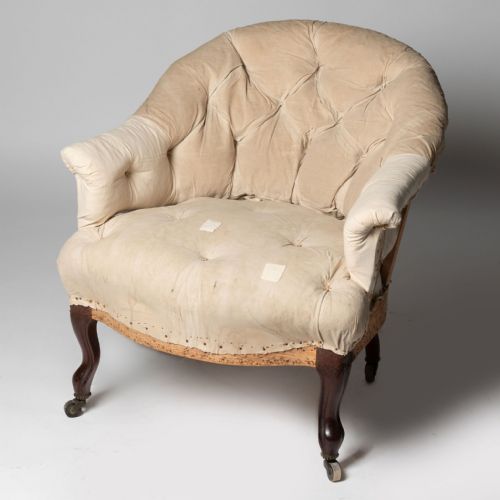
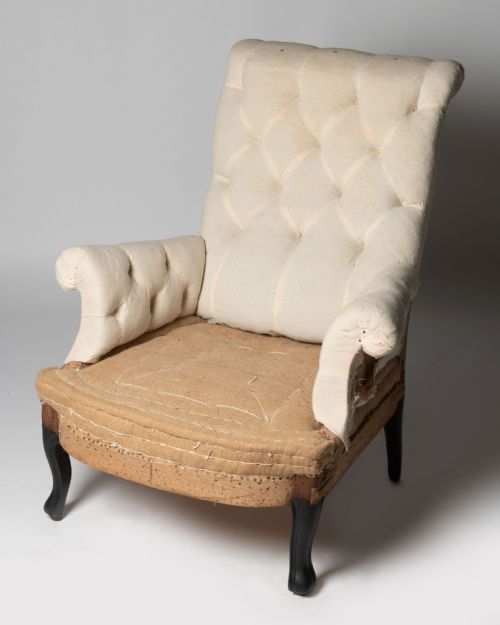
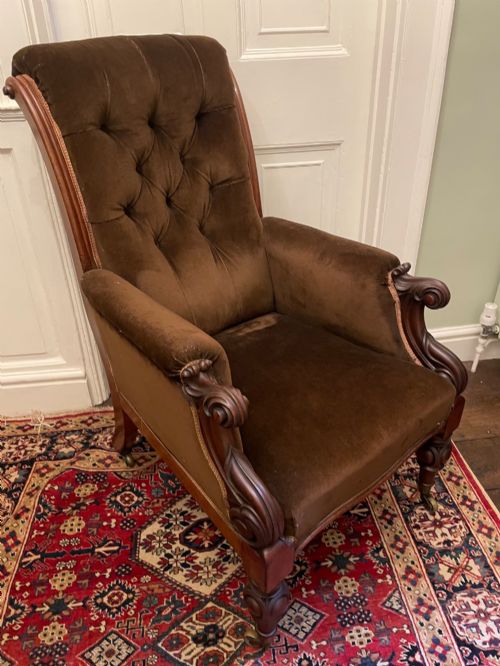
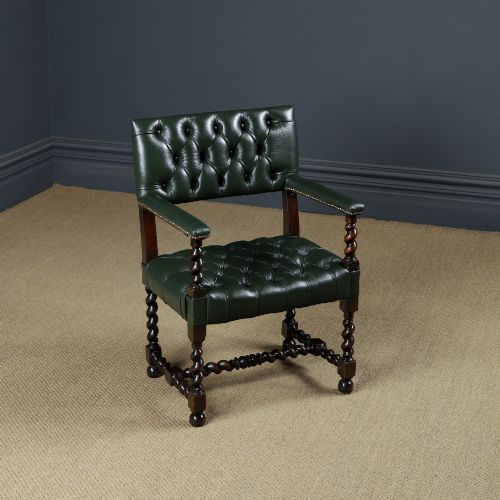
An antique tufted chair brings deep buttoning and padded comfort into a room, offering both traditional character and supportive seating.
Antique Tufted Chair
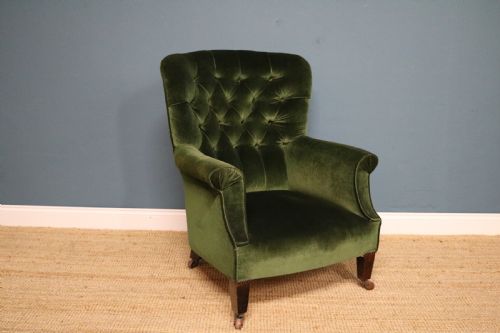
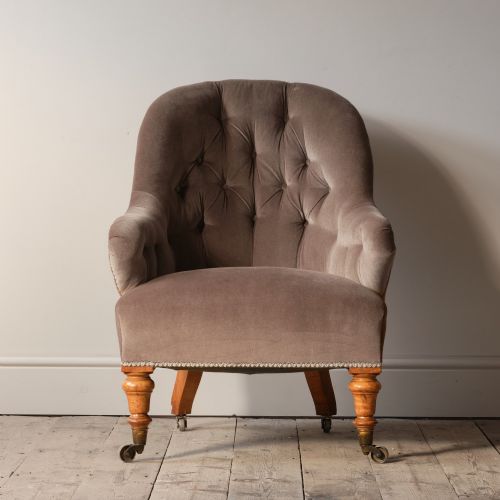
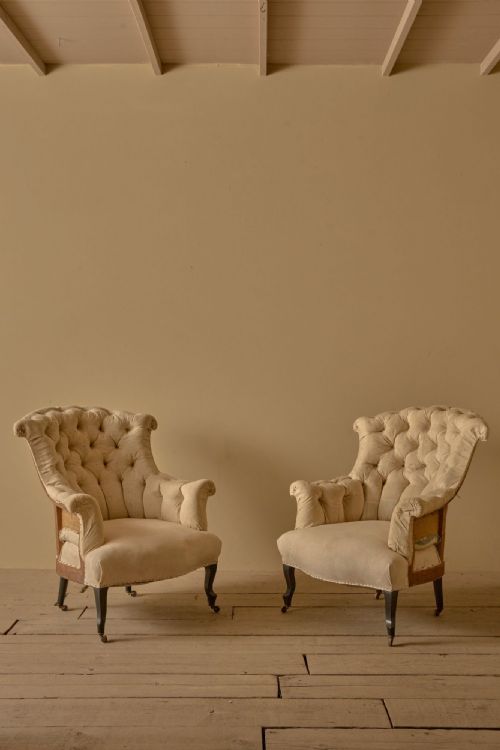
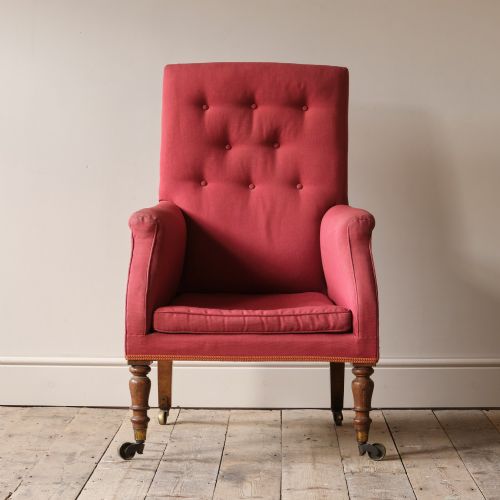
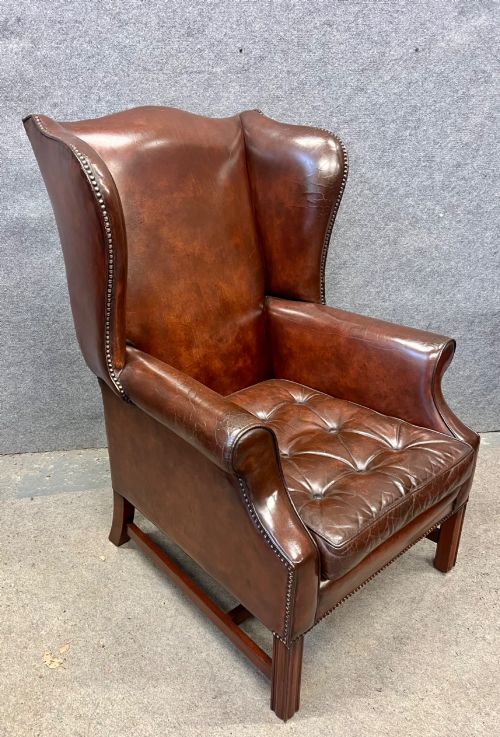
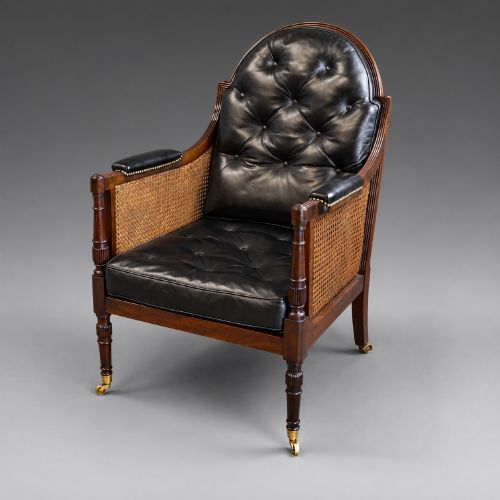
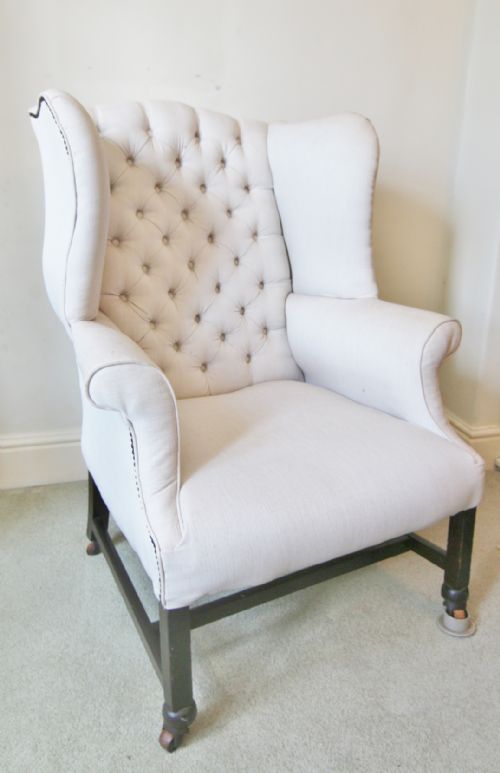
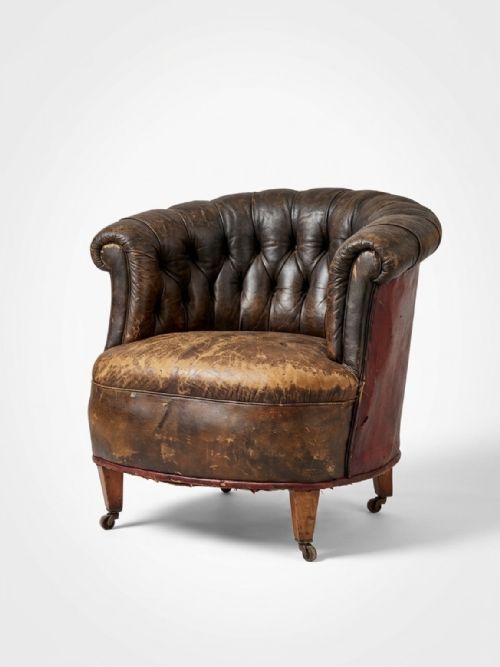
An antique tufted chair encompasses a variety of upholstered seating forms, most frequently appearing as Victorian button-back armchairs, nursing chairs, and library armchairs. These pieces span periods from the nineteenth century into the early twentieth century, incorporating styles such as Victorian Rococo Revival and Regency. Buyers encounter numerous variations ranging from low bedroom chairs to substantial leather club armchairs and Chesterfield designs.
The selection includes specialised seating such as revolving desk chairs, rocking chairs, and chaise longues, alongside larger library and gentleman's armchairs. Walnut, mahogany, and oak frames provide the structural support for deeply padded upholstery finished with fabric, velvet, leather, or damask. These seating options originate from English country houses and French salons, reflecting the diverse domestic tastes of past centuries.
Construction and materials
Makers built the frames of these chairs using solid hardwoods including mahogany, walnut, oak, rosewood, and giltwood. Woodworkers shaped these timbers into carved cabriole legs, spoon backs, and robust structural supports designed to bear the weight of heavy upholstery.
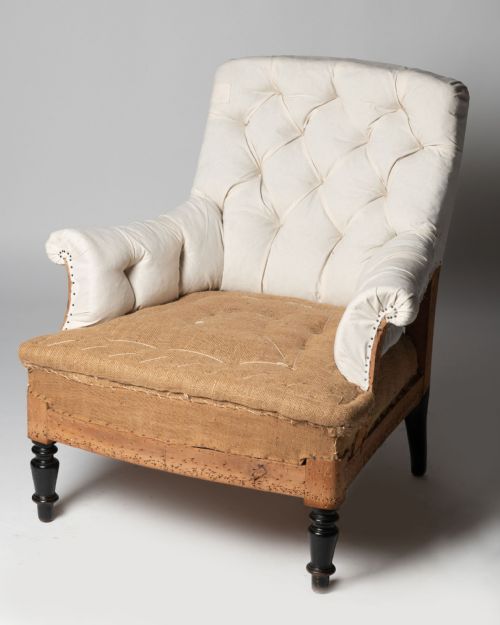
Upholsterers secured the deep buttoning by pulling twine through thick padding to create the characteristic tufted surface. They finished the pieces in textiles such as leather, velvet, damask, fabric, and rexine, often securing the edges with brass tacking.
Antique Tufted Chair Retail Price Guide 2026
Typical asking prices for tufted chair among the pieces listed under this phrase on Sellingantiques today, from the lower quarter to the upper quarter. They describe what is for sale here now, not the wider market.
Listings feature nineteenth-century and early twentieth-century seating, including Victorian, Regency, and Edwardian styles constructed from mahogany, walnut, oak, and leather.
Evaluating the standard
The standard of these chairs depends largely on the crispness of the woodwork carving and the integrity of the internal stuffing. Superior examples display finely shaped mahogany or walnut frames with balanced proportions, while lesser pieces may show plain construction or heavy alterations.
The depth and symmetry of the tufting work distinguish finer examples from standard production. Uniform buttoning and tight tension across leather, velvet, or damask demonstrate skilled craftsmanship, whereas loose fabric and uneven depressions indicate lesser execution.
Howard & Sons·Thomas Chippendale
The Antique Tufted Chair Glossary
- Button back
- A style of upholstery where the surface is pulled into recessed points using buttons, creating a padded diamond pattern. This technique secures the internal stuffing and gives the chair its characteristic tufted texture.
- Chaise longue
- An upholstered long chair designed for reclining, combining a chair seat with an extended footrest. These pieces often feature carved wooden frames and buttoned backs.
- Library armchair
- A substantial, deeply cushioned seat designed for reading rooms and studies. They frequently incorporate leather upholstery and robust mahogany or oak frames.
- Damask
- A reversible figured fabric traditionally woven on a jacquard loom with patterns visible on both sides. It appears frequently as an upholstery covering on formal nineteenth-century seating.
- Spoon back
- An oval chair back shaped with a concave recess resembling the bowl of a spoon. This form gained popularity during the mid-nineteenth century on parlor and nursing chairs.
Antique Tufted Chair: Frequently Asked Questions
What is an antique tufted chair?
An antique tufted chair is an upholstered seat featuring deep buttoning, commonly produced during the nineteenth and early twentieth centuries. These pieces include various forms such as library armchairs, nursing chairs, and Chesterfield styles.
They utilise materials like mahogany, walnut, leather, and velvet to combine decorative carving with comfortable padding.
How do I identify a Victorian button back chair?
Victorian button back chairs typically feature exposed mahogany or walnut frames surrounding deeply padded, tufted upholstery. They often include turned or carved legs and curved backs characteristic of mid-nineteenth-century design.
Examining the wood grain and construction methods helps confirm the nineteenth-century origin.
Where were these chairs used historically?
These chairs served multiple domestic spaces, including formal parlors, private studies, libraries, and bedrooms. Gentleman's armchairs and library chairs furnished working rooms, while smaller nursing chairs sat near fireplaces.
Country houses and urban townhouses alike utilised these upholstered forms for daily comfort and entertaining.
How should I care for leather and fabric upholstery?
Leather upholstery requires regular conditioning to prevent drying and cracking, keeping the material supple. Fabric and velvet surfaces benefit from gentle brushing and professional cleaning to protect the textile fibres.
Placing the chair away from direct sunlight preserves the colour of both the wood frame and the covering.