



Antique Triptych
When you search for an antique triptych, you are looking for hinged or three-panel mirrors, paintings, and altars that bring architectural depth to a room.
Antique Triptych
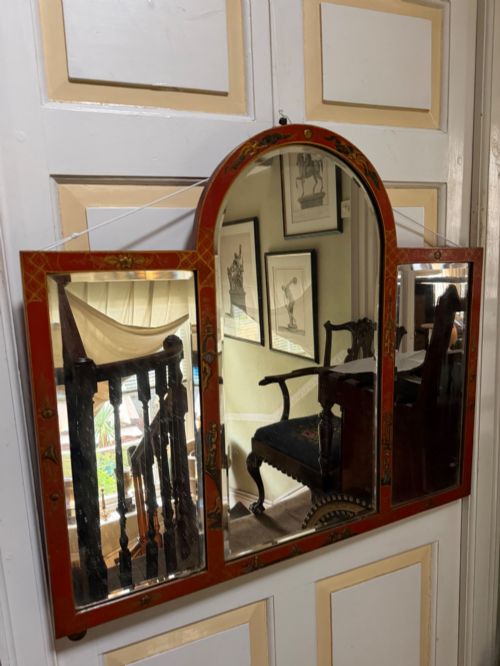
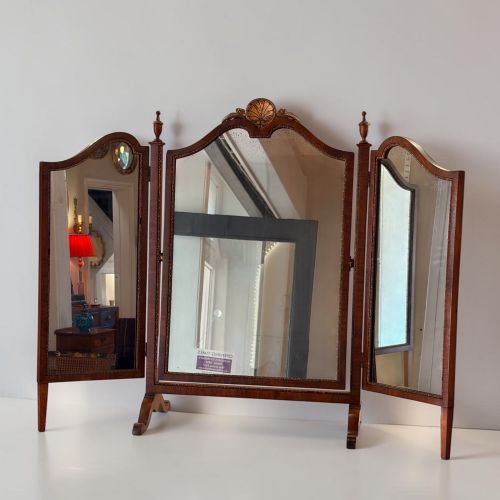
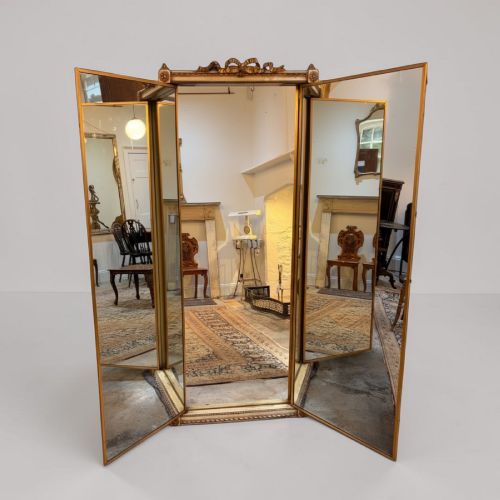
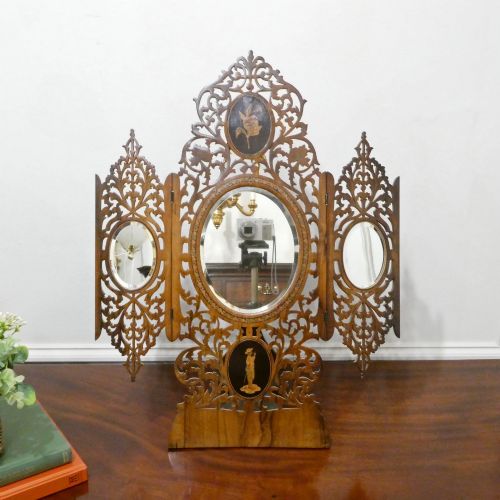
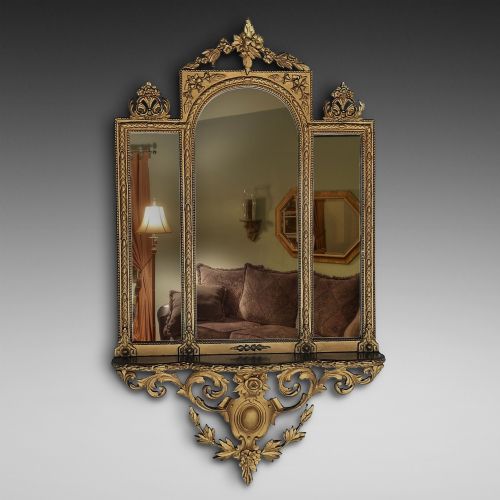
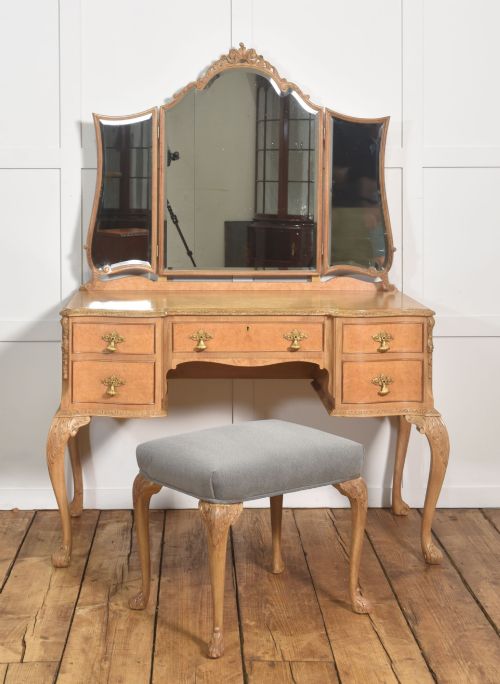
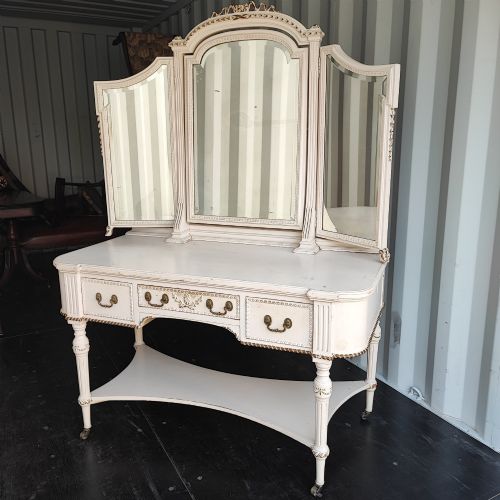
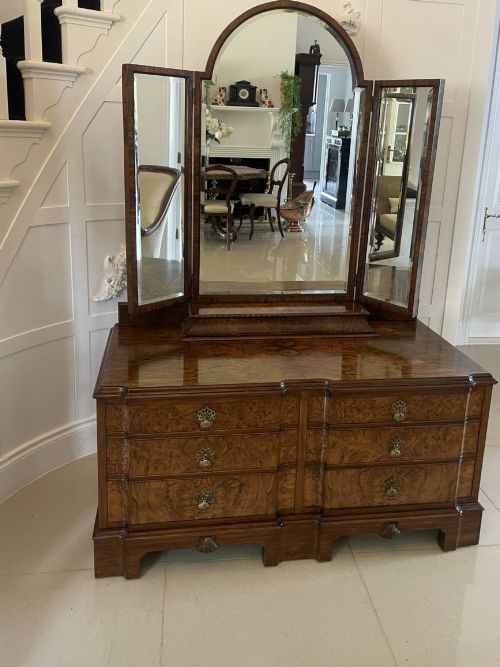
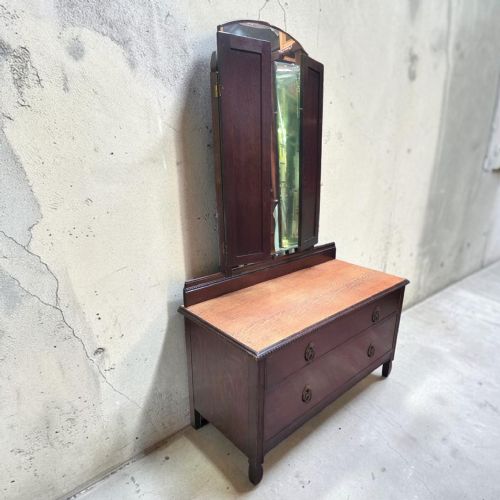
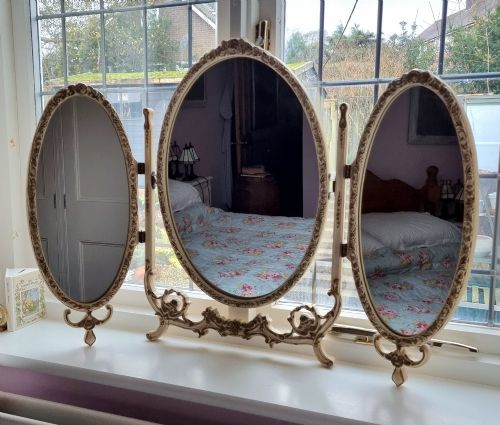
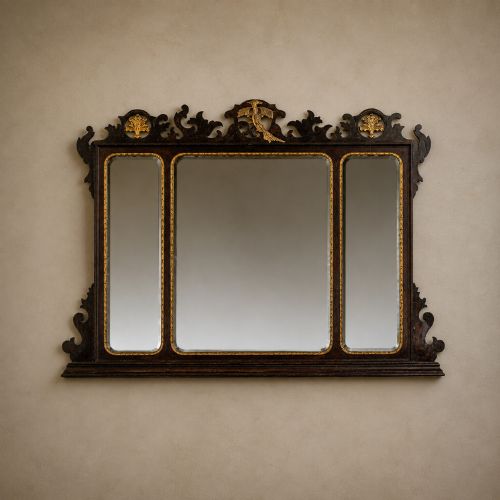
An antique triptych most frequently appears on this page as a three-panel dressing table mirror or a large overmantel mirror designed with hinged or compartmentalised flanking sections. These pieces span the nineteenth and early twentieth centuries, drawing on Regency, Victorian, and Edwardian aesthetic traditions.
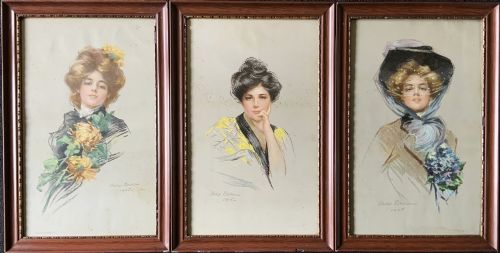
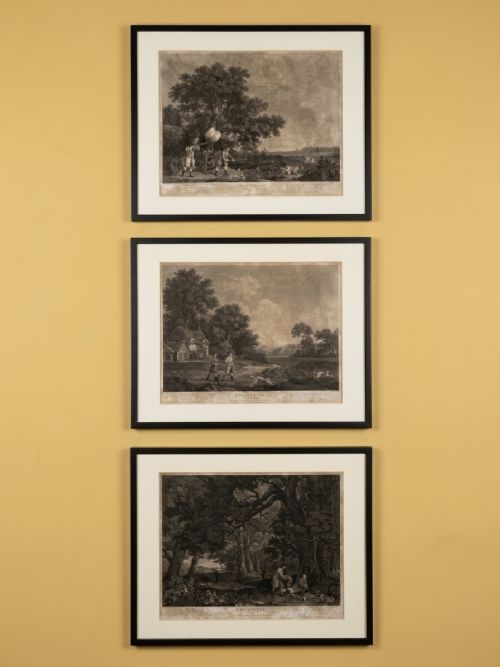
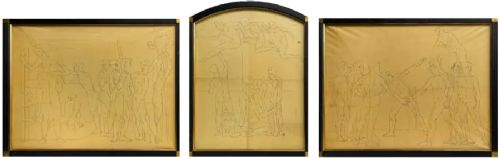
Beyond mirrors, the category encompasses oil paintings, watercolours, and engravings grouped in sets of three, alongside carved home altars and stained glass panels. Walnut, mahogany, and giltwood provide the primary structures for the frames and dressing tables that carry these multi-panel formats.
Materials and construction
Frames and dressing tables utilise solid and veneered timbers such as burr walnut, oak, and satinwood, often finished with carved gesso and applied gilding. Brass hinges and folding mechanisms allow the flanking panels of dressing mirrors to pivot.
Glass panels include silvered mirror glass and bevelled plates, whilst paper, canvas, and wood support the paintings and engravings recorded in the evidence. Gilding techniques apply gold leaf over gesso grounds on carved wooden mouldings.
Antique Triptych Retail Price Guide 2026
Typical asking prices for triptych among the pieces listed under this phrase on Sellingantiques today, from the lower quarter to the upper quarter. They describe what is for sale here now, not the wider market.
Some nineteenth-century overmantel mirrors feature carved squirrels alongside traditional birds, bringing unexpected woodland wildlife into the formal drawing room.
Measures of quality
Quality rests in the crispness of carved details such as acanthus leaves, bird crestings, and gilded mouldings, alongside the depth and figure of walnut and mahogany veneers. Superior mirrors maintain clear, heavy glass plates and robust, original brass pivoting hardware that supports the weight of side panels.
The integration of the side panels into the central design determines the visual balance of an overmantel or dressing mirror. Finer examples retain their original gilding, painted surfaces, or related furniture suites without clumsy alterations or mismatched timber.
Philip Boileau·William Woollett·George Stubbs·Ralston Gudgeon·Heals·Maurice Adams
The Antique Triptych Glossary
- Triptych
- A piece divided into three sections or panels, usually hinged to allow the outer wings to fold over the central panel.
- Overmantel mirror
- A large mirror designed to hang specifically on the wall above a fireplace mantel, often featuring compartmentalised or multi-panel glass.
- Gesso
- A plaster-like mixture applied to wood surfaces as a smooth base for gilding or painting.
- Giltwood
- Timber that has been coated with gold leaf or gold paint for decoration.
- Compartmental mirror
- A mirror glass divided into separate sections within a single frame, characteristic of Regency design.
Antique Triptych: Frequently Asked Questions
How do I hang a heavy overmantel mirror?
Heavy overmantel mirrors require secure fixings into wall studs or masonry using appropriate brackets that can bear substantial weight.
Professional installation is often advisable given the scale and mass of nineteenth-century wood and gilt frames.
Where were triptych dressing mirrors placed?
These mirrors sat atop matching dressing tables or chests of drawers to provide angled reflections for grooming.
The folding side panels allowed the user to adjust the angle of sight.
How do I clean antique giltwood frames?
Dust giltwood frames gently with a dry, soft brush to avoid disturbing fragile gesso and gold leaf surfaces.
Water and chemical cleaning agents can strip historical finishes and must be avoided.
Are multi-panel paintings always contemporary to each other?
Sets of three paintings or engravings from the eighteenth and nineteenth centuries were typically produced together as a unified series.
Checking signatures, paper stocks, and framing materials helps confirm they belong to the same original publication or commission.