

Antique Trinket Table
An antique trinket table brings orderly charm to a room, holding small personal items with distinct period craftsmanship.
Antique Trinket Table
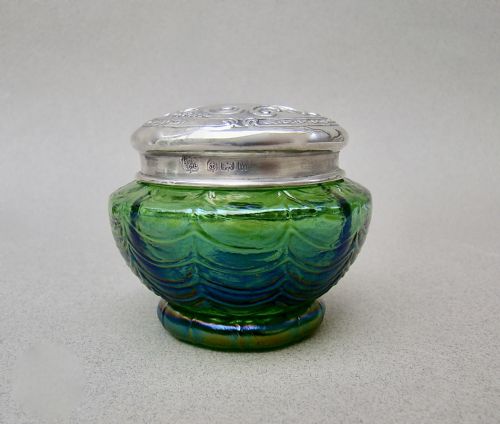
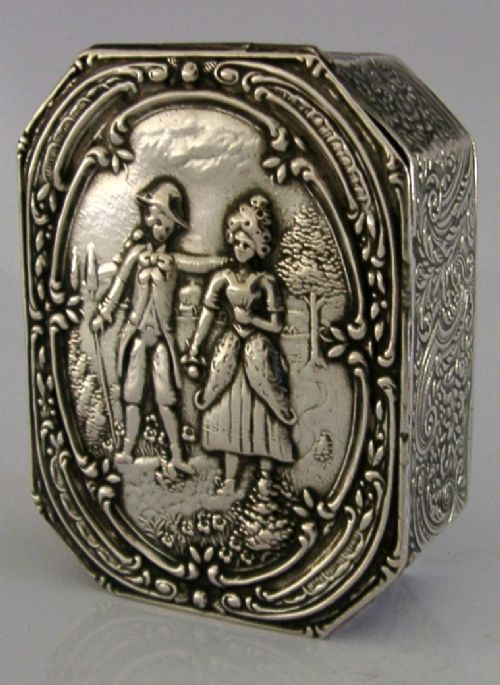
An antique trinket table selection encompasses small decorative containers designed to hold jewellery, snuff, and dressing table accessories. Pieces range from Victorian sterling silver boxes to Edwardian glass vanity jars and continental silver caskets.
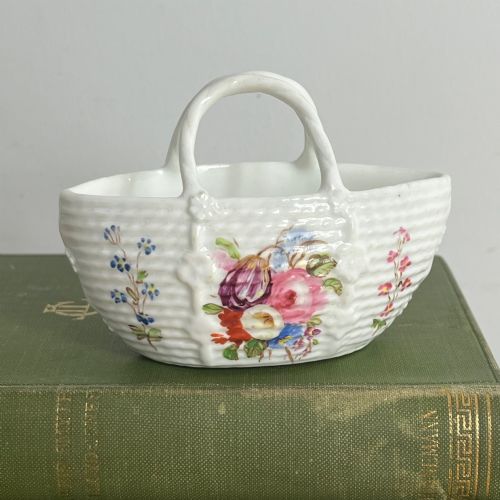
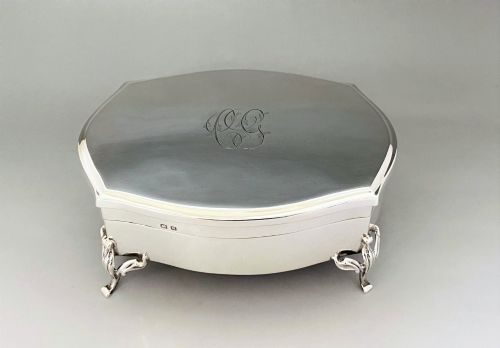
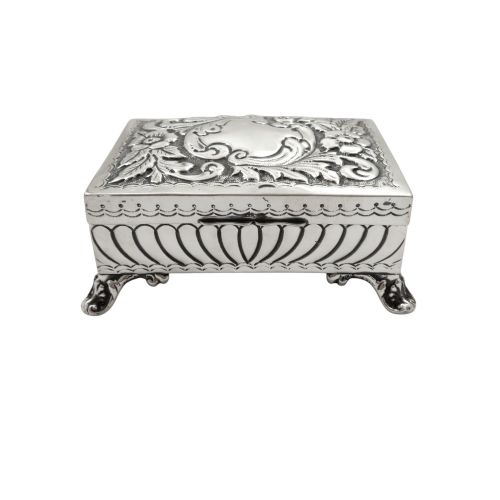
The objects frequently appear as lidded table boxes, dressing table jars, and miniature porcelain or crystal vessels. Edwardian and George V sterling silver examples dominate the current selection, alongside continental solid silver and glass pieces.
Makers and workshops across Britain, Germany, and France produced these receptacles for domestic dressing rooms and display surfaces. Collectors encounter diverse regional assay marks and decorative motifs spanning the nineteenth and early twentieth centuries.
How They Were Made
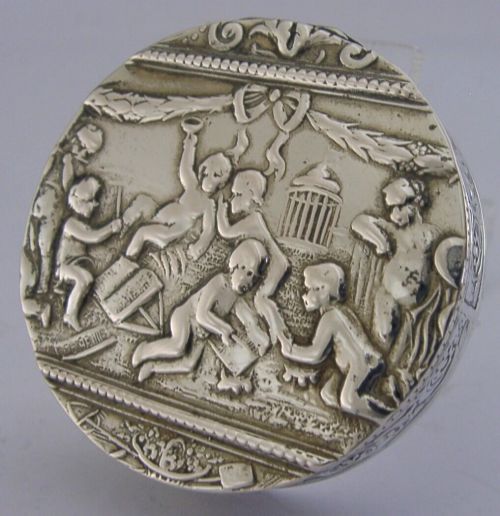
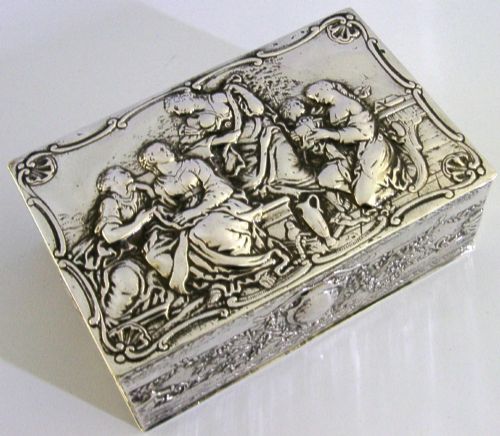
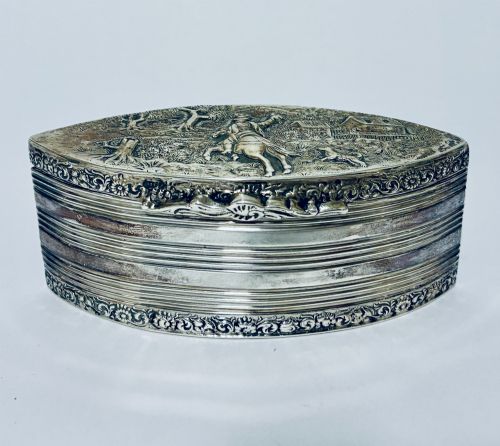
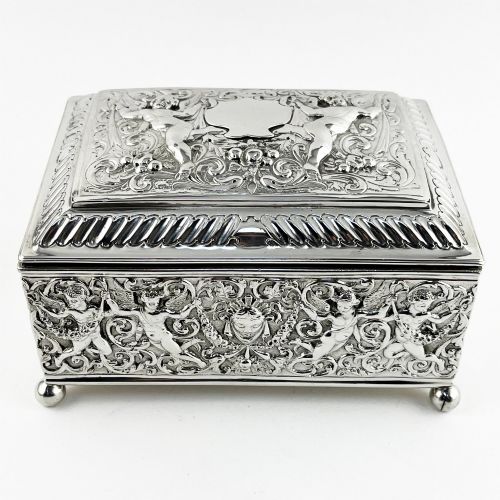
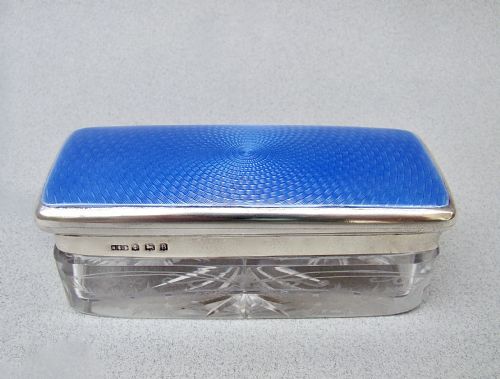
Silversmiths utilised solid and sterling silver, shaping metals through casting, piercing, and repousse work to form intricate figural and castle-top boxes. Enamel, including guilloche techniques, added colour to silver and glass dressing table jars.
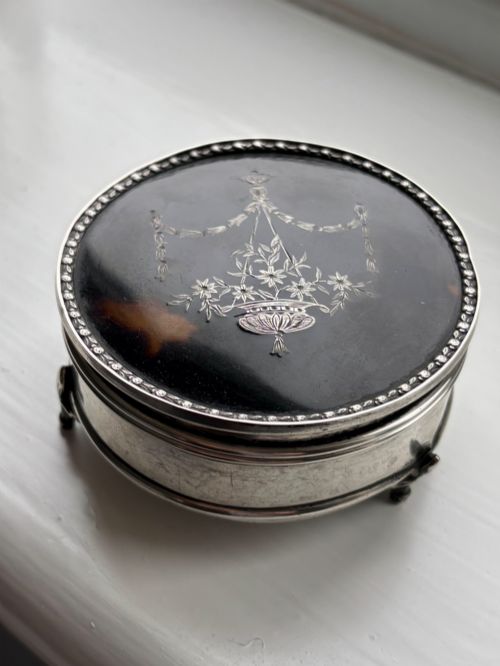
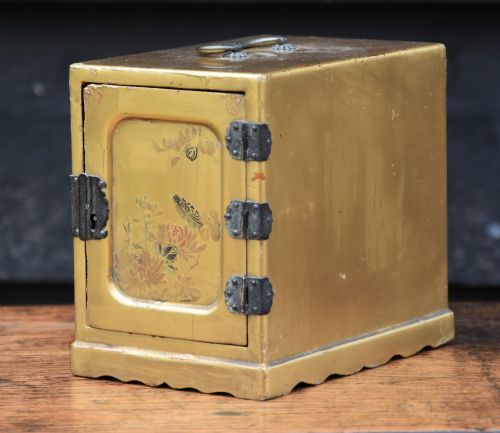
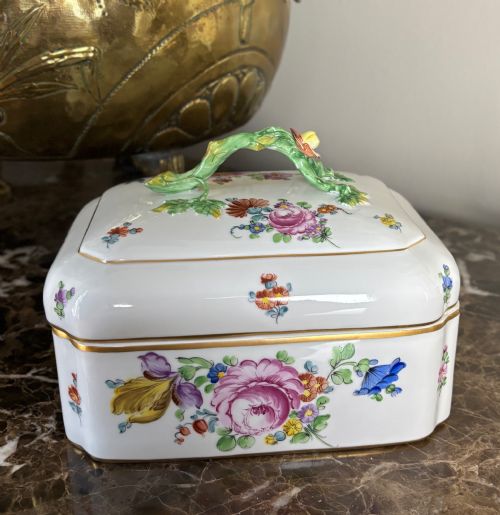
Craftspeople combined glass, porcelain, and crystal with metal mounts, employing cut glass and satin glass bodies for vanity pots. Gilt lacquer and burr wood appeared in alternative regional traditions such as Japanese kodansu cabinets and continental caskets.
What Varies in Quality
The weight of the metal and the crispness of cast decoration distinguish standard boxes from heavier, highly detailed pieces. Thick solid silver or heavy crystal foundations indicate superior initial manufacture.
A. J. Pepper & Co·William Neale·Ollivant & Botsford·Henry Clifford Davis·A. Bromet & Co·Mappin & Webb·Paul Storr·Thomas Shaw·Goldsmiths & Silversmiths
The Antique Trinket Table Glossary
- Guilloche
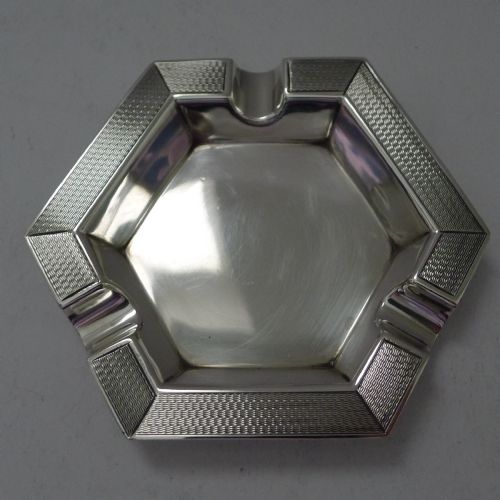
- An intricate decorative engine-turned pattern engraved into metal beneath a translucent layer of enamel. This technique appears frequently on Art Deco dressing table jars.
- Repousse
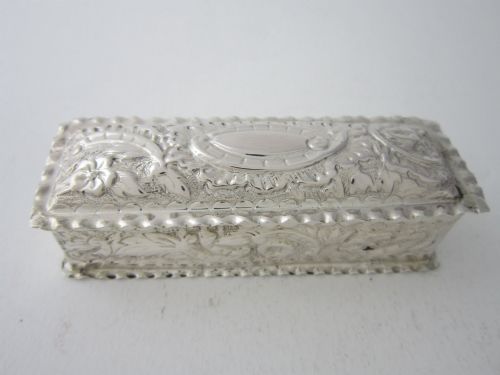
- A metalworking method where the artisan hammers the design from the reverse side to create raised relief ornamentation. It defines many continental and Hanau silver boxes.
- Navette
- A pointed, boat-shaped form typical of Georgian table snuff boxes and decorative small vessels. The geometric silhouette offers elongated symmetry.
- Kodansu
- A traditional Japanese small portable cabinet fitted with multiple internal drawers for valuables. These gilt lacquer pieces demonstrate distinct Eastern craftsmanship.
- Castles-top
- A pictorial lid design featuring high-relief depictions of historic buildings or scenes. This elaborate casting style marks specific nineteenth-century presentation boxes.
Antique Trinket Table: Frequently Asked Questions
What were antique trinket boxes used for?
These small containers held personal valuables including rings, brooches, pins, and loose coins on dressing tables or writing desks.
They also served wealthy households as refined receptacles for snuff, cosmetics, and small keepsakes away from dust.
How do I date an antique silver box?
Assay office marks, date letters stamped into the metal, and monarch duty marks provide precise chronological identification for British pieces.
Continental silver and glass items rely on stylistic indicators like Art Nouveau curves or Art Deco geometry to narrow the era.
Can I use these boxes for daily jewellery storage?
Most historic trinket containers feature original velvet or silk linings suitable for resting rings, small necklaces, and delicate earrings.
Careful placement on felt pads prevents surface friction on antique wooden or silver bases during everyday use.
What is the difference between a snuff box and a trinket box?
Snuff boxes are typically shallower and engineered with tight-fitting lids to preserve dry powdered tobacco carried in pockets.
Trinket boxes offer deeper storage capacities intended for stationary placement on dressing tables or desk surfaces.