




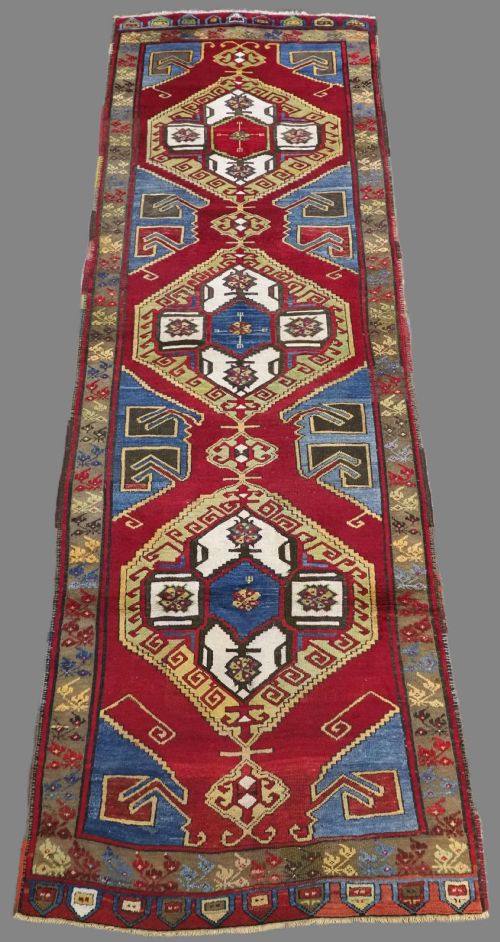
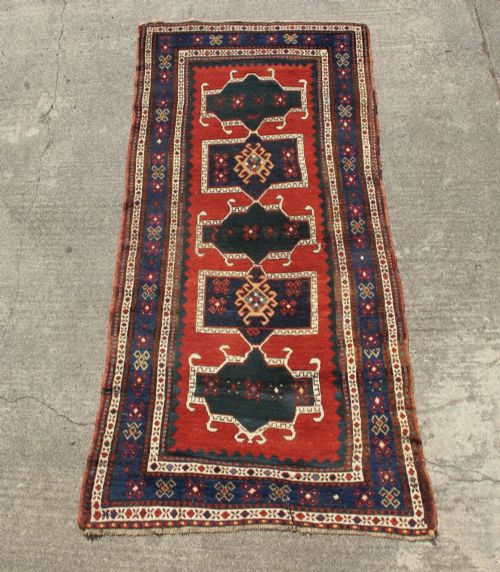

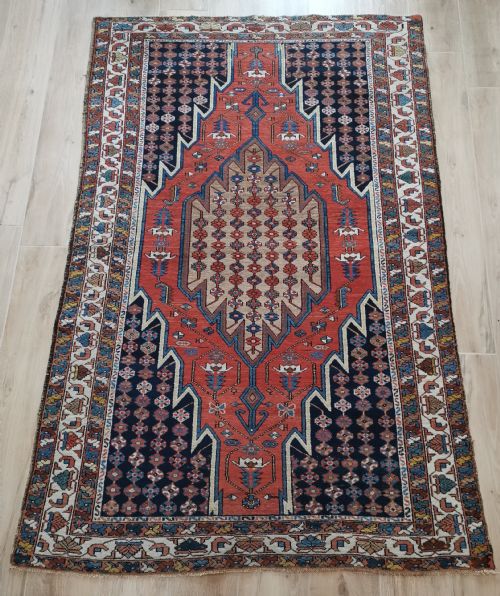
Antique Tribal Floor Runner
These pieces deliver an antique tribal floor runner into a hallway or room, bringing bold geometric patterns and deep historical character from village and nomadic weavers.
Antique Tribal Floor Runner
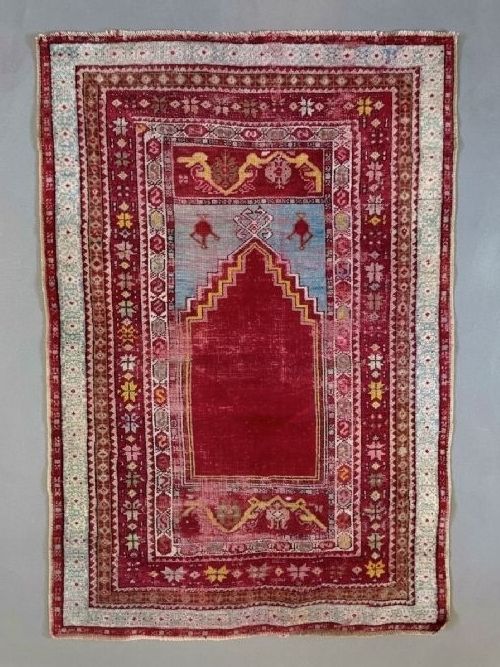
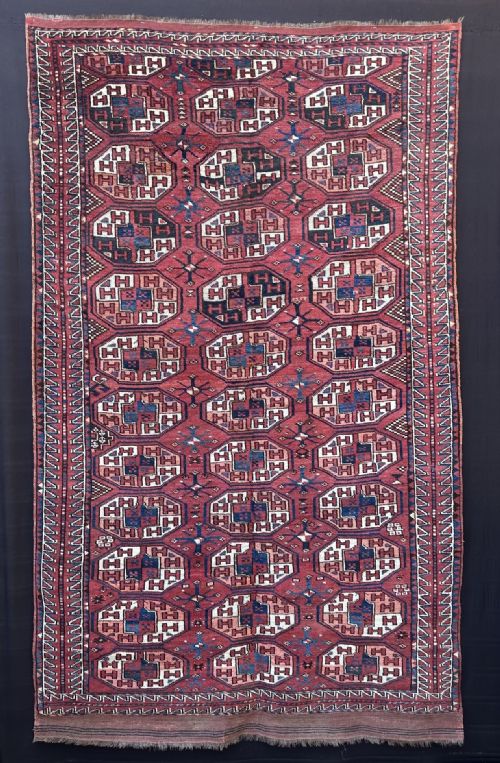
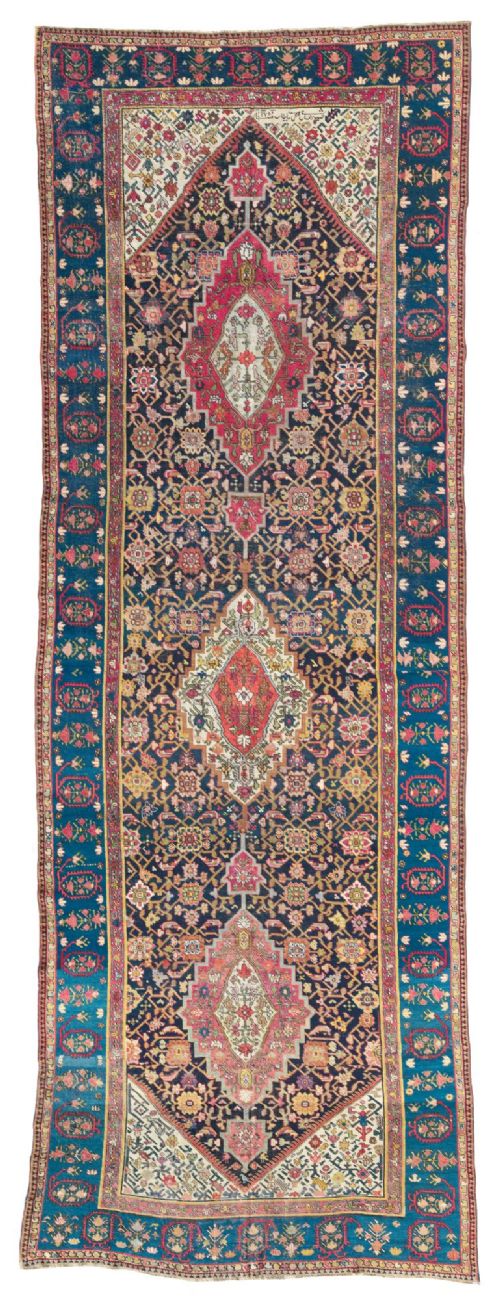
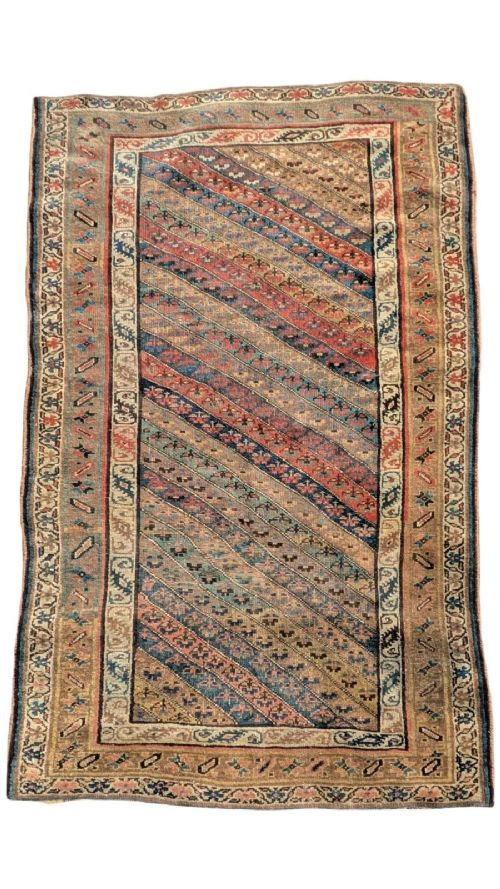
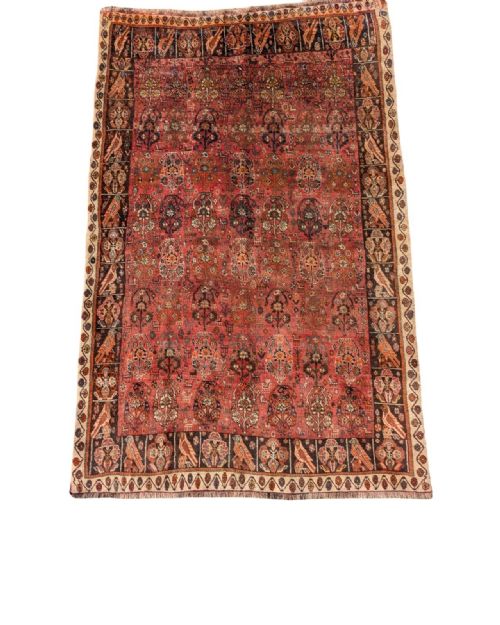
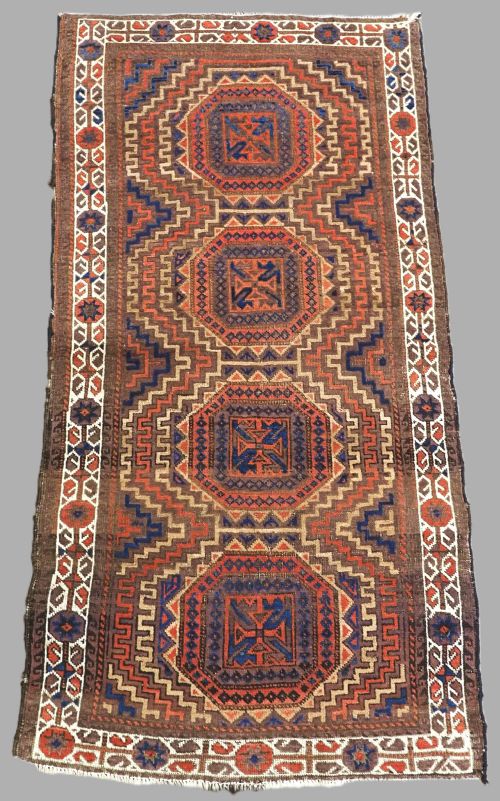
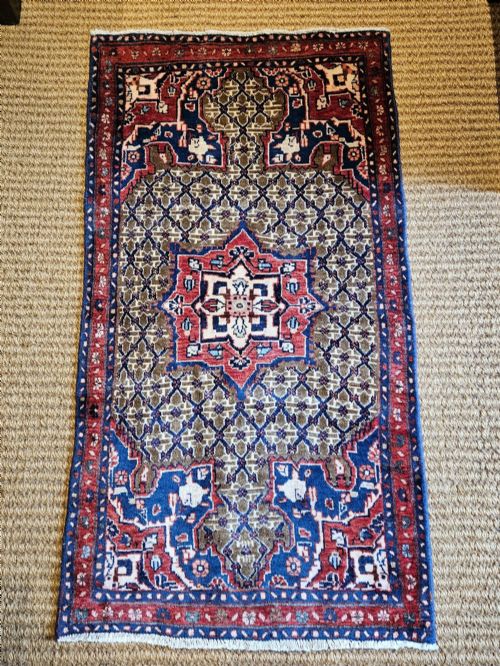
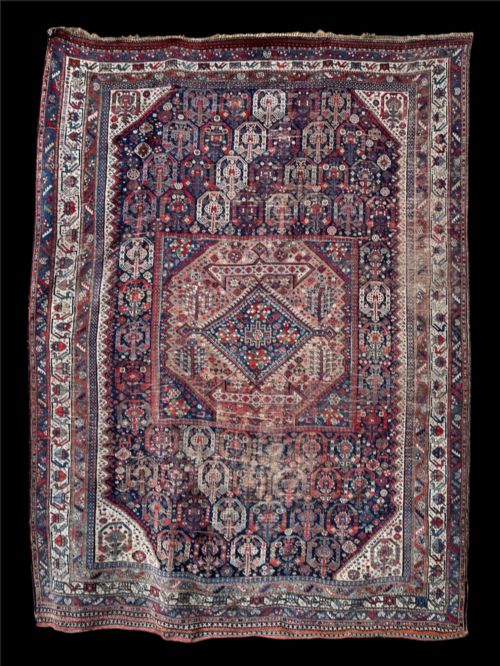
An antique tribal floor runner serves as a narrow, elongated textile designed for corridors, hallways, and narrow spaces within a home. These pieces originate from various weaving traditions across Persia, the Caucasus, Central Asia, and Turkey, spanning from the nineteenth century into the early decades of the twentieth century. Examples on this page include long formats such as hallway runners and specific regional formats like Heriz and Karaja runners.
Makers include distinct tribal confederacies, village workshops, and nomadic groups such as the Kurdish, Turkmen, Bakhtiar, Kashgai, and Afshar peoples. The designs rely on traditional motifs, geometric medallions, repeat patterns, and tribal symbols passed down through generations. These floor coverings bridge utility and folk art, offering durable construction suited to high-traffic domestic environments.
Materials and construction
The construction relies fundamentally on wool, often hand-spun, utilised for both the pile and the foundational warp and weft threads, alongside occasional use of cotton for structural stability. Weavers tied hand-knotted piles onto vertical or horizontal looms using traditional knotting techniques characteristic of specific tribal regions.
Colour derives from natural dyes applied to the wool, yielding rich, enduring shades that age gracefully over decades. The combination of dense wool pile and natural colouration creates a resilient textile capable of withstanding heavy daily use.
Listings span the nineteenth century through the 1930s, featuring wool, cotton, and natural dyes across Persian, Caucasian, and Turkmen traditions.
Quality variations in tribal runners
Quality depends on the density of the knotting and the precision with which the tribal motifs and geometric lines are executed. Finer examples display tighter pile construction and greater clarity in complex field designs.
The choice and depth of natural dyes also distinguish superior pieces, as does the integrity of the wool itself. Well-preserved foundations and intact original borders indicate careful historic handling and superior initial craftsmanship.
The Antique Tribal Floor Runner Glossary
- Runner
- A long, narrow carpet format specifically proportioned for corridors, staircases, and hallways. This shape directs movement through domestic spaces.
- Pile
- The upright yarn loops or cut ends that form the soft surface of a rug. Pile depth affects the tactile feel and durability of the textile.
- Warp
- The vertical threads stretched lengthwise on a loom before knotting begins. These provide the primary structural skeleton of the woven piece.
- Weft
- The horizontal strands passed alternately over and under warp threads between rows of knots. This binds the structure together across the width of the rug.
- Natural Dyes
- Colourants extracted from plants, insects, and minerals rather than synthetic chemical sources. These materials produce complex, harmonious patination over time.
Antique Tribal Floor Runner: Frequently Asked Questions
Where should I place a runner in my home?
These narrow formats suit hallways, corridors, entryways, and narrow gallery spaces where traditional square carpets do not fit. They protect high-traffic wooden floors while adding warmth and pattern to transitional areas.
Ensure you measure the passage width and length carefully, allowing for clearance around skirting boards and doors so the textile lies flat without obstruction.
How do I clean and maintain an old runner?
Regular gentle vacuuming without a rotating brush roll removes grit and dust from the wool pile. Professional specialist cleaning is recommended for deeper maintenance to protect natural dye integrity.
Keep the piece out of direct, continuous sunlight to prevent fading of the natural wool colours over the years.
Do these rugs work on heated floors?
Wool and natural foundations tolerate moderate underfloor heating quite well. Using a breathable, high-quality underlay helps protect the fibres and prevents slipping on smooth floor surfaces.
Check that the heat settings remain moderate to avoid drying out the historic wool fibres over extended periods.
How can I tell a village runner from a nomadic one?
Nomadic pieces often display slightly more irregular geometry and spontaneous designs woven on portable horizontal looms. Village carpets typically show slightly more structured symmetry produced in settled community workshops.
Both categories utilise hand-spun wool and traditional motifs, but the structural precision and specific regional palette offer clues to their origin.