



Antique Tribal Bag Face Cushion
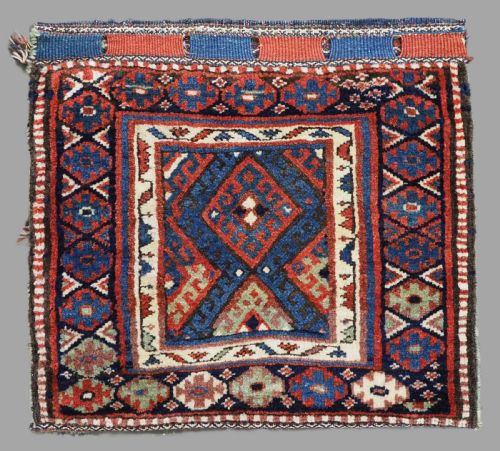
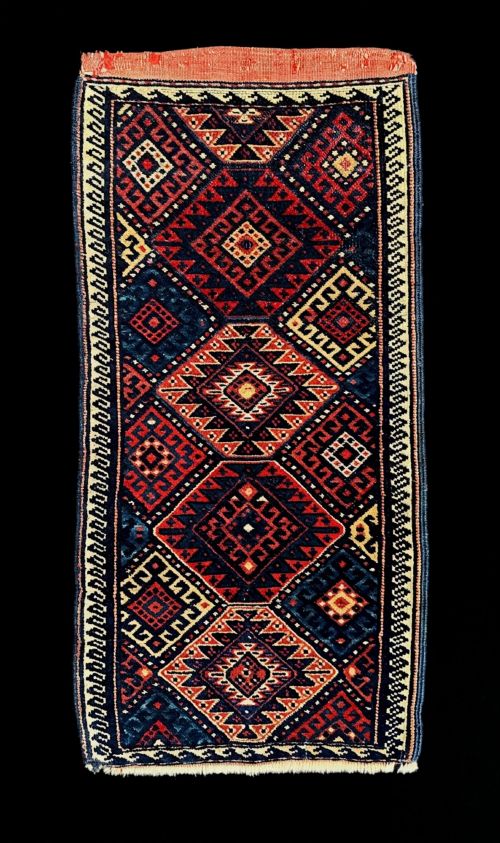
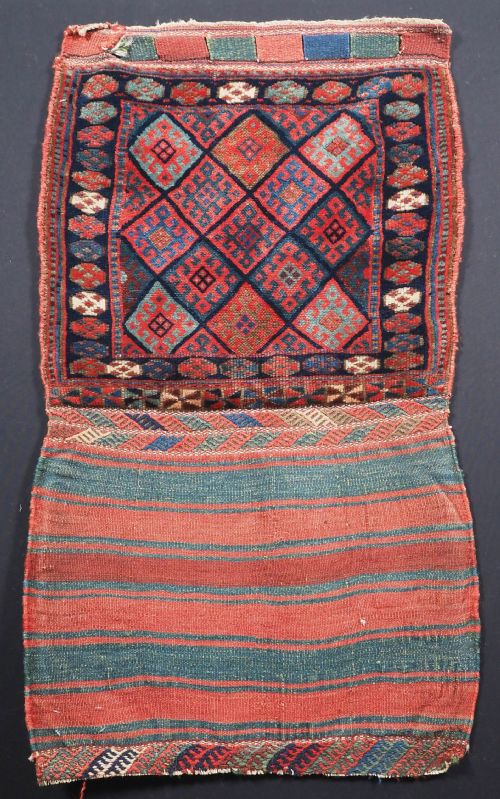
An antique tribal bag face cushion transforms a nomadic textile fragment into a decorative furnishing.
Antique Tribal Bag Face Cushion
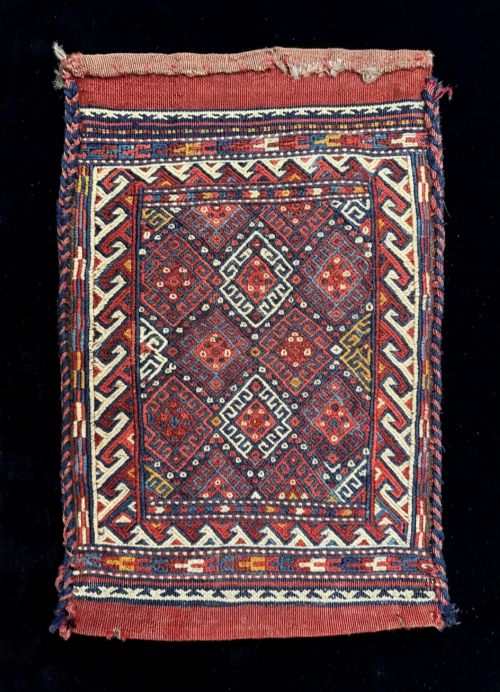
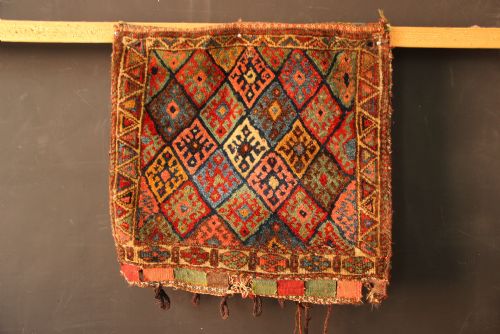
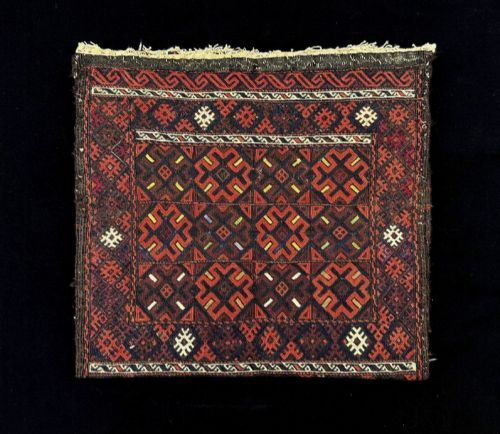
When you search for an antique tribal bag face cushion, you are looking at the front panel of a utilitarian nomadic container repurposed into a pillow. These pieces originate from various tribal confederations and regional groups, including Persian, Kurdish, Turkmen, Qashqai, Baluch, Afshar, and Shahsevan weavers. The forms derive from saddlebags, storage sacks, grain bags, and torbas created for pastoral life.
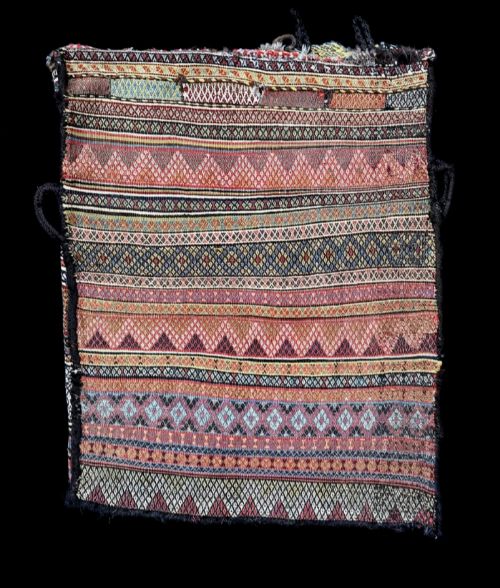
On this page, you are most likely to meet bag faces and half-saddlebags dating from the nineteenth and early twentieth centuries. Many examples retain their original plain weave backs or have been converted into cushions using complementary materials. The designs reflect the specific weaving traditions of regions such as Fars, Khorassan, Azerbaijan, and Luristan.
Materials and Construction
The makers relied primarily on wool and hand-spun wool, utilising cotton for specific structural elements or foundations. Natural dyes and vegetable dyes provided the colour palette, yielding rich tones from organic sources. The physical construction involved careful knotting or flatweave techniques, such as soumak work, designed to withstand daily nomadic use.
Weavers produced these textiles on portable ground looms set up in camps and settlements. The handling of hand-spun fibres and dyestuffs created variations in texture and hue across each finished surface. These technical methods ensured the textile remained durable while displaying intricate geometric and pictorial motifs.
Antique Tribal Bag Face Cushion Retail Price Guide 2026
Typical asking prices for tribal bag face cushion among the pieces listed under this phrase on Sellingantiques today, from the lower quarter to the upper quarter. They describe what is for sale here now, not the wider market.
Listings feature wool, cotton, and natural vegetable dyes across nineteenth and early twentieth-century Persian and Turkmen nomadic weavings.
Factors of Distinction
The distinction between ordinary and exceptional pieces rests on the handling of materials and the precision of the design. Examples featuring lustrous wool and deeply saturated natural dyes demonstrate superior craftsmanship from the outset. The complexity of the pattern, whether featuring intricate guls, bird and dragon motifs, or well-executed boteh designs, further separates standard production from finer work.
Condition and completeness also play a role in distinguishing individual pieces. Surviving examples that retain original backs, complete formats, or minimal structural alteration offer a clearer window into their original function as storage containers or saddlebags. The integrity of the weave and the clarity of the colour palette determine the visual impact of the textile as a cushion.
The Antique Tribal Bag Face Cushion Glossary
- Bag face
- The decorative front panel of a nomadic storage bag or saddlebag. This portion typically displays the primary tribal motifs and finer knotting.
- Torba
- A wide Turkmen storage bag designed for tent use. These pieces often feature repeating gul patterns across the face.
- Soumak
- A flatweave technique involving wrap-threads that produce a textured, durable surface. This method appears frequently on Shahsevan bag faces.
- Gul
- A medallion motif repeated across Turkmen and tribal carpets and bags. Each design often signifies a specific tribal group or clan.
- Balisht
- A traditional small pillow or sleeping bag face produced by nomadic weavers. These items served functional roles within tribal tents.
Antique Tribal Bag Face Cushion: Frequently Asked Questions
What is a bag face?
A bag face is the ornamented front panel of a utility sack or saddlebag woven by nomadic groups. These panels were separated from their original backs or kept intact to serve decorative functions.
In contemporary interiors, these fragments are frequently padded and backed to function as cushions while preserving the historical textile on the front.
How were these bags used?
Nomadic groups utilised these textile containers for storing household goods, grain, or personal possessions during seasonal migrations. Saddlebags transported belongings across pack animals while moving between winter and summer quarters.
Over time, changing lifestyles led to the separation of these durable panels from their original backings for use in domestic settings.
How do I care for a textile cushion?
These wool cushions require gentle maintenance to preserve the natural fibres and vegetable dyes. Regular light vacuuming with a low suction setting helps remove surface dust without disturbing the weave.
Professional textile conservation cleaning is recommended for deeper maintenance, avoiding standard washing methods that might damage old wool.
How are tribal designs identified?
Tribal designs are attributed through specific combinations of motifs, knotting structures, and colour palettes associated with particular geographic regions and confederations. Turkmen groups utilised repeating guls, while Shahsevan weavers frequently employed soumak techniques with bird and dragon motifs.
Examining the structural materials and secondary colours helps clarify the origin of each piece within broader tribal traditions.