


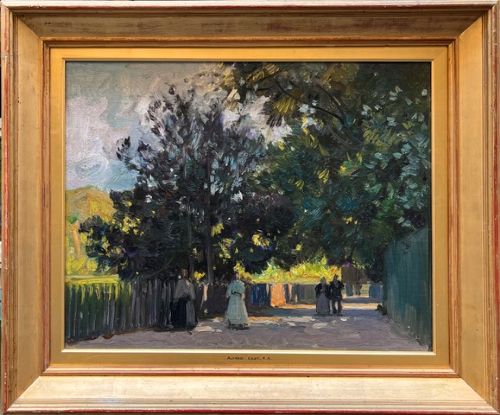
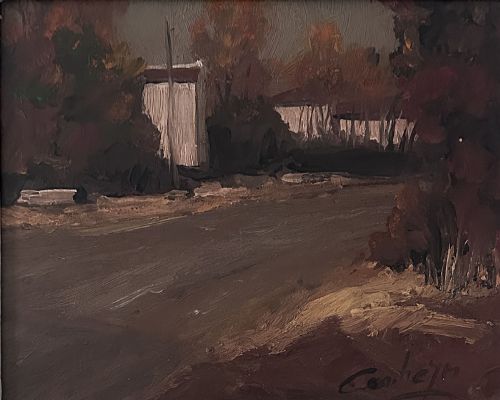
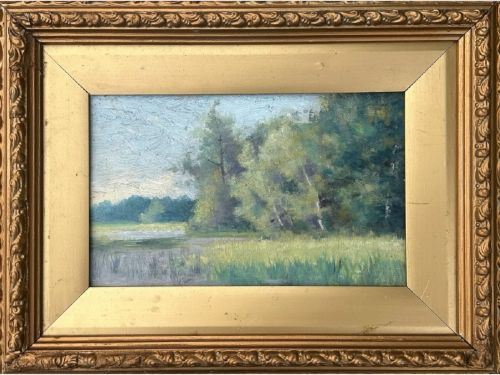
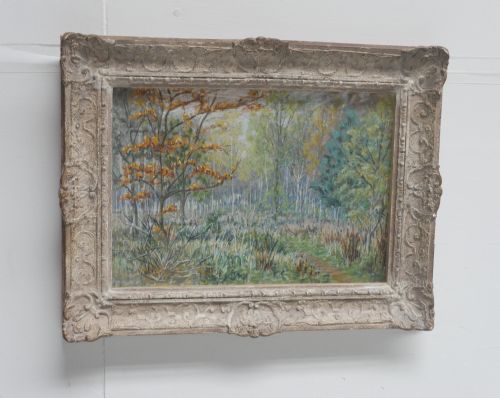
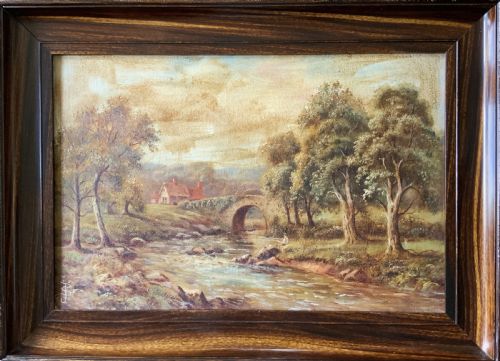


Antique Tree Landscape Painting
When buying an antique tree landscape painting, you acquire a framed window into natural scenery rendered through centuries of changing artistic styles.
Antique Tree Landscape Painting
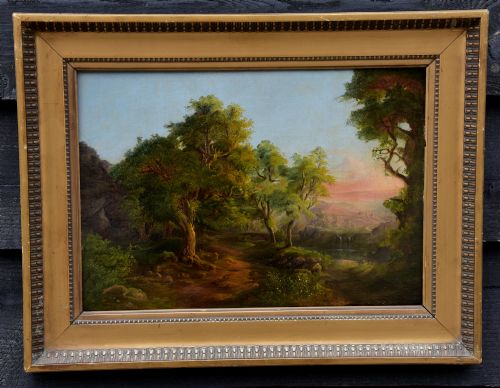
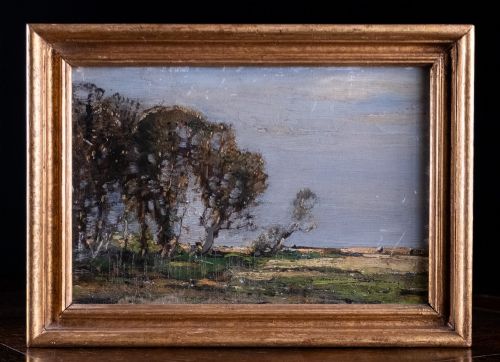
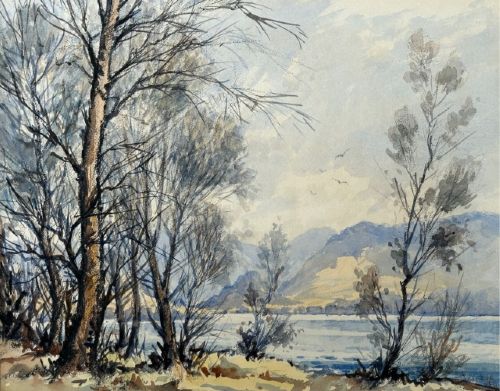
An antique tree landscape painting captures woodland scenes, solitary oaks, weeping willows, and winding country paths through the eyes of artists working from the nineteenth century into the mid-twentieth century.
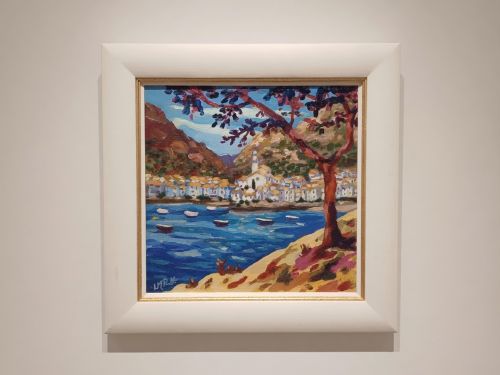
The pieces on this page range from modest watercolour sketches on paper to large oil paintings on canvas and board, reflecting British Impressionism, Victorian academic traditions, and post-impressionist movements.
Most examples originate from British and European hands, depicting local riversides, farmyards, and wooded pastures with varying degrees of atmospheric finish.
How They Were Made
Artists applied oil paint or watercolour pigments onto prepared supports of canvas, wood panels, heavy paper, or board using bristle brushes and sometimes palette knives.
Oils offered a rich, buildable texture that allowed painters to capture the deep shadows of foliage and the rough bark of ancient trunks, whilst watercolours relied on fluid washes of colour to render light filtering through branches.
Listings feature works executed on canvas, paper, wood panels, and board across the nineteenth and twentieth centuries.
What Varies in Quality
Quality rests upon the artist's ability to render natural light and spatial depth, distinguishing a masterfully observed woodland path from a stiff, formulaic rendering of leaves.
The sensitivity of the brushwork and the harmony of the palette dictate whether a painting feels atmospheric and alive or flat and decorative.
Alfred Young Nutt·Kershaw Schofield·Sydney Yates Johnson·Samuel Timmins·William Hoggatt·John Linnell·Henri Joseph Harpinies·Herbert Royle·Rowland Henry Hill·Edmund George Warren·Berthe des Clayes·Abraham Hulk Jnr·William Bradley·Viggo Pedersen·Paul Marny·Erich Fleischman·Hendrik Pieter Koekkoek
The Antique Tree Landscape Painting Glossary
- Canvas
- A heavy woven fabric stretched across a wooden frame to serve as a support for oil paintings. It provides a flexible yet resilient surface that responds well to layered brushwork.
- Watercolour
- A paint consisting of pigment suspended in a water-soluble binder, traditionally applied to paper. It creates luminous, transparent effects ideal for capturing fleeting light.
- Impressionism
- An artistic movement focused on capturing the visual impression of the moment, particularly shifting light and natural colours. Painters utilised rapid, visible brushstrokes rather than smooth, blended finishes.
- Panel
- A flat piece of wood used as a rigid support for paintings instead of canvas. Artists frequently utilised panels for smaller outdoor studies.
- Gouache
- An opaque water-based paint that includes a white pigment filler, producing a heavier, mat finish. It allows artists to layer light colours directly over darker washes.
Antique Tree Landscape Painting: Frequently Asked Questions
How do I date an antique tree painting?
Examine the materials, stretcher frames, and paper types alongside any signatures or labels on the reverse. Stylistic clues within the brushwork and framing also point toward specific decades.
Comparison with documented works by the same hand or school helps narrow down the active period of creation.
Where should I hang a landscape painting?
Select a wall with stable ambient light, avoiding direct, harsh sunlight that can fade watercolours and oil pigments over time. Keep paintings away from damp areas like unheated bathrooms.
Pairing the scale of the frame with the proportions of the furniture below it ensures the artwork anchors the room effectively.
How do I care for antique oil paintings?
Dust the surface and frame gently with a soft, dry brush without applying pressure to the paint layer. Avoid using water or chemical cleaners on the canvas.
Maintain steady indoor humidity and temperature levels to prevent the canvas from slackening and the wood panels from warping.
What is the difference between oil and watercolour?
Oils use slow-drying paint bound in oil, allowing artists to blend tones and build thick, textured brushwork over weeks. Watercolours dry rapidly on paper, creating translucent washes that retain the luminous white of the sheet beneath.
Oils are traditionally displayed beneath glass only when unvarnished, whereas watercolours require framing behind glass for permanent protection.