



Antique Tree Landscape Art
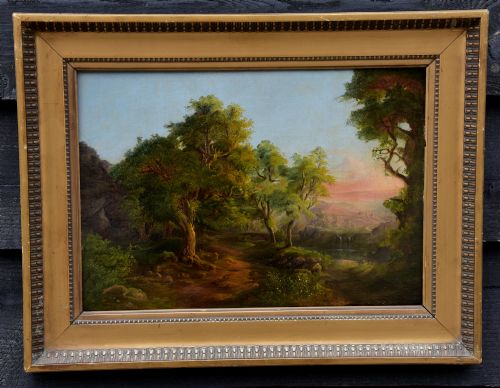
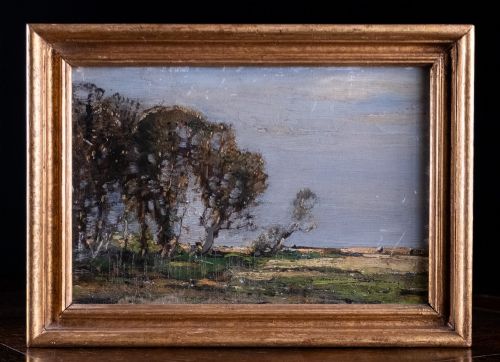
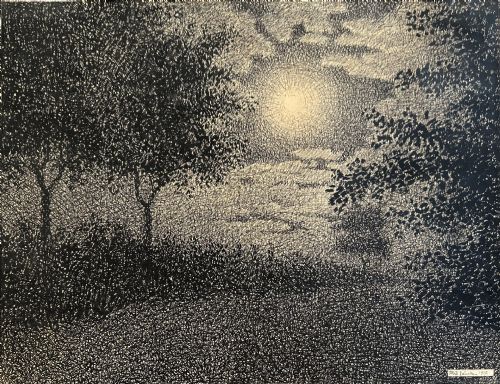
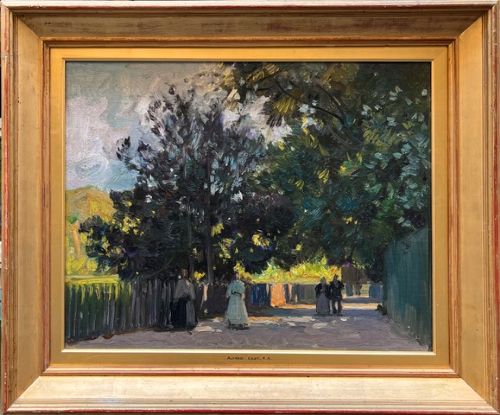
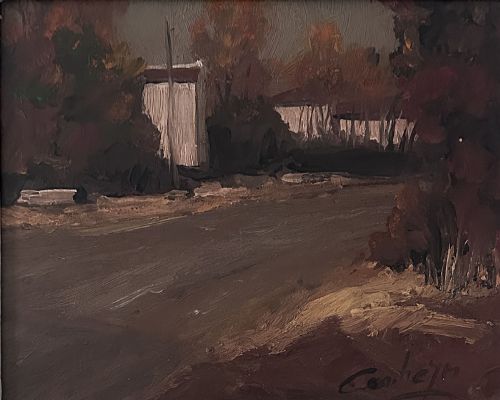
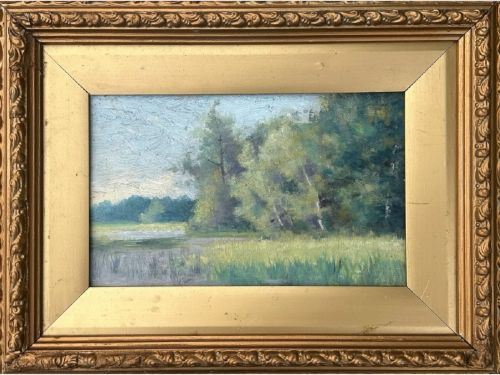
Antique tree landscape art captures the natural world through canvases, panels, and watercolours spanning the nineteenth and twentieth centuries.
Antique Tree Landscape Art
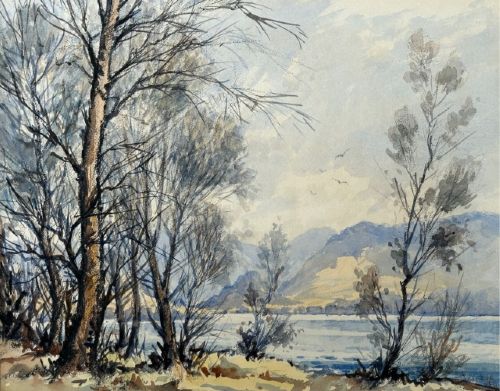
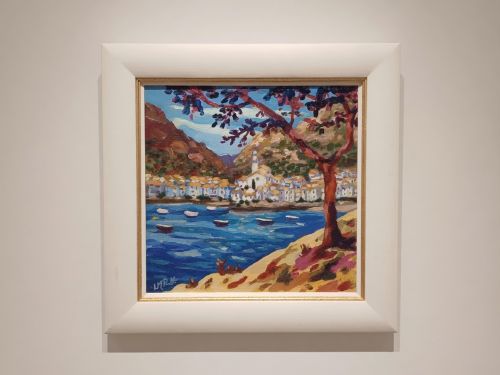
Antique tree landscape art encompasses oil paintings, watercolours, gouache, and pastels depicting woodlands, riversides, and rural scenes. These works document shifting artistic movements from nineteenth-century Victorian naturalism to twentieth-century Post-Impressionism and Expressionism.
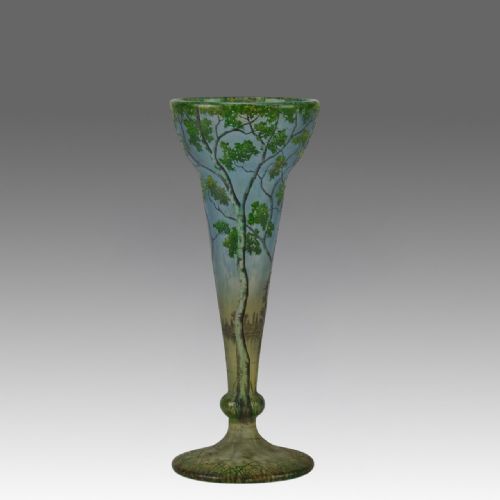
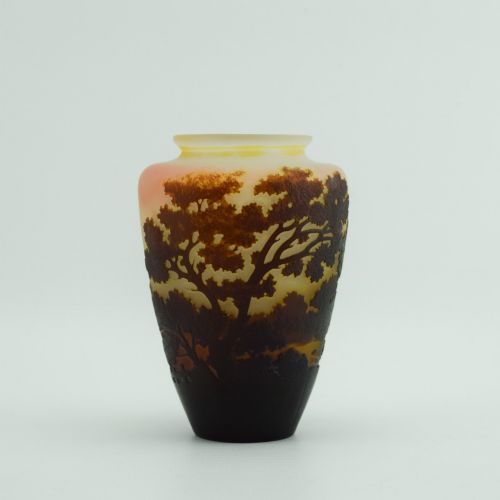
Buyers encounter framed paintings on canvas, board, and paper, alongside cameo glass vases featuring etched woodland motifs. The selection spans British, French, and Middle Eastern subjects created across diverse periods.
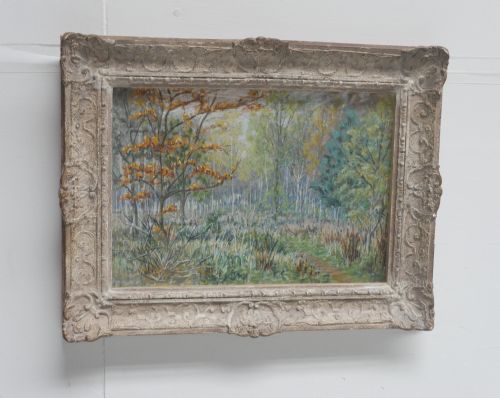
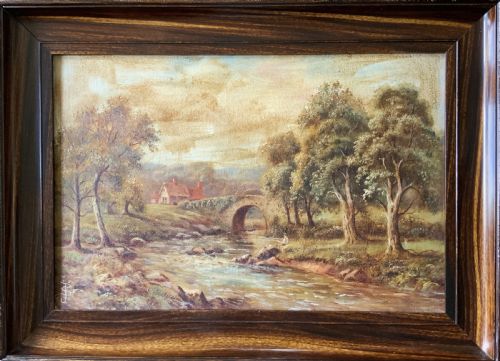
Works range from intimate watercolours of village paths to large oil paintings of towering oaks and willow trees by rivers. Each piece records an artist's direct observation of trees within open countryside or enclosed orchards.
How They Were Made
Artists applied oil paint, watercolour, gouache, or pastel onto traditional supports including stretched canvas, wooden panels, artist boards, and heavy paper. Painters built up woodland textures using brushwork, layering pigments to capture the light filtering through branches and foliage.
Glassmakers utilised cameo techniques, layering different coloured glass and acid-etching the surface to reveal detailed landscape and tree motifs around vessel bodies.
Antique Tree Landscape Art Retail Price Guide 2026
Typical asking prices for tree landscape art among the pieces listed under this phrase on Sellingantiques today, from the lower quarter to the upper quarter. They describe what is for sale here now, not the wider market.
Several trees depicted in these antique scenes have outlived the artists who painted them by over a century.
What Varies In Quality
The strength of composition and spatial depth separates accomplished works from simpler student exercises. Masterful handling of light, shadow, and atmospheric perspective defines the most compelling depictions of woodland scenes.
Material preservation dictates overall integrity, noting the stability of the paint layer on canvas or board and the retention of crisp detail in cameo glass vases.
Daum Frères·Galle·John Linnell·Kershaw Schofield·William Hoggatt
The Antique Tree Landscape Art Glossary
- Canvas
- A heavy woven fabric stretched across a wooden frame to serve as a painting surface. It provides a textured ground favoured by oil painters.
- Gouache
- An opaque water-based medium containing pigment and a binding agent, often used alongside watercolour on paper for added density.
- Cameo glass
- Art glass vessels produced by fusing multiple layers of distinct colours and carving away portions to form contrasting designs.
- Panel
- A flat wooden board utilised as a rigid support for oil or gouache paintings prior to framing.
- Impressionism
- A nineteenth-century painting style focusing on transient effects of light, loose brushwork, and outdoor subjects.
Antique Tree Landscape Art: Frequently Asked Questions
What periods do these landscapes cover?
The available artworks span from the late eighteenth century through the Victorian era and into the mid-twentieth century. Most examples date from the nineteenth and early twentieth centuries.
Individual pieces reflect the aesthetic shifts of their respective decades, ranging from traditional Victorian views to Post-Impressionist interpretations.
How do I care for antique watercolours?
Works on paper require protection from direct sunlight to prevent the fading of delicate watercolours and gouache pigments. Framing behind conservation-grade glass safeguards the paper from airborne pollutants and moisture.
Maintaining stable indoor humidity levels prevents warping and deterioration of the underlying paper support.
What is cameo glass?
Cameo glass involves layering two or more coloured glass melts together before cooling. Artisans carve or acid-etch the outer layer to reveal contrasting landscape designs beneath.
This technique gained prominence during the Art Nouveau period, producing sculptural vases with naturalistic tree motifs.
Are these paintings signed by the artists?
Many of the listed works bear artist signatures, monograms, or studio sale provenances. Attributions to specific painters are supported by stylistic analysis and historical records.
Unsigned pieces are typically attributed to period schools based on technique, palette, and framing.