
Antique Travel Timepiece
An antique travel timepiece offers reliable horological precision housed within portable brass, silver, or leather enclosures designed for journeys.
Antique Travel Timepiece
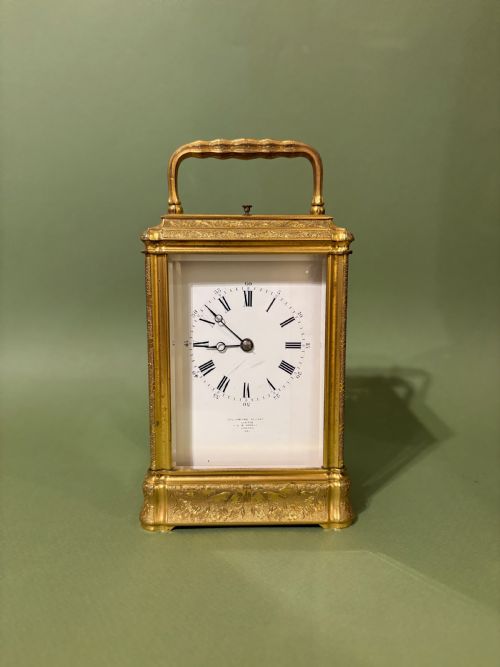
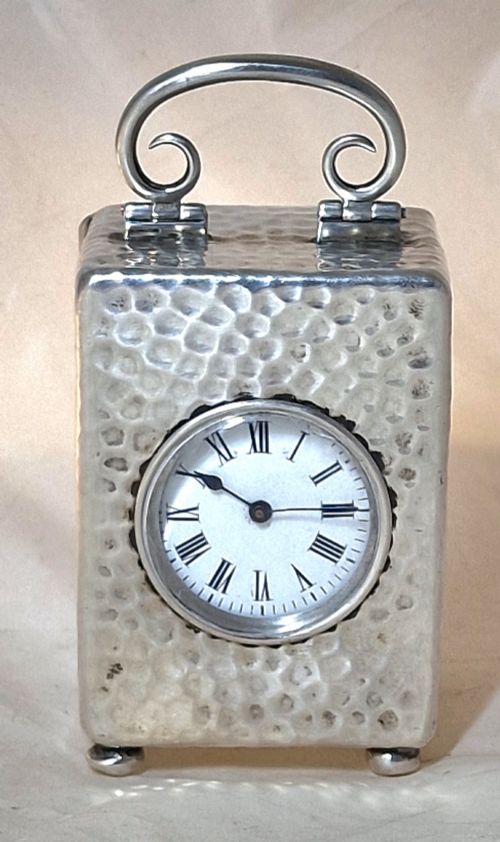
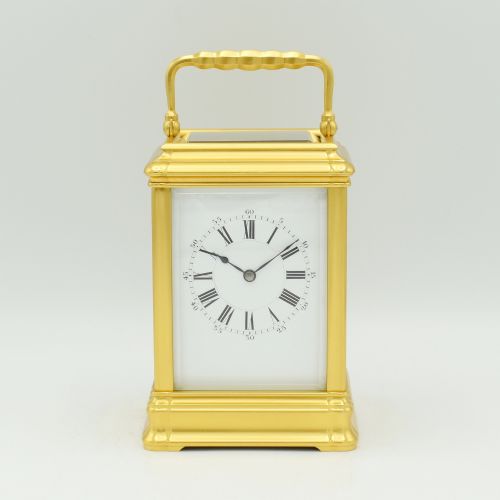
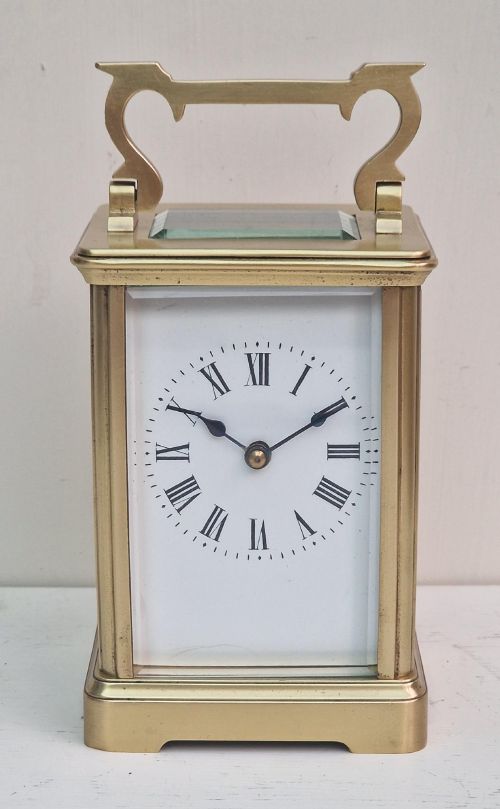
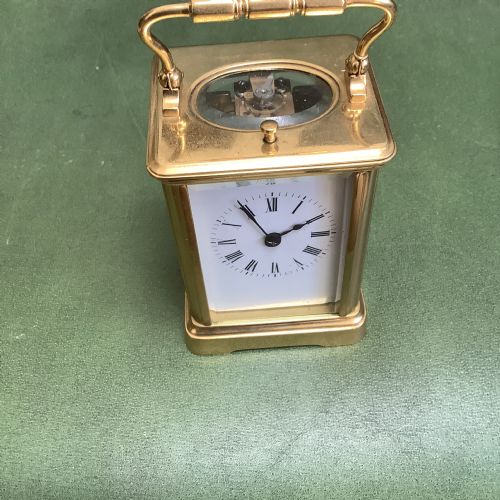
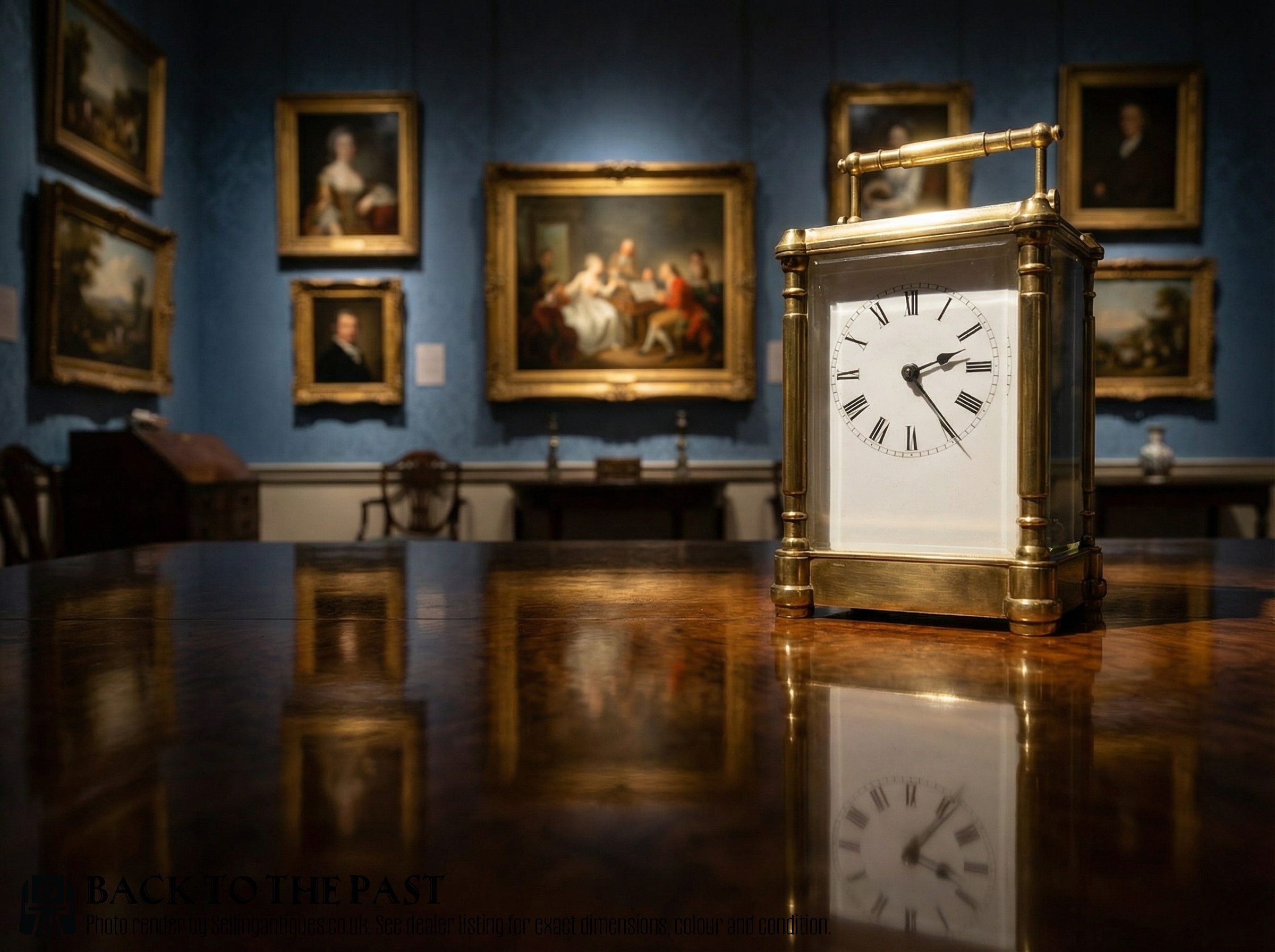
An antique travel timepiece represents portable clockmaking traditions primarily realised through carriage clocks and pocket watches produced during the nineteenth and early twentieth centuries. These mechanisms allowed travellers to keep accurate time away from stationary household clocks.
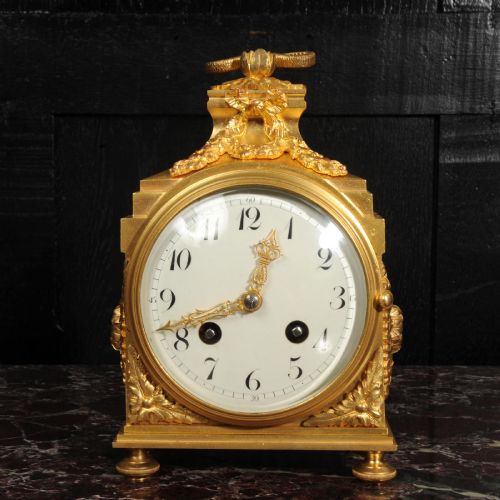
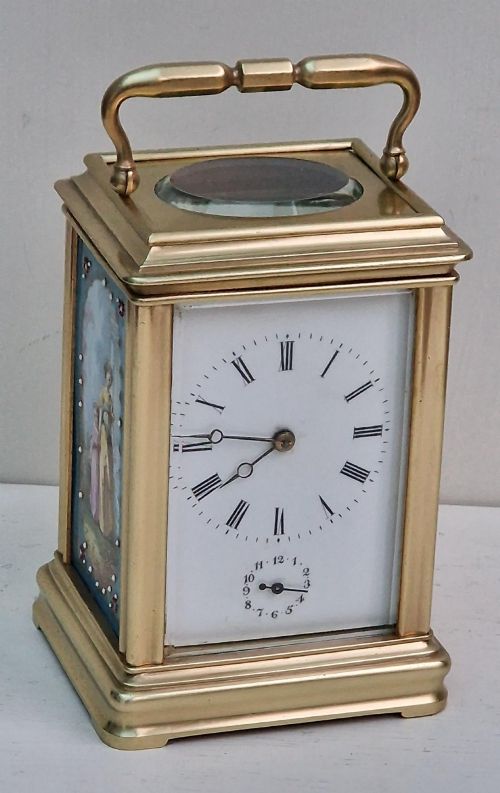
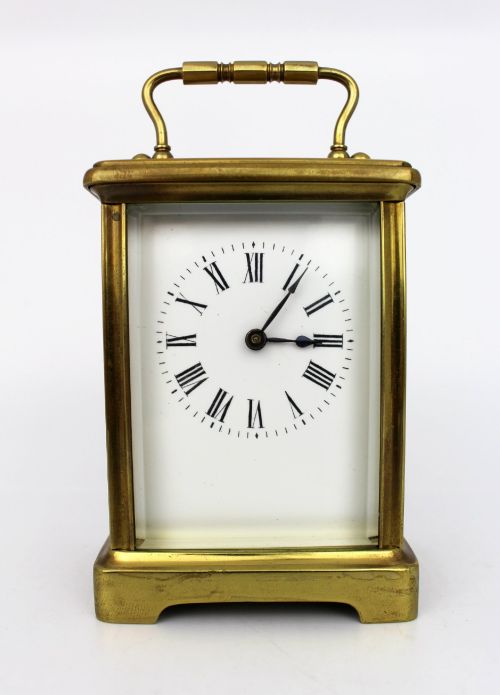
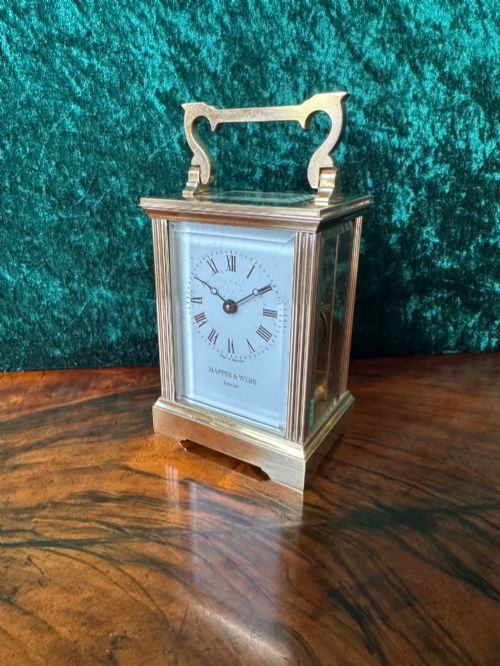
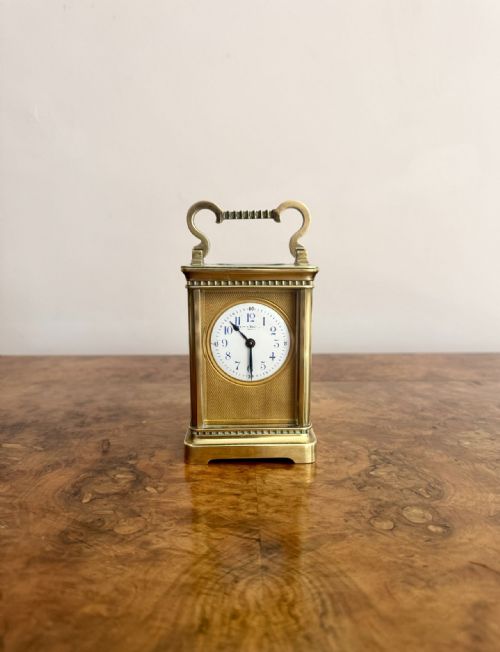
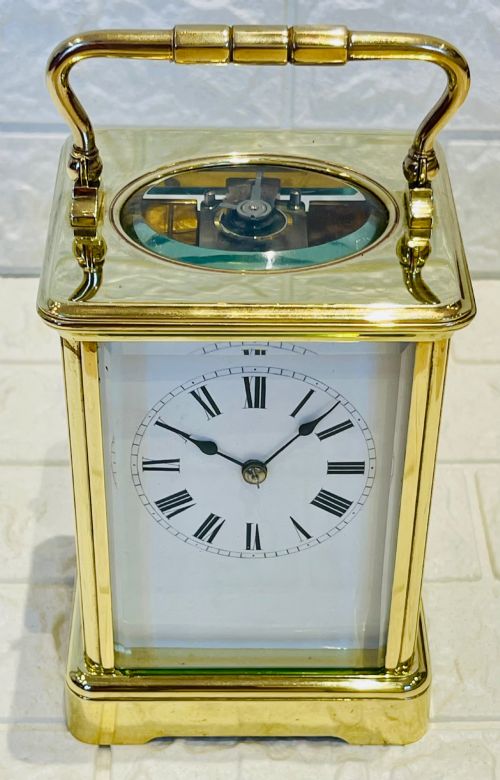
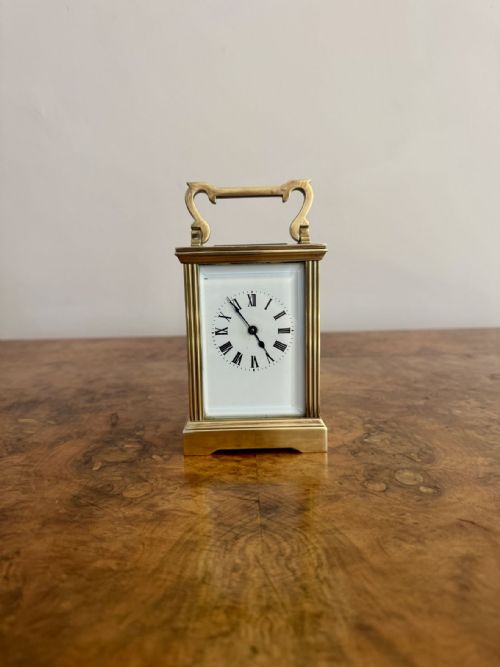
The versions most commonly met on this page span the Victorian and Edwardian eras, featuring French and English workmanship. Examples range from simple miniature bedside clocks to elaborate repeating carriage clocks housed in brass or gilt brass cases.

How they were made
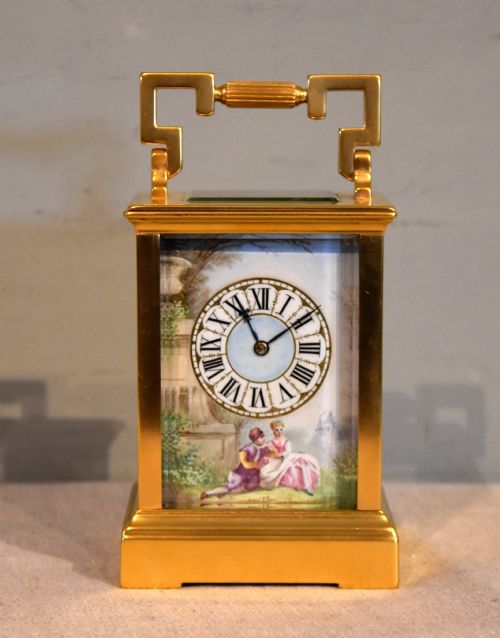
Maker workshops constructed the structural cases using brass, gilt brass, and silver, frequently integrating bevelled glass panels to reveal the internal gear train. Silversmiths and clockmakers also applied enamel work and porcelain panels for decorative effect.
Movements relied on complex mechanical assemblies featuring Swiss or French gear trains, sometimes driven by eight-day movements or specialised escapements. Skilled artisans engraved the exterior brass cases and dial plates by hand.
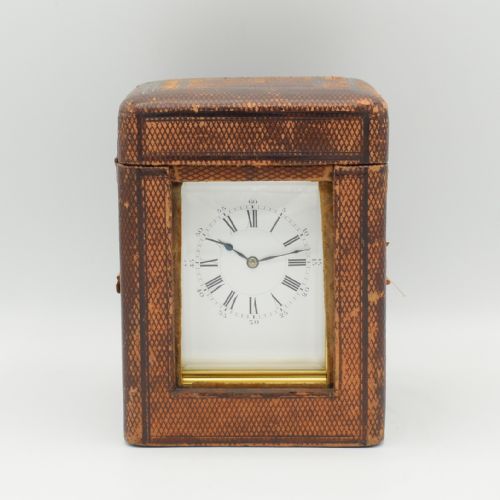
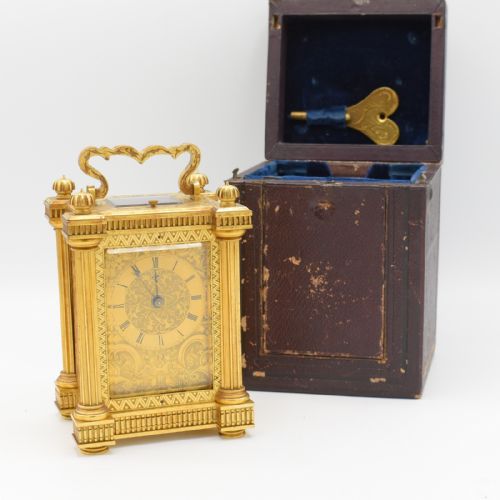
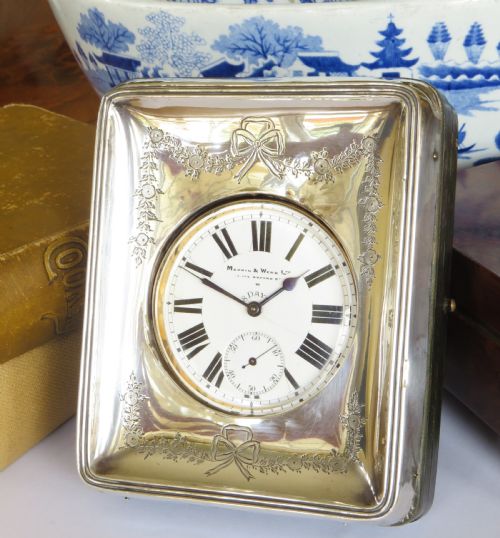
Protective outer travel cases utilised sturdy leather construction lined with velvet or silk to secure the clock body during movement.
Antique Travel Timepiece Retail Price Guide 2026
Typical asking prices for travel timepiece among the pieces listed under this phrase on Sellingantiques today, from the lower quarter to the upper quarter. They describe what is for sale here now, not the wider market.
Makers from London and Paris dominate the surviving travel clock production recorded in these records.
What varies in quality
The complexity of the internal movement separates standard models from superior examples, particularly the inclusion of repeater mechanisms, striking trains, or built-in alarms. Clocks featuring signed movements by known makers demonstrate higher standards of horological execution.
The crispness and depth of hand-engraving on the gilt brass cases indicate the skill level of the original workshop. Intricate enamel work and hand-painted porcelain panels further distinguish finer decorative pieces from plain brass travel clocks.
The presence of the original fitted leather travel case alters the integrity and completeness of the piece. Preservation of the original gilding on the brass case also affects the overall condition and visual character.
Henri Jacot·Howell & James·Mappin & Webb·Drocourt Paris·Antoine Redier·Duverdrey & Bloquel
The Antique Travel Timepiece Glossary
- Carriage clock
- A portable spring-driven clock designed for travel, typically featuring a rectangular brass case with glass panels and a swing handle on top. These originated in France during the nineteenth century.
- Repeater
- A mechanism that sounds the hours and quarters on demand when a lever or button is pressed. This function aided travellers in checking the time in unlit rooms.
- Gorge case
- A distinct rectangular carriage clock case style characterised by stepped mouldings on the top and bottom plates. It represents a classic French housing design.
- Pendule d'Officier
- A military-style officer's travel clock produced in France, often featuring a robust movement and distinct utilitarian casing.
- Escapement
- The internal mechanism that controls the release of gear train energy to maintain the pendulum or balance wheel motion. It governs the overall timekeeping accuracy.
Antique Travel Timepiece: Frequently Asked Questions
How do I wind an antique travel timepiece?
Most models require a dedicated winding key inserted into the arbour holes located on the backplate of the movement. Turn the key gently until you feel resistance, taking care not to overwind the mainspring.
Ensure you identify the correct holes for timekeeping versus alarm or striking trains before applying pressure. Regular, careful winding preserves the tension of nineteenth-century springs.
What is the difference between a timepiece and a clock?
In horological terms, a timepiece indicates an instrument that tells the time without any striking or chiming mechanisms. A clock includes additional gear trains that ring bells or gongs to mark the hours or quarters.
Travel clocks often combine timekeeping with alarm functions or repeaters, whereas simpler versions function strictly as timepieces.
How were travel clocks used historically?
Owners packed these mechanical devices into fitted leather cases to transport timekeeping reliability across coach journeys and rail travel. They served as portable timekeepers for hotels and temporary residences before reliable pocket watches became universal.
Travellers relied on the built-in alarms and repeating functions to manage schedules away from home without depending on local town clocks.
How do I identify a French carriage clock?
French examples from the nineteenth century typically feature platform escapements visible through the top glass panel and heavy cast brass gorge or Corniche cases. Many carry signatures or stamped maker marks on the backplate of the movement.
The use of porcelain dial faces and finely engraved gilt brass framing further distinguishes French production from later English or Swiss counterparts.