





Antique Townscape Painting
An antique townscape painting captures the historical character of city streets, bustling markets and quiet quaysides through the observant eyes of earlier artists.
Antique Townscape Painting
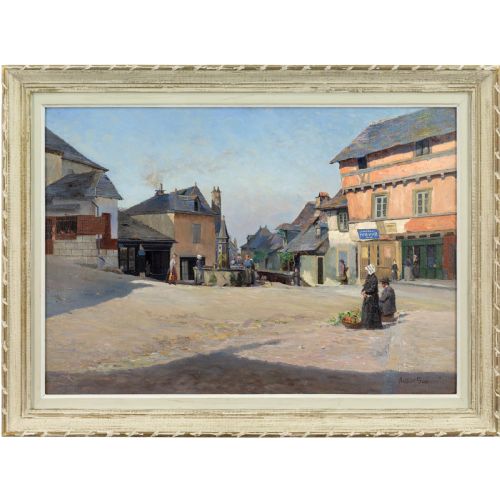
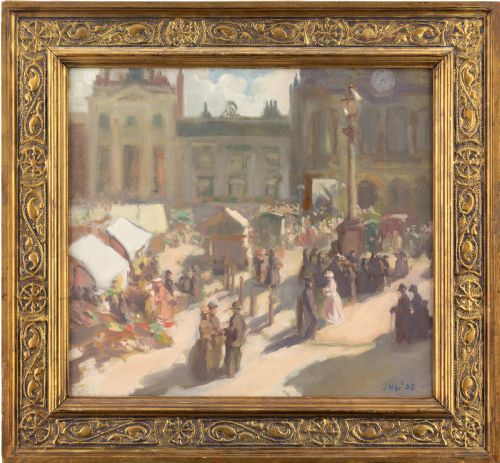
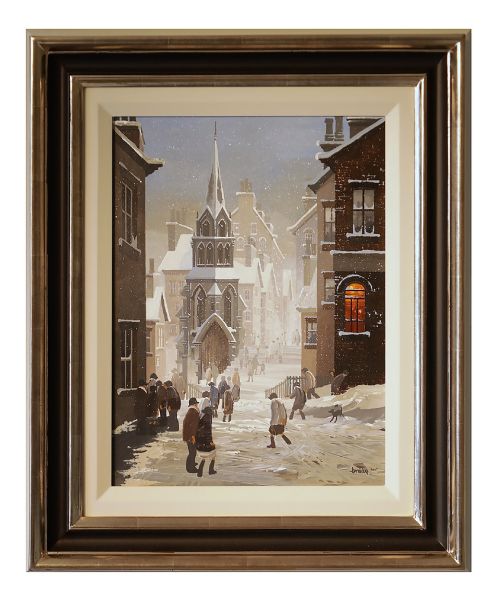
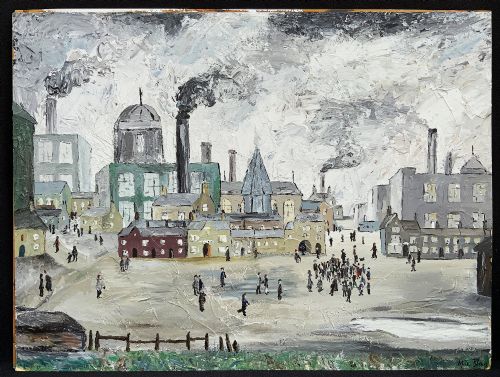
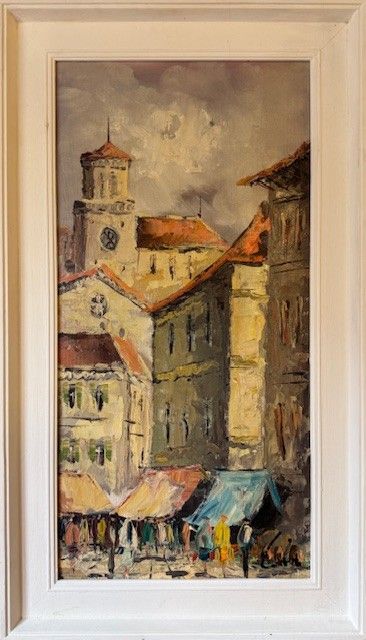
An antique townscape painting records urban views, architectural landmarks and daily street life from past centuries. When exploring this selection, buyers frequently encounter works depicting British market towns, northern industrial centres and historic continental cities.
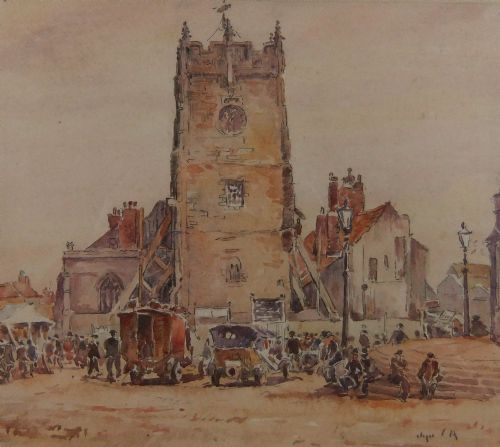
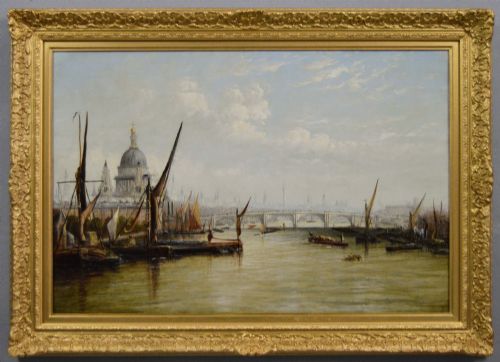
The inventory ranges from intimate watercolour drawings of Yorkshire streets to grand oil paintings capturing Venetian canals and Thames waterways. These pieces document the changing architecture and social activity of urban environments across the nineteenth and early twentieth centuries.
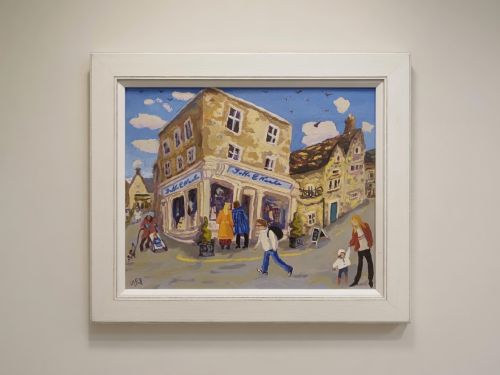
Makers and artists focused on specific locales, ranging from recognizable city hubs to quiet provincial squares. Surviving examples demonstrate how different schools of painters interpreted urban topography through varying lenses of realism and impressionism.
Materials and Technique
Artists relied primarily on oil paint applied to canvas, panel or board to build rich textures and deep tones for complex architectural scenes. Watercolour and pencil on paper were frequently utilised for lighter, more immediate topographical studies and street sketches.
Supports often include traditional giltwood frames that complement the period of the painting. The application of oil paint, gold leaf and watercolour reflects the established academic and plein air techniques of Victorian and Edwardian practitioners.
Spot the stray canine companion wandering cobbled market squares in nineteenth-century watercolour street scenes.
Assessing Quality
Quality rests upon the artist's command of perspective, handling of light and ability to render architectural detail alongside animated human figures. Superior works demonstrate confident brushwork and a balanced composition that brings the urban scene to life.
The choice of medium and the preservation of the original surface significantly influence the visual impact of the piece. Works that retain their original colour saturation and mounting provide a clearer window into the historical moment they depict.
Francis Moltino·Cornelis Christian Dommersen·Alfred Pollentine·Edward Henry Holder·Jane Vivian·George Willis Pryce·Fred Lawson·Arthur Joseph Meadows·Louis Dommersen
The Antique Townscape Painting Glossary
- Townscape
- A painting or drawing depicting a city or urban landscape. It focuses on streets, buildings and public squares rather than purely rural scenery.
- Giltwood
- Wood that has been treated with a thin layer of gold leaf. Frames from the nineteenth century often feature this decorative finish.
- Watercolour
- A paint consisting of pigment suspended in a water-based solution, typically applied to paper. It allows for translucent washes and delicate line work.
- Oil on Canvas
- Pigment bound in an oil medium spread across stretched woven fabric. This combination provides durability and depth of colour.
- Post-Impressionism
- An art movement following impressionism that extended its boundaries while retaining a focus on vivid colours and distinct brushstrokes.
Antique Townscape Painting: Frequently Asked Questions
What is an antique townscape painting?
An antique townscape painting is a work of art depicting urban views, streets, buildings and river scenes created during the nineteenth or early twentieth centuries.
These pieces serve as historical records of how cities, towns and ports appeared before modern industrial and architectural developments transformed them.
How were these paintings displayed?
Historical townscapes were typically framed in wood, often adorned with gold leaf, and hung in domestic parlours, drawing rooms or public buildings.
The framing was designed to complement the interior decor of the Victorian or Edwardian home while protecting the delicate surface of the canvas or paper.
How do I care for an oil townscape?
Oil paintings require stable indoor environments away from direct sunlight, excessive moisture and rapid temperature fluctuations to prevent cracking of the paint layer.
Dusting should be done gently with a soft, dry brush, avoiding harsh cleaning agents or water on the surface of the canvas.
How are watercolours preserved?
Watercolour paintings on paper are sensitive to light and should be housed behind glass with acid-free mounts to prevent fading and deterioration.
Keeping them away from direct sun exposure ensures the original pigments retain their tonal quality over time.
How do I identify the period?
Dating relies on architectural clues within the scene, costume details of figures, framing styles and signatures or attribution records left by the artist.
Comparing the medium, canvas type and stylistic traits such as Victorian realism or impressionistic brushwork further narrows down the era.