



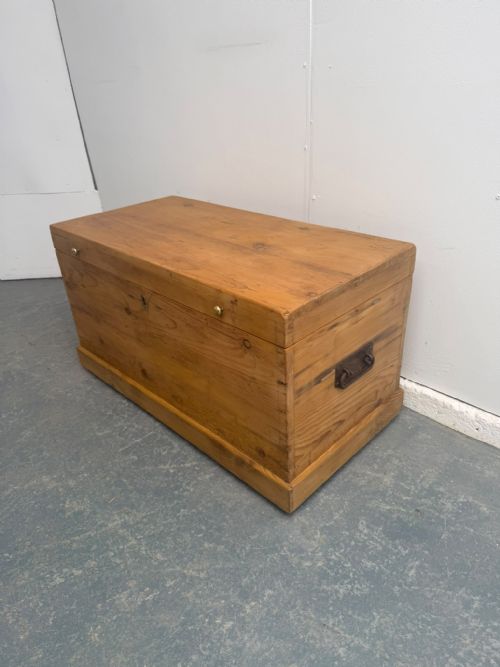
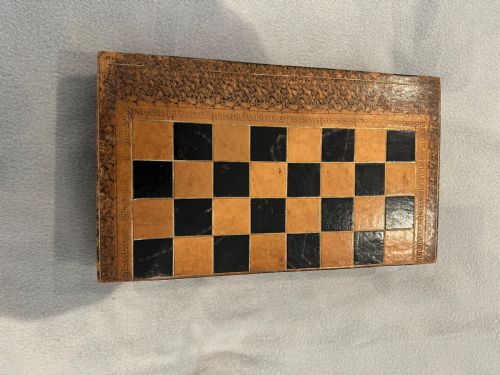
Antique Tool Box
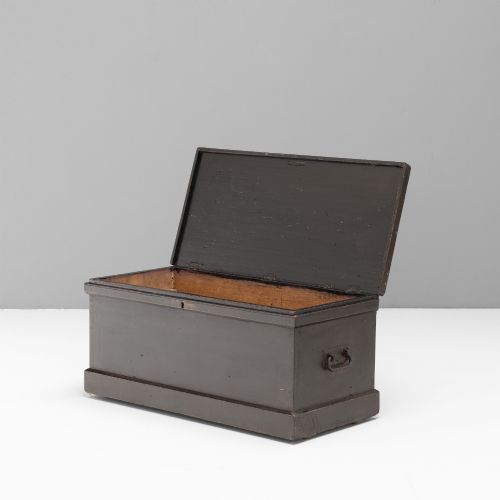
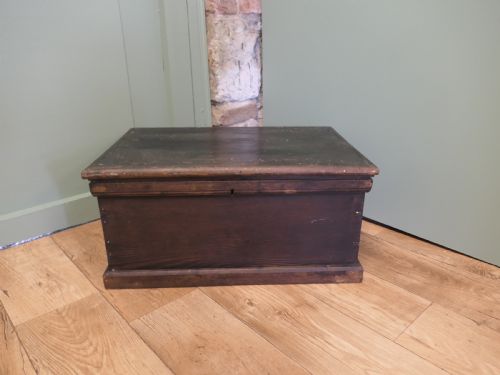
An antique tool box offers sturdy storage and working history, built for tradesmen and specialists from pine, mahogany, and iron.
Antique Tool Box
An antique tool box serves as practical storage built for carpenters, cabinet makers, shipwrights, and watchmakers across the Georgian, Victorian, and Edwardian periods.
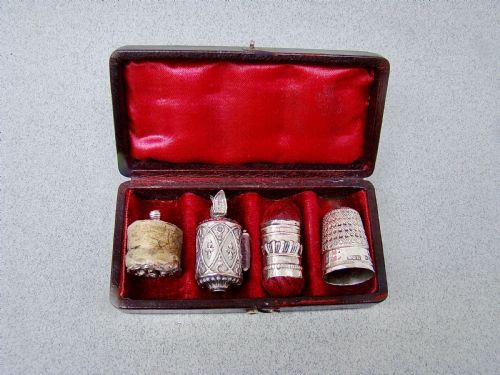
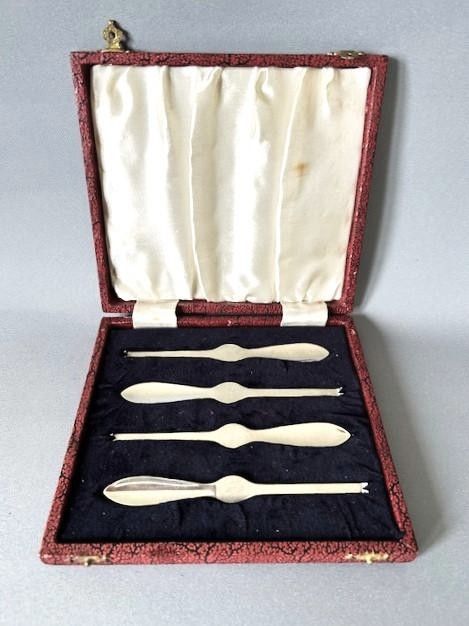
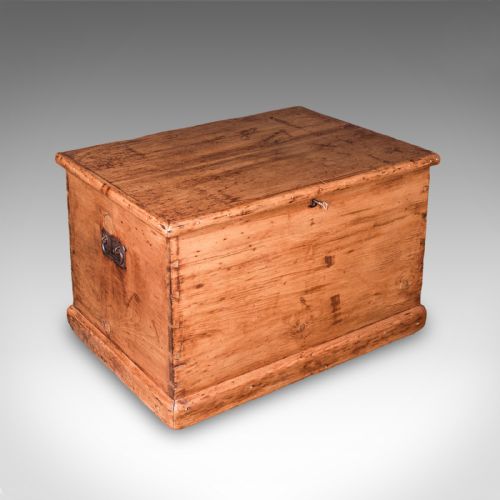
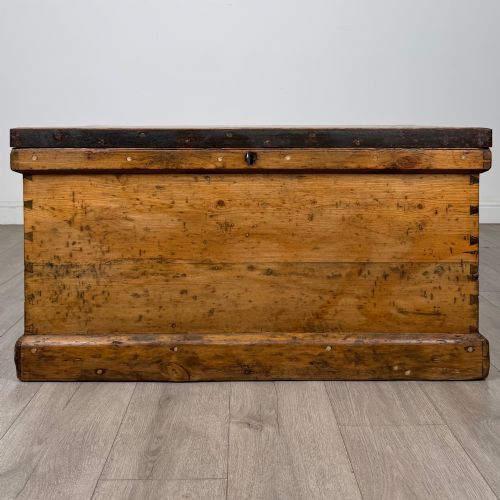
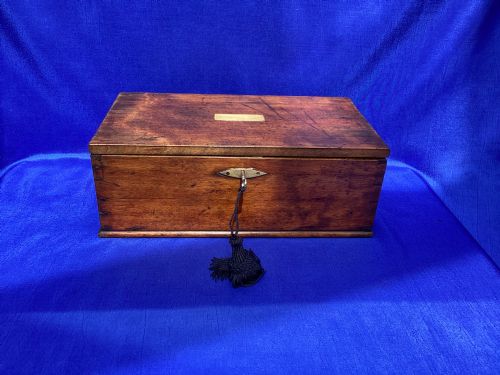
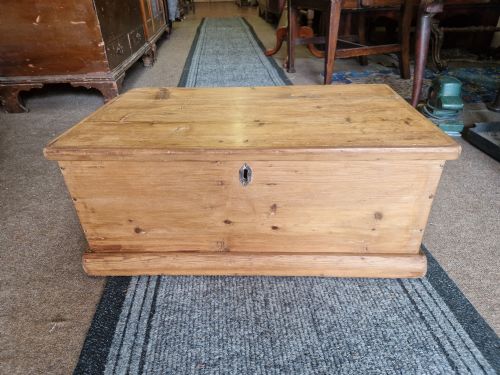
Buyers meeting these items on this page will encounter functional pine chests, portable tool cabinets, and specialist fitted boxes constructed from solid woods.
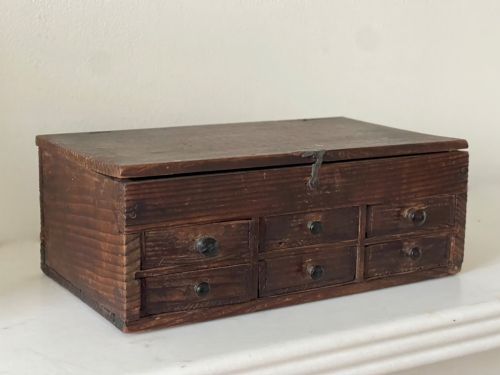
These pieces range from rustic country trunks to sophisticated workshop cabinets fitted with multiple small drawers for precision equipment.
How they were made
Carpenters and joiners built these boxes primarily from sturdy pine, elm, and mahogany, utilising robust dovetail joints and solid timbers to withstand heavy daily use.
Iron and brass fittings such as strap hinges, corner brackets, and recessed drop handles reinforce the heavy wooden structures for secure transport.
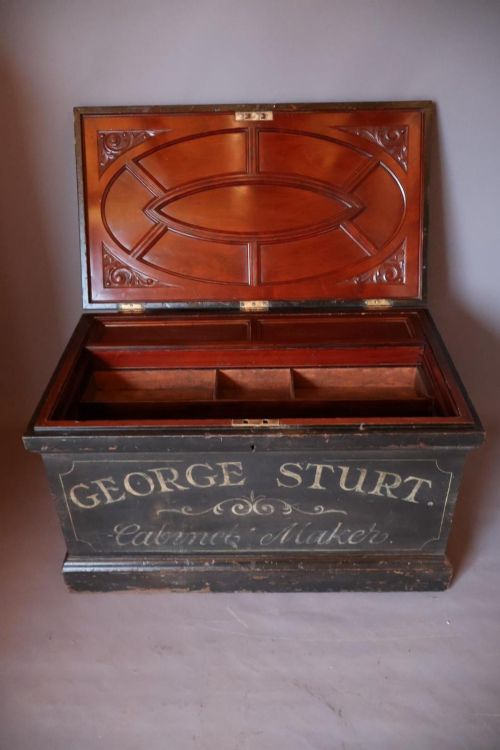
Fitted interiors often include internal till boxes, specialised compartments, and twelve small drawers tailored to hold delicate instruments or hand tools.
Antique Tool Box Retail Price Guide 2026
Typical asking prices for tool box among the pieces listed under this phrase on Sellingantiques today, from the lower quarter to the upper quarter. They describe what is for sale here now, not the wider market.
What varies in quality
The standard of a piece depends heavily on the complexity of its internal arrangement, with multi-drawer configurations and specialised compartments commanding greater interest.
Materials and hardware distinguish utility pieces from high-end examples, where solid mahogany and substantial brass bound edges elevate the construction.
Originality of surface finish and the survival of working locks and keys determine the desirability of an antique tool box.
Holtzapffel and Co·L Casella and Co·Gnome Et Le Rhone Engine Company·Manoah Rhodes and Sons Ltd
The Antique Tool Box Glossary
- Pine
- A softwood commonly used for utilitarian storage chests and carpenter's boxes throughout the nineteenth century. Its lightweight yet durable nature made it the default choice for trade trunks.
- Mahogany
- A dense, durable hardwood utilised for finer cabinet maker's chests and specialised instrument cases. It accepts a fine polish and provides superior structural stability.
- Dovetail joint
- A traditional interlocking woodwork joint prized for its exceptional tensile strength. It binds the corners of quality boxes without relying entirely on metal fasteners.
- Till
- A small internal sliding tray or compartment set inside a larger chest for smaller implements. It keeps frequently used items accessible above the main storage well.
- Brass bound
- A method of reinforcing box corners and edges with brass strips and corner pieces. This protected the wooden housing from heavy knocks during travel and site work.
Antique Tool Box: Frequently Asked Questions
What were antique tool boxes used for?
These wooden chests transported and protected hand tools, measuring devices, and precision instruments for travelling tradesmen and specialists.
Craftsmen relied on fitted compartments to keep chisels, planes, and delicate components organised and secure during transit between jobs.
How do I date an antique tool box?
Dating relies on examining the timber species, construction methods, and hardware style. Hand-cut dovetails and wrought iron fittings point to earlier Georgian or early Victorian origins.
Later Edwardian examples frequently incorporate machine-sawn elements, pitch pine, and brass fixtures alongside specific maker labels or stamps.
How should I clean a pine tool box?
Preserving the original surface requires gentle dusting and occasional application of traditional wax to nourish dry timber. Avoid harsh chemical stripping that removes aged patination.
Allowing the historical marks, paint splatters, and knocks to remain intact maintains the authentic character of a working antique.
Can I use an antique tool box for modern storage?
These robust wooden chests adapt easily to contemporary interiors for storing blankets, art supplies, or household items.
Their deep wells and internal compartments provide practical organisation while adding industrial character and historical presence to a room.