




Antique Toddy Spoon
An antique toddy spoon is a traditional serving utensil designed for mixing punch or spirits, prized by collectors for its fine silver bowls and twisted handles.
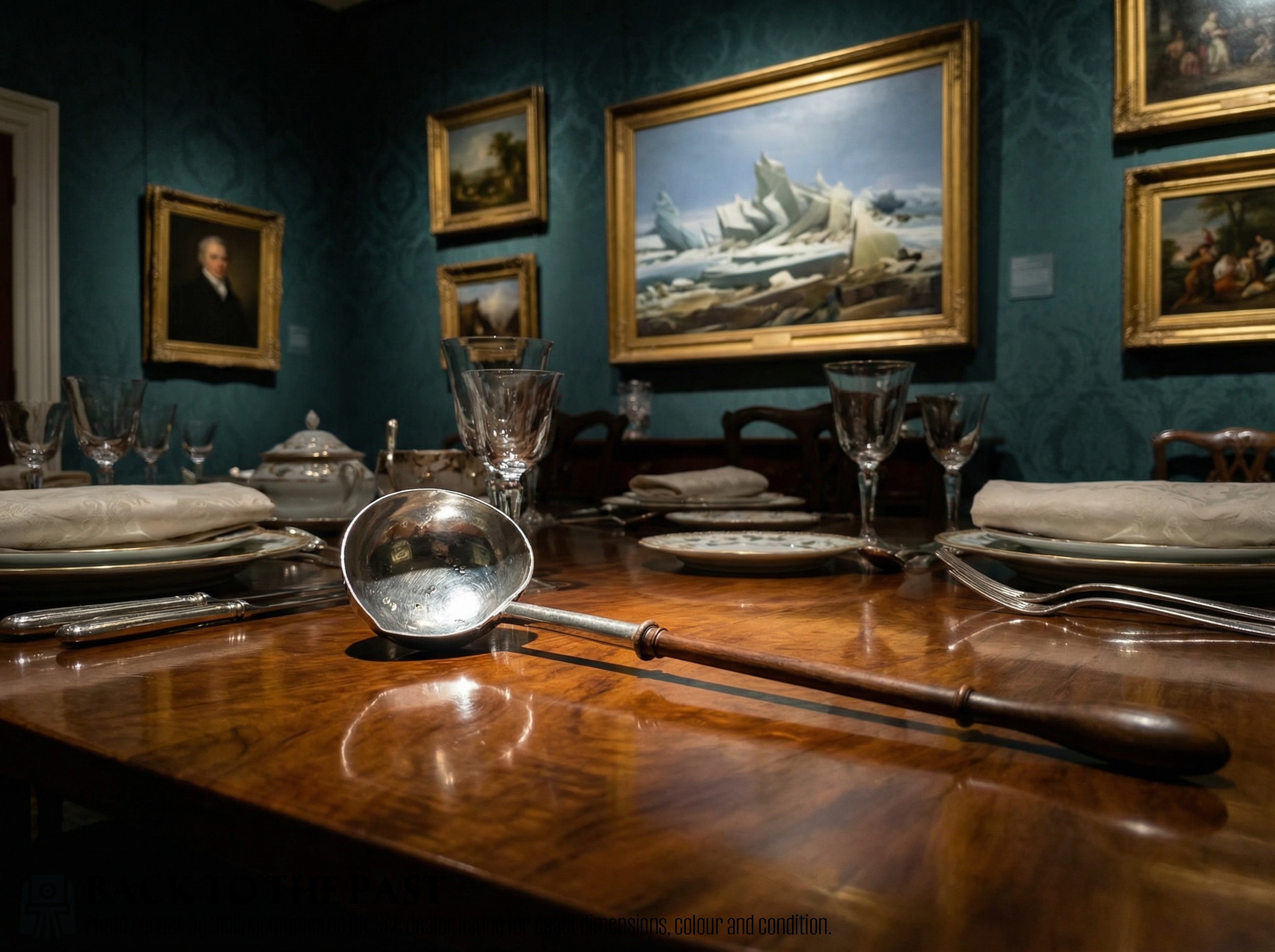
Antique Toddy Spoon
When you search for an antique toddy spoon, you encounter small serving utensils and ladles produced primarily during the Georgian, Victorian, and 18th-century periods. These items were essential accessories for social gatherings where spirits and punch were dispensed from large bowls.
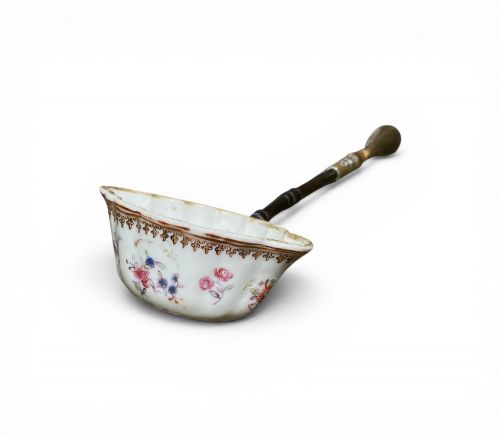
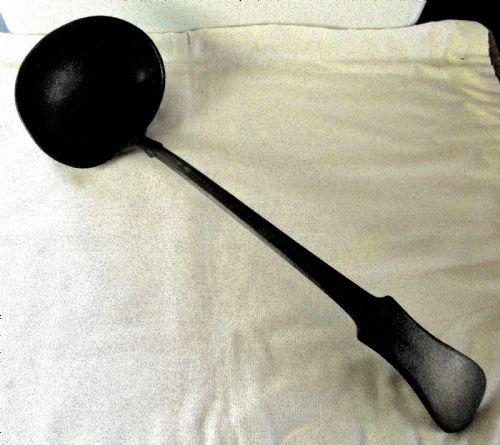
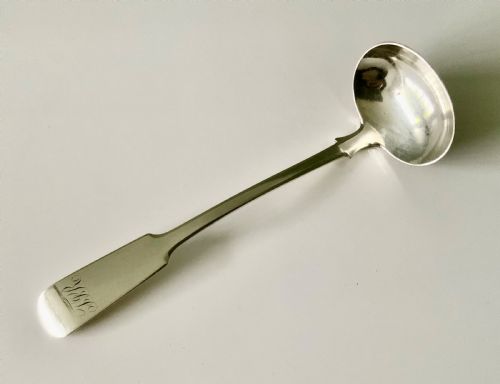
The pieces listed on this page span several distinct forms, including Chinese porcelain ladles with famille rose decoration from the Qianlong period, English pewter and silver examples, and Scottish provincial silver pieces. You are equally likely to find turned coquilla nut and treen variants fitted with silver mounts.
Most examples originate from British workshops, though items from the mid-1700s and the 1800s demonstrate a wide geographical spread within the United Kingdom, particularly Scotland and Ireland. These ladles bridge the gap between functional tableware and decorative silver.
How they were made
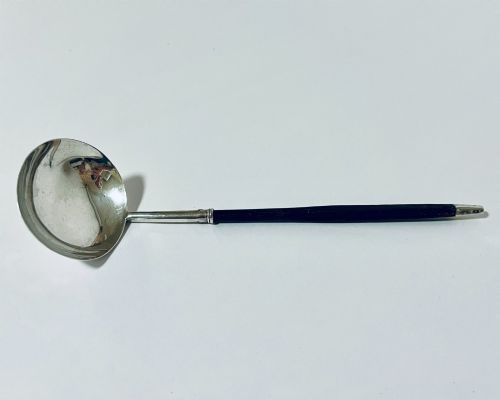
Silversmiths constructed the metal bowls and stems using sterling silver, standard silver, and pewter, often incorporating hallmarks to verify origin and purity. Handle construction frequently involved organic materials such as turned wood, horn, and coquilla nut, joined to silver bowls with metal collars.
Ceramic examples like the Chinese export pieces utilised porcelain painted with famille rose enamels during the mid-eighteenth century. Metal ladles were hammered, shaped, and sometimes engraved with crests or floral motifs before being fitted with whalebone or twisted silver wire handles.
Listings feature items from the Georgian and Victorian periods, incorporating materials such as silver, pewter, porcelain, horn, and wood.
What varies in quality
Quality in these ladles depends heavily on the crispness of the silversmith's marks, the balance between the bowl and the handle, and the preservation of organic materials like wood or horn. Finer pieces display clear provincial or London hallmarks alongside well-defined chasing on the bowl.
The integration of mixed media, such as a coquilla nut bowl with silver mounts, relies on the precision of the joinery and the survival of the original surface patina. Simpler utilitarian pieces in pewter or plain silver contrast with ornate George III examples featuring decorative coin insets.
Dixon and Son·William Ferguson
The Antique Toddy Spoon Glossary
- Toddy ladle
- A small spoon or ladle specifically designed for transferring hot toddy or punch from a bowl into individual drinking glasses. These utensils typically feature elongated handles to reach the bottom of deep ceramic or glass vessels.
- Treen
- Small handmade wooden household objects and utensils produced by turning on a lathe. In toddy spoons, treen often forms the slender handle attached to a silver bowl.
- Famille rose
- A palette of opaque enamel colours dominated by pink, introduced to Chinese porcelain in the eighteenth century. Pieces decorated in this style were frequently exported to Europe.
- Coquilla nut
- The hard, aromatic seed of a South American palm tree, frequently carved into small containers and utensil handles during the eighteenth and nineteenth centuries. Its dark brown surface polishes to a smooth finish.
Antique Toddy Spoon: Frequently Asked Questions
What is an antique toddy spoon?
An antique toddy spoon is a small ladle used during the eighteenth and nineteenth centuries to serve hot punch or mixed spirits. They were designed to reach deep into ceramic or glass punch bowls.
These pieces combine materials like silver, pewter, porcelain, and wood, reflecting the dining customs of the Georgian and Victorian eras.
How do I date an antique toddy spoon?
Dating relies upon examining the style of the bowl, the construction of the handle, and any visible silver hallmarks. Maker marks and town marks stamped onto the metal provide specific regional origins.
Changes in manufacturing techniques from the mid-1700s through the Victorian period also help determine the age of each ladle.
How were toddy spoons used?
They were used at the dining table or in drawing rooms to ladle punch and spiked spirits into cups or glasses. The long handles kept fingers clear of the hot liquid.
Many examples feature twisted stems or organic handles designed to prevent heat transfer from the bowl.
What materials are used in these spoons?
Makers utilised sterling silver, standard silver, pewter, and porcelain alongside organic materials like wood, horn, and coquilla nut. Some incorporate coins such as George II silver pieces directly into the bowl base.
This variety of materials creates distinct visual contrasts between the metallic bowls and the tactile handles.
How do I care for silver and wood ladles?
Care requires gentle cleaning appropriate to each material, keeping silver polished and protecting organic wood or nut handles from excessive moisture. Storing them away from direct sunlight preserves the patina of both metal and organic components.
Regular handling helps maintain the natural oils in wooden and horn elements.