



Antique Tin Tray
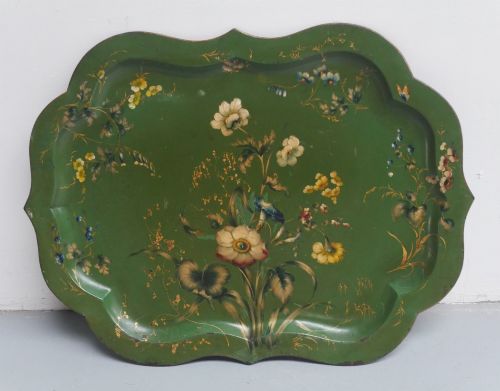
An antique tin tray brings utility and painted charm to a tabletop, spanning tin-glazed earthenware and black-japanned toleware.
Antique Tin Tray
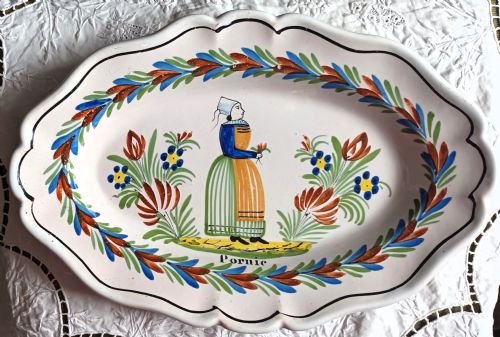
When searching for an antique tin tray, buyers encounter several distinct material traditions, including painted metalware, tin-glazed earthenwares, and faience. The selection ranges from English toleware serving pieces to Dutch Delft inkstands and French Quimper dishes.
The pieces appearing most frequently belong to the nineteenth century, encompassing Victorian and Regency aesthetics. Forms vary from simple serving platters and oval trays to desktop inkwells and shaped bowls.
Materials and construction
Metalwares rely on sheet metal formed into trays, bowls, and boxes, then finished with paint, lacquer, or gold leaf. Toleware items utilise japanning and handpainted decoration directly onto the metal ground.
Ceramic equivalents employ tin-glazed earthenware and faience, combining clay bodies with opaque white glazes and blue painted pigments.
Antique Tin Tray Retail Price Guide 2026
Typical asking prices for tin tray among the pieces listed under this phrase on Sellingantiques today, from the lower quarter to the upper quarter. They describe what is for sale here now, not the wider market.
Evaluating craftsmanship
Quality rests upon the precision of the handpainted details and the preservation of the original surface finishes, whether lacquer or tin glaze. Fine examples display crisp brushwork and balanced compositions rather than flat, mechanical repetition.
The integrity of the underlying material, be it shaped metal or earthenware, dictates the overall longevity and physical weight of the piece.
H. Meeson·Martin Hall
The Antique Tin Tray Glossary
- Toleware
- Painted or lacquered metalware, typically tinplate, developed to imitate Asian lacquer goods. This technique produced durable domestic items decorated with floral or pictorial scenes.
- Japanning
- A European imitation of Japanese and Chinese lacquer work. The process involves layering dark varnishes and resins onto a metal or wooden substrate.
- Tin-glazed earthenware
- Pottery covered with a glaze containing tin oxide, which yields a white, smooth surface suitable for cobalt blue painting.
- Vide-poche
- A small decorative dish designed for emptying pockets of small items such as keys and coins. These shallow receptacles often appear in French faience.
Antique Tin Tray: Frequently Asked Questions
What is toleware?
Toleware refers to lacquered and painted metal objects made during the eighteenth and nineteenth centuries. Artisans applied pigments and varnishes to sheet metal to create decorative household articles.
These pieces range from serving trays to inkstands and bowls, often featuring handpainted floral motifs or pictorial subjects.
How do I clean an antique tin tray?
Painted and lacquered metal surfaces require gentle dusting with a dry, soft cloth. Moisture and chemical cleaners damage aged paint and gold leaf.
Ceramic variations such as tin-glazed earthenware also demand careful handling to protect the glaze from chipping.
Were these trays used for serving?
Many nineteenth-century metal trays served tea, drinks, or visiting cards in domestic interiors. Others functioned as desktop accessories like inkstands and card receptacles.
Smaller faience dishes served as vide-poches or trinket holders rather than heavy serving platters.
How to date nineteenth century tin?
Dating relies on stylistic clues, construction methods, and the nature of the painted decoration. Regency and Victorian examples show distinct shifts in colour palettes and floral designs.
Evidence from regional production centres, such as Pontypool or Quimper, further helps narrow the period of manufacture.