
Antique Timber Tallboy
An antique timber tallboy provides serious vertical storage with traditional craftsmanship, bringing character and rich grain to a bedroom.
Antique Timber Tallboy
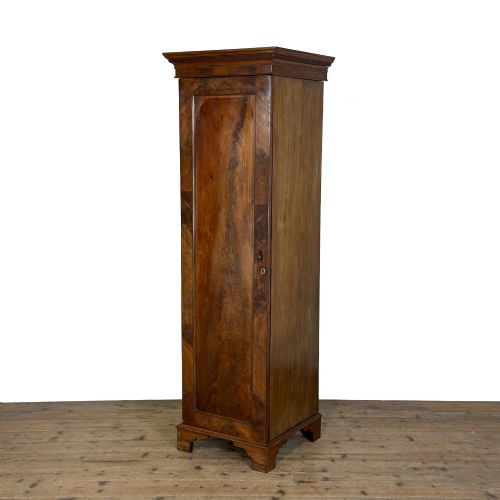
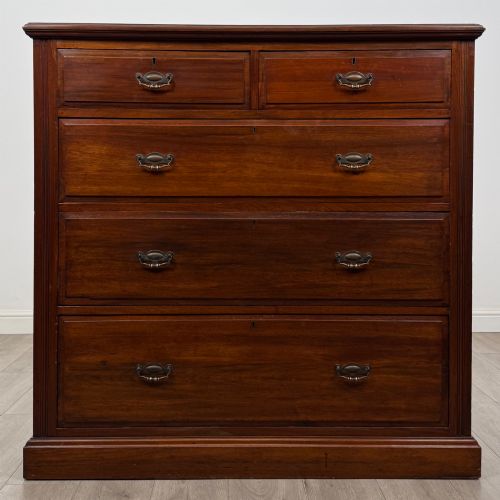
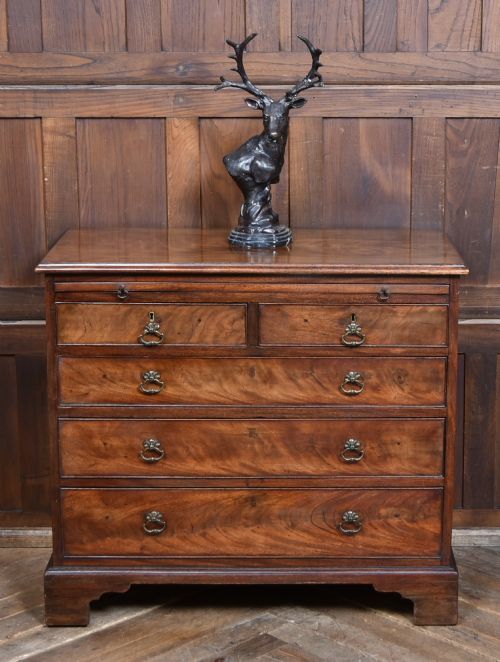
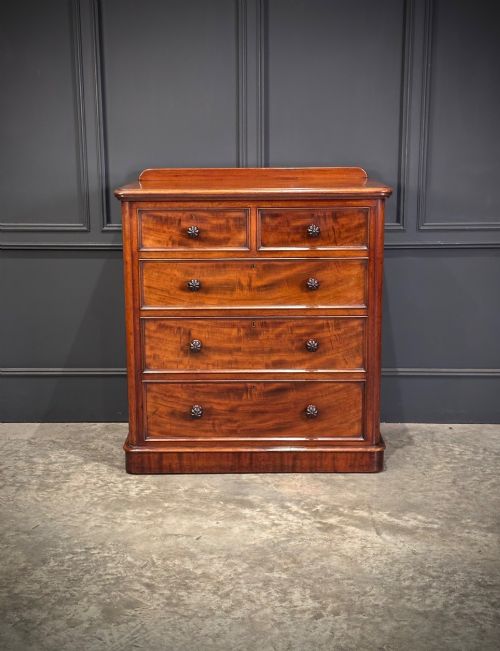
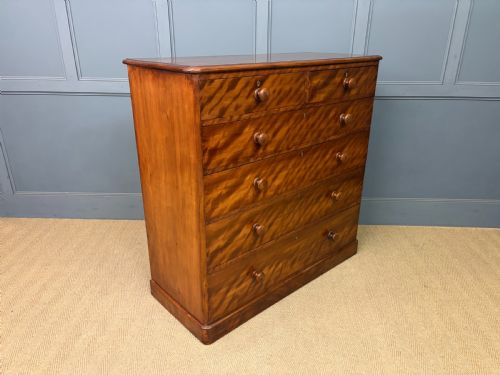
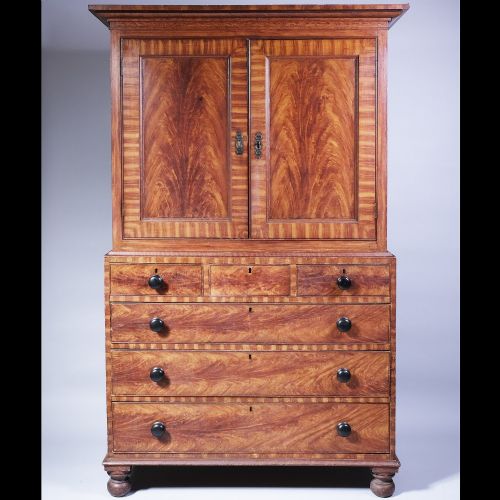
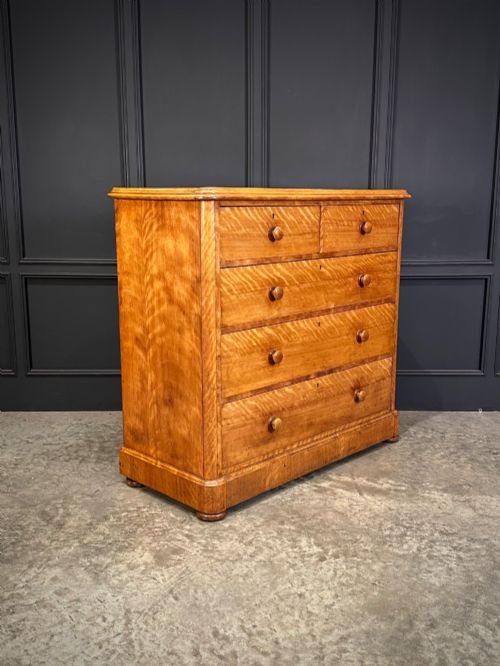
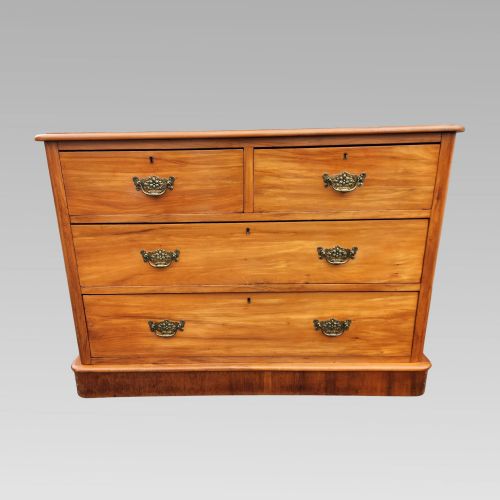
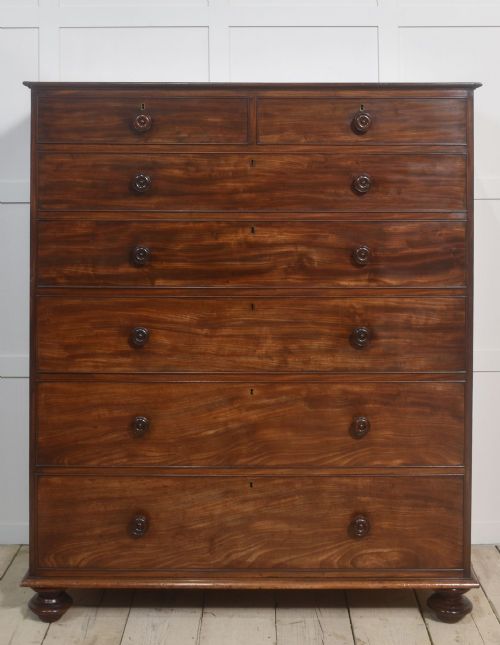
An antique timber tallboy is a stacked storage form designed to maximise vertical space without dominating a room's footprint. These pieces typically combine multiple graduated drawers, sometimes featuring linen presses or cabinet sections on upper tiers.
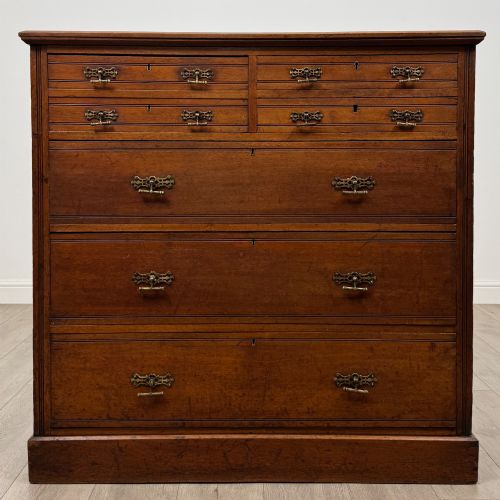
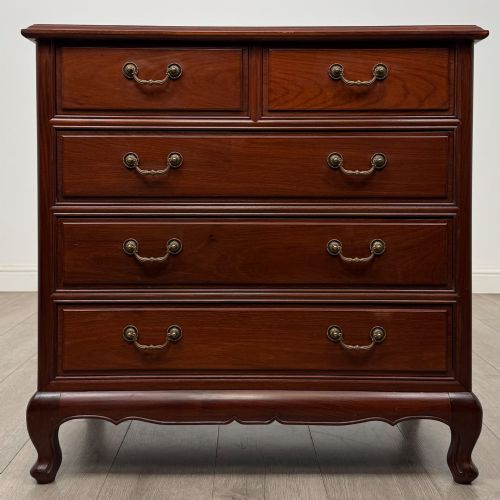
The pieces available span centuries of cabinet making, with Victorian and Edwardian examples appearing alongside Georgian and earlier styles. Mahogany remains dominant, while walnut, pine, oak and satinwood offer alternative grain patterns and tones.
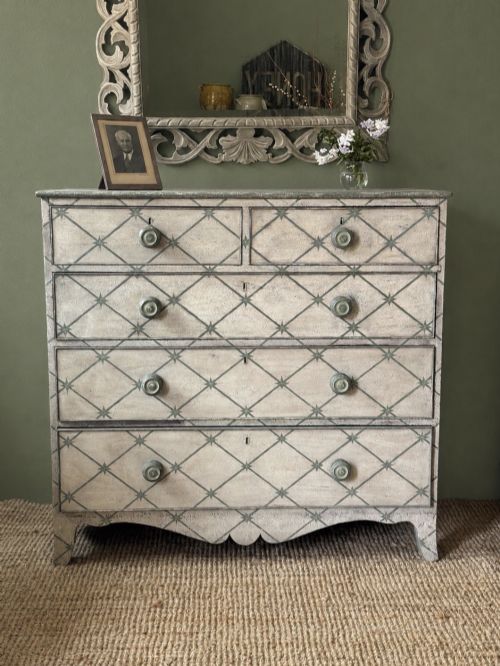
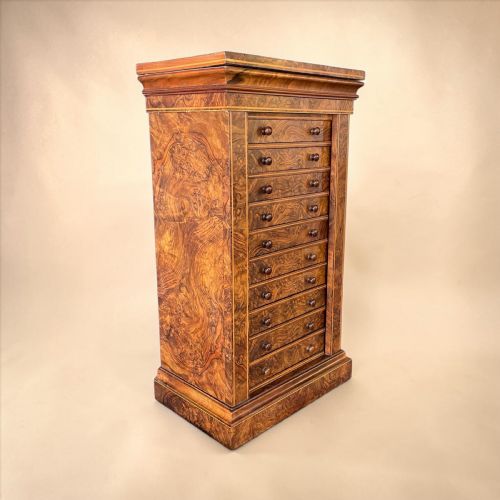
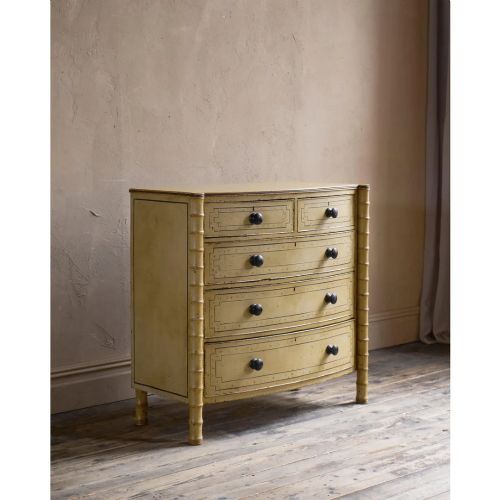
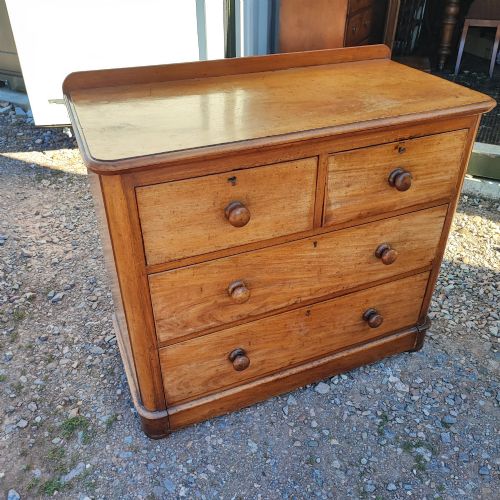
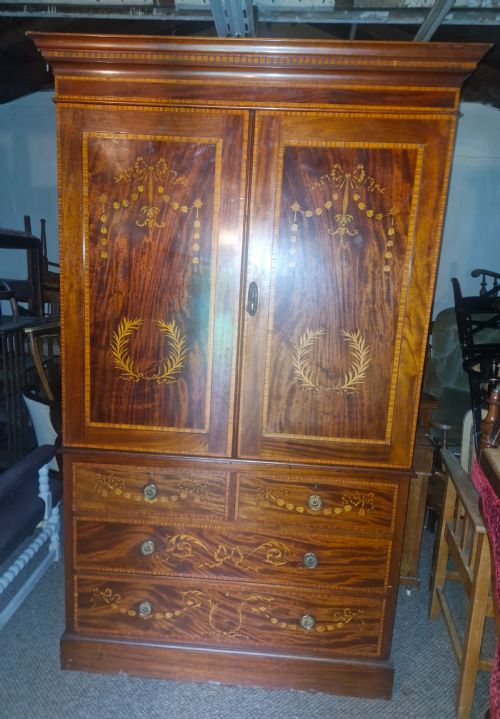
Forms range from traditional chests of drawers to Wellington chests, linen presses and cabinets on chests. Buyers encounter both polished hardwood finishes and painted country surfaces across these periods.
How they were made
Cabinet makers relied primarily on solid timbers such as mahogany, oak, walnut and pine, often enhanced by decorative veneers like burr walnut or satinwood inlay. Construction involved traditional joinery, including dovetail joints for drawer boxes and mortise and tenon frames.
Hardware details such as brass handles and escutcheons complemented the timber, whilst specialised forms utilised internal locking mechanisms like hinged fall-fronts or Wellington locking bars. Surfaces received hand-applied polish, wax, or occasionally scumble paint finishes.
Several pieces conceal secret compartments or locking bars designed to keep valuable linens away from prying household staff.
What varies in quality
Quality in these stacked storage pieces rests on the selection of timber figures and the precision of the cabinet work. Superior examples exhibit matched grain patterns across drawer fronts, tight dovetailing, and substantial timber thickness rather than thin secondary woods.
The integrity of original brass hardware, secondary timber linings, and the smoothness of drawer operation distinguish higher tier workshops. Finer pieces retain their original surface treatments, whether polished mahogany or period decorative paint.
Jas Shoolbred·Heal & Son·Druce & Co·C. Hindley
The Antique Timber Tallboy Glossary
- Tallboy
- A tall chest of drawers, often constructed in two sections with a smaller set of drawers stacked atop a larger base.
- Wellington chest
- A tall, narrow chest featuring a hinged vertical locking bar secured with a key to lock all drawers simultaneously.
- Linen press
- A tall cupboard featuring upper doors enclosing sliding trays or shelves, positioned above a chest of drawers base.
- Scumble paint
- A decorative surface technique using translucent paint glazes manipulated to imitate the grain patterns of more expensive figured woods.
- Dovetail
- A traditional interlocking joint used in drawer construction, prized for its tensile strength and resistance to being pulled apart.
Antique Timber Tallboy: Frequently Asked Questions
How do I clean an antique tallboy?
Dust the timber regularly with a soft, dry cloth to prevent particulate buildup on the polished surface.
Nourish the wood periodically with a quality beeswax, avoiding silicone-based sprays that can penetrate the historic finish.
What is the difference between a tallboy and a Wellington chest?
A tallboy typically consists of two distinct stacked sections, featuring multiple drawer tiers designed for general apparel.
A Wellington chest is generally narrower and incorporates a hinged locking stile on the side that secures all drawers with a single key.
Can I use a tallboy in a modern bedroom?
These tall storage units provide exceptional vertical capacity, making them practical for rooms with limited floor space.
The rich tones of mahogany, walnut and oak create a striking contrast against contemporary neutral interiors.
How do I identify the period of a timber tallboy?
Examine the secondary woods inside the drawer boxes and the construction methods used for the dovetails.
Hardware styles, timber selection, and decorative elements like inlay or paint finishes provide clear indicators of Georgian, Victorian, or Edwardian manufacture.