


Antique Timber Sculpture
Antique timber sculpture brings warmth and narrative to a room through carved walnut, oak, and fruitwood shaped by makers across centuries.
Antique Timber Sculpture
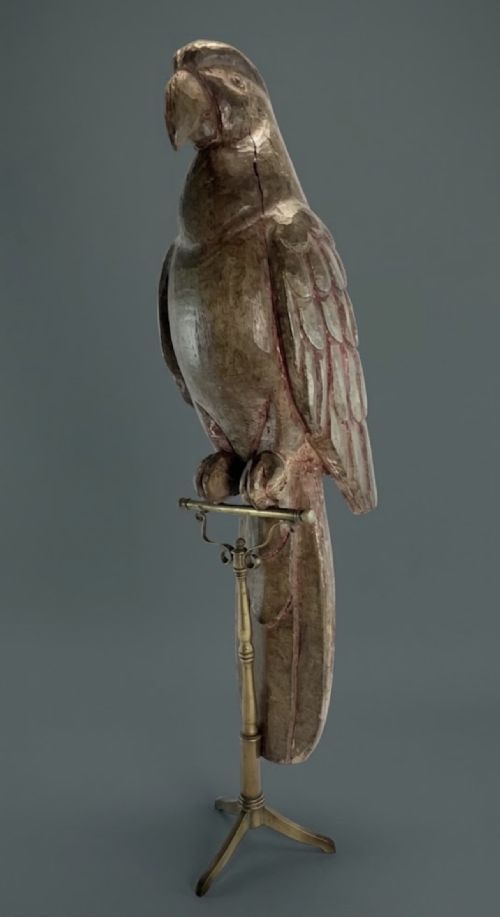
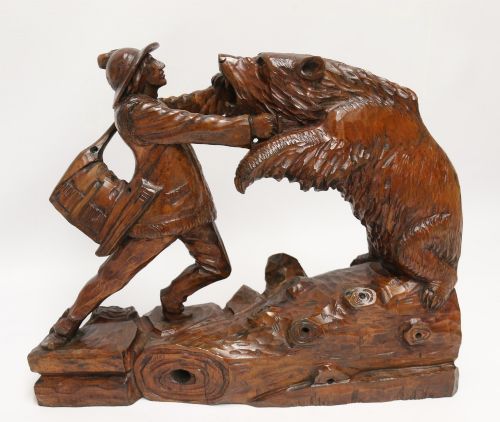
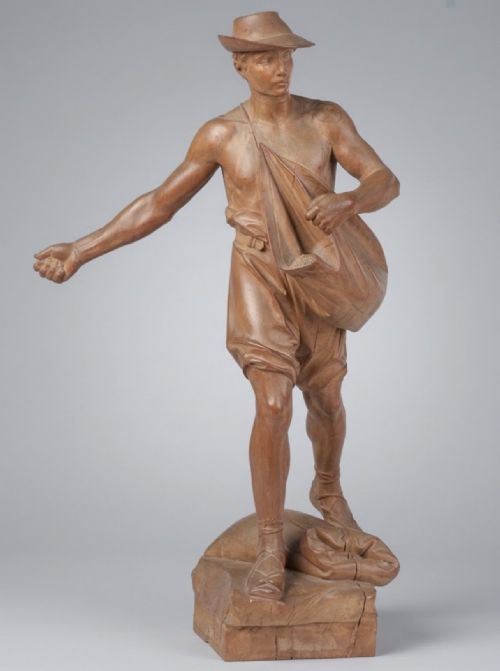
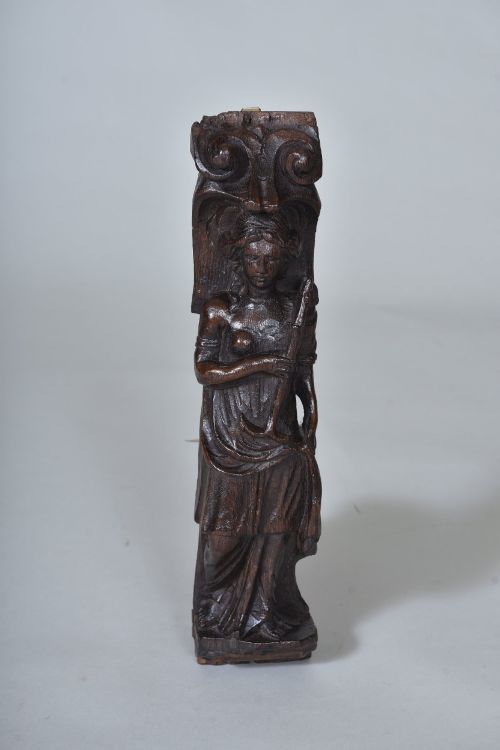
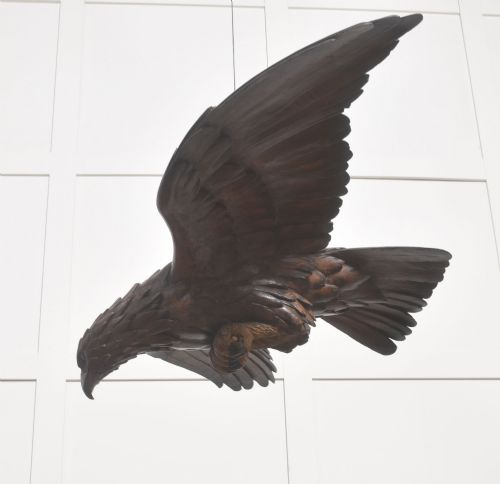
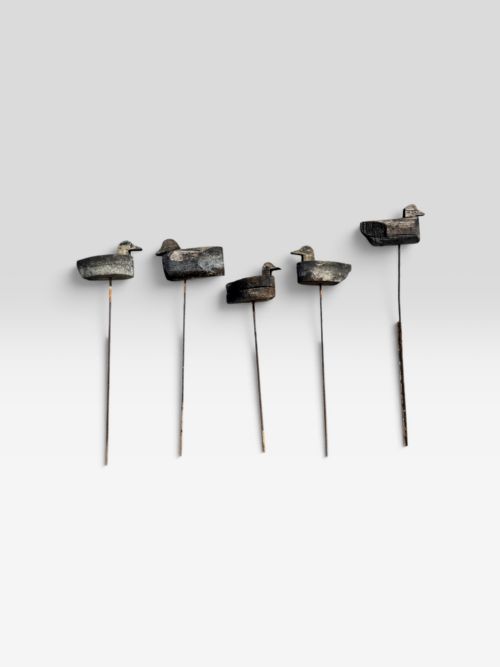
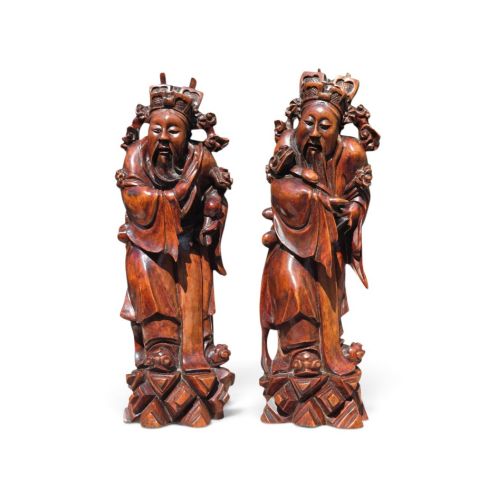
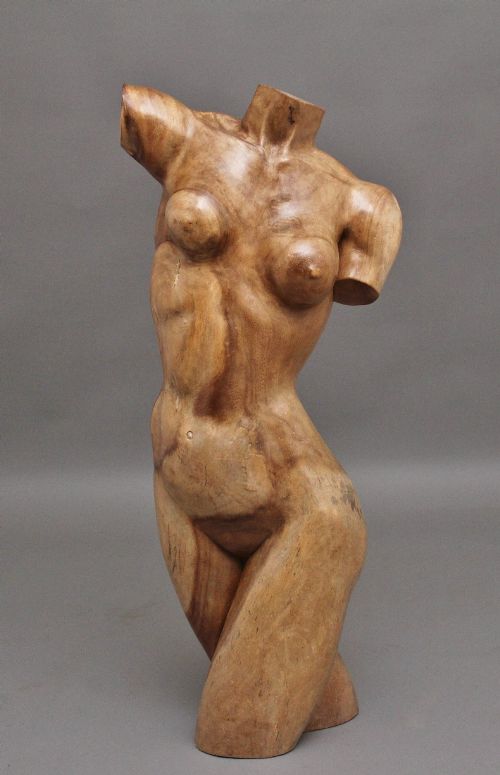
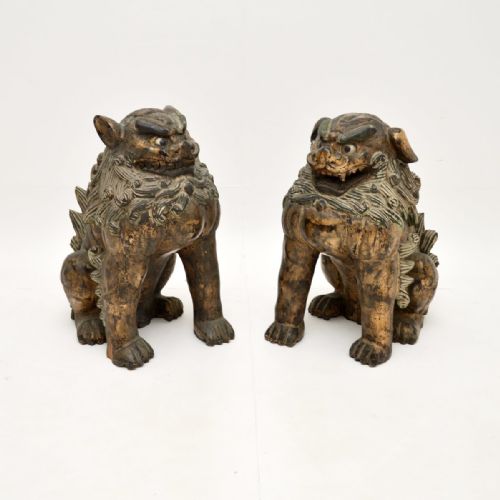
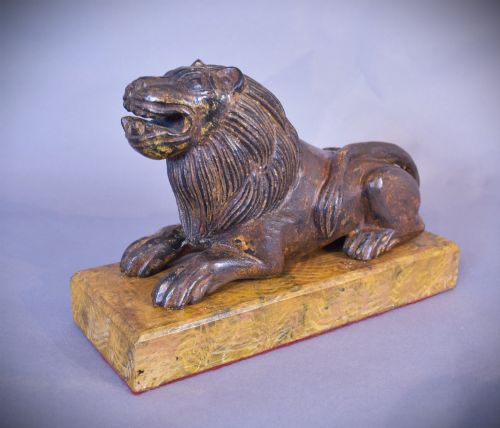
When you search for antique timber sculpture, you meet carved figures, animals, panels, and reliefs shaped from woods such as oak, walnut, and fruitwood. These pieces range from seventeenth-century architectural panels and religious figures to nineteenth-century Black Forest animals and folk art decoys.
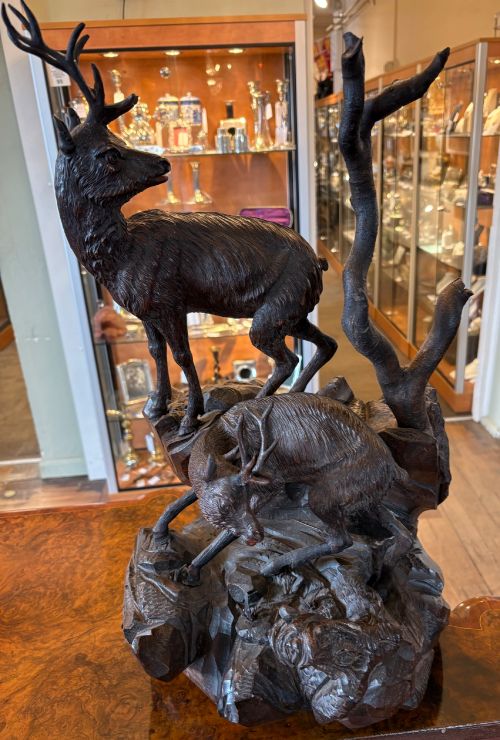
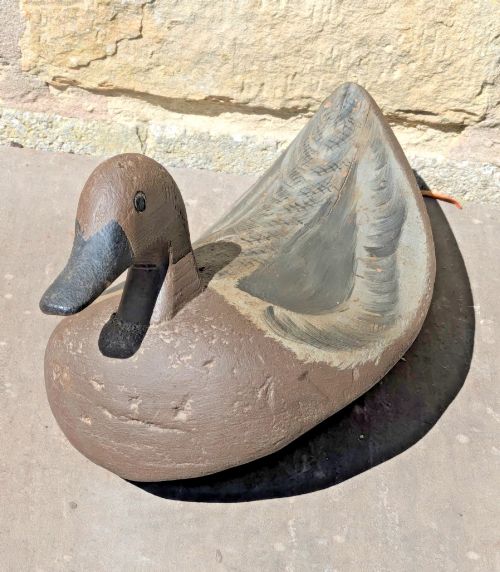
You are most likely to encounter nineteenth-century Black Forest studies of wildlife, European decoy ducks, and Asian hardwood figures on this page. These diverse objects span regional folk traditions and formal ecclesiastical carving.
The materials reflect local woodlands and imported hardwoods, carved by hand with chisels and gouges. Each piece bears the distinct tool marks and patination of its origin, whether from an English workshop, a Swiss chalet, or an East Asian temple.
How they were made
Carvers shaped these works using native timbers like oak, walnut, limewood, and fruitwood, alongside dense Asian hardwoods. Artisans selected timber for its grain and density, allowing for either robust architectural reliefs or delicate animal studies.
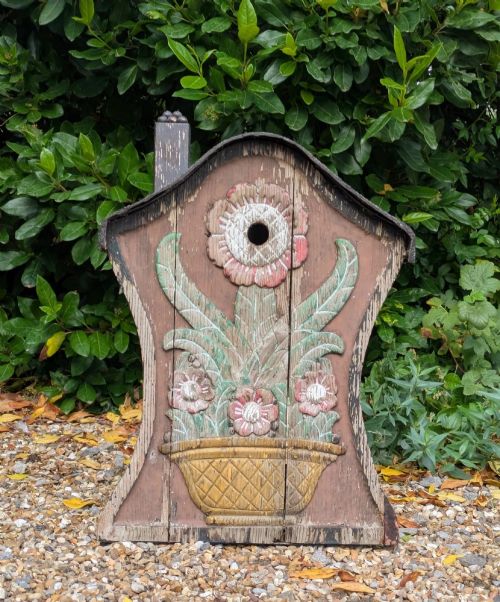
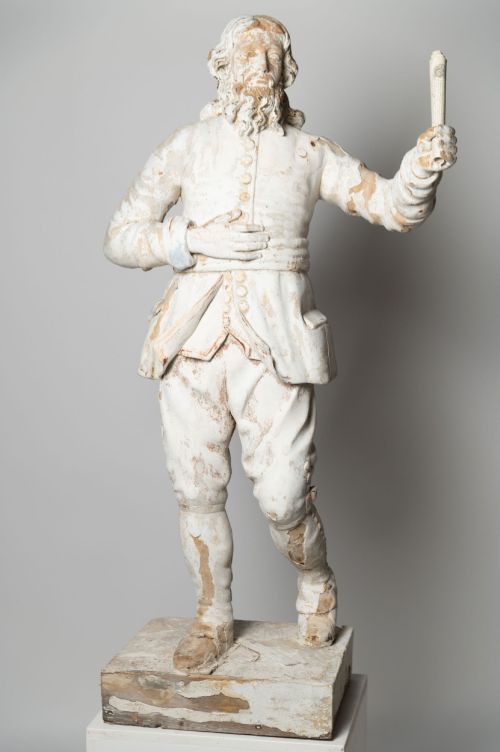
Many figures received layers of paint, polychrome, or giltwood finishes to enhance their visual depth and protect the wood. Surface treatments often aged alongside the timber, creating a layered patina developed through handling and time.
Materials recorded across the inventory include carved oak, walnut, fruitwood, polychrome paint, and iron.
What varies in quality
The distinction between ordinary and exceptional carving lies in the precision of the anatomy and the depth of the relief. Master carvers captured musculature, drapery, and expression with fluid confidence, whereas lesser pieces remain stiff and formulaic.
Original surfaces and untouched patination elevate a piece above examples that have undergone heavy stripping or modern re-polishing. The preservation of tool marks and early polychrome pigment adds historical integrity to the sculpture.
Jules Buste Labatut·G J Lines·Valentino Besarel
The Antique Timber Sculpture Glossary
- Black Forest
- A nineteenth-century Swiss and German style of wood carving focused on wildlife and rustic subjects. These sculptures typically utilise limewood or walnut with deep, dark finishes.
- Polychrome
- A surface decoration applied to wood using multiple colours of paint. This technique appears frequently on religious figures and folk art panels.
- Decoy
- A carved and painted wooden bird or animal utilised historically to attract wildlife. Makers shaped these objects with simplified, functional forms.
- Relief
- A sculptural technique where figures project from a flat background panel. This method is common in architectural woodwork and decorative plaques.
- Hardwood
- Dense timber derived from broad-leaved deciduous trees such as oak and walnut. Carvers relied on these strong woods for detailed figures that resisted splitting.
Antique Timber Sculpture: Frequently Asked Questions
How do I clean antique timber sculpture?
Dust surfaces gently with a soft, dry brush to remove particles without disturbing the aged patina. Avoid liquid cleaners and modern polishes that can soften historic paint or damage exposed wood.
Keep pieces away from direct sunlight and fluctuating radiator heat to prevent the timber from splitting or warping over decades.
Where were Black Forest carvings made?
These sculptures originated primarily in the mountainous regions of Switzerland and Germany during the nineteenth century. Local workshops produced bears, deer, and rustic furniture for travellers and international markets.
The carvers utilised regional limewood and walnut, employing specialised gouges to render realistic fur and textured woodland settings.
What is a decoy used for?
Decoys served as functional working tools for hunters aiming to attract ducks, pigeons, and shorebirds to open water or fields. Makers painted the wooden bodies with naturalistic colours to deceive passing flocks.
Today these items are collected as folk art for their simplified forms and weathered surfaces.
How do I date a carved wooden panel?
Examine the rear of the panel for tool marks, construction methods, and timber shrinkage that indicate early hand-working techniques. Seventeenth-century and eighteenth-century panels often show adze marks and pegged joinery.
Compare the style of the carving, such as Baroque scrolls or Gothic motifs, with documented periods to narrow the decade of production.