
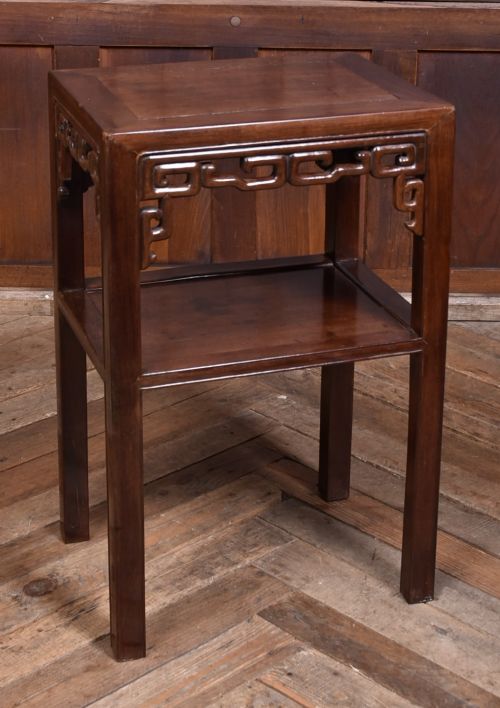
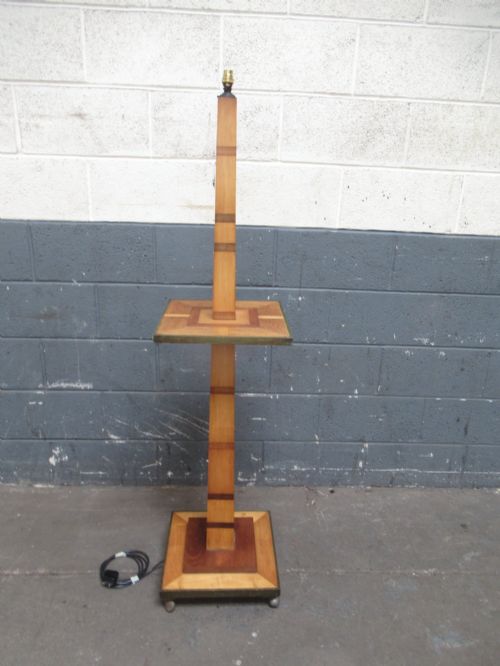
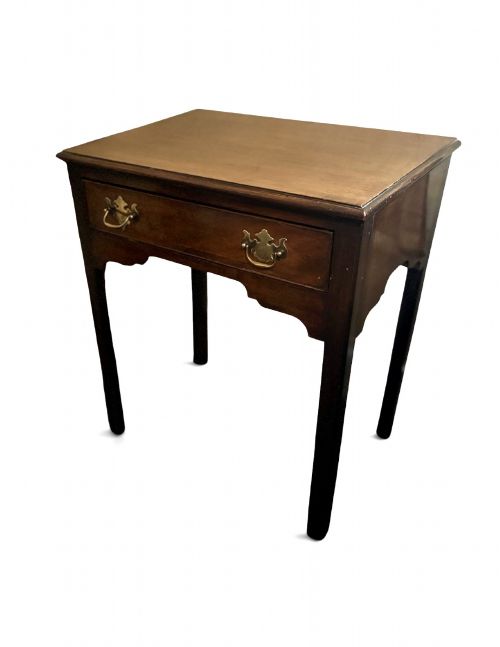
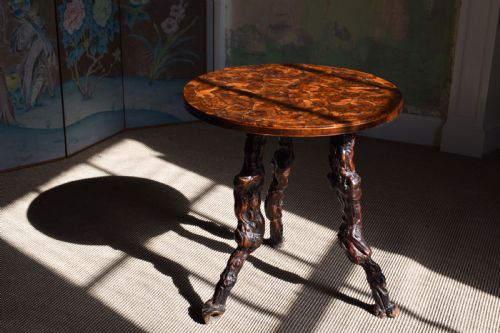
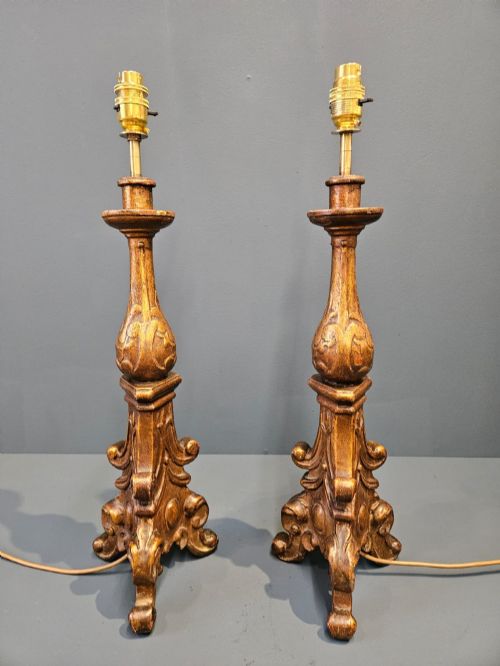
Antique Timber Lamp Table
An antique timber lamp table brings warmth and utility to a room, offering a solid surface for illumination and a distinct period character.

Antique Timber Lamp Table
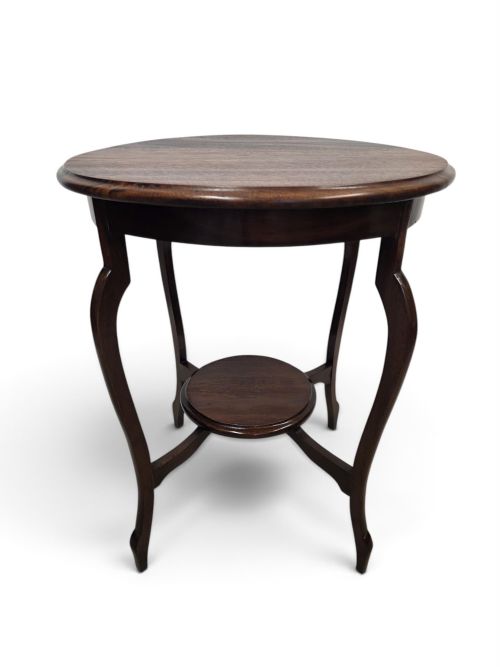
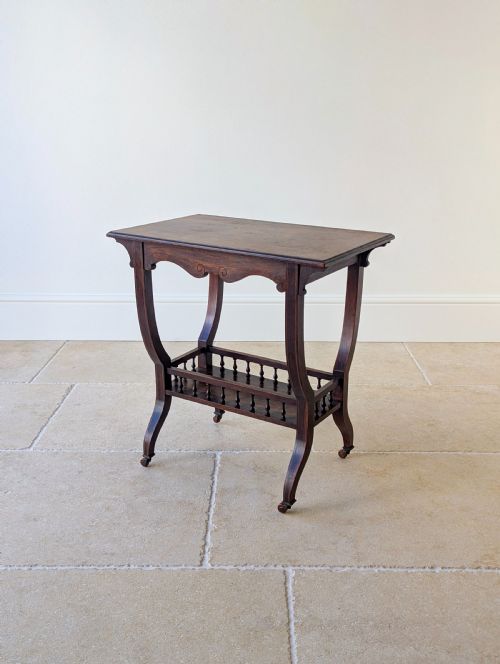
An antique timber lamp table encompasses compact side surfaces, wine tables, and occasional tables designed to hold lighting or sit beside seating. You will frequently encounter mahogany, oak, and walnut examples spanning the eighteenth century through to the Edwardian period and the early twentieth century.
The form often overlaps with cricket tables, lowboys, and small occasional pieces adapted for domestic use. Makers historically produced these tables in regional English styles, French provincial designs, and wider international workshops using native and exotic woods.
How they were made
Cabinetmakers utilised solid timbers such as oak, elm, fruitwood, and mahogany, frequently applying veneers of walnut or satin walnut to tabletops. Construction methods involved traditional joinery, turned supports, tripod bases, and carved details executed by hand.
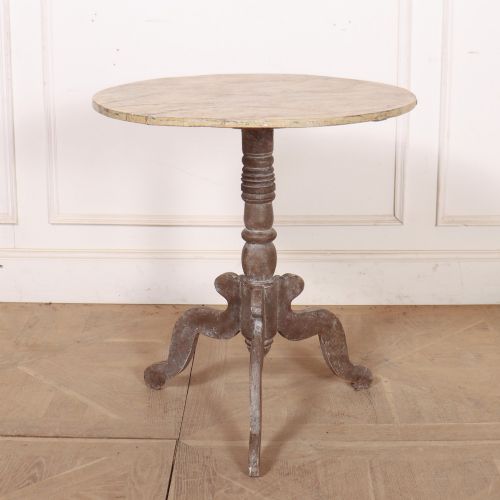
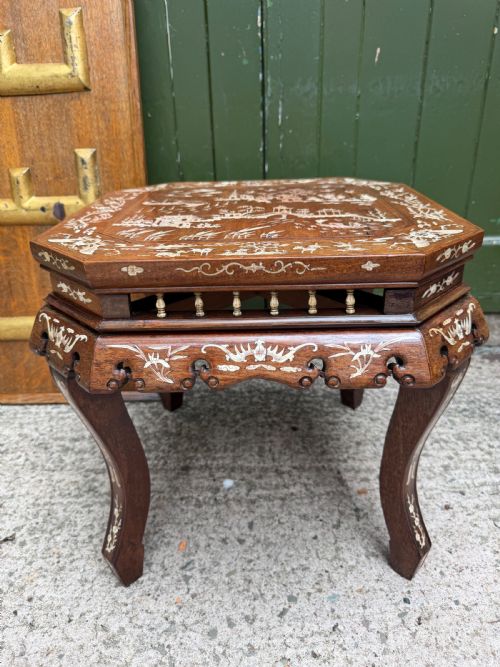
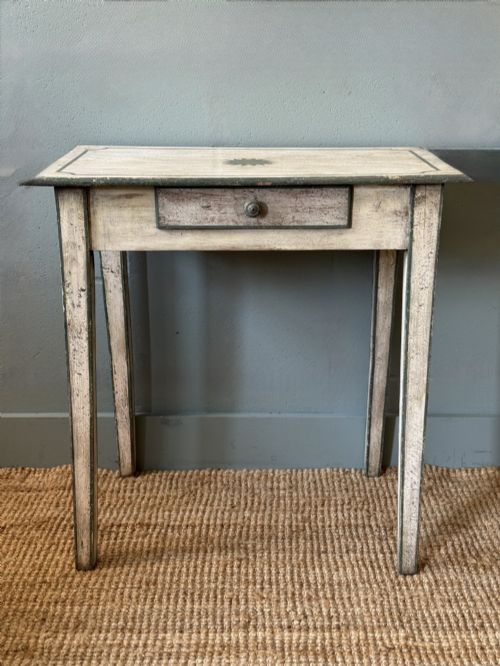
Surfaces received finishes ranging from polished wax to painted treatments, liming, and inlaid decoration. Specimen wood tops and carved elements demonstrate the varied technical competence of period workshops.
What varies in quality
The distinction between ordinary and superior pieces rests upon the selection of timber and the crispness of the hand-carving or inlay. Figured grain, dense hardwoods like lignum vitae, and balanced proportions elevate certain tables above standard utilitarian pieces.
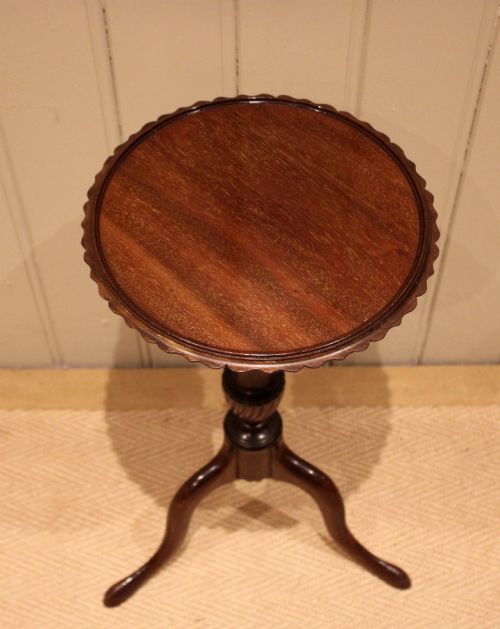
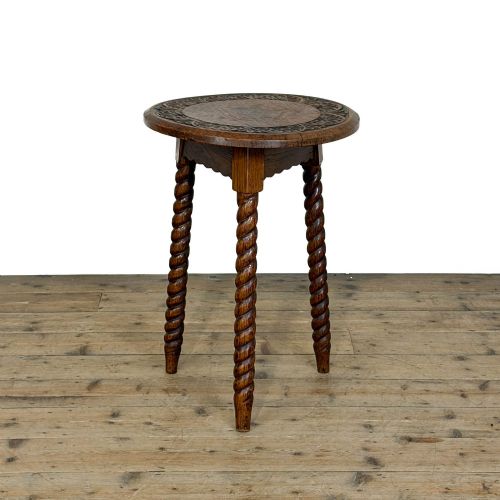
Originality of surface and structural integrity dictate the standing of a table. Subtle details such as pie crust edges, well-turned barley twist legs, and refined proportions separate fine cabinet work from simpler vernacular items.
Liberty of London
The Antique Timber Lamp Table Glossary
- Cricket table
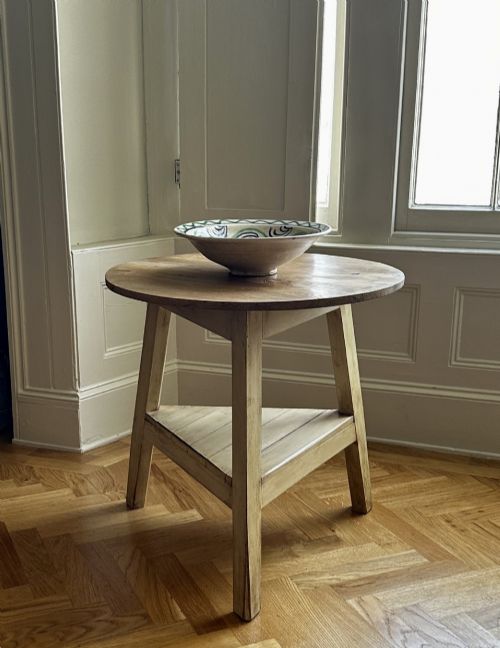
- A small three-legged table with a round wooden top, traditionally braced with low stretchers. These sturdy pieces originated as vernacular furniture in English farmhouses.
- Tilt top
- A tabletop hinged to a pillar and tripod base so it can tilt vertically when not in use. This clever mechanism saved valuable floor space in smaller period rooms.
- Lowboy
- A small low dressing table or side table featuring drawers beneath the surface. Georgian examples typically display elegant cabriole or straight legs.
- Pie crust
- A raised, carved tabletop edge shaped to resemble pastry crimping. This decorative border is frequently found on fine mahogany and walnut wine tables.
- Specimen wood
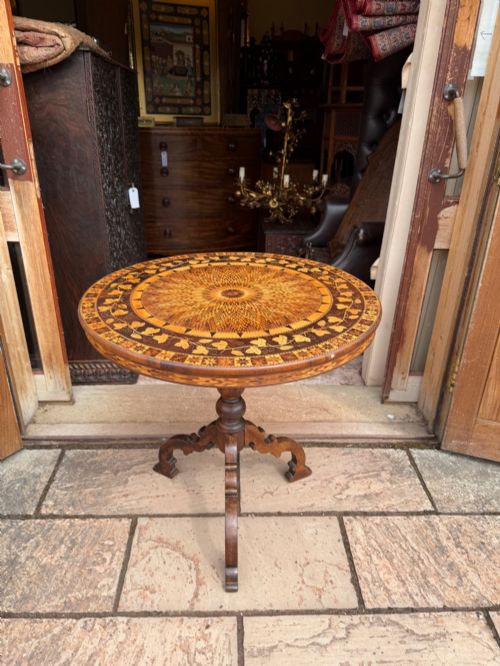
- Furniture constructed from a mosaic of various contrasting timber species, often arranged in geometric sunburst patterns. These decorative surfaces showcase the maker's skill in wood selection.
Antique Timber Lamp Table: Frequently Asked Questions
What is a lamp table used for?
These compact tables provide a stable surface for holding table lamps, candlesticks, and small decorative objects next to seating areas.
They also function as wine tables or occasional surfaces in sitting rooms and hallways where space is at a premium.
How do I date an antique timber table?
Dating relies on identifying timber species, construction methods, tool marks, and stylistic characteristics associated with specific periods like the Georgian or Edwardian eras.
Secondary woods used in the interior structure and the ageing of the finish offer further clues to the decade of manufacture.
Are cricket tables stable on uneven floors?
Three-legged cricket tables naturally rest firmly on uneven floors without rocking, a practical design feature rooted in their early vernacular origins.
This makes them versatile pieces for placing on older timber floorboards in period homes.
How do I care for antique timber surfaces?
Maintenance involves applying a quality bees-wax periodically to nourish the wood and protect the aged finish from drying out.
Keep these tables away from direct heat sources and strong sunlight to prevent timber splitting and fading of the polish.