
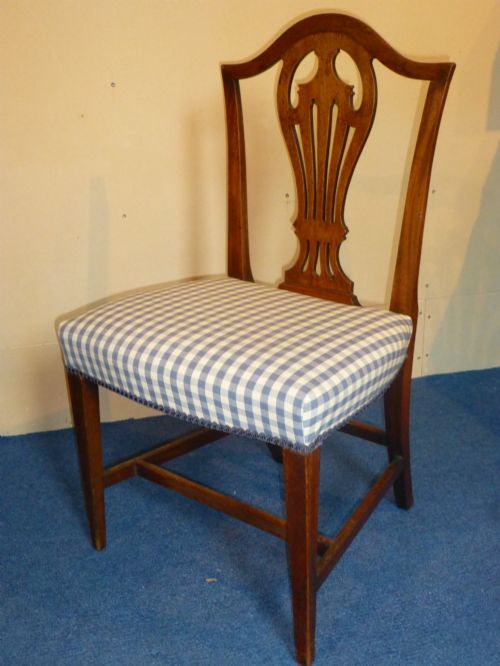
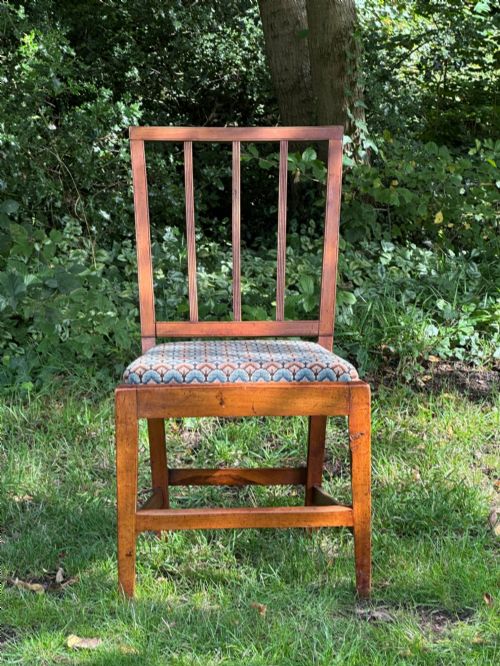
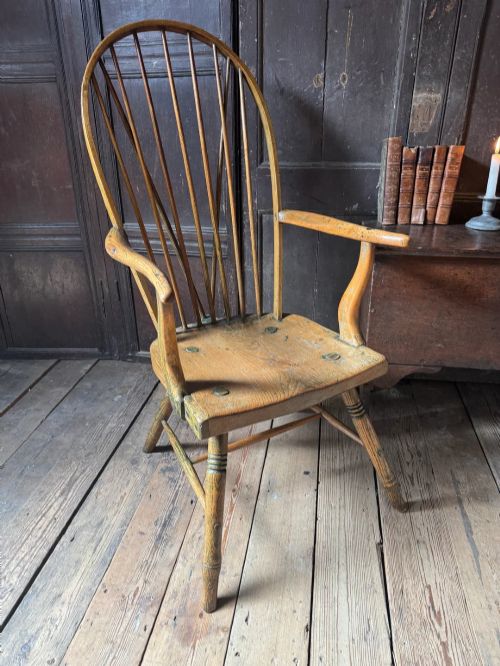
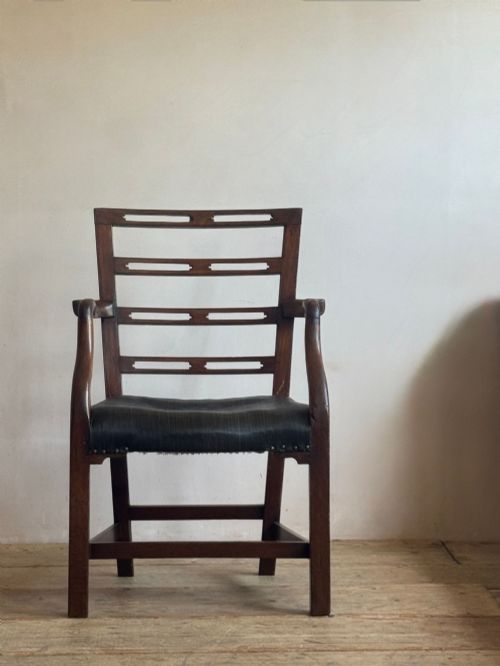
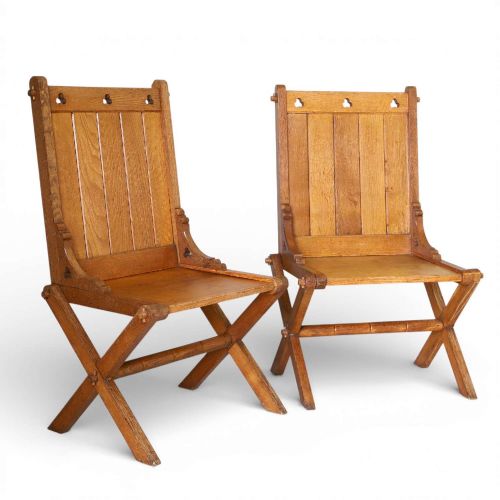
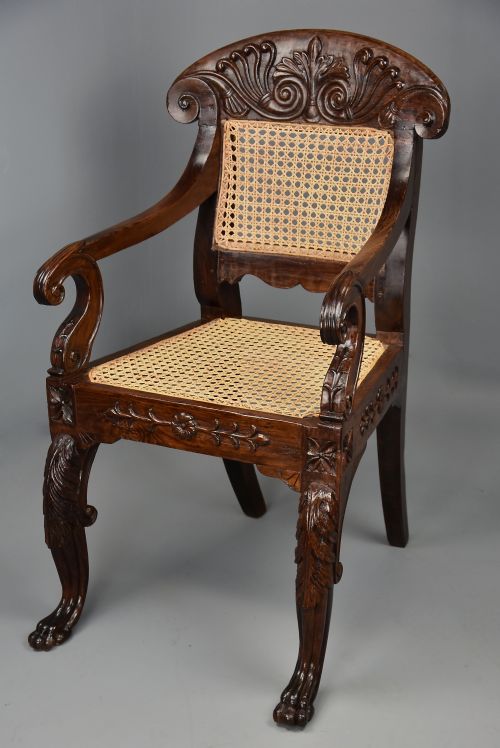
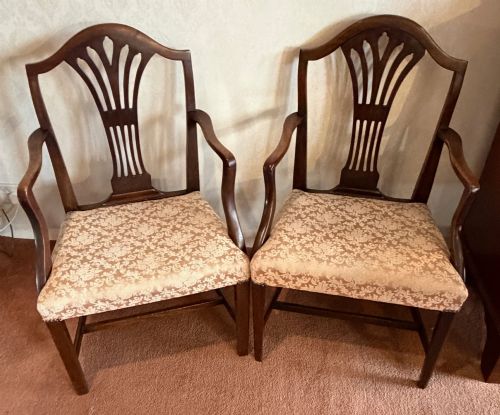

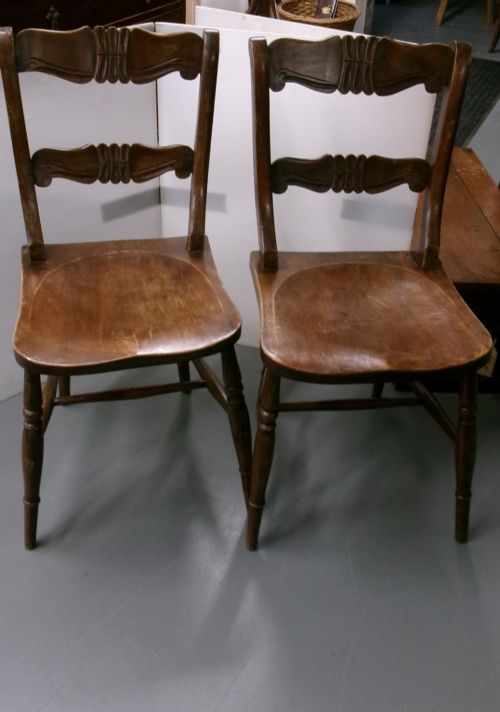


Antique Timber Desk Chair
An antique timber desk chair brings working heritage straight into a study, offering sturdy joinery and honest materials shaped by generations of daily use.
Antique Timber Desk Chair
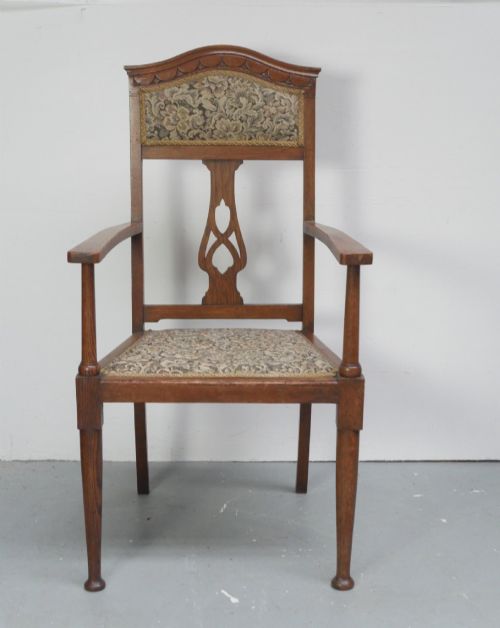
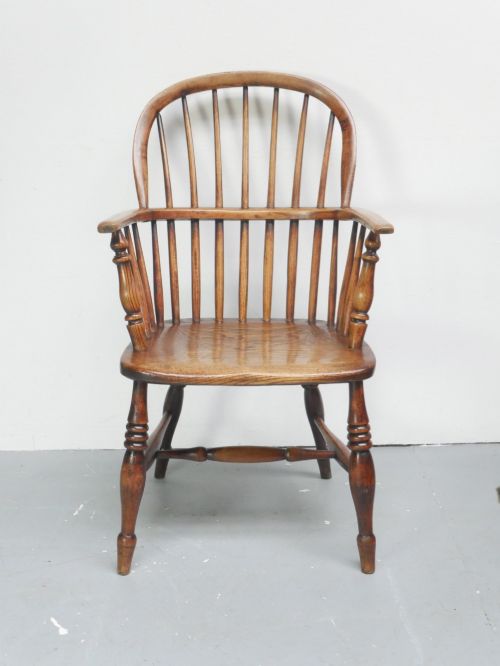
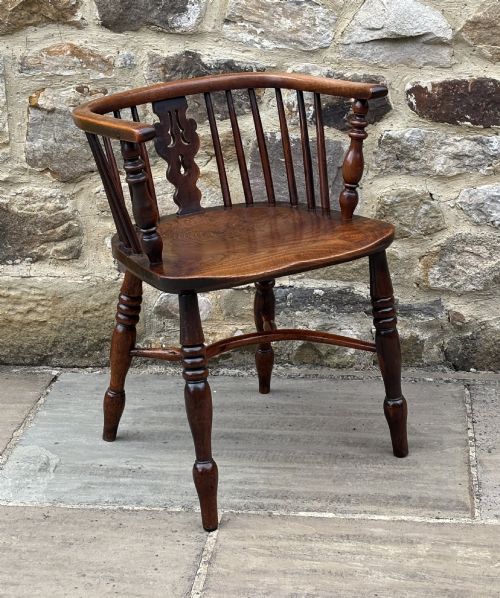
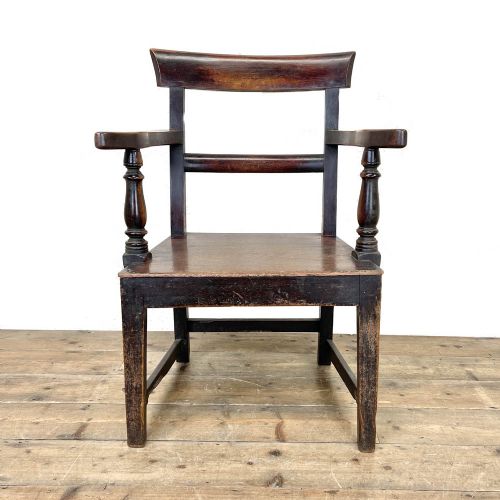
An antique timber desk chair covers a diverse selection of seating designed for workspaces, ranging from sturdy Windsor forms to refined mahogany armchairs and revolving designs. Buyers browsing this selection encounter pieces built across multiple centuries, including Georgian, Victorian, and Edwardian periods.
The inventory on this page spans regional country workshops and formal urban cabinet makers, utilising local hardwoods like elm, ash, and oak alongside imported mahogany and rosewood. Formations vary from high hoop-back armchairs to simpler side chairs and specific clerk's stools.
Regional pieces often display distinctive local turning and regional timber combinations, particularly in West Country or Scottish Windsor models. Buyers seeking a functional workspace seat will find examples featuring robust wooden seats, spindle backs, and occasional upholstered pads.
Construction and materials
Cabinet makers and bodgers relied upon domestic and exotic hardwoods, selecting elm and ash for flexible Windsor bow frames and dense mahogany or rosewood for formal styles. Timber selection depended directly upon the intended function, pairing resilient bendable woods for spindles with stable mahogany for carved rails.
Joinery methods combined traditional mortise and tenon joints with steam-bent components and wedge-secured legs to withstand heavy daily use. Surface finishes typically involved hand-applied wax or polish, allowing the natural grain of the timber to show through over centuries.
Early gossip chairs provided a curious perch for standing whilst whispering local news.
Assessing quality and craftsmanship
Superior examples separate themselves through the crispness of hand-carved details, the tightness of traditional joinery, and the rich patina developed on the timber surface over generations. Finer pieces maintain their original structural integrity without excessive timber replacement or loose joints.
The proportion and balance of the frame dictate the aesthetic success of the chair, distinguishing finely turned spindles and well-scalloped seats from utilitarian factory output. Subtle variations in timber selection, such as highly figured mahogany or beautifully grained yew wood, elevate the status of individual pieces.
Hille·Wheeler Of Arncroach
The Antique Timber Desk Chair Glossary
- Windsor chair
- A wooden chair featuring a solid sculpted seat into which the legs and back spindles are directly joined. These sturdy seats became staple forms in both country workshops and formal libraries.
- Padouk
- A heavy, durable tropical hardwood displaying a distinctive reddish-brown colour used in imported furniture. Cabinet makers favoured this stable timber for intricately carved regional pieces.
- Hoop-back
- A continuous curved wooden piece forming the top rail and armrests of an armchair. This strong structural arch distributes weight evenly across the back supports.
- Splat
- The central vertical slat of wood positioned in the middle of a chair back. Skilled makers shaped and pierced these panels to reflect prevailing stylistic periods.
- Turned
- Timber shaped on a lathe by rotating the piece against cutting chisels to create decorative cylindrical patterns. This technique ornamented legs, stretchers, and vertical back posts.
Antique Timber Desk Chair: Frequently Asked Questions
How do I identify a genuine period desk chair?
Examine the construction methods beneath the seat and look for hand-cut joints, timber shrinkage, and natural surface wear consistent with age. Genuine period examples display tool marks from traditional hand woodworking rather than modern machine routing.
Compare the timber species and turning patterns against known regional styles from Georgian or Victorian eras. Original patination develops over centuries and provides a reliable indicator of authentic age.
Are these chairs comfortable for daily modern work?
Many historical desk chairs were built with ergonomically shaped wooden saddle seats that offer surprising support during long working hours. Their sturdy proportions accommodate standard desk heights effectively.
Some models feature pivoting mechanisms or supportive armrests designed specifically for writing tasks. Adding a simple loose cushion can enhance comfort without altering the historic timber frame.
What woods were commonly used for these chairs?
Cabinet makers utilised native hardwoods such as oak, elm, ash, beech, and birch for regional and country seating. These domestic timbers provided the necessary strength and flexibility for steam-bending.
More formal urban pieces frequently incorporated imported mahogany, rosewood, and satinwood. Each timber type imparts a distinct weight, colouration, and grain pattern to the finished seat.
How should I care for an antique timber chair?
Maintain the timber by applying a quality beeswax polish sparingly and buffing it gently with a soft cloth to nourish the grain. Avoid placing the chair near direct heat sources or rapid temperature fluctuations to prevent wood splitting.
Check the joints periodically to ensure dowels and wedges remain secure during daily use. Regular gentle cleaning preserves the historic polish and accumulated patina.