


Antique Timber Columns
Antique timber columns bring architectural weight and rich grain into a room, offering functional support or sculptural display.
Antique Timber Columns
When you search for antique timber columns, you encounter a variety of architectural salvage, display pedestals, and repurposed structural elements. These pieces originate primarily from the nineteenth and early twentieth centuries, spanning Victorian, Georgian, Regency, and Art Deco styles.
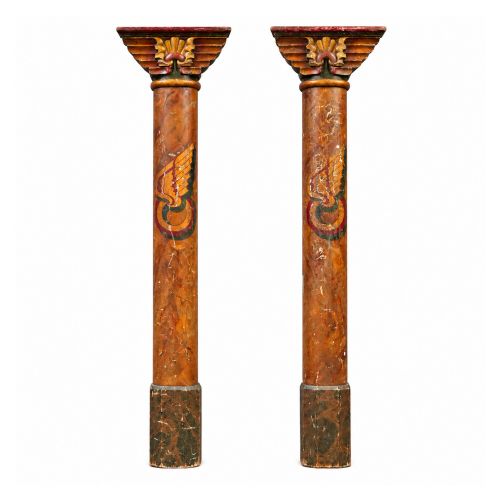
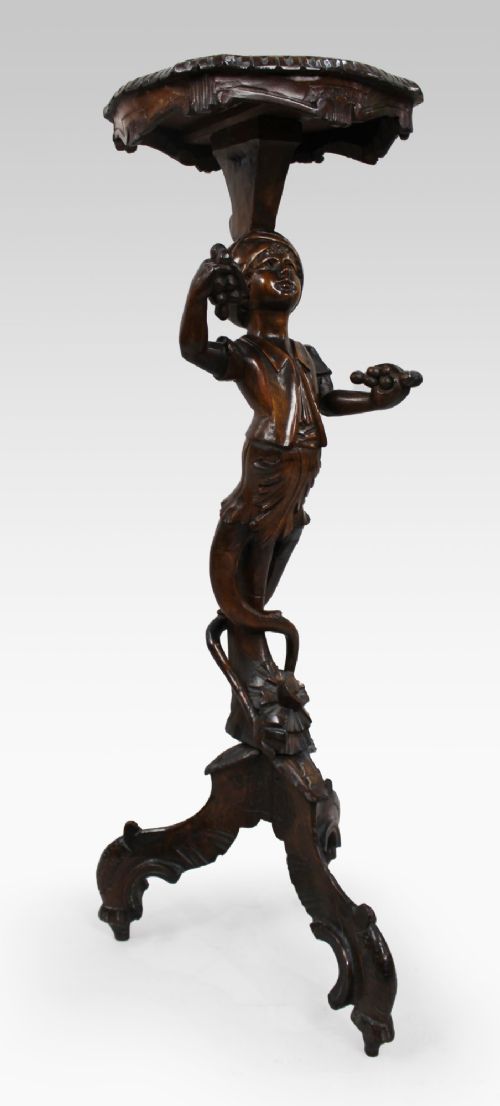
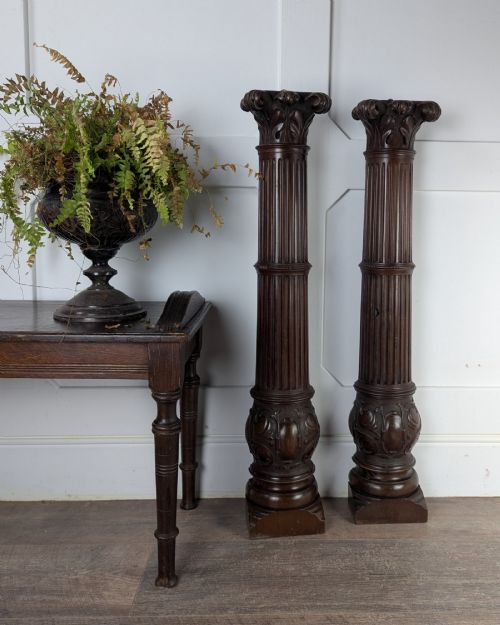
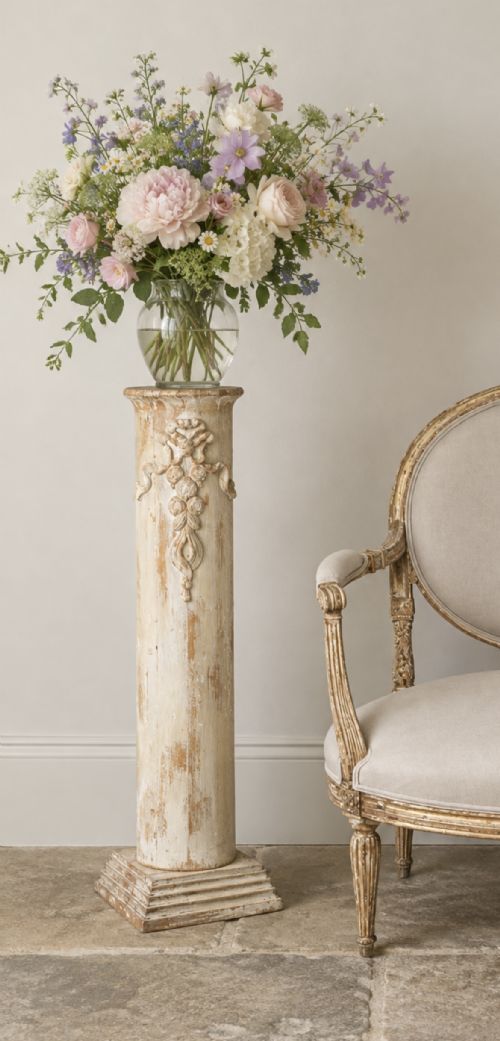
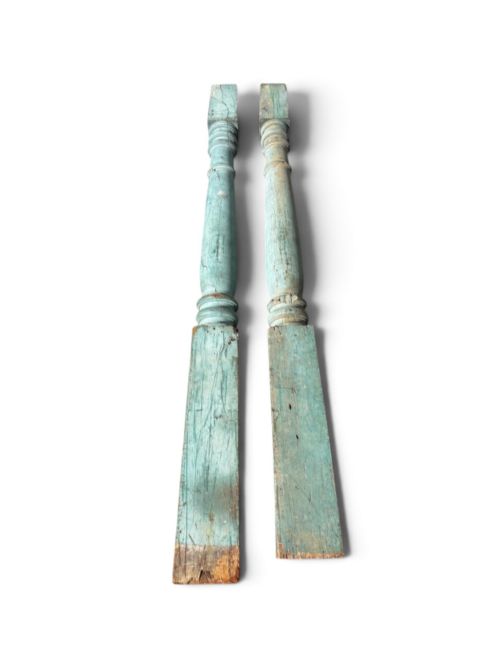
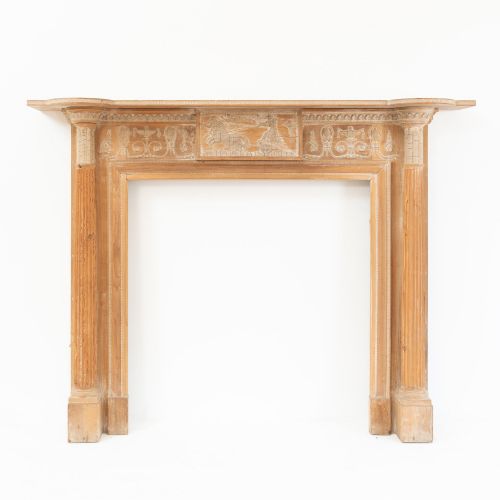
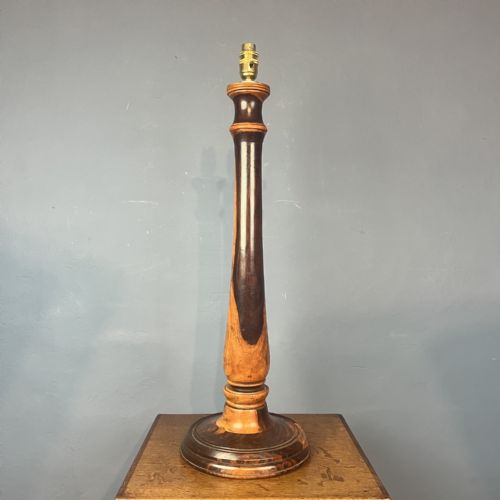
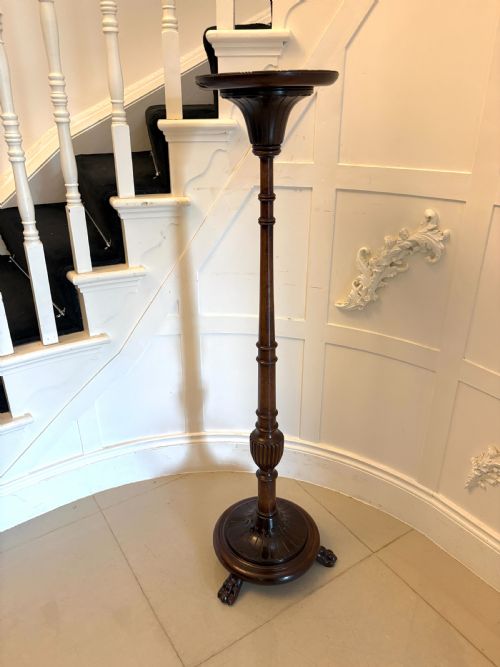
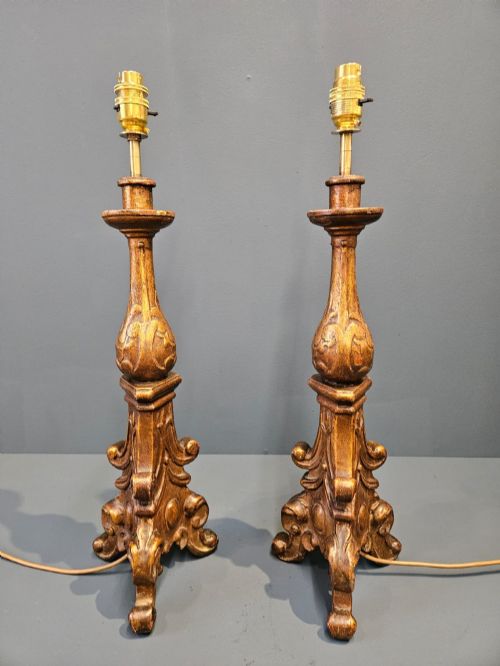
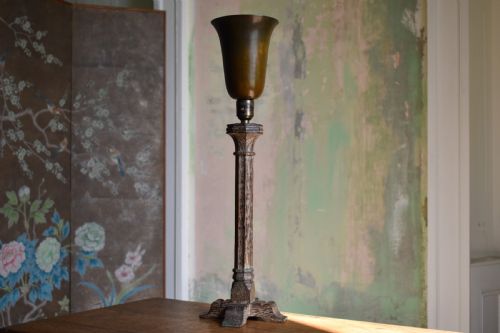
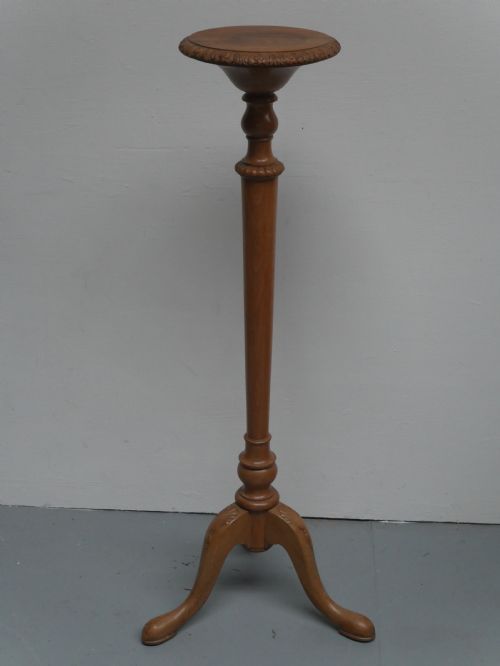
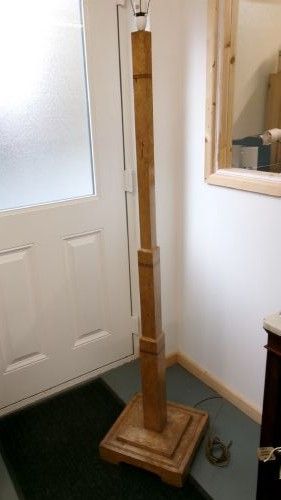
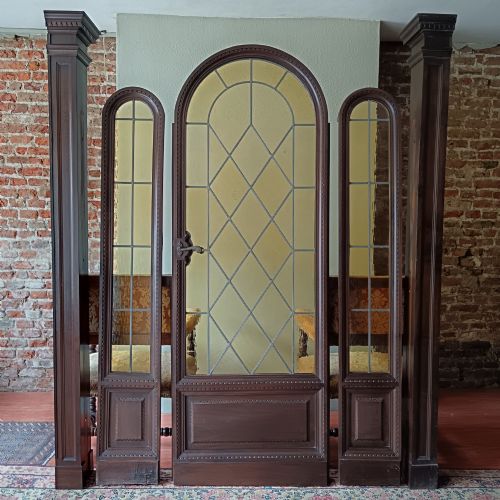
The selection ranges from pairs of carved mahogany reeded Corinthian half columns and pine fireplace surrounds to painted turned wooden pillars and fairground carousel pieces. Many function as torchere plant stands, sculpture pedestals, or converted lamp standards.
Origins vary across English, Swedish, and Italian traditions, utilising both softwood and dense hardwoods. You find singular decorative pillars alongside matched pairs intended for symmetry in a hallway or drawing room.
Materials and construction methods
Makers utilised a diverse palette of timbers, including mahogany, walnut, oak, pine, hardwood, padouk, and cedar, often shaping them on a lathe or carving them by hand. Carved capitals frequently feature classical orders such as Corinthian and Ionic details.
Surface treatments vary from polished wood and limed oak to painted finishes, faux marble effects, and gilt highlights. Some items incorporate secondary materials like brass mounts, stone bases, and marble inserts to enhance stability and visual contrast.
Listings feature woods ranging from dense mahogany and walnut to pine and limed oak, spanning the Victorian and Art Deco eras.
Factors that distinguish quality
Depth and precision of hand carving set exceptional pieces apart, particularly in the execution of acanthus leaves on capitals and reeded shafts. Crisp detailing indicates skilled craftsmanship rather than mass production.
The choice and figuring of the timber dictate visual impact, with dense hardwoods and well-matched grain patterns showing superior selection. Original surface treatments, such as untouched paint or patinated polish, preserve historical integrity better than modern interventions.
The Antique Timber Columns Glossary
- Torchere
- A tall stand designed to hold a light or a decorative object, often featuring a slender column and a stable base.
- Capital
- The uppermost member of a column, frequently carved with classical foliage or volutes in the Corinthian or Ionic style.
- Reeded
- Decorated with parallel convex mouldings that run vertically along the shaft of a column or pedestal.
- Architectural salvage
- Elements rescued from buildings slated for demolition, providing authentic period character for interior placement.
- Faux marble
- A painted surface finish designed to imitate the veining and coloration of natural stone.
Antique Timber Columns: Frequently Asked Questions
How were antique columns used?
Historically, columns served both structural and decorative roles in grand interiors, supporting architectural loads or framing doorways and fireplaces.
In domestic settings, many were adapted as pedestals for sculptures, lamps, or plant stands to elevate displays.
Are columns sold as pairs?
Many architectural elements and floor stands survive as matched pairs, particularly those intended to flank a doorway, mirror, or fireplace surround.
Singular columns also appear frequently, often functioning independently as sculptural display pedestals or table lamps.
How do I date a timber column?
Dating relies on identifying the prevailing style, such as Georgian, Victorian, or Art Deco, alongside the tooling marks left on the wood.
The choice of timber and the nature of any painted or polished surface finish also provide strong chronological indicators.
Can columns support heavy weights?
Solid hardwood examples and architectural salvage pieces possess substantial load-bearing capacity when installed correctly.
Lighter display pedestals and decorative lamp standards are engineered primarily for visual balance rather than heavy structural support.