

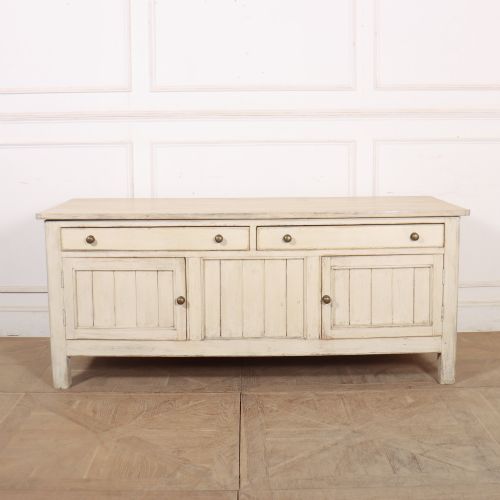

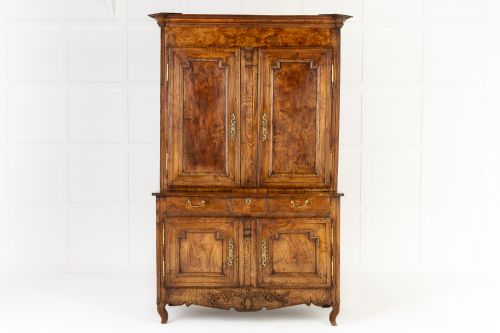
Antique Timber Buffet
An antique timber buffet is a substantial storage piece for dining rooms, built from fine woods to hold tableware and food.
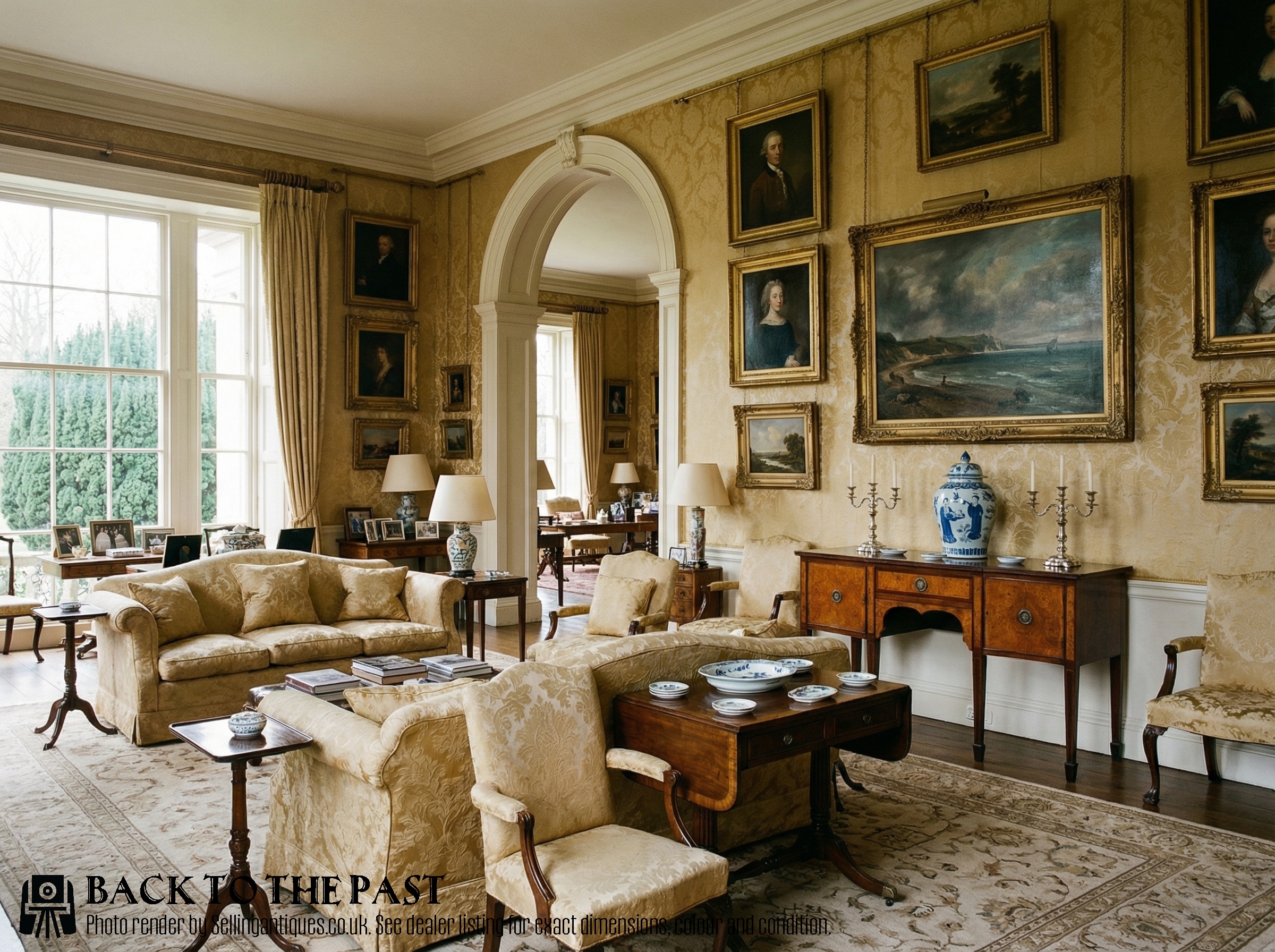
Antique Timber Buffet
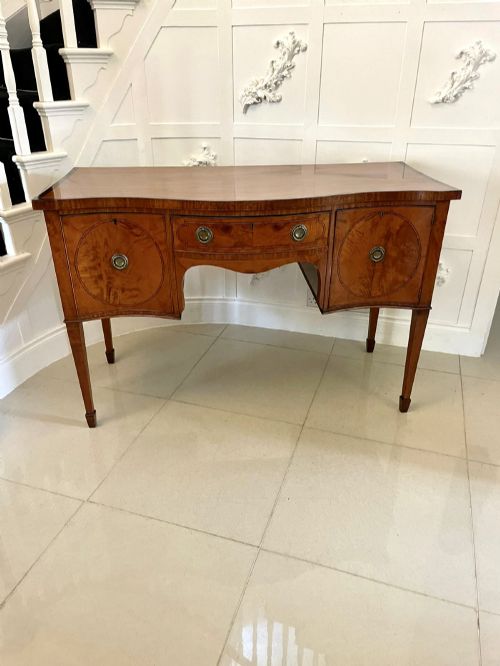
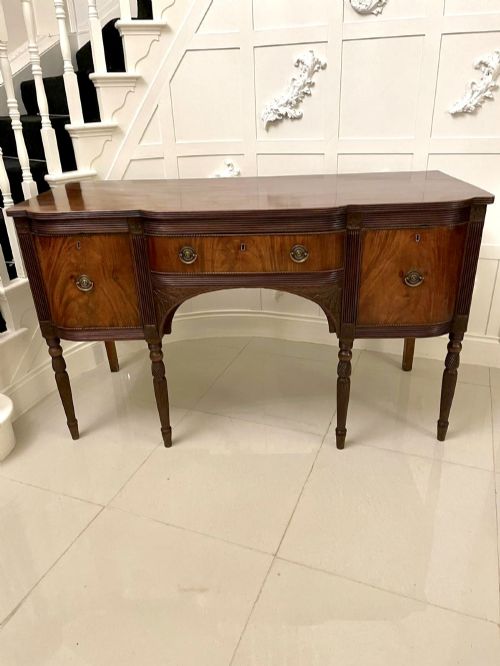
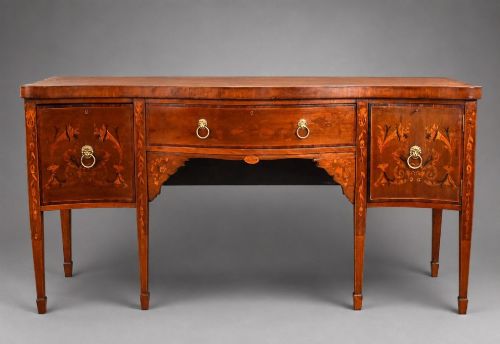
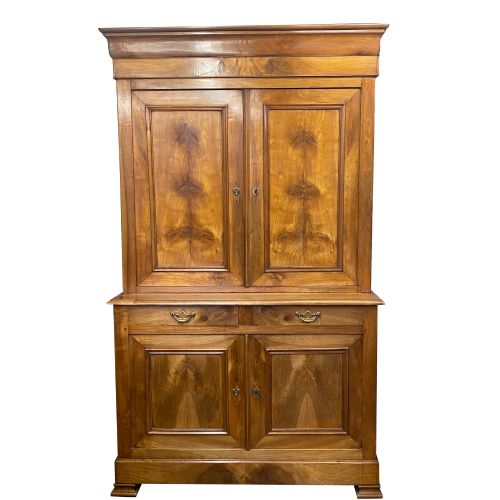
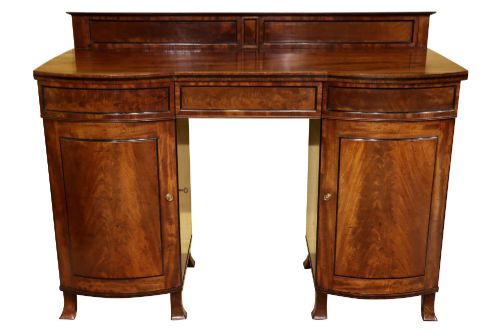
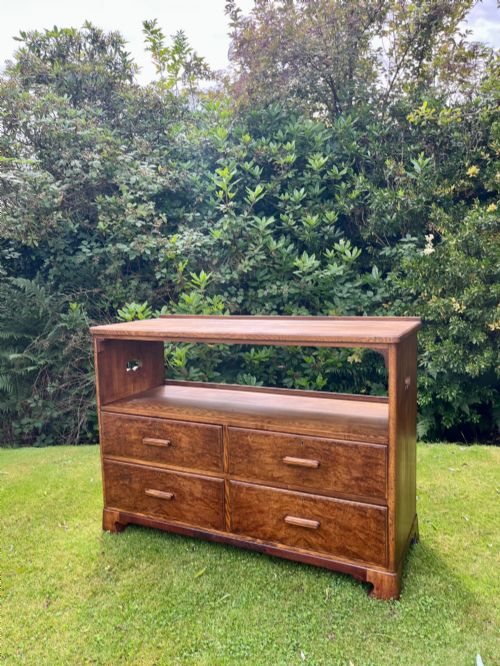
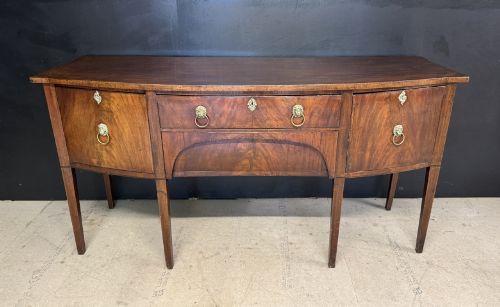
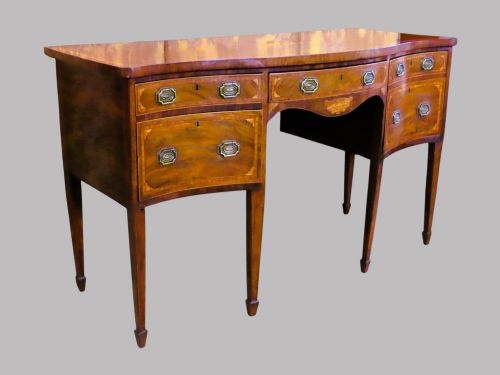
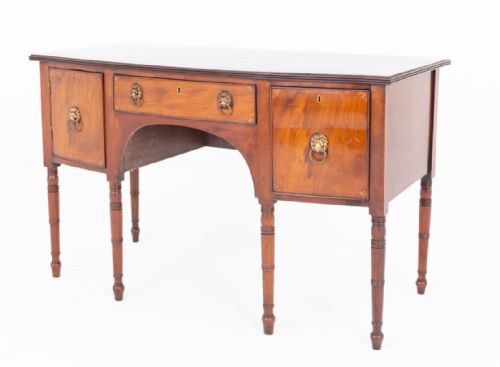
An antique timber buffet encompasses various serving tables, sideboards, cupboards and enfilades designed for practical dining room service and storage. These pieces emerge from centuries of domestic life, spanning Georgian, Victorian and continental European workshops.
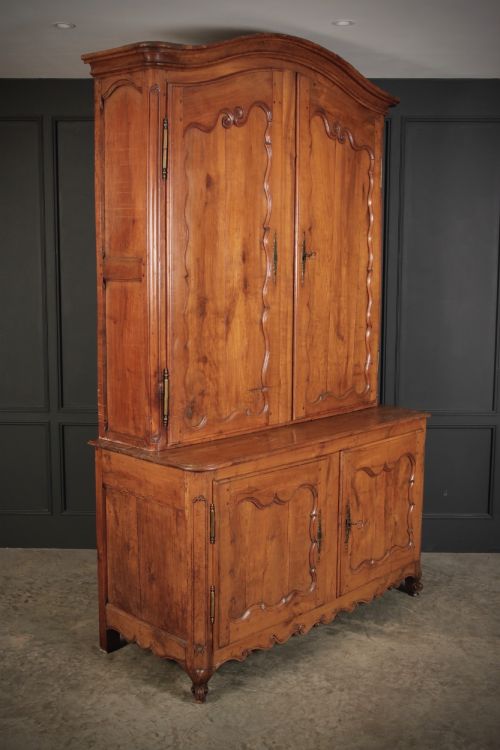
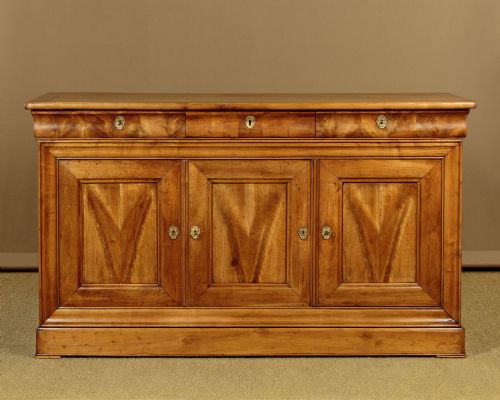
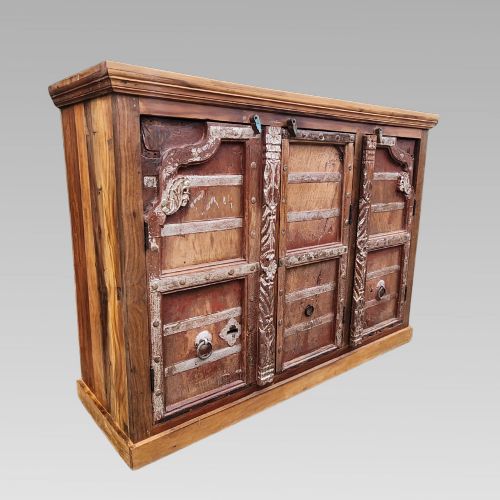
Mahogany and cherrywood dominate the selections, appearing alongside satinwood, elm, pine and padauk in forms ranging from serpentine fronted sideboards to tall two part cupboards. Buyers frequently encounter regional English and French designs alongside Anglo-Indian variations.
The functionality of these items remains central to their form, providing deep drawers, enclosed cupboards and serving surfaces. Construction methods adapt to the specific period, shifting from solid timber framing to intricate flame mahogany veneers.
Materials and construction methods
Cabinetmakers utilised dense hardwoods like mahogany, oak and padauk alongside fruitwoods such as cherry and ash to build durable carcases that withstand heavy daily use. Fine details frequently incorporate boxwood stringing and contrasting veneers.
Iron and brass hardware, including drop handles and escutcheons, secure doors and drawers assembled with traditional joinery techniques. Solid timber panels expand and contract with environmental changes, reflecting the natural properties of the materials.
Distinctions in craftsmanship
The refinement of timber selection dictates the visual appeal, where matched flame mahogany or burr ash veneers demonstrate superior cabinetmaking ambition over plain surfaces. Hand carved decorative elements and precise boxwood stringing separate standard utility items from elite parlour pieces.
Structural integrity relies upon tight joinery and original hardware fixtures that retain their alignment through centuries of use. Superior examples preserve their untreated or historically finished surfaces, showing depth in the grain and patina.
Gillow·Whytock and Reid·The Woodworkers Ltd Kilkenny
The Antique Timber Buffet Glossary
- Serpentine front
- A convex central section flanked by concave curves, creating a fluid undulating line along the front edge of a sideboard.
- Enfilade
- A long low buffet or sideboard originating in France, traditionally featuring multiple cabinet doors across the front elevation.
- Bow front
- A gently curved convex front profile that softens the corners of a rectangular cabinet or serving table.
- Padauk
- A dense tropical hardwood displaying rich reddish brown tones, utilised in Anglo-Indian and Burmese cabinetmaking.
- Breakfront
- A cabinet design where the central section projects forward from the flanking outer sections, adding architectural depth.
Antique Timber Buffet: Frequently Asked Questions
How do I date an antique timber buffet?
Examine the construction methods, secondary timbers used inside drawers, and overall stylistic motifs to establish the period. Hardware styles and dovetail precision also offer reliable clues to the decade of manufacture.
Compare the piece against documented examples from specific eras like the Georgian or Victorian periods to confirm its origin.
Where should I place a buffet in my home?
Dining rooms remain the traditional home for an antique timber buffet, serving meals and storing heavy tableware. Living spaces and large hallways also accommodate these deep storage cabinets effectively.
Ensure adequate clearance for doors and drawers to open fully without obstruction from other furniture.
How do I care for mahogany surfaces?
Apply natural beeswax periodically to nourish the timber and maintain a soft protective sheen across the grain. Avoid placing the wood in direct sunlight or near heat sources that cause splitting.
Dust regularly with a dry cloth and wipe up spills immediately to protect the antique polish.
What is the difference between a sideboard and a buffet?
Sideboards traditionally feature a combination of cupboards and central drawers designed specifically for serving food and storing dining accessories. Buffets often emphasise lower storage capacity with enclosed cabinet space.
Terminology varies significantly by region and period, with many makers using the terms interchangeably.