
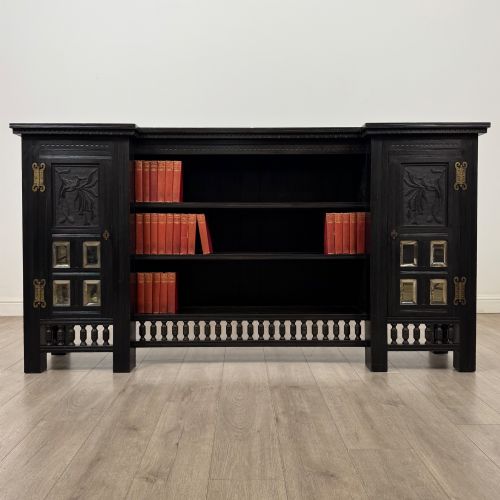
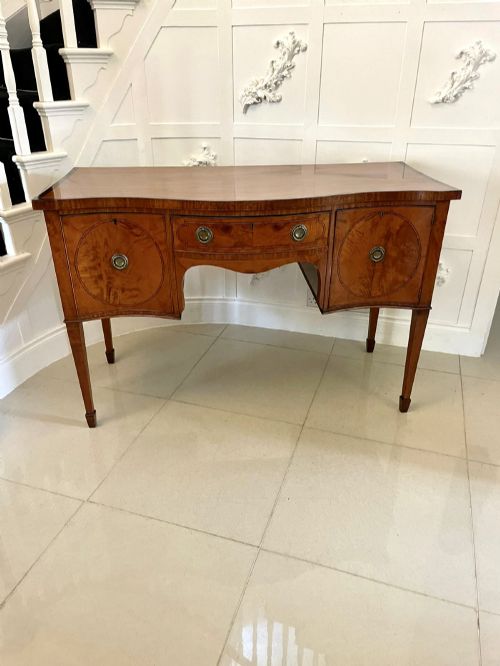
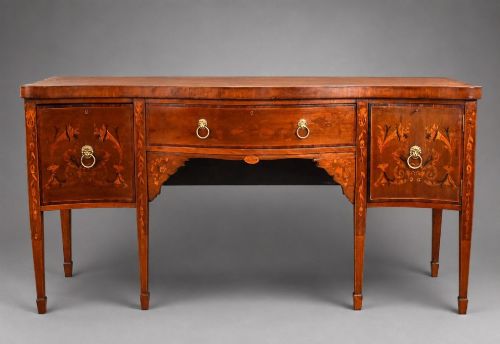
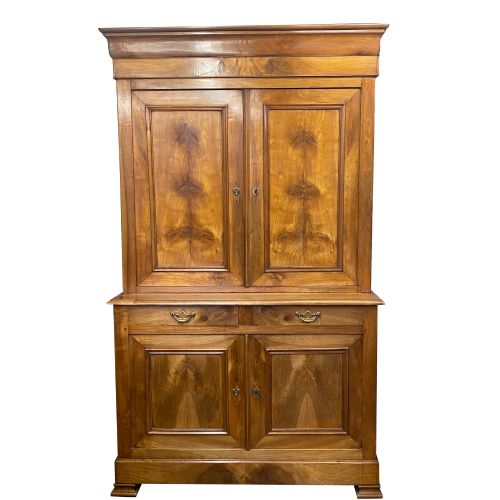



Antique Timber Buffet Cabinet
An antique timber buffet cabinet brings genuine gravity to a dining room, offering substantial storage alongside period character.
Antique Timber Buffet Cabinet
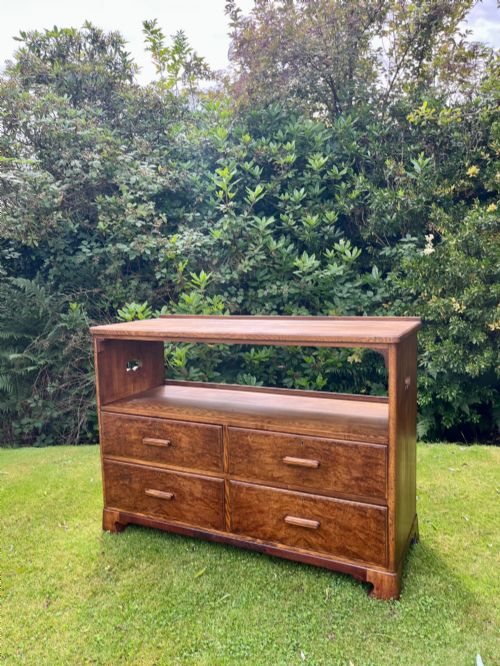
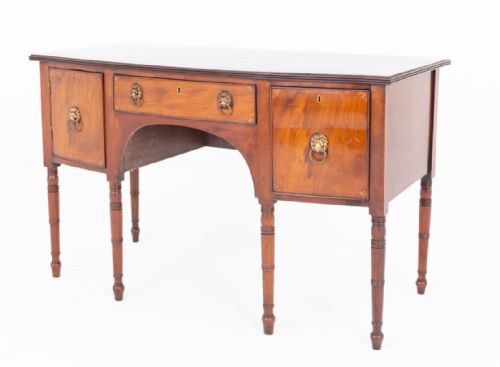
When you search for an antique timber buffet cabinet, you encounter a diverse group of large storage furniture designed for dining rooms and kitchens. The selection spans robust oak pieces from the seventeenth century through to refined Victorian mahogany designs and early twentieth century creations.
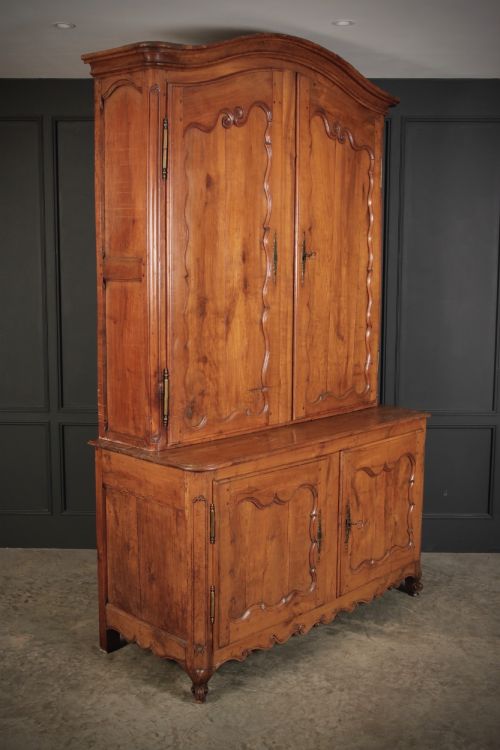
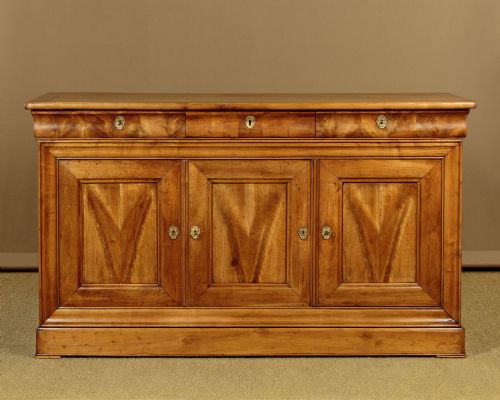
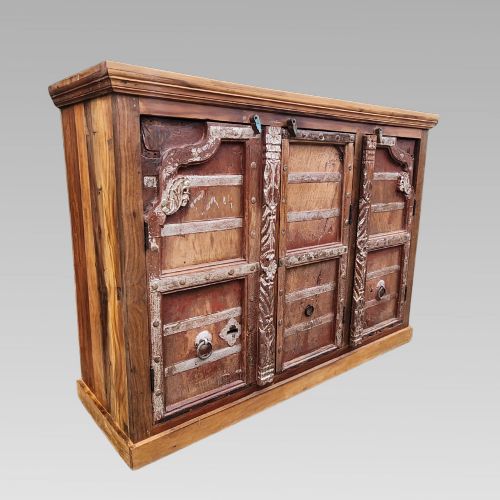
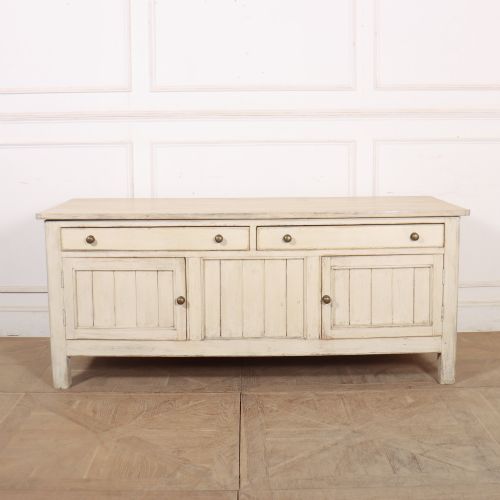
The pieces on this page appear under various historical designations, including sideboards, housekeepers cupboards, enfilades, and dresser bases. French and English regional examples sit alongside Anglo-Indian productions, reflecting the broad geographical reach of traditional cabinet making.
Victorian and Georgian iterations dominate the selection, offering either austere architectural lines or intricate boxwood inlay and serpentine fronts. These forms served primarily to house dining china, linens, and silver, functioning as both workspace and display.
Materials and construction methods
Cabinet makers utilised dense hardwoods such as mahogany, oak, walnut, rosewood, and cherrywood to construct frames that endured centuries of domestic use. Secondary timbers like elm and ash appear in carcases and internal shelving, demonstrating practical resourcefulness.
Surface decoration relied on natural grain patterns enhanced by French polishing, alongside contrasting boxwood and satinwood inlay. Brass hardware, iron strapwork, and mirrored backs completed the construction of these substantial items.
Listings feature regional variations in timber, including Indian padauk, French cherrywood, and English oak across the eighteenth and nineteenth centuries.
Distinguishing quality across periods
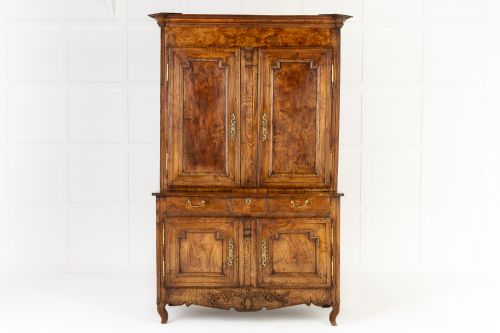
The standard of execution separates utilitarian kitchen storage from formal dining room showpieces. Superior examples display tightly figured mahogany or burr ash veneers, hand-cut dovetails in the drawer construction, and balanced proportions across serpentine or bowfront facades.
Untouched original surfaces and retained period brass handles elevate a piece far above heavily restored or later altered examples. The crispness of carved mouldings and the symmetry of inlaid stringing demonstrate the competence of the original workshop.
Whytock and Reid
The Antique Timber Buffet Cabinet Glossary
- Serpentine
- A front profile that curves outward in the centre and inward at the sides, demanding high skill from the cabinet maker. This shape appears frequently on fine Georgian and Victorian dining furniture.
- Enfilade
- A long low buffet or sideboard featuring a sequence of doors, originating in France for the formal service of meals. These pieces often utilise regional fruitwoods like cherry and ash.
- Bowfront
- A convex, outwardly curved front elevation popular during the Georgian and nineteenth century periods. This design softens the rigid corners of a dining room.
- Chiffonier
- A low compact sideboard or cabinet developed during the nineteenth century, typically fitted with shelves or a small mirror at the back. They provide display space alongside enclosed cupboard storage.
- Pedestals
- Upright architectural supports flanking the central section of large nineteenth century sideboards. These structures often conceal deep cellarette drawers for wine bottles.
Antique Timber Buffet Cabinet: Frequently Asked Questions
How do I date an antique timber buffet cabinet?
Dating relies on observing timber choices, construction joints, and stylistic markers such as inlay motifs or leg shapes. Georgian pieces often show hand-cut dovetails and simpler carcase lines, while Victorian examples frequently incorporate heavy mirror backs or pollard oak veneers.
Hardware and fixings provide further clues, though handles are frequently replaced over time. Comparing the secondary woods inside the drawers against known regional patterns helps narrow down the era of production.
Where were these cabinets used originally?
These pieces belonged primarily to the dining rooms, large kitchens, and hallways of substantial homes. Formal variations served to plate food and store silver, whereas housekeepers cupboards and dresser bases remained in domestic working quarters for provisions and crockery.
French enfilades and regional buffets stood against dining room walls to hold heavy serving dishes. Their deep cupboards and drawers accommodated the extensive tableware required for large households.
What is the difference between a sideboard and a buffet?
While terms overlap considerably in antique furniture, sideboards traditionally featured a longer surface with a combination of drawers and cupboards designed specifically for dining rooms. Buffets often lean towards lower, heavier proportions with generous cupboard space for storing food and serving wares.
Regional variations further blur these definitions, with French enfilades and English dresser bases fulfilling similar domestic duties. The primary distinction usually lies in the specific configuration of internal shelving and drawer depths.
How do I care for antique timber furniture?
Preserving these surfaces requires maintaining stable room humidity away from direct heat sources and sunlight, which can dry out hardwoods and fade polished finishes. Regular dusting with a soft, dry cloth prevents particulate accumulation without introducing moisture.
Occasional application of appropriate wax feeds the timber and maintains the lustre of the polish. Avoid modern silicone sprays, as they penetrate the grain and complicate future conservation work.