





Antique Timber Blanket Chest
An antique timber blanket chest is a sturdy storage box crafted from woods such as oak, pine, and camphor, offering both practical utility and historical character.
Antique Timber Blanket Chest
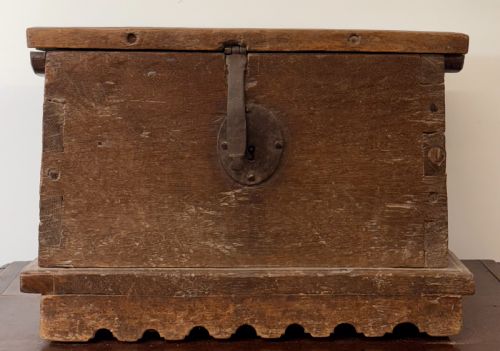
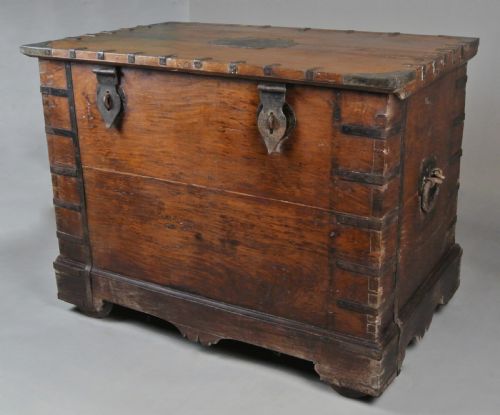
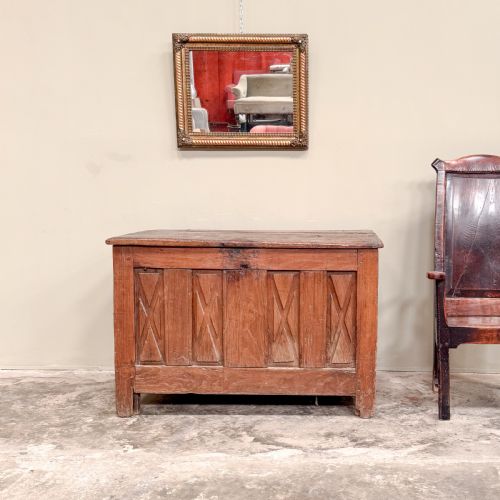
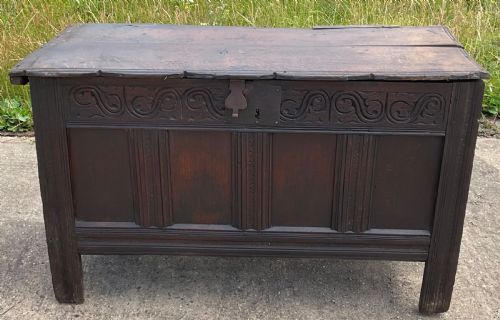
An antique timber blanket chest encompasses robust storage pieces built from solid woods designed to hold household linens, garments, and valuables. You encounter forms ranging from simple planked boxes to substantial joined oak coffers and brass-bound travel trunks.
The selections span centuries, featuring early examples in oak from the sixteenth and seventeenth centuries alongside eighteenth-century Georgian pieces and nineteenth-century camphor wood chests. Regional varieties include Welsh elm coffers, French walnut boxes, and Anglo-Indian storage trunks.
Materials and Construction
Carpenters utilised durable native and exotic timbers including oak, elm, pine, cedarwood, teak, and camphor wood to construct these storage receptacles. Solid board construction, joined framing, and pegged joints provided the necessary strength for heavy domestic use.
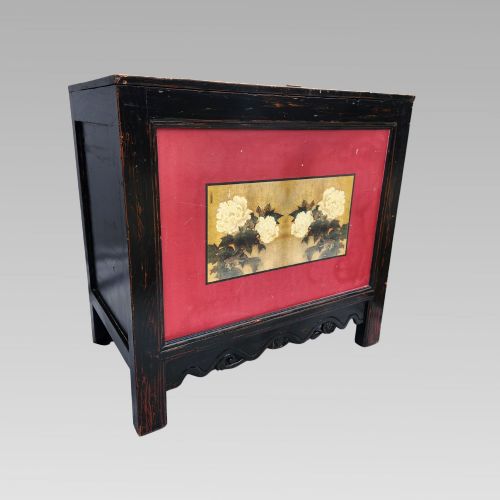
Hardware played a functional and structural role, with iron and brass bindings reinforcing corners, lids, and edges. Surfaces were often left as plain timber, while others received painted finishes, black lacquer, or carved ornamentation.
Listings feature timbers including oak, pine, camphor wood, teak, elm, cedarwood, and walnut across periods spanning the sixteenth century to the 1930s.
Assessing Craftsmanship and Age
The degree of integrity in the original timber construction distinguishes finer examples from simpler utilitarian boxes. Early joined work with authentic pegging and undisturbed surface patination holds greater architectural interest.
The quality of hardware mounts, such as substantial brass bindings or hand-forged iron straps, contributes to the distinction between standard utility trunks and bespoke campaign or dowry chests.
The Antique Timber Blanket Chest Glossary
- Coffer
- A heavy wooden chest traditionally used for storing valuables or documents. These pieces often feature joined construction and hinged lids.
- Campaign chest
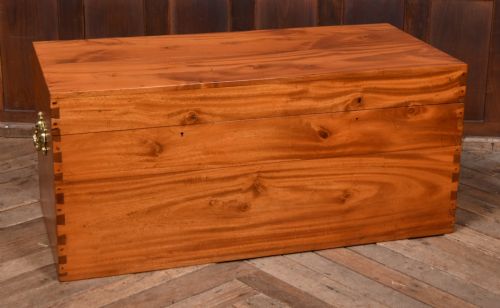
- A portable storage trunk designed for military officers on the move. They frequently utilise durable timbers like camphor wood with recessed brass handles and reinforced corners.
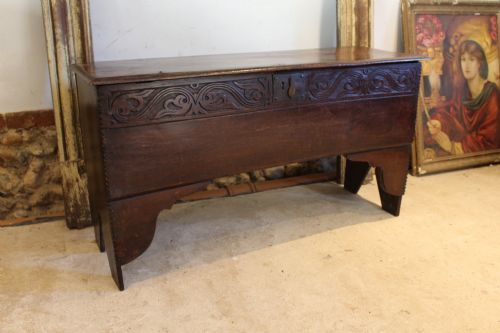
- Six-plank coffer
- A primitive form of chest constructed from six individual boards joined at the edges. This method represents some of the earliest domestic furniture making.
- Mule chest
- A traditional storage chest featuring one or more drawers beneath the main compartment. Georgian examples in pine and oak combine the storage of a coffer with drawer access.
- Dowry chest
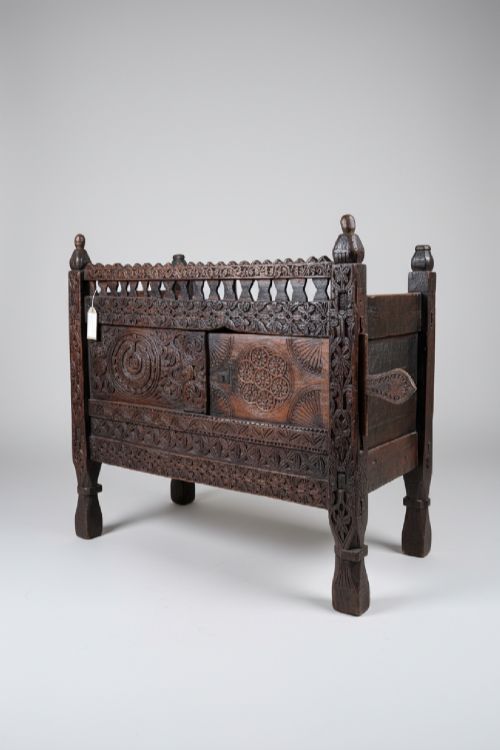
- A large storage box created to hold household goods and linens for a bride. These pieces frequently display regional carving, iron bindings, or specific cultural ornamentation.
Antique Timber Blanket Chest: Frequently Asked Questions
What were antique blanket chests used for?
These chests served primarily to store heavy woolen blankets, household linens, and valuable garments safely away from dust and pests. In domestic settings, they also functioned as impromptu seating or tables when space was limited.
Travel-oriented versions, such as military campaign chests and shipwrights' trunks, were built to transport personal belongings and tools securely across long journeys.
How do I identify a 17th-century coffer?
Seventeenth-century coffers typically feature heavy joined oak construction with pegged mortise and tenon joints. The panels often display geometric carvings, scratch stocks, or architectural moulding characteristic of the period.
Iron hinges and lock plates on these early pieces are usually hand-forged, and the timber exhibits deep patination accumulated over centuries of handling.
Where were camphor wood chests made?
Camphor wood chests appear frequently in nineteenth-century maritime and colonial trade routes, particularly from regions associated with the British Empire in Asia. Anglo-Indian workshops and Chinese coastal cities produced many of these aromatic trunks for export to Europe.
The wood was chosen deliberately because its natural scent repels moths and insects, making it ideal for storing textiles.
How do I clean and maintain an old timber chest?
Routine maintenance requires only a soft, dry cloth to remove dust from the timber surfaces. Avoid modern liquid polishes or silicone sprays, which can build up and soften historic wax finishes.
Keeping the chest away from direct heat sources and severe humidity fluctuations prevents the timber from splitting or warping over time.