





Antique Timber Bedstead
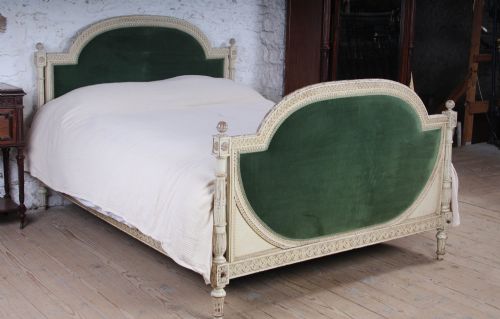
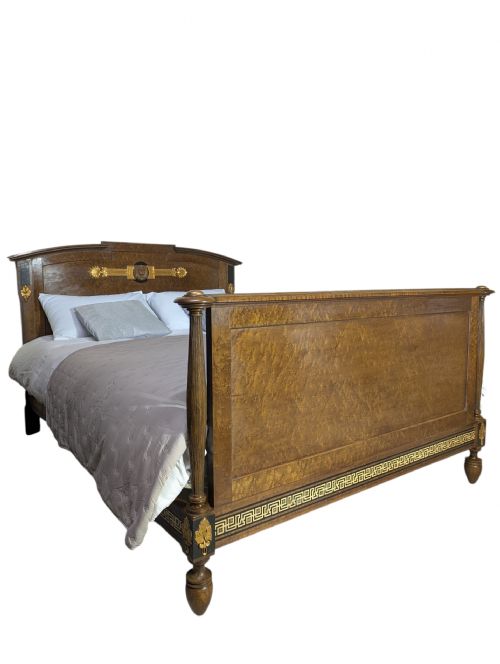
An antique timber bedstead anchors a bedroom with solid grain and period presence.
Antique Timber Bedstead
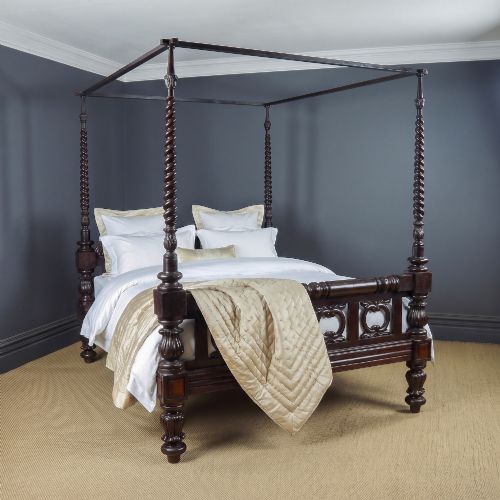
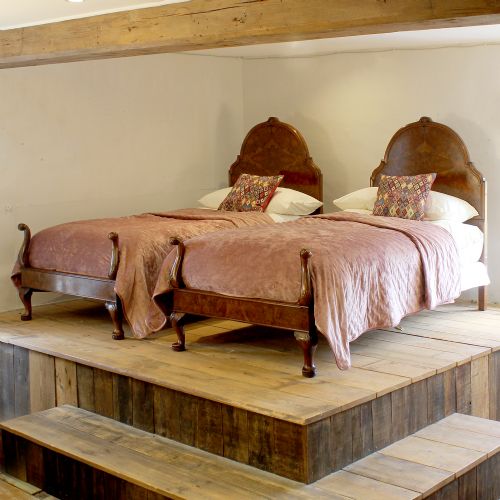
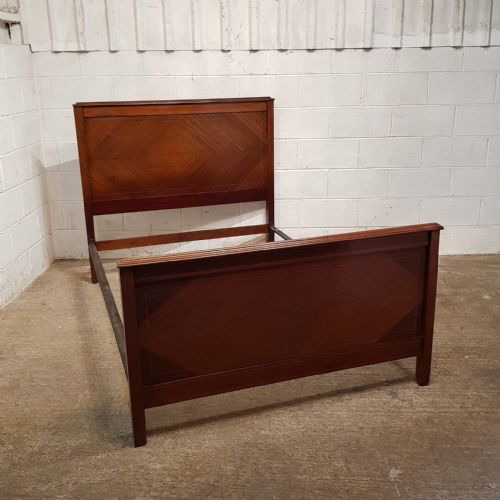
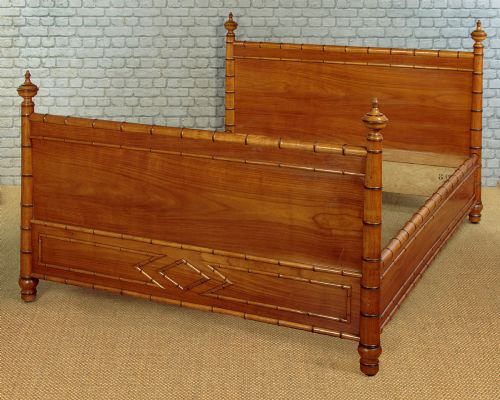
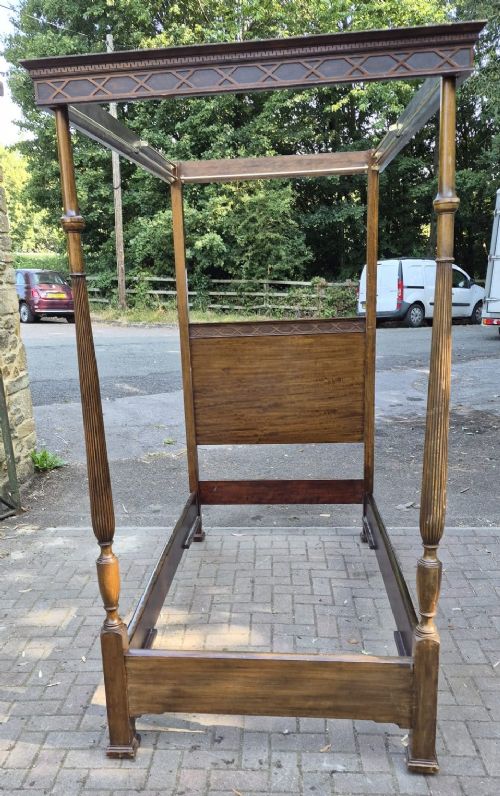
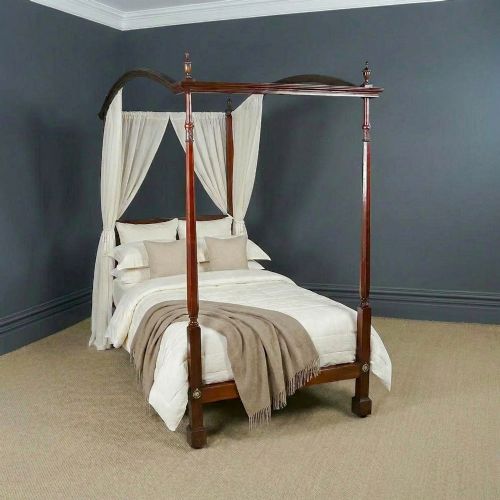
An antique timber bedstead spans single, double, king, and four poster proportions originating from the nineteenth and early twentieth centuries. Pieces range from straightforward domestic frames to elaborate continental designs.
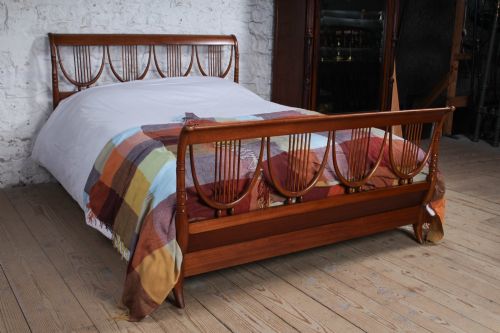
Victorian and Edwardian examples sit alongside French chateau pieces, Arts and Crafts designs, and Art Deco walnut frames. Regional variations include English mahogany and walnut alongside French fruitwood, oak, and burr walnut.
Distinctions in Execution
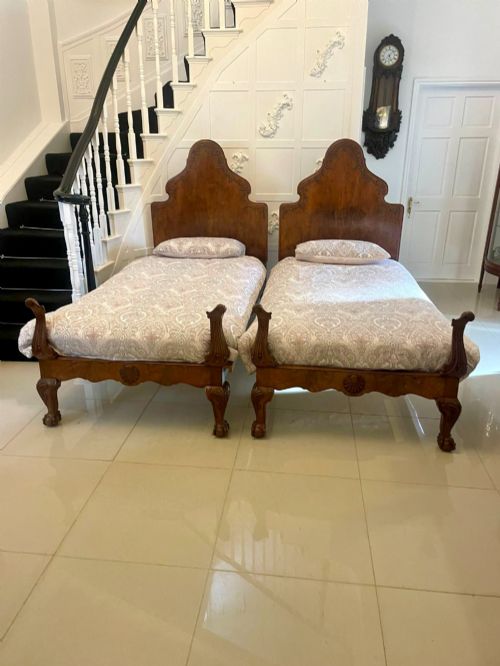
Depth of carving and selection of figured veneers determine the distinction between standard production and master workshop output. Burr walnut and plum pudding mahogany demand careful timber selection.
Proportion and structural integrity separate simpler pieces from designated maker pieces. Original surface finishes and integrated decorative elements retain historical value.
Miniature wooden dolls beds appear alongside full sized king frames, proving that fine craftsmanship applies at any scale.
Stanley Webb Davies·Oliver Morel·Heals of London·Shapland and Petter·Betty Joel
The Antique Timber Bedstead Glossary
- Tester bed
- A bed featuring a wooden canopy or tester supported by posts above the frame.
- Half tester
- A bed with a partial canopy extending only over the head of the frame.
- Burr walnut
- Timber taken from a walnut tree growth, yielding complex, highly figured grain patterns.
- Marquetry
- Decorative veneer applied to wood in geometrical or pictorial patterns.
- Faux bamboo
- Wood carved and painted to resemble natural bamboo stems.
Antique Timber Bedstead: Frequently Asked Questions
Will an antique bedstead fit modern mattresses?
Many older beds vary from standard modern dimensions. Custom mattress sizing is often required for specific widths and lengths.
Side rails and internal slats can sometimes be adjusted to accommodate modern base supports safely.
How do I assemble an antique timber bed?
Most antique timber beds utilise traditional metal bolts or iron bed screw fixings that lock the side rails to the headboard and footboard.
Careful alignment is necessary to prevent strain on the original timber joints during tightening.
How do I care for antique wood furniture?
Keep wooden frames away from direct heat sources and significant humidity changes to prevent timber splitting. Regular dusting with a dry cloth protects the polished surface.
Occasional application of appropriate wax maintains the lustre of walnut and mahogany finishes.
What distinguishes Arts and Crafts beds?
Arts and Crafts pieces emphasise visible construction, straightforward joinery, and honest materials like sweet chestnut and oak. Ornamentation is minimal, prioritising the natural grain.
Maker attribution is more common in this movement, reflecting individual workshop standards.