


Antique Tiered Server
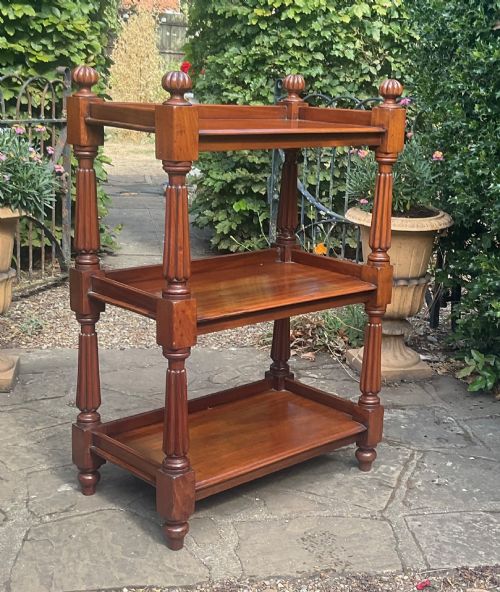
When you search for an antique tiered server, you are looking at multi-level wooden stands built to hold food, drink or dishes in dining rooms and living spaces.
Antique Tiered Server
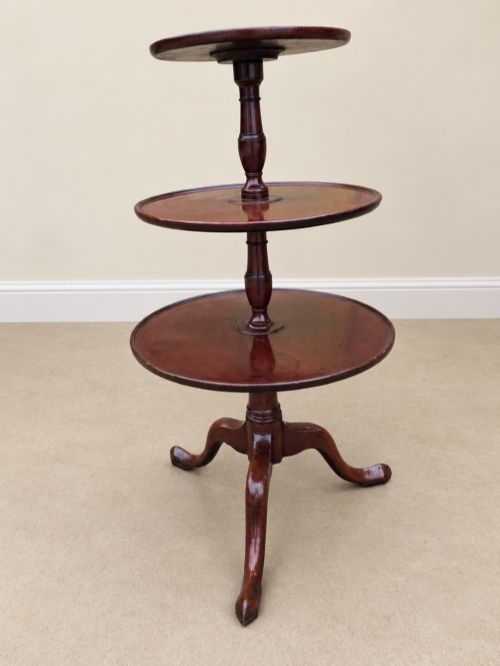
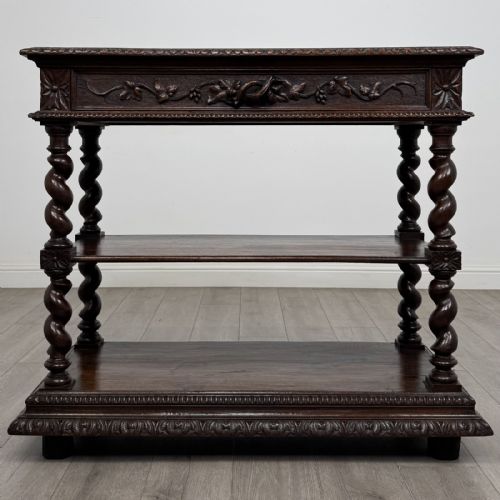
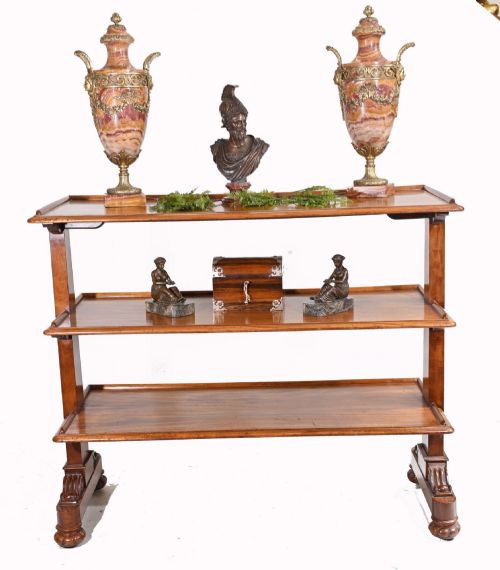
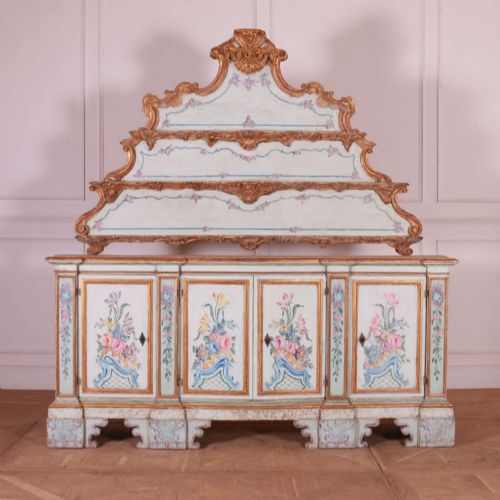
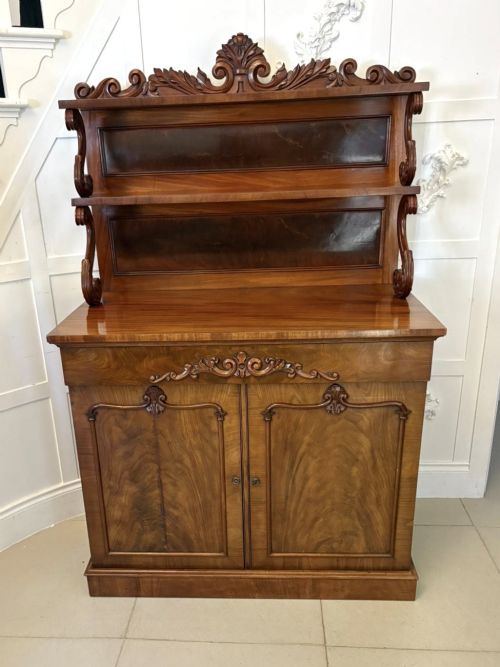
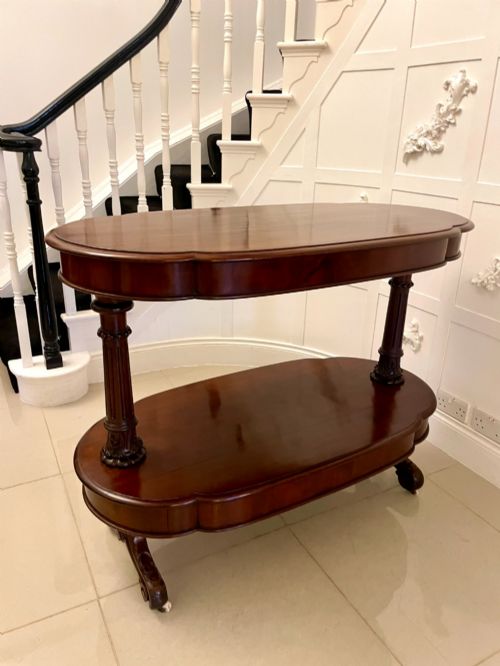
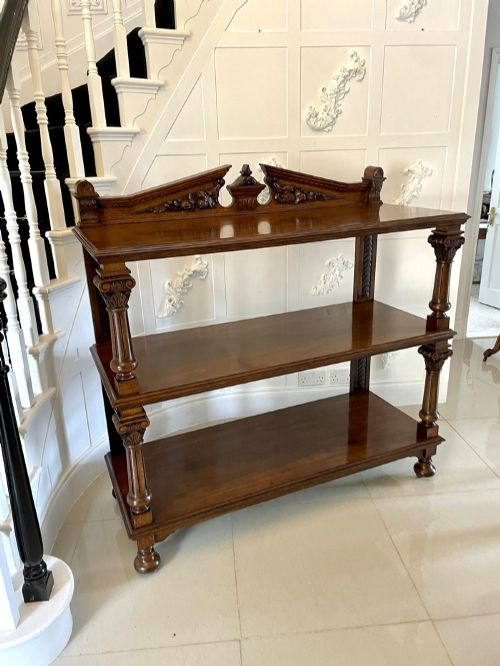
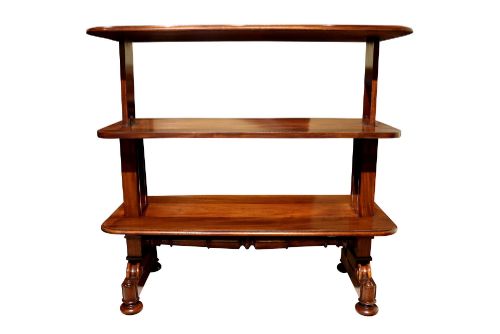
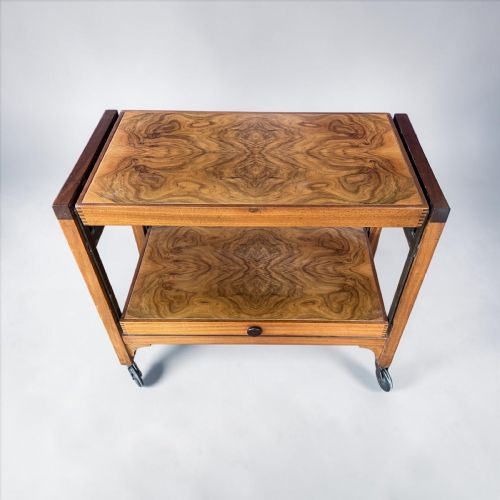
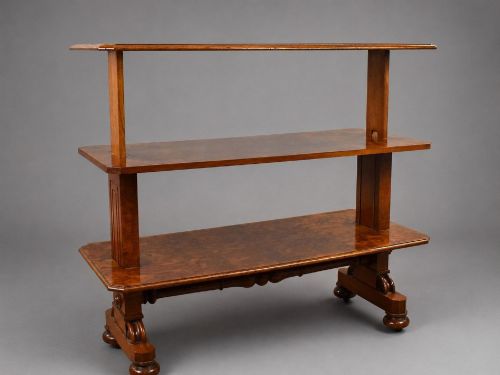
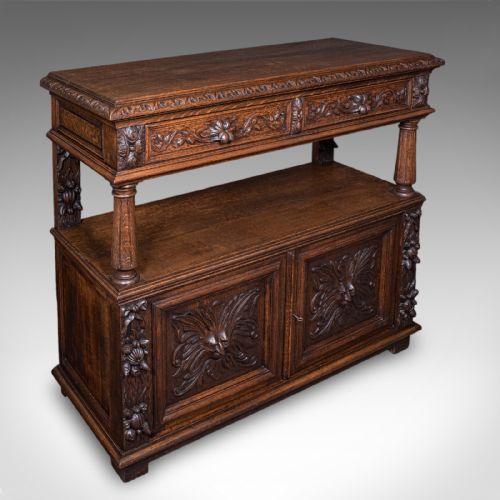
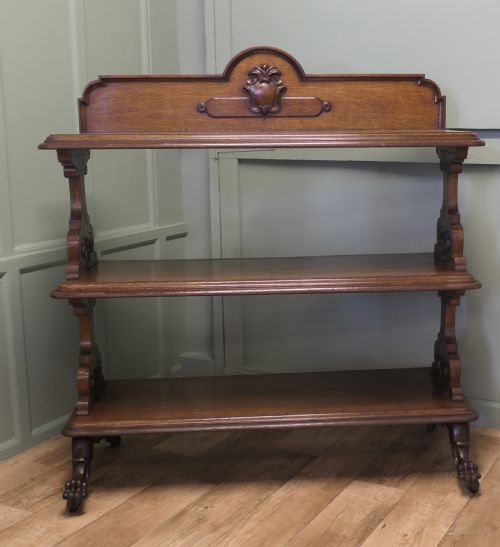
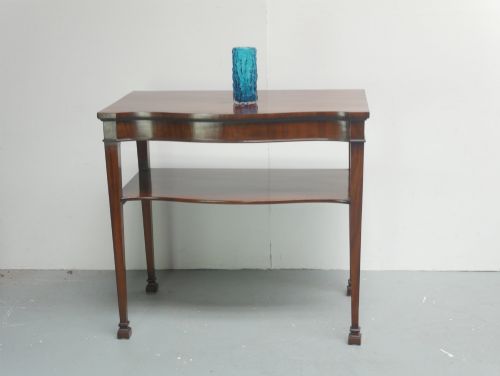
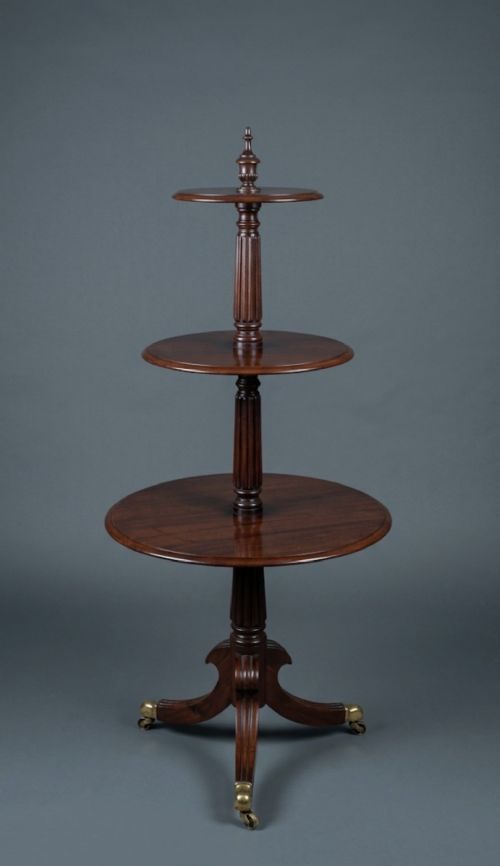
An antique tiered server groups multiple surfaces vertically to save space and display items efficiently during meals or in formal rooms. The listings show forms ranging from revolving circular dumbwaiters to rectangular buffets, side tables and etagere tables with two or three distinct levels.
The objects span diverse design movements including Gothic Revival, Aesthetic Movement and French Renaissance Revival, showing how makers adapted tiered serving furniture to changing domestic tastes over centuries.
Materials and construction
Makers relied heavily on solid hardwoods and choice veneers, with mahogany, oak and walnut forming the structural backbone of these servers. Cabinetmakers selected figured grain, pollard oak and burr walnut to add visual depth to prominent surfaces and shelves.
Joinery involved sturdy framing for multi-tiered structures, often paired with turned columns, tripod bases or carved supports. Brass fittings, castors and occasionally cast-iron elements were integrated to provide mobility and mechanical adjustment for rising or revolving tiers.
Antique Tiered Server Retail Price Guide 2026
Typical asking prices for tiered server among the pieces listed under this phrase on Sellingantiques today, from the lower quarter to the upper quarter. They describe what is for sale here now, not the wider market.
Listings feature mahogany, oak and walnut timber across Georgian, Regency and Victorian periods.
What separates the best from the rest
Quality rests on the selection of timber and the precision of the mechanics in moving or revolving parts. Higher grade pieces display finely figured grain matched across shelves, crisply carved details, and robust pillar or tripod construction that supports multiple loaded tiers without wobble.
Simpler utility pieces prioritize plain structural timbers and straightforward tiered platforms, whereas sophisticated examples feature specialised mechanisms, integrated drawers, or sculptural carvings that reflect the prevailing style of the maker's era.
The Antique Tiered Server Glossary
- Dumb waiter
- A multi-tiered serving stand designed to hold dishes or drinks without the aid of servants. These revolving or fixed tables placed food within reach of diners.
- Etagere
- A piece of furniture consisting of a set of open shelves for displaying small objects or serving items. These tiered tables often feature rectangular or circular formats.
- Metamorphic
- Furniture designed to transform from one form or height into another through clever hinges, ratchets or screws. These rising tiers offered flexible use in formal dining settings.
- Pollard oak
- Oak timber taken from pollarded trees, yielding a dense, highly figured grain pattern prized for decorative panels and table surfaces. Cabinetmakers used it to create striking surface movement.
- Tripod base
- A three-legged support structure commonly found beneath circular dumbwaiters and small tables. This configuration ensures stability on uneven dining room floors.
Antique Tiered Server: Frequently Asked Questions
How were dumb waiters used?
Dumb waiters served as auxiliary tables in the dining room, holding extra courses, wine bottles and tableware. Guests helped themselves without servants present during private meals.
Over time, these tiered stands evolved to suit drawing rooms and libraries as display surfaces for books or decorative objects.
What is a metamorphic tiered server?
A metamorphic tiered server incorporates mechanical adjustments, such as a rise and fall mechanism or telescoping columns, to alter the height or configuration of the shelves.
These clever adaptations allowed the furniture to function as a low serving trolley or an elevated display stand depending on the dining requirements.
How do I identify the period of a tiered server?
Dating relies on timber choice, carving styles and structural hardware. Georgian and Regency pieces often feature clean mahogany surfaces with tripod bases, while Victorian examples lean toward heavy carved oak, walnut and mechanical adjustability.
Later 1930s pieces adopt simpler lines or art deco influences, moving away from heavy period revival motifs.
Where should I place a tiered server at home?
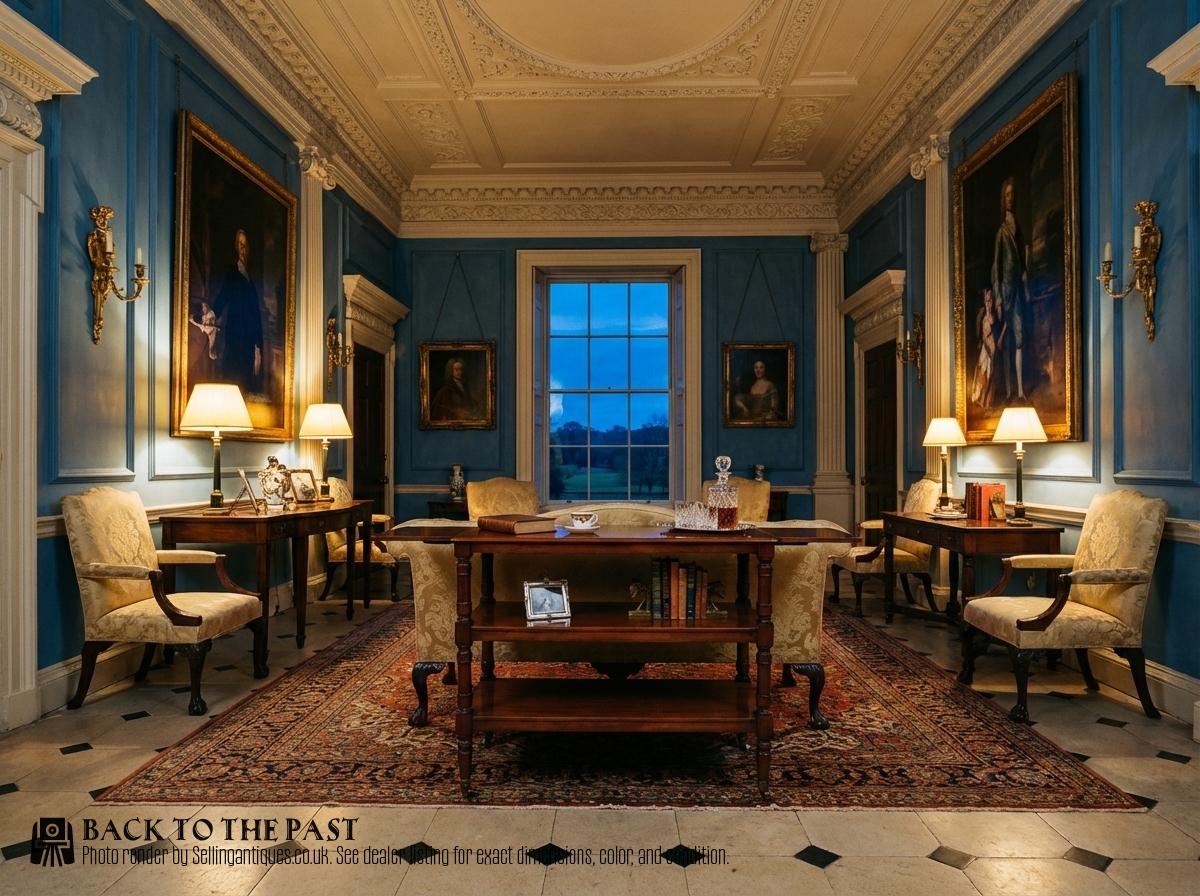
These servers fit well in dining rooms as functional sideboards for serving drinks, or in living spaces as display tables for plants and objects. Their vertical format makes efficient use of corner spaces.
Because many feature revolving tiers or castors, they remain adaptable to different room layouts and daily uses.