
Antique Tiered Nightstand
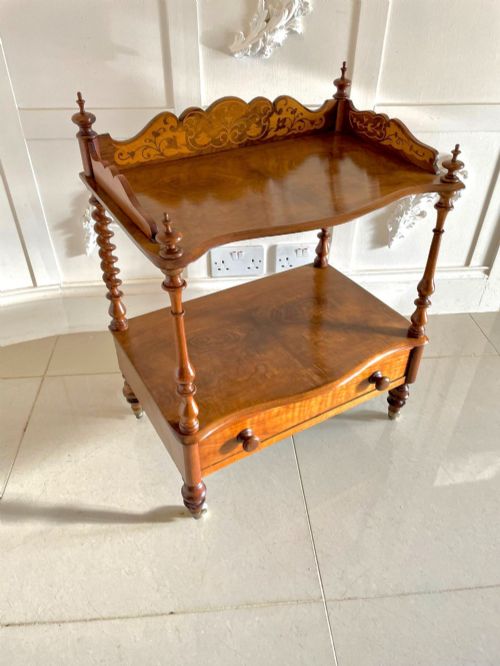
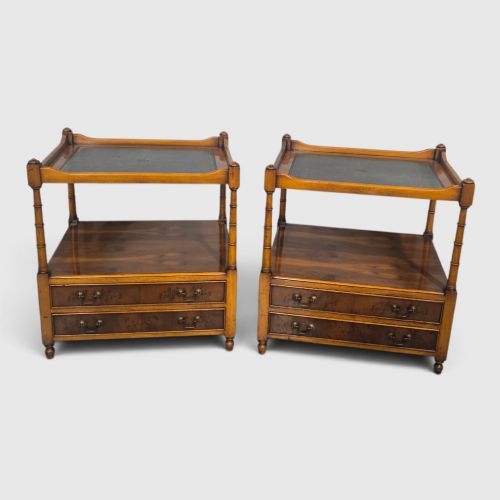
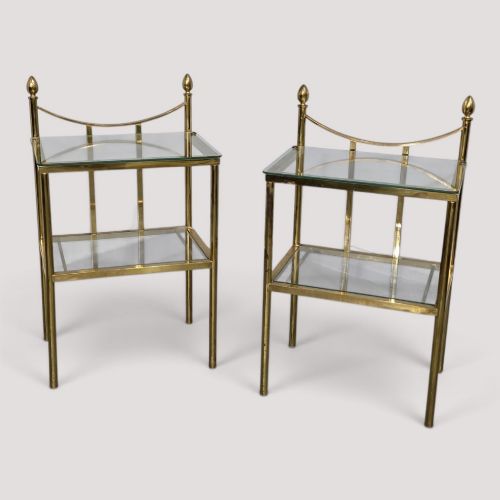
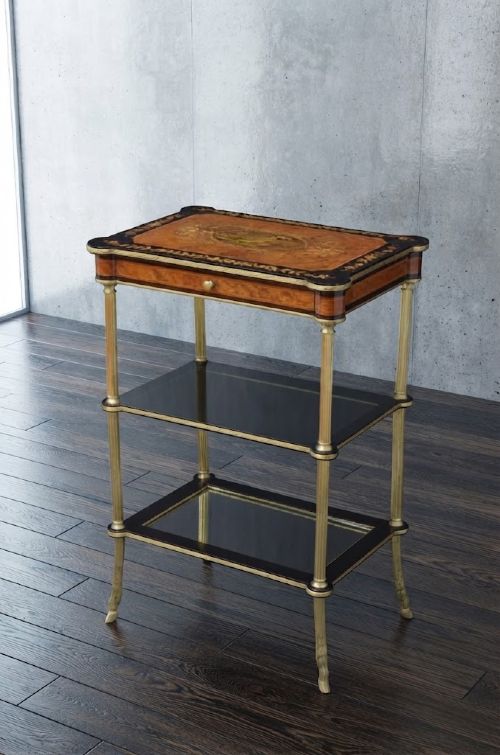
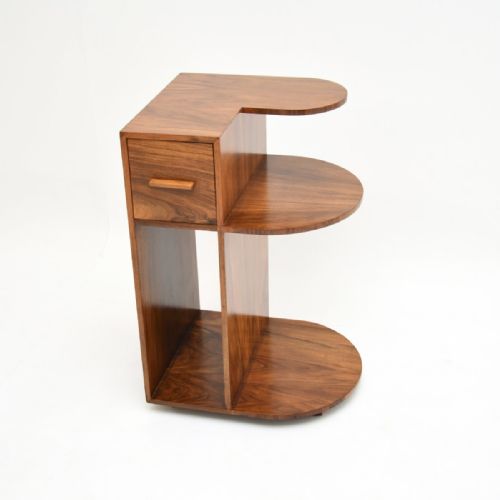
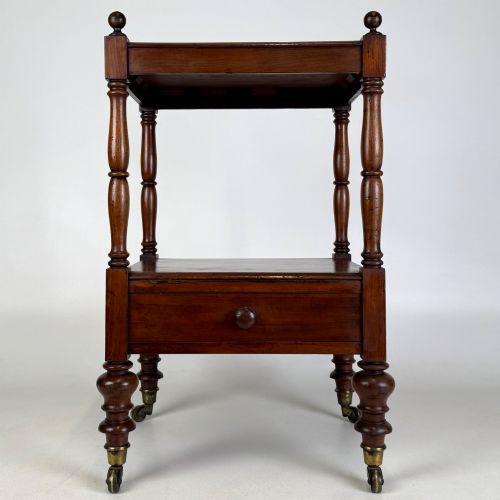
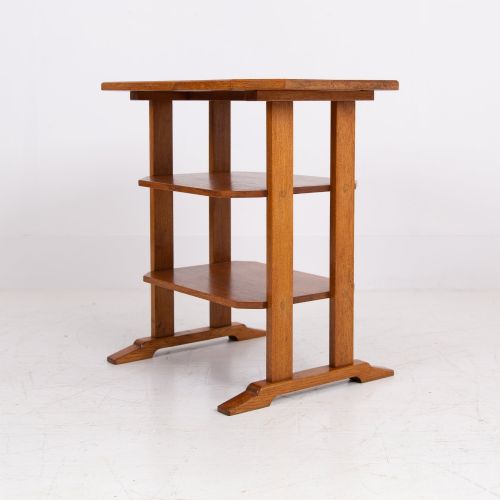
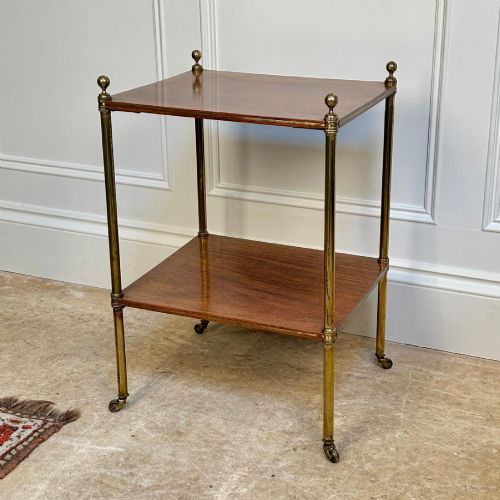
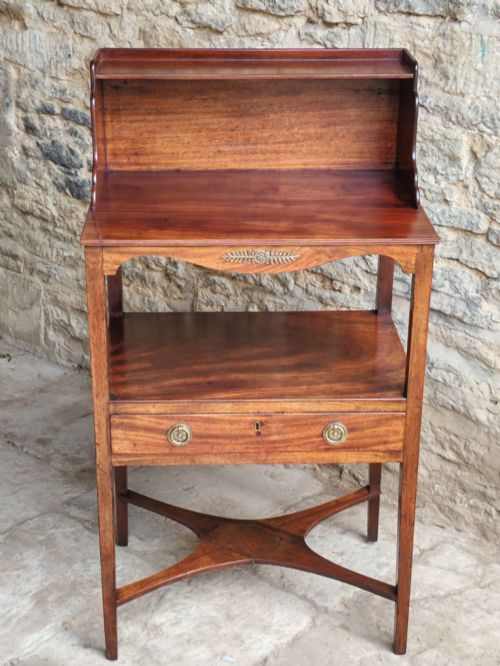
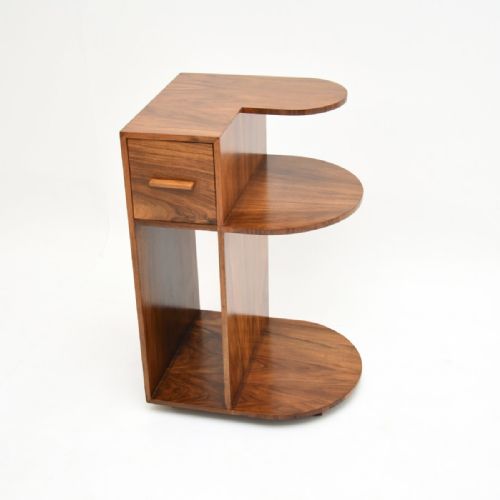
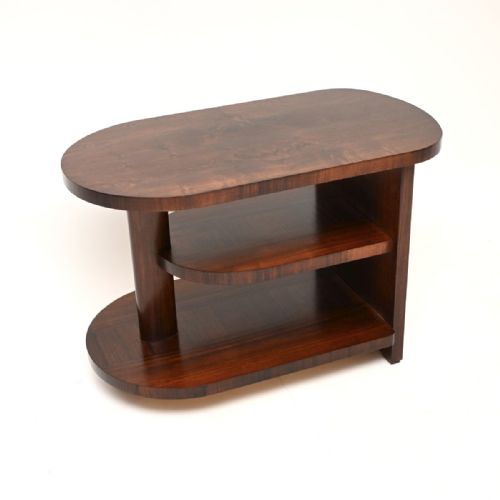
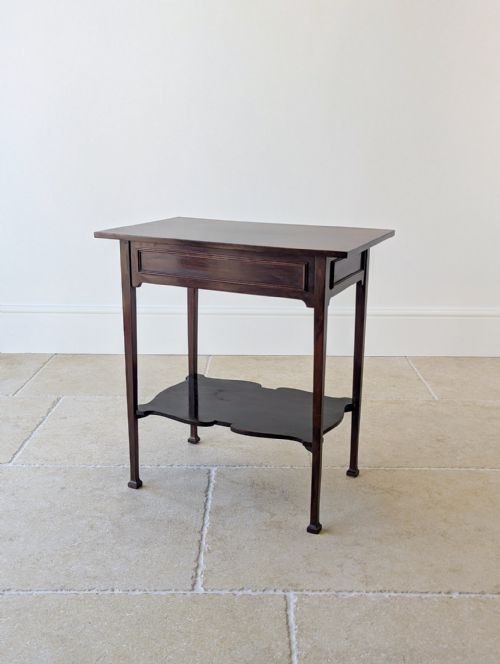
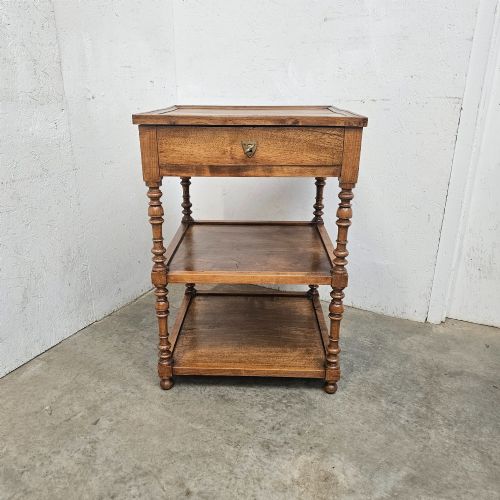
These antique tiered nightstand pieces offer multi-level surfaces for bedside use, combining period timber and brass details to suit traditional bedrooms.
Antique Tiered Nightstand
When you search for an antique tiered nightstand, you are looking at multi-level bedside and lamp tables designed to hold lamps, books, and small personal items within reach of the bed. The pieces catalogued here span the nineteenth century, the Victorian and Edwardian eras, through to the nineteen-twenties and nineteen-thirties, with styles ranging from plain utilitarian forms to ornate French revival designs.
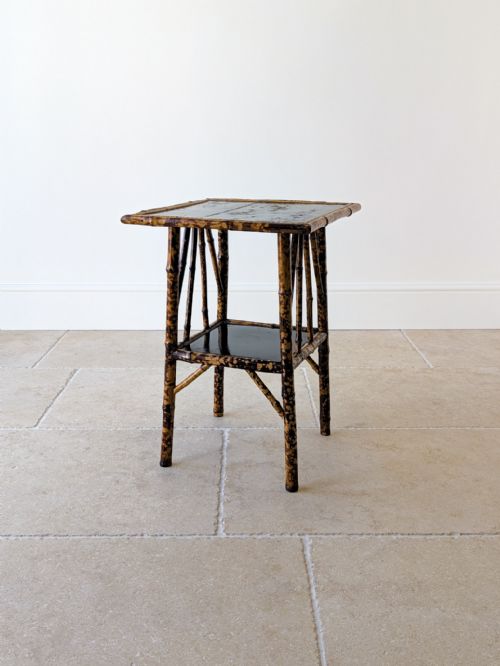
The versions you are most likely to meet on this page include mahogany and walnut bedside cupboards, bamboo occasional pieces, and multi-tiered etageres in rosewood, oak, and kingwood. These items often function as compact side tables, pot cupboards, or reading tables alongside their primary role as bedside companions.
Materials and construction methods
Cabinet makers utilised dense hardwoods such as mahogany, walnut, rosewood, and kingwood, frequently applying decorative veneers, marquetry, and inlay to the primary display surfaces. Oak and yew appear in more robust or vernacular pieces, while bamboo provides a lighter structural alternative during the late nineteenth century.
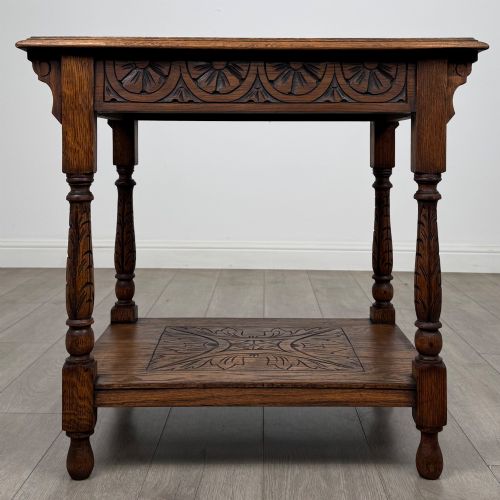
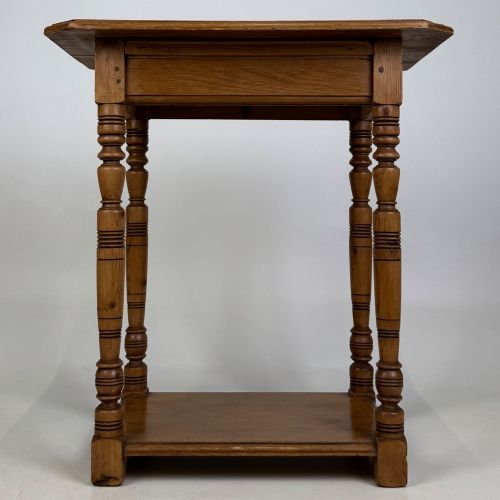
Metal components such as brass fittings, gallery rails, and ormolu mounts add structural support and decorative contrast to the timber frames. Joinery methods involve traditional hand-cut joints, turned legs, and carved details that reflect the prevailing taste of the period, from Arts and Crafts simplicity to Louis XV and Louis XVI styling.
Materials recorded across the listings include mahogany, walnut, rosewood, oak, kingwood, yew wood, brass, and ormolu.
Assessing quality in multi-tiered tables
The distinction between standard examples and the finest pieces rests upon the selection of timber figures, such as burr walnut or figured mahogany, and the precision of the marquetry or parquetry patterns. Superior items display crisp carving on turned legs, tightly fitted joints, and substantial timber thickness rather than thin surface veneers.
Design sophistication also separates the range, with works showing refined proportions, matching pairs, or attributed maker details holding greater distinction than simple utility tables. The integration of quality cast ormolu mounts and solid brass hardware elevates an ordinary bedside table to a work of fine cabinet making.
Liberty of London·François Linke·Mallett
The Antique Tiered Nightstand Glossary
- Etagere
- A piece of furniture consisting of a set of open shelves for displaying small objects. These tiers are supported by slender columns or uprights.
- Marquetry
- Decorative veneer work in which thin slices of wood, shell, or ivory are fitted together to form geometric or pictorial designs. This technique decorates the top surfaces of many French tables.
- Ormolu
- Gilded bronze applied as a decorative mount to furniture. It provides ornate borders and corner ornaments on period pieces.
- Pot Cupboard
- A small bedside cabinet originally designed to house a chamber pot. They typically feature a single door enclosing a shelf.
- Parquetry
- A geometric mosaic of wood pieces used for floors or furniture surfaces. It creates patterned tabletops in contrasting timbers like kingwood and rosewood.
Antique Tiered Nightstand: Frequently Asked Questions
What is an antique tiered nightstand used for?
These tables provide stacked surfaces for placing a reading lamp, a clock, and books beside a bed. The lower shelves offer extra space to keep night-time essentials tidy and within easy reach.
Historically, similar small tables also functioned as pot cupboards or occasional stands in guest bedrooms and parlours. Their compact footprint makes them practical for modern rooms where floor space is limited.
How do I identify a Victorian bedside table?
Victorian examples often use dark, dense timbers such as mahogany and burr walnut, sometimes incorporating turned legs or heavy panel doors. You may also find bamboo or aesthetic movement designs dating to the late nineteenth century.
Check for construction traits like hand-cut joinery and solid timber secondary woods inside drawers and cupboards. These details help distinguish nineteenth-century production from later twentieth-century reproductions.
Are these tables sold in pairs?
Many listings feature matched pairs of bedside tables, which were originally produced for twin beds or symmetrical bedroom layouts. Pairs are particularly common among Edwardian and early twentieth-century offerings.
Single tables also appear frequently, representing pieces that survived independently or were designed as standalone occasional stands. Matching a pair can be difficult if pieces are bought separately.
How do French styles differ from English ones?
French tables from the nineteenth century often display Louis XV or Louis XVI influences, featuring curved cabriole legs, parquetry, ormolu mounts, and kingwood veneers. They emphasise decorative flair and elaborate surface patterns. Ninteenth-century English counterparts tend to focus on structural timber properties, utilising solid mahogany, oak, or walnut with simpler turned supports and functional cupboard interiors. Both traditions offer tiered designs suited to bedside use.