







Antique Textile Runner
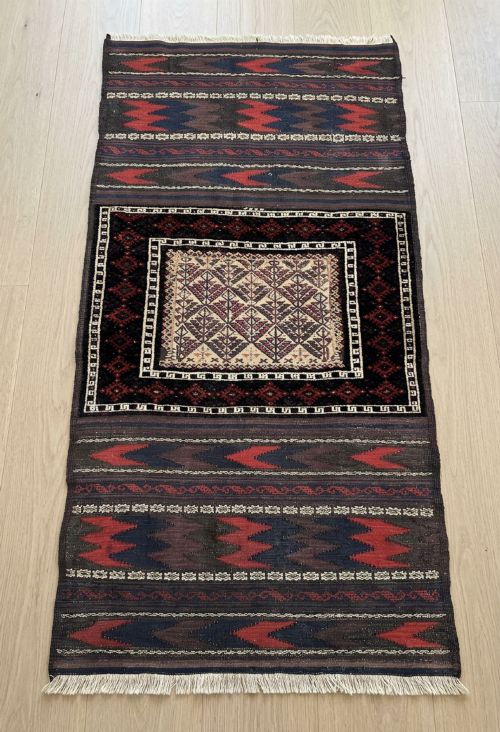
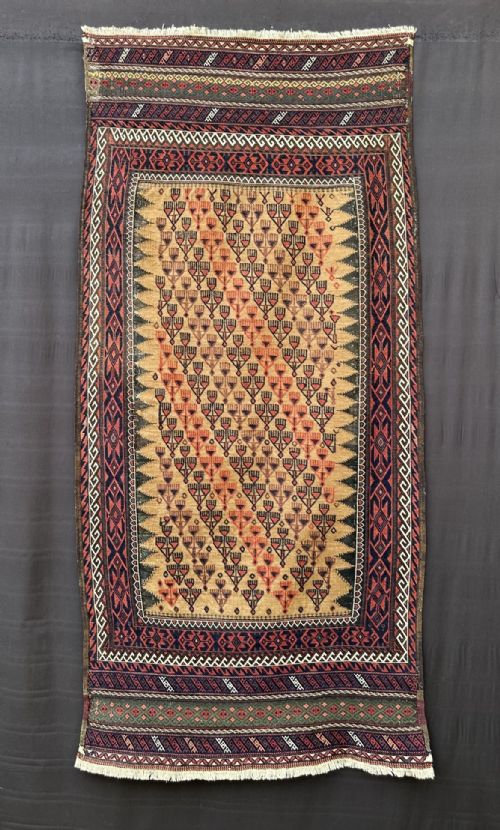
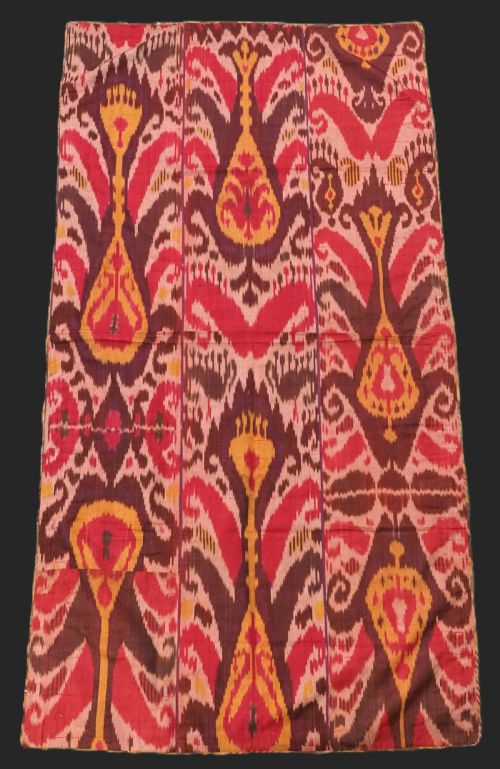
An antique textile runner brings linear history into a room, offering rhythmic patterns woven by tribal and regional makers.
Antique Textile Runner
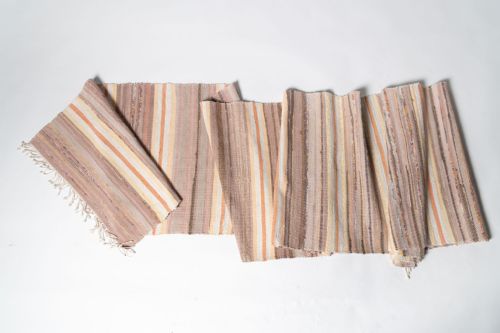
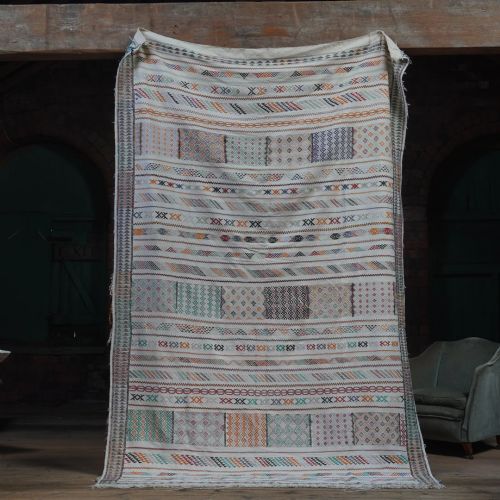
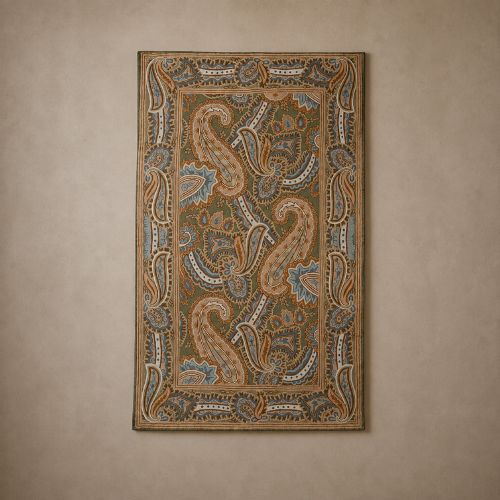
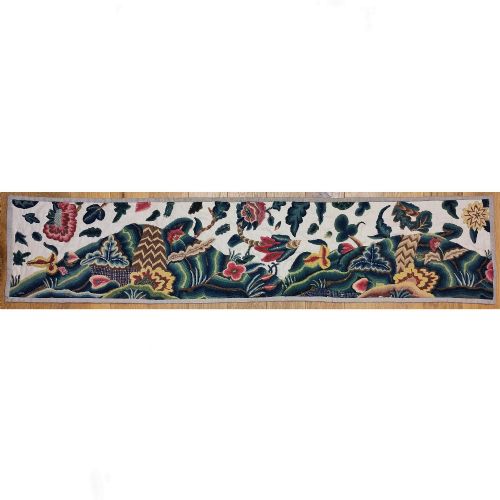
When searching for an antique textile runner, buyers encounter long, narrow panels and strips originating from nomadic or village traditions. These items span various origins, including Central Asian, Persian, and Caucasian workshops, dating from the mid-nineteenth century into the early twentieth century.
The selection includes fragments of tent bands, long kilim panels woven in multiple strips, and elongated rugs designed for specific tribal domestic use. Such pieces often served functional roles in nomadic tents or domestic interiors before reaching the decorative market.
Makers utilised traditional formats dictated by the width of simple looms, resulting in elongated proportions well-suited to hallways and long surfaces. The inventory reflects a diverse heritage of tribal weaving and embroidery produced across the nineteenth and early twentieth centuries.
Distinguishing quality in older textiles
Quality rests upon the tightness of the weave, the clarity of the graphic design, and the integrity of the surviving material. Pieces with exceptionally fine knotting or precise flat-weaving demonstrate superior technical skill by the original maker.
Antique Textile Runner Retail Price Guide 2026
Typical asking prices for textile runner among the pieces listed under this phrase on Sellingantiques today, from the lower quarter to the upper quarter. They describe what is for sale here now, not the wider market.
Current listings feature textiles spanning from 1850 through the 1930s, highlighting wool, cotton, silk, and natural dyes.
The Antique Textile Runner Glossary
- Kilim
- A flat-woven carpet or textile produced without a pile by tightly interweaving warp and weft strands. This technique creates a smooth, durable surface often featuring geometric motifs.
- Tent band
- A long, narrow woven strip used structurally within nomadic encampments to secure yurt frames or decorative interiors. These pieces frequently survive as elongated textile runners due to their original dimensions.
- Sofreh
- A ceremonial spread or cloth used for dining or handling bread within Persian and tribal households. They typically display regional tribal iconography and durable flat-woven construction.
- Natural dye
- Colouring derived from plant, insect, or mineral sources prior to the widespread adoption of synthetic aniline dyes. These substances produce nuanced hues that age with distinct character.
- Torba
- A small Turkmen storage bag or trapping traditionally used inside a yurt. They are collected for their intricate tribal güllü patterns and fine wool work.
Antique Textile Runner: Frequently Asked Questions
How were antique textile runners used originally?
Many of these narrow formats served as structural tent bands, utilitarian floor coverings, or domestic storage containers within nomadic communities. They functioned as daily objects imbued with tribal identity and practical purpose.
Over time, changing domestic needs repurposed these elongated textiles into decorative runners for corridors, tables, and wall displays.
How do I care for an antique textile runner?
Protect delicate wool, cotton, and silk fibres by keeping the textile away from direct, harsh sunlight to prevent natural dye fading. Gentle vacuuming without a beater bar removes trapped dust effectively.
Consult a specialist textile conservator for professional cleaning rather than attempting wet washing at home. Proper handling preserves fragile weaves and historical threads.
How can I tell different tribal styles apart?
Tribal attribution relies on specific structural details, characteristic colour palettes, and recurring geometric motifs unique to regions like the Caucasus, Persia, or Turkmenistan. Central Asian pieces often feature bold gül octagons or stacked stripe designs.
Comparing border treatments and weaving structures helps identify whether a piece originated from Baluch, Ersari, or Shahsevan traditions.
Are textile runners durable enough for hallways?
Sturdier flat-weaves and tightly packed wool runners withstand moderate foot traffic when paired with an appropriate conservation underlay. The resilience depends heavily on the original wool quality and current structural integrity.
More delicate embroidered panels or silk-rich fragments suit wall hanging or low-traffic placement better than heavy corridor use.