



Antique Textile Pillow
An antique textile pillow brings tactile history into a room through repurposed nomadic bags, tapestries and embroideries.

Antique Textile Pillow
When you search for an antique textile pillow, you encounter decorative cushions fashioned from older utilitarian objects such as saddle bags, storage sacks, grain bags and carpet fragments. These items originate predominantly from Persian, Turkmen and other tribal workshops, alongside European tapestries and French silks dating from the seventeenth century onward.
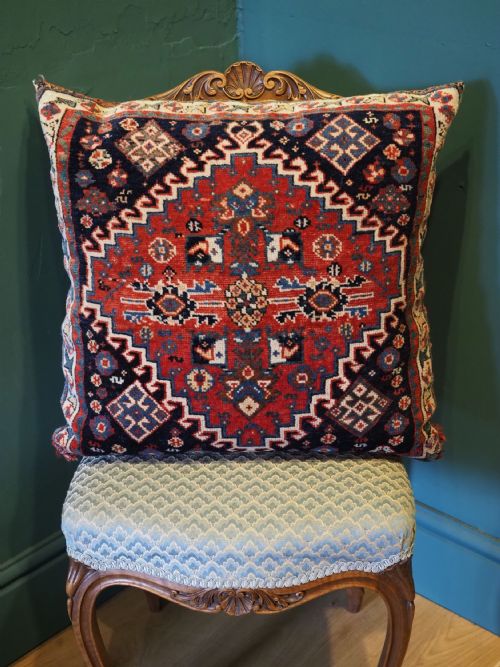
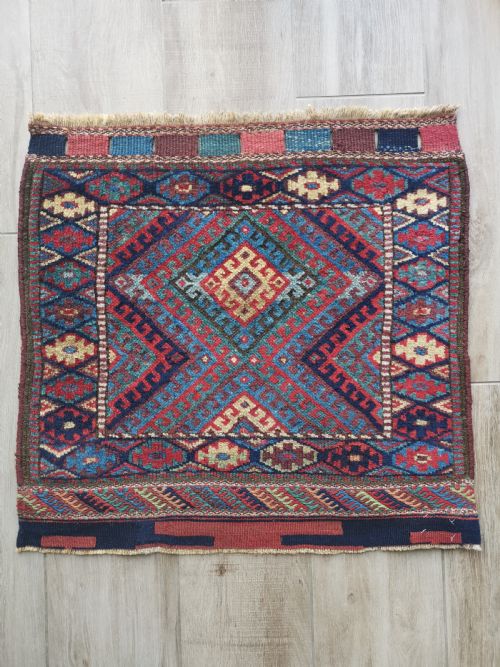
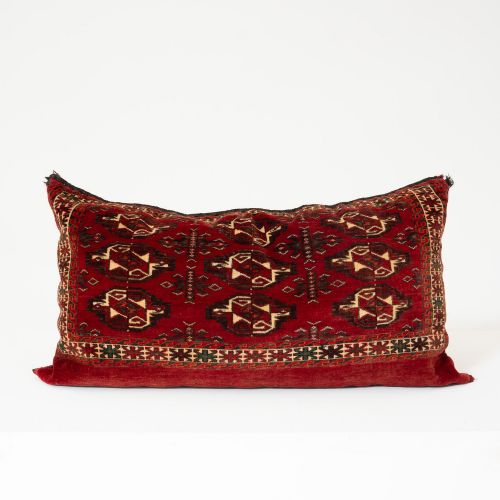
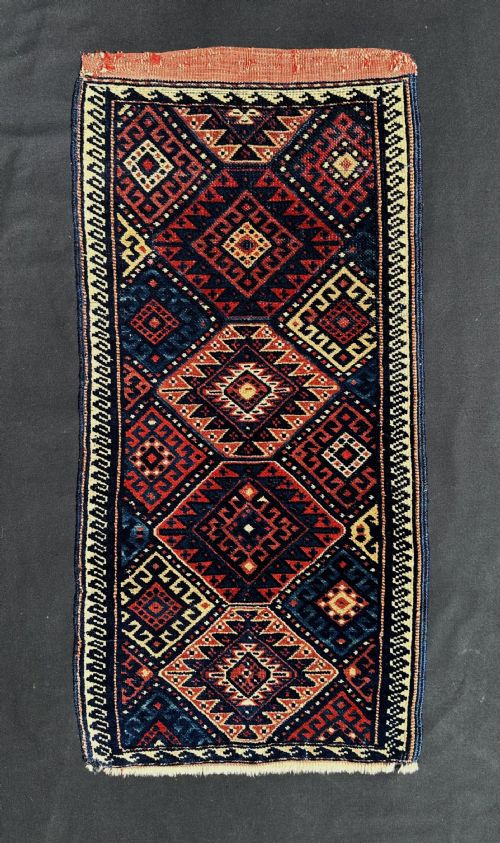
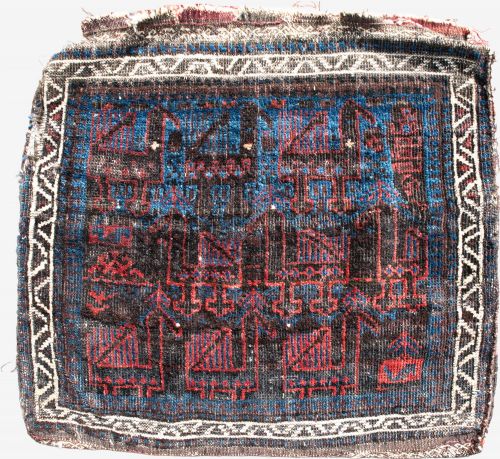
The most common formats on this page are cushion covers and pillows constructed from nineteenth-century and early twentieth-century tribal bag faces paired with plain weave wool or linen backs. Pieces range from Baluch and Qashqai saddle bag cushions to Yomut and Tekke Turkmen torba and chuval faces.
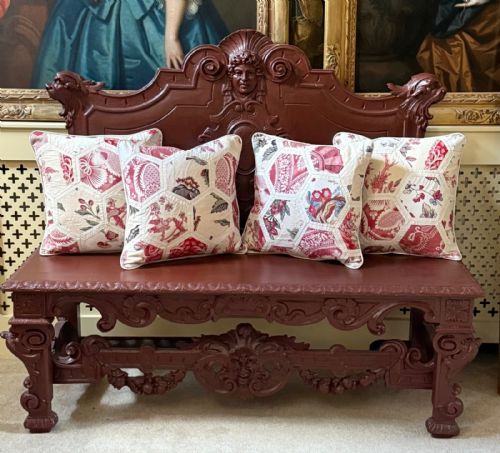
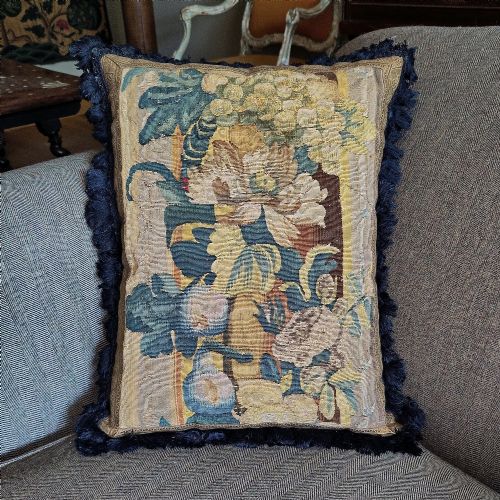
European examples appear in the form of seventeenth-century Flemish tapestry borders, French silk fragments, and Swedish pillow embroidery. These diverse textiles transition from nomadic tent furnishings and formal European interiors into decorative soft furnishings.
Hand-spun wool, natural dyes and historical textiles
The materials recorded in these listings rely heavily on hand-spun wool, silk, cotton, linen and natural dyes used in nomadic weaving traditions. Turkmen, Baluch and Qashqai pieces utilise durable wool and flatweave or pile techniques suited to daily tribal life.
European examples employ fine Belgian linen and French silk combined with tapestry weaving and needlework. Many items incorporate feather inners and turned wood elements alongside the primary fabric construction.
Antique Textile Pillow Retail Price Guide 2026
Typical asking prices for textile pillow among the pieces listed under this phrase on Sellingantiques today, from the lower quarter to the upper quarter. They describe what is for sale here now, not the wider market.
Listings span from the seventeenth century to the early twentieth century, featuring wool, silk, linen, and natural dyes across tribal and European styles.
Weave density, dye depth and material integrity
Quality in these textiles rests upon the fineness of the weave, the clarity of the natural dyes and the preservation of the original design elements such as guls or pictorial motifs. Pieces retaining complete backs, tassels and original proportions command greater interest.
The condition of the textile surface, whether a tribal bag face or a seventeenth-century Flemish tapestry border, dictates the visual impact of the finished cushion.
The Antique Textile Pillow Glossary
- Torba
- A small Turkmen storage bag used inside a tent for household goods. These bag faces frequently form the front panels of decorative cushions.
- Gul
- A medallion pattern or repeating octagonal motif used in Turkmen carpet and bag designs. These symbols identify specific tribal groups.
- Balisht
- A traditional Persian pillow or small sleeping bag face. They provide compact formats for decorative textile cushions.
- Flatweave
- A textile constructed without pile by interlacing warp and weft threads. Examples include kilims and banded designs found on nomadic bags.
Antique Textile Pillow: Frequently Asked Questions
What is an antique textile pillow?
An antique textile pillow is a decorative cushion constructed from older historical fabrics, primarily nineteenth-century tribal bag faces, Persian saddle bags, or European tapestries and silks.
These functional items repurpose fragments of nomadic weaving or historical textiles into soft furnishings suitable for modern interiors.
How were tribal bags used originally?
Nomadic tribes utilised bags like torbas, chuvals and balishts for storing grain, bedding, clothing and household possessions inside tents.
They served practical storage functions before their decorative faces were later converted into cushion covers.
How do I care for an antique textile pillow?
These cushions require gentle treatment due to the age of the wool, silk, linen and natural dyes used in their construction.
Keep them out of direct sunlight to prevent fading and air them periodically rather than attempting aggressive washing.
How can I tell different tribal designs apart?
Tribal designs vary by region through specific motifs, colour palettes and weaving structures, such as the distinctive guls of Turkmen groups or the geometric patterns of Qashqai and Baluch pieces.
Examining the weave style and regional characteristics helps identify the origin.