




Antique Textile Design
When searching for antique textile design, collectors encounter tribal weavings and embroidered panels bearing traditional motifs from Central Asian and Persian workshops.
Antique Textile Design
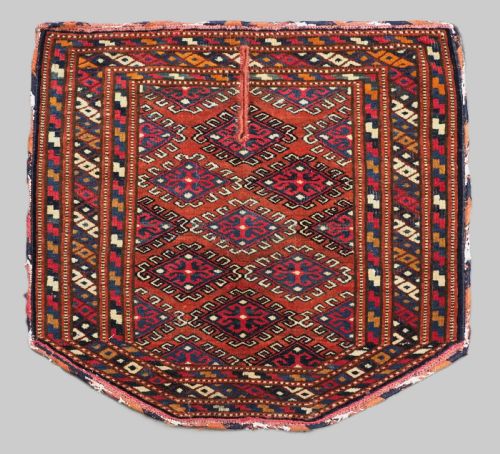
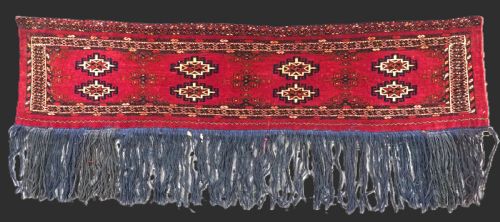
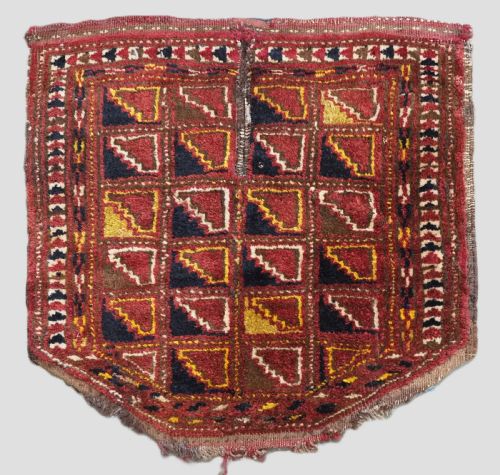
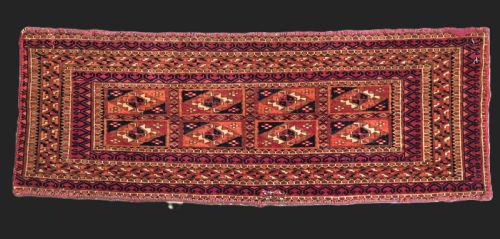
Items associated with antique textile design encompass Central Asian and tribal utility pieces such as storage bags, saddle covers, tent hangings, and embroidered wall panels. These items originate primarily from Turkmen groups, Uzbek regions, and Persian workshops dating from the mid-nineteenth century through the early twentieth century.
The selection on this page centres heavily on tribal weavings, notably torbas, chuvals, and mafrashes, alongside embroidered Suzanis and silk textiles. Buyers will frequently encounter specific regional patterns such as gul motifs, curled leaf designs, and banded flatweave structures.
How they were made
Textiles in this category utilise natural materials including wool, hand-spun wool, cotton, and silk, often dyed using traditional natural substances. Felt and wood also appear where block printing or appliqué work forms part of the construction.
Construction techniques involve woven pile, flatweave structures, and detailed needlework. Appliqué work using silk and felt, alongside fabric printing blocks, demonstrates the varied hand-worked methods applied to these historical pieces.
Antique Textile Design Retail Price Guide 2026
Typical asking prices for textile design among the pieces listed under this phrase on Sellingantiques today, from the lower quarter to the upper quarter. They describe what is for sale here now, not the wider market.
Ten wooden printing blocks once rested in Liberty's hands, waiting to stamp patterns onto cloth.
What varies in quality
Quality in these works rests upon the precision of the weave and the clarity of the design structure. Finer knotting and tightly compacted flatweaves distinguish superior examples from standard utility pieces.
The vibrancy and retention of natural dyes dictate visual depth across the surface. Pieces displaying distinct drawing within motifs such as gul roundels or floral sprays demonstrate higher competence from the maker.
The Antique Textile Design Glossary
- Gul
- A primary medallion motif used repeatedly in Turkmen tribal rug and textile design. These octagonal or polygonal shapes often identify the specific tribal group that produced the weaving.
- Suzani
- An embroidered tribal textile originating from Uzbekistan, typically worked in silk thread on a cotton or linen ground. Traditional patterns feature floral sprays, vines, and architectural elements.
- Torba
- A small storage bag produced by Turkmen and other Central Asian tribes for domestic use inside a yurt. These faces frequently display elaborate primary guls and detailed elem borders.
- Chuval
- A large tent bag utilised by nomadic groups for household storage. They typically exhibit multiple rows of guls and robust construction.
- Mafrash
- A rectangular storage container or face used for bedding and belongings during tribal migrations. They often incorporate banded flatweave or piled structures.
- Lampas
- A complex shuttle-woven silk textile structure featuring a pattern-wefiting technique. This historical method creates rich surfaces with contrasting matte and glossy finishes.
Antique Textile Design: Frequently Asked Questions
What is an antique textile design?
Antique textile design refers to traditional patterns and motifs found on historical woven and embroidered works from Central Asia and Persia. These designs carry specific tribal and regional identities passed down through generations.
Collectors study these patterns to understand the cultural origins, materials, and historical periods associated with each specific textile piece.
How were tribal storage bags used?
Tribal storage bags such as torbas and chuvals served practical purposes inside nomadic tents for storing clothing, blankets, and household goods. They hung against lattice walls or stacked upon pack animals during migrations.
Over time, these functional containers became prized for their intricate geometric designs and symbolic tribal markings.
How do I identify a Suzani?
A Suzani is an embroidered panel from Central Asia, traditionally worked by hand using silk threads on a foundation fabric. They feature large-scale floral motifs, vines, and occasionally architectural layouts.
Most examples display vibrant red or ivory grounds created for domestic wall hanging or ceremonial use.
What are Turkmen guls?
Turkmen guls are repeating medallion designs woven into carpets and storage bags by various nomadic tribes. Each tribe, such as the Tekke, Yomut, or Ersari, utilised distinct gul variations.
Recognising these specific geometric emblems helps collectors attribute the regional origin and approximate age of a weaving.