

Antique Terracotta Pottery
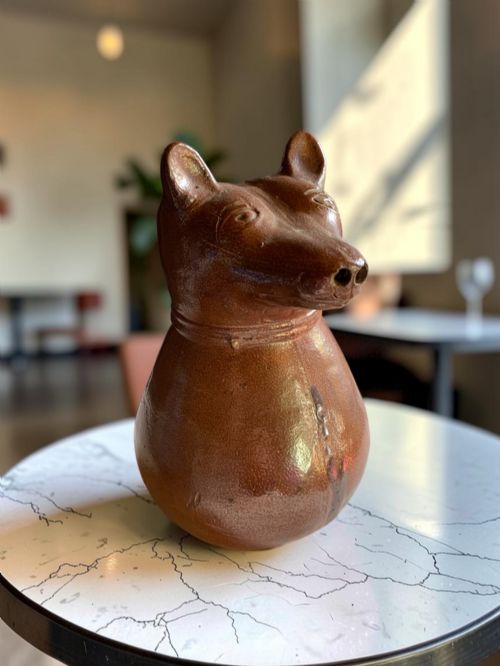
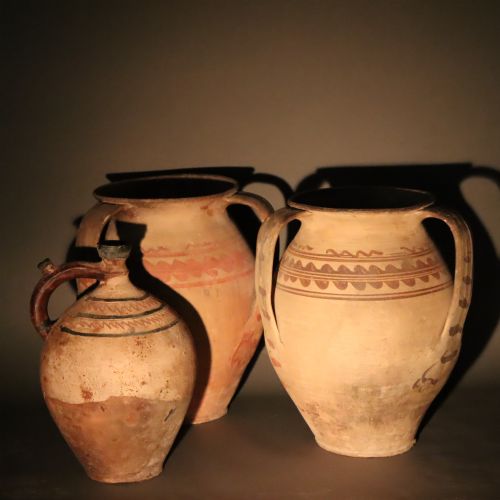
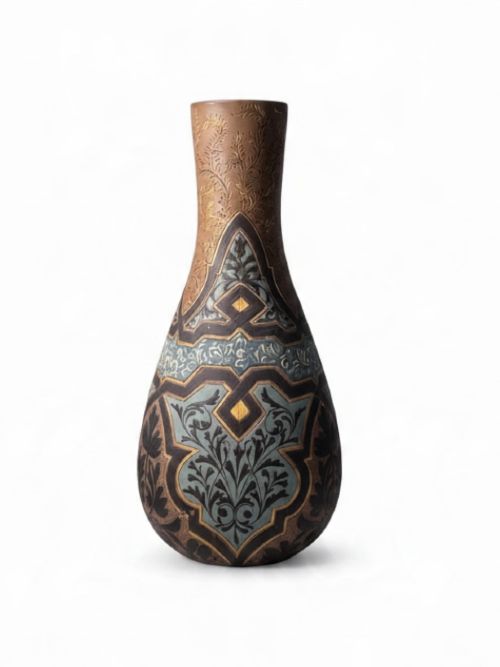
Antique terracotta pottery encompasses ancient burial figures, vibrant Victorian decorative vessels, and rustic country jugs shaped from fired clay across centuries.
Antique Terracotta Pottery
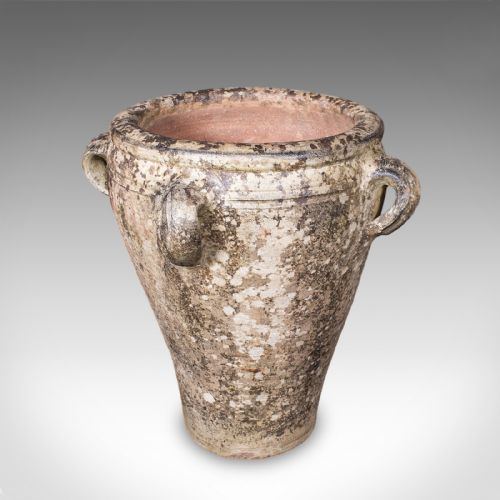
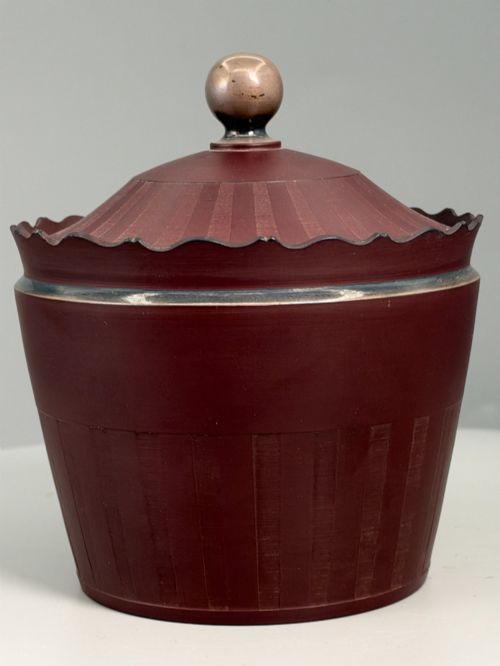
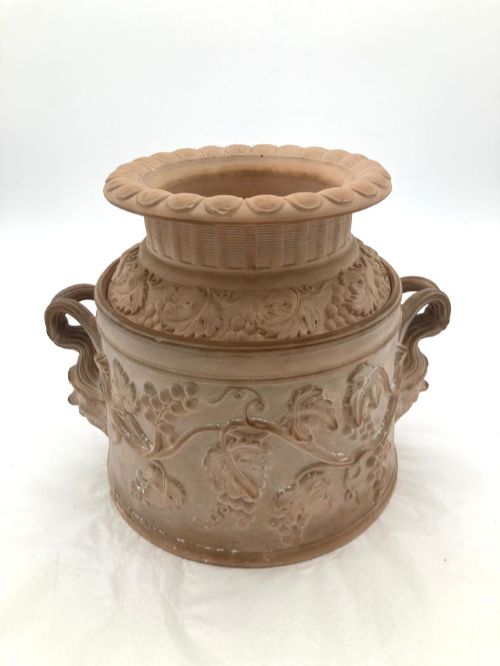
Antique terracotta pottery covers a broad spectrum of fired clay objects, spanning utilitarian vessels, decorative figures, and ancient tomb pieces. Collectors pursuing antique terracotta pottery frequently encounter nineteenth-century European vases, figures, and jugs alongside much older earthenware forms from Asia and the ancient world.
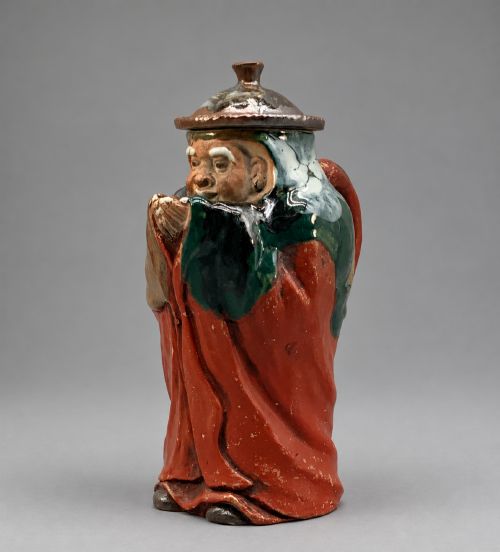
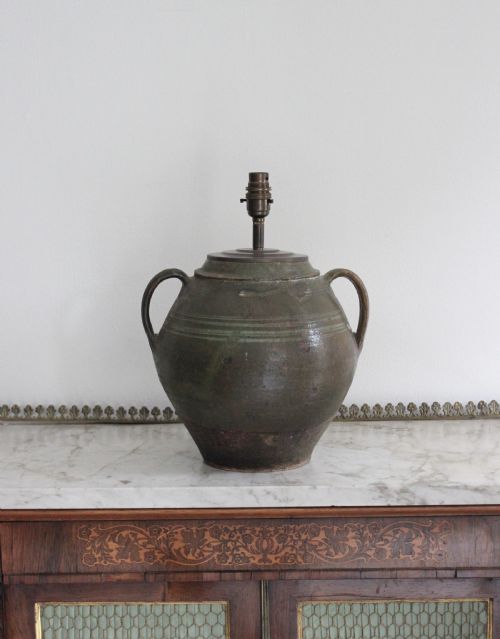
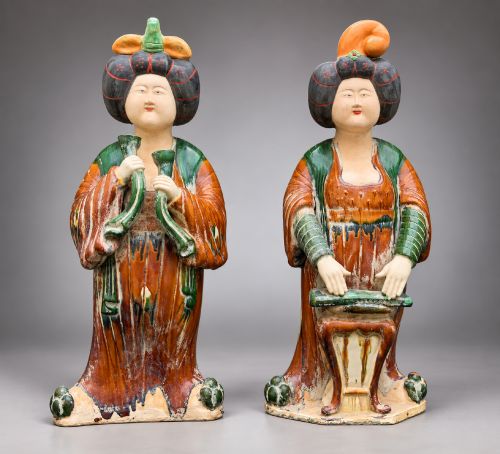
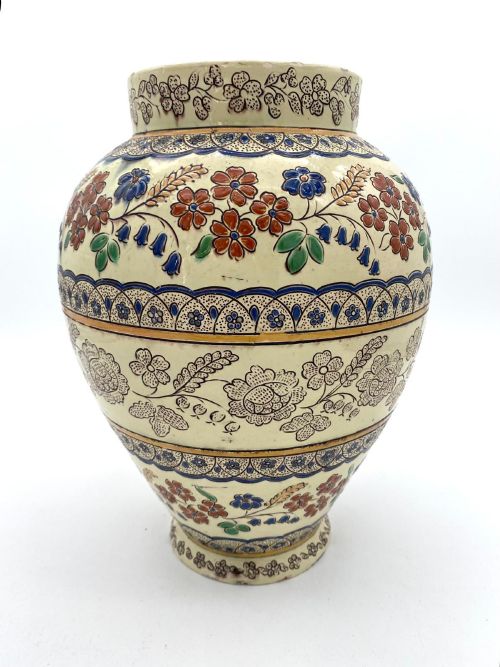
The selection ranges from Staffordshire greyhounds and dairy bowls to Chinese Han Dynasty figures and Japanese Sumida Gawa pitchers. Functional kitchenware like confit pots and wine jars sit alongside ornamental lamps and grand tour vases.
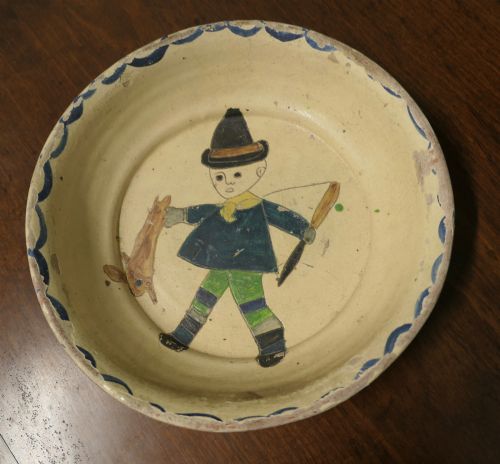
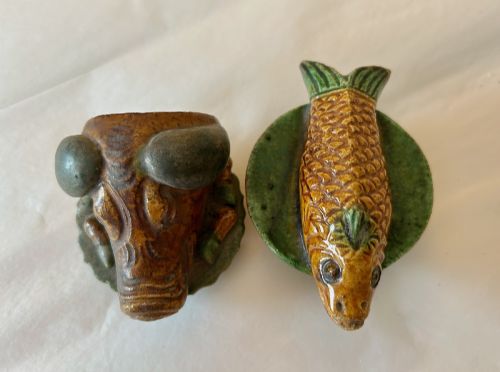
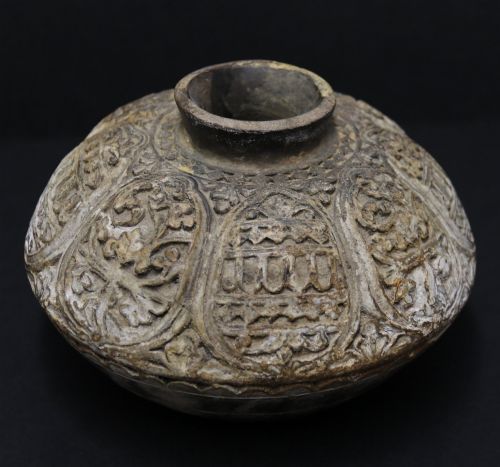
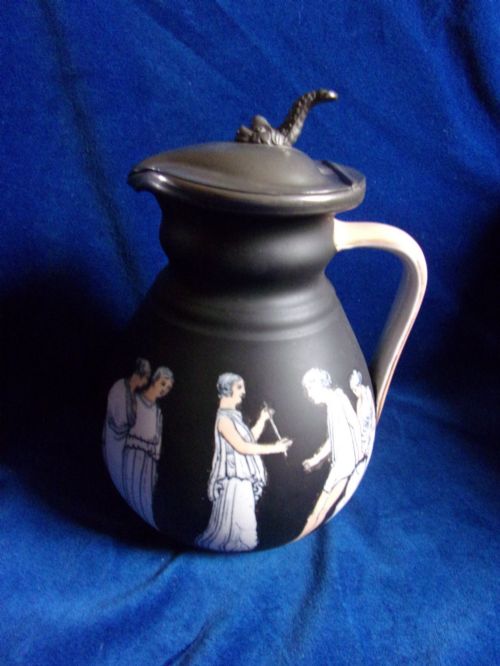
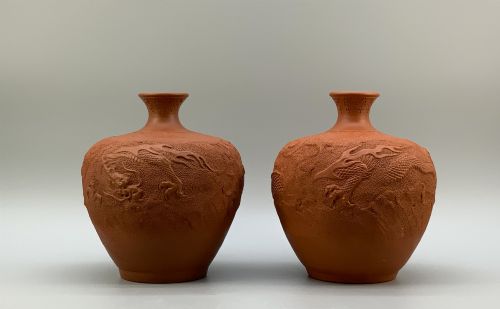
Victorian examples often display neoclassical lines or folk art charm, while Asian items bring relief modelling and distinctive glazes. Each piece reflects the utility, ritual, or decorative tastes of its original period of production.
How they were made
Potters shaped these pieces using local clays, often turning them on a wheel or pressing them into moulds before firing them in kilns. The resulting porous earthenware body served as the foundation for various surface treatments.
Makers applied lead glazes, enamel, or slip to seal the clay and add colour, occasionally incorporating gold leaf or silver mounts for high-status commissions. Painted decoration appeared directly on unglazed surfaces in ancient burial pottery, while later European workshops utilised rich polychrome and cobalt blue glazes.
Antique Terracotta Pottery Retail Price Guide 2026
Typical asking prices for terracotta pottery among the pieces listed under this phrase on Sellingantiques today, from the lower quarter to the upper quarter. They describe what is for sale here now, not the wider market.
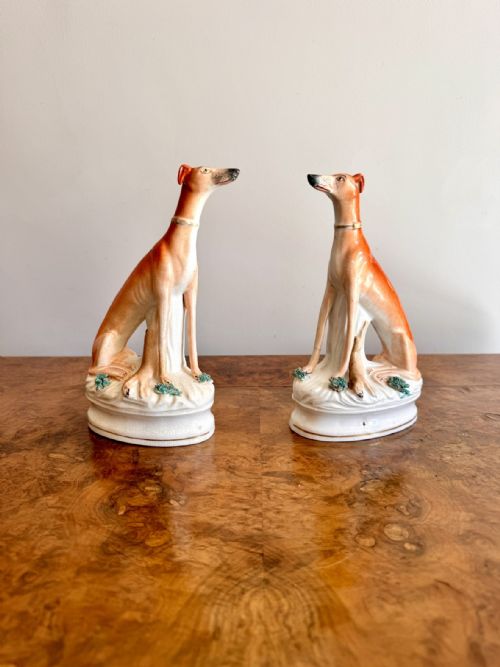
Victorian Staffordshire potters faithfully rendered loyal greyhounds with hares at their feet, offering immortal canine companions for the parlour mantelpiece.
What varies in quality
The standard of modelling and crispness of detail define the higher tiers of these objects, particularly in figurative works and relief-decorated vessels. Superior pieces show confident hand-finishing and expressive detail rather than soft outlines from worn moulds.
The application and preservation of the glaze or paint layer also dictate the calibre of an item, with stable, vibrant surfaces commanding greater appreciation. Provenance, clarity of signatures, and the integrity of the original clay body complete the distinction between ordinary and exceptional examples.
Davenport·Seaton Pottery·Goldscheider·Inoue Ryōsai
The Antique Terracotta Pottery Glossary
- Terracotta
- A porous, brownish-red earthenware clay that is fired at relatively low temperatures. It remains unglazed or receives surface coatings for decorative effect.
- Slipware
- Pottery decorated with slip, a liquid mixture of clay and water, applied to the wet or leather-hard body by dipping, trailing, or brushing.
- Majolica
- A type of earthenware covered with an opaque white tin glaze and painted with metallic oxide colours. It produces bright, polychrome surfaces popular in Italian and revival wares.
- Mingqi
- Ancient Chinese burial goods and spirit objects placed in tombs to accompany the deceased. These figures typically include terracotta animals, dancers, and guardians.
- Confit pot
- A traditional French earthenware jar featuring a glazed upper section and unglazed lower body. Rural households used these handled pots for preserving and storing meats.
Antique Terracotta Pottery: Frequently Asked Questions
Were these vessels used for cooking?
Many utilitarian forms, such as wine jars and dairy bowls, served practical storage and preparation roles in historic households. Porous terracotta regulated temperatures well for holding liquids and foodstuffs.
Other items, particularly fine figures, Grand Tour vases, and tomb pottery, were purely decorative or ritualistic from creation. Examine the interior for wear or staining to understand a specific piece's historical function.
How do I tell ancient pottery from later revivals?
Scientific testing methods like thermoluminescence can help establish the firing date of ancient terracotta. Visual examination of tool marks, wear patterns, and mineral deposits also provides clues regarding age.
Nineteenth-century revival pieces often mimic earlier styles, such as Italian Maiolica or Han Dynasty forms, using contemporary manufacturing methods. Compare weight, glaze chemistry, and potting techniques against known museum exemplars.
Where should I display heavy terracotta pieces?
Position heavy jars, figures, and vases on sturdy, level surfaces that can comfortably support their substantial weight. Keep delicate earthenware away from high-traffic household areas where accidental knocks might occur.
Consider natural light levels, avoiding prolonged direct sunlight that might fade painted surfaces or slip decorations. Stable indoor humidity protects porous clay bodies from environmental stress.