




Antique Tea Spoons Set
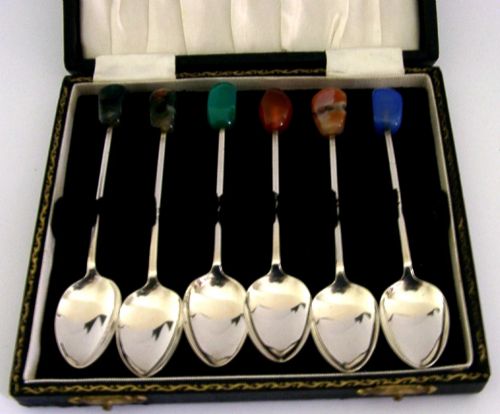
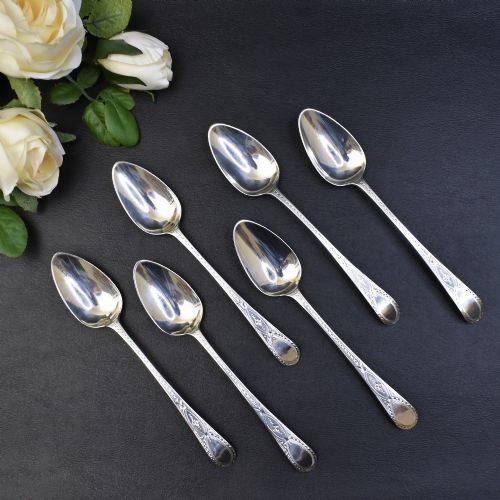
An antique tea spoons set brings proper weight and ceremony to the table, whether you find a simple Georgian bright-cut service or a brightly enamelled Art Deco grouping.
Antique Tea Spoons Set
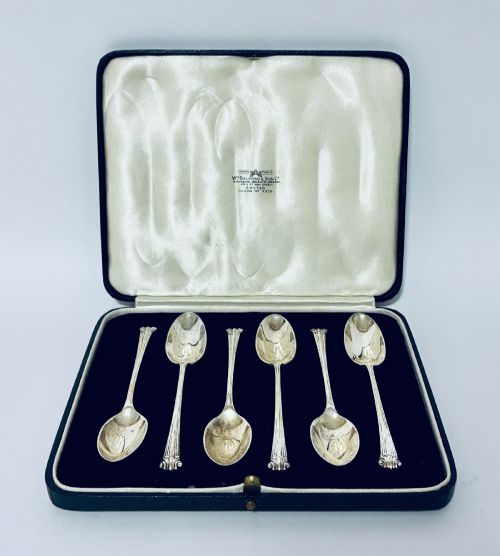
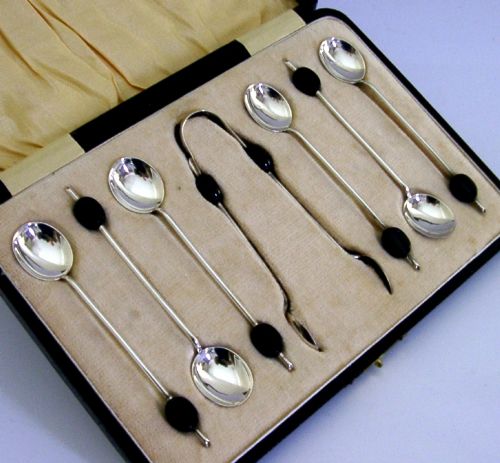
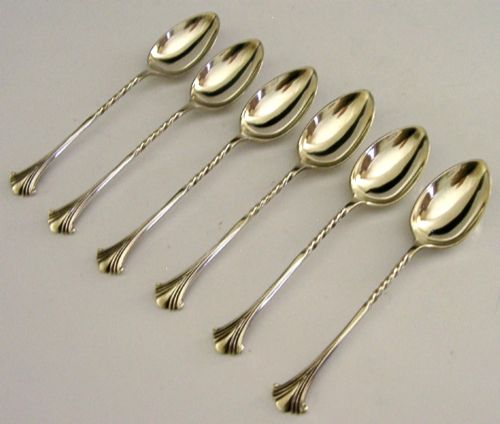
An antique tea spoons set gathers multiple matching or associated small spoons, frequently accompanied by matching sugar tongs, sifter spoons, or fitted presentation cases lined in velvet, silk, or satin. You are most likely to encounter sets dating from the Victorian and Edwardian eras, alongside crisp George V and Art Deco iterations.
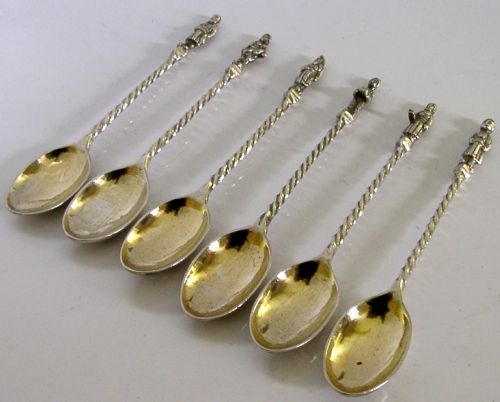
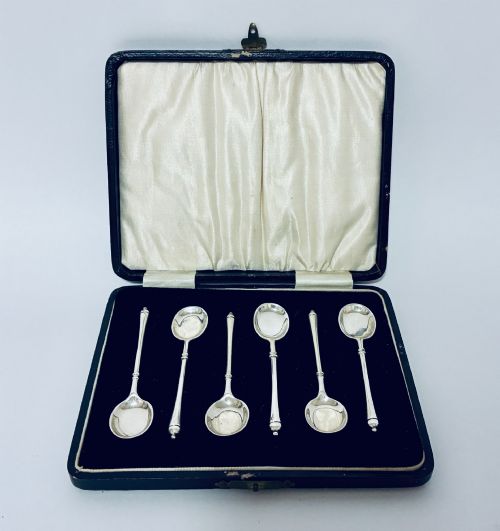
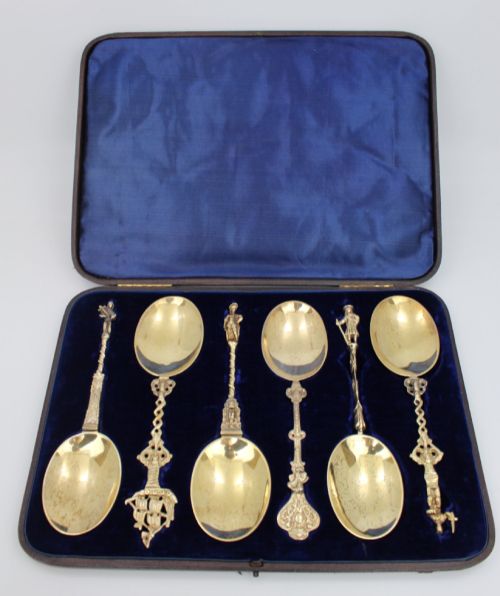
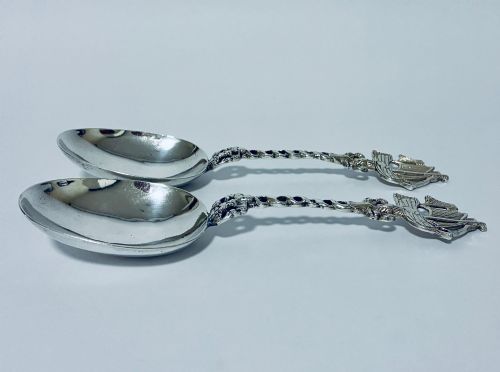
The configurations vary beyond standard tea service to include coffee spoons, apostle spoons with figural finials, and specialised sets incorporating sugar bowls or cream jugs. Many survive intact within their original leatherette or fabric-lined boxes, preserving the cutlery in presentation order.
Materials and construction
The primary material across these sets is sterling silver or solid silver, occasionally enhanced with silver-gilt finishes where the bowl receives a secondary wash of gold. Manufacturers also applied polychrome enamel for vibrant geometric or floral decoration, particularly during the Art Deco period.
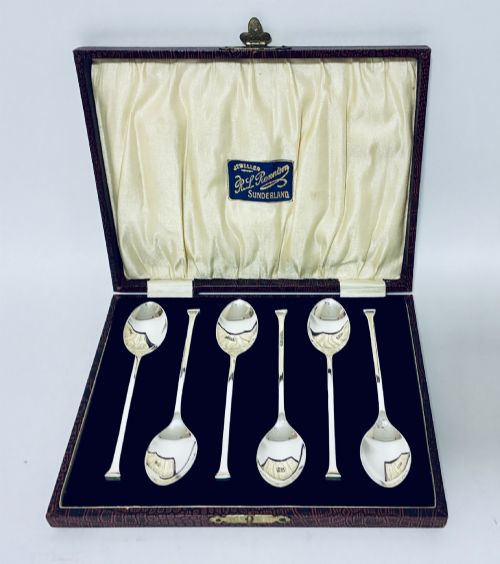
Casing materials such as leatherette, velvet, silk, and satin protect the metalwork, while fitted boxes often utilise internal wooden or card frames covered in textured exteriors to hold each spoon securely by its handle and bowl.
Antique Tea Spoons Set Retail Price Guide 2026
Typical asking prices for tea spoons set among the pieces listed under this phrase on Sellingantiques today, from the lower quarter to the upper quarter. They describe what is for sale here now, not the wider market.
Bridge spoons keep the card game moving by letting players stir their tea without ever letting go of their hand.
Markers of quality
Quality rests in the crispness of the original chasing, engraving, and bright-cut work upon the stem and bowl, as heavy everyday use softens delicate surface patterns over decades. Maker marks and clear provincial or London hallmarks add distinct provenance and guarantee the purity of the metal.
The integrity of auxiliary pieces, such as matching sugar tongs or unbroken enamel work, separates standard service items from higher-tier collector pieces. Complete original fitted boxes in sound condition likewise elevate the standing of a set.
Deakin & Francis·Georg Jensen·P A W Bateman·Robert Stebbings
The Antique Tea Spoons Set Glossary
- Sterling silver
- A standard alloy consisting of ninety-two point five percent silver by mass, with the remainder composed of copper or other metals to provide durability. This alloy forms the base of the majority of British flatware.
- Silver-gilt
- Sterling silver that has been coated with a thin layer of gold through an electrochemical or fire-gilding process. It imparts a rich golden interior to spoon bowls.
- Bright-cut engraving
- A surface decoration technique utilising faceted V-cut incisions that reflect light from multiple angles. It is frequently seen on Georgian handle terminals.
- Apostle spoon
- A spoon featuring a cast figure of an apostle or saint forming the terminal of the handle. These historic designs were frequently revived in later Victorian and Edwardian silver services.
- Assay office
- An official body charged with testing the purity of precious metals and stamping items with statutory hallmarks. Provincial offices such as Exeter and Chester provided distinct regional marks.
Antique Tea Spoons Set: Frequently Asked Questions
What are apostle spoons used for?
Apostle spoons were traditionally gifted as christening presents by godparents during the Tudor and Stuart periods, featuring figural finials representing the twelve disciples and Christ. Later revival sets served decorative and ceremonial functions on the dining table.
In modern collections, these figural pieces are appreciated for their sculptural handles and detailed casting work rather than daily dining use.
How do I date a silver spoon set?
Dating relies heavily upon the stamped hallmarks on the reverse of the stem, which typically include a maker mark, a standard mark denoting silver purity, a town mark indicating the assay office, and a date letter.
Stylistic cues such as bright-cut engraving point to the Georgian period, while geometric enamelling and streamlined handles indicate later Art Deco production.
Are cased spoon sets original?
Many sets survive in their original fitted presentation boxes lined with velvet, silk, or satin, specifically tailored to the exact count and shape of the spoons and tongs. Retailers of the Victorian and Edwardian periods routinely supplied these boxes at the point of purchase.
Matching the contour of the internal slots to the spoons confirms whether the case and cutlery have remained together since manufacture.
How should I clean antique silver spoons?
Antique silver benefits from gentle washing in warm water with a mild soap, followed by thorough drying with a soft cloth to prevent moisture spots. Avoid harsh abrasive pastes that wear away thin gilding or shallow hallmarks.
Enamelled pieces require particular care, keeping moisture away from vulnerable edges where the vitreous paste meets the silver base.