

Antique Tea Spoon
An antique tea spoon brings functional history to the table, offering a tangible connection to Georgian, Victorian, and Edwardian domestic rituals.
Antique Tea Spoon
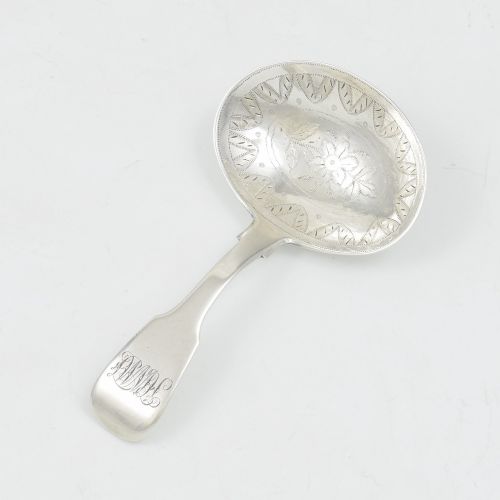
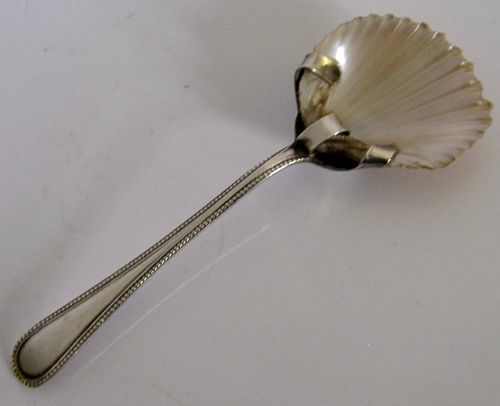
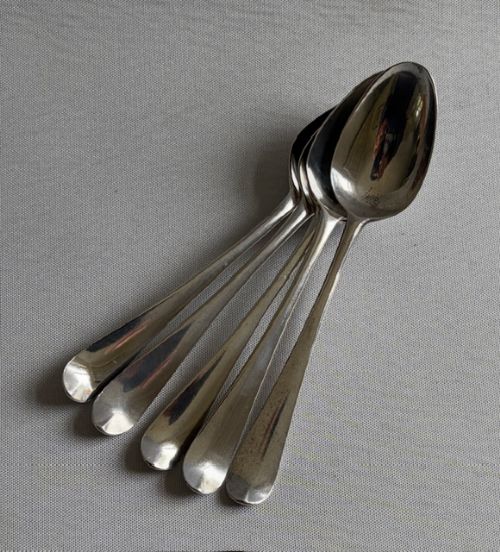
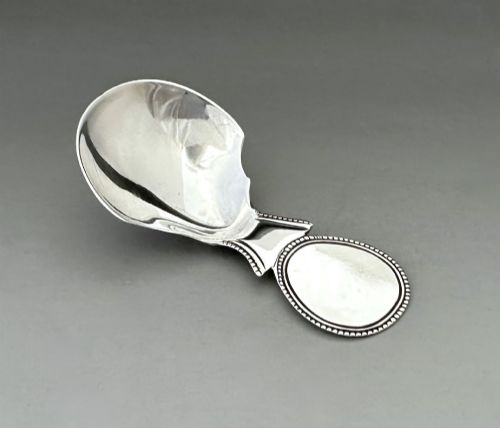
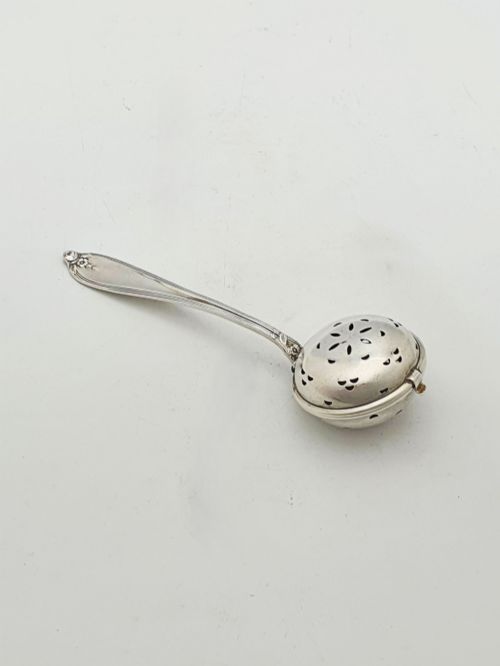
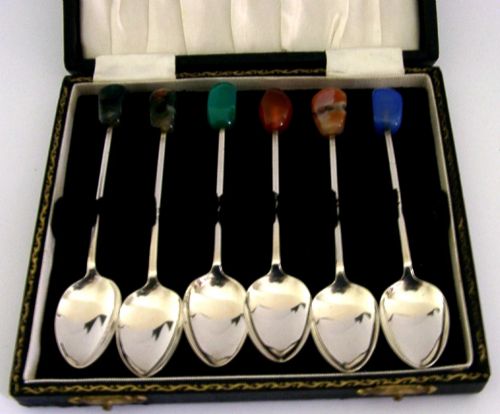
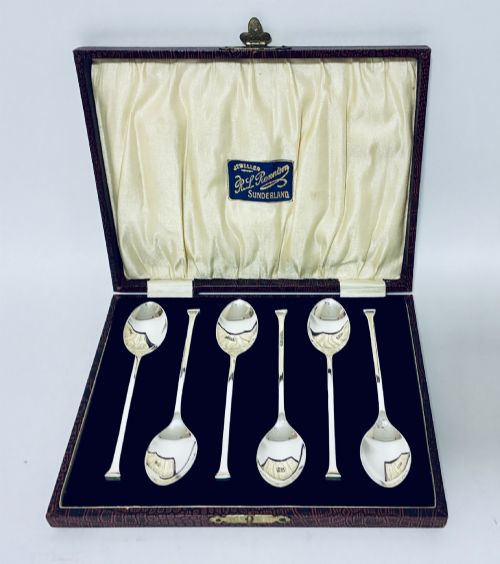
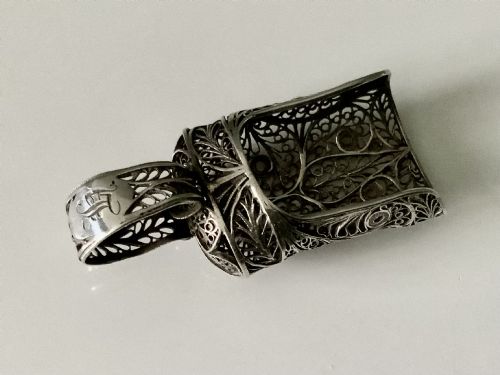
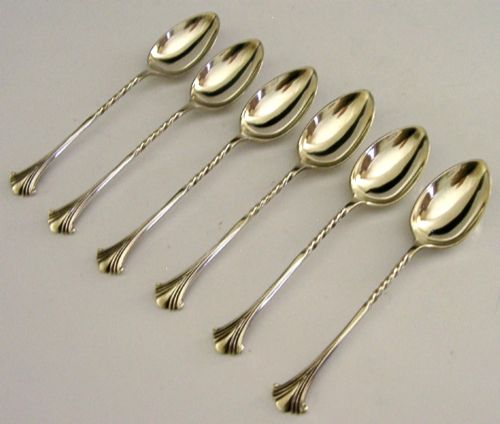
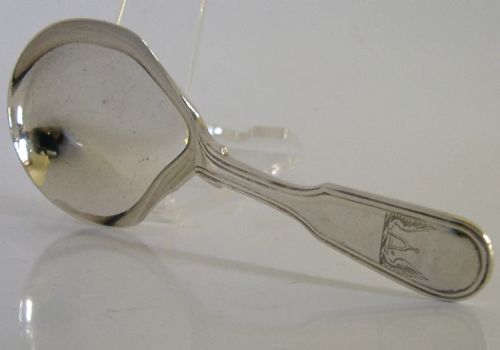
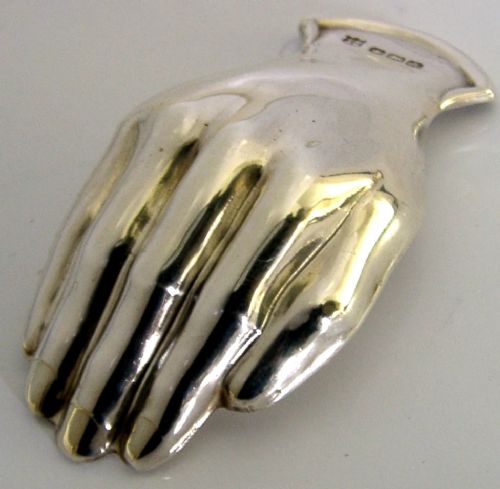
An antique tea spoon encompasses small domestic implements designed for serving and stirring tea, alongside specialised caddy spoons engineered for transferring loose leaves from container to pot. The examples found here span the Georgian, Victorian, and Edwardian eras, stretching through the Art Nouveau, Art Deco, and mid-century periods.
Materials and construction
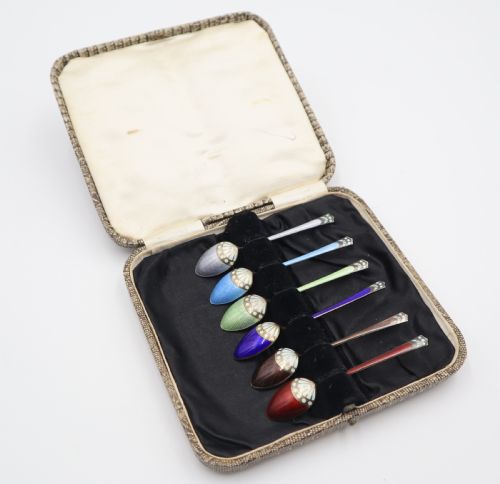
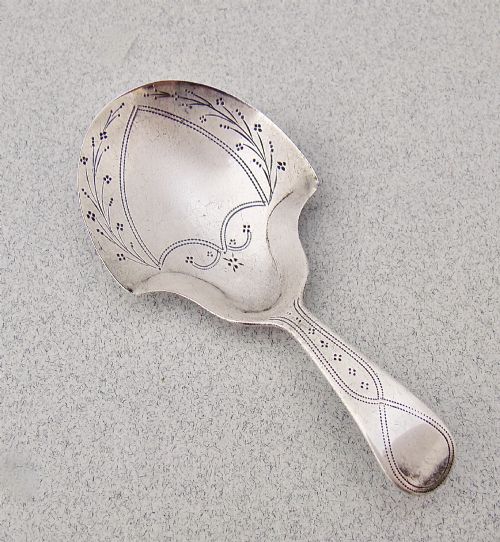
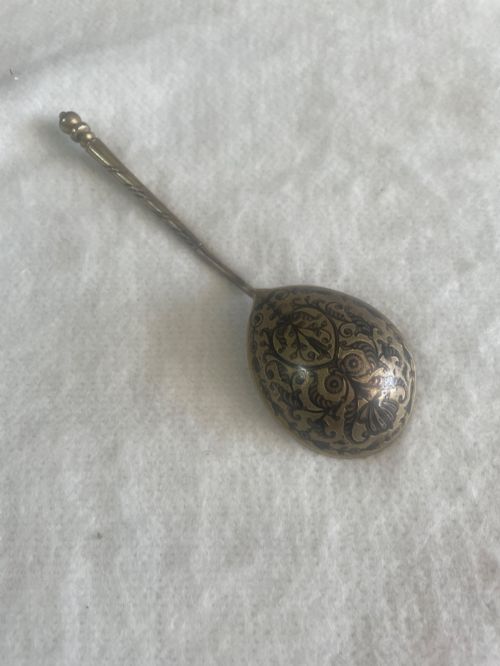
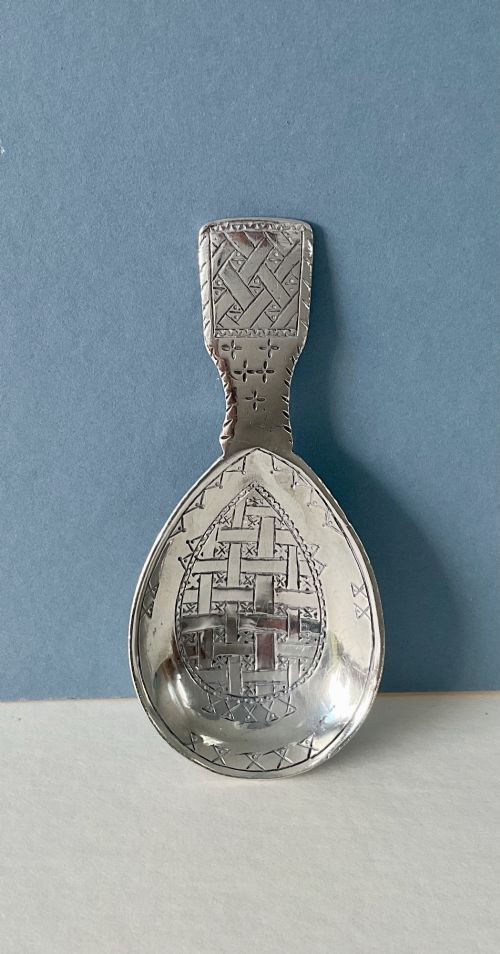
Sterling silver serves as the primary material across these listings, occasionally enhanced with silver gilt or colourful enamel work. Silversmiths employed techniques such as bright-cut engraving, hand carving, and casting to shape the bowls and handles of each implement.
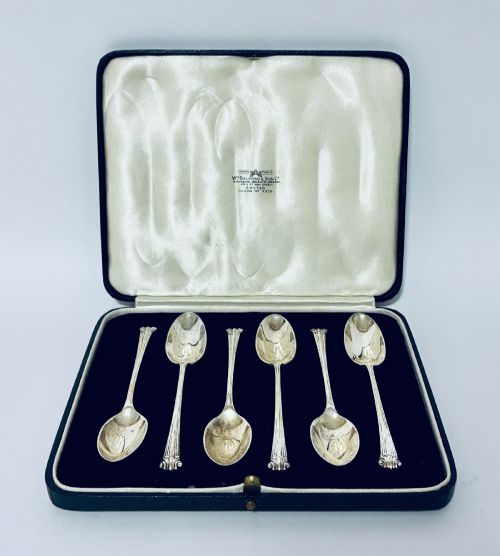
Enclosed caddy sets utilise protective exterior casings finished in leatherette to safeguard the precious metal inside. Hard wood also appears in specific carved oriental forms, demonstrating diversity in material selection across different regional workshops.
Antique Tea Spoon Retail Price Guide 2026
Typical asking prices for tea spoon among the pieces listed under this phrase on Sellingantiques today, from the lower quarter to the upper quarter. They describe what is for sale here now, not the wider market.
Listings span periods from Georgian and Victorian eras through to Edwardian, Art Deco, and mid-century modern designs.
Assessing quality and distinction
Distinction in these pieces rests upon the crispness of the original chasing, the weight of the solid silver, and the clarity of the assay office hallmarks. Pieces bearing identifiable maker marks or specific crests command greater interest from collectors.
The integrity of a fitted case and the completeness of a matched set influence the character of the grouping. Finer examples display meticulous attention to detail in functional decorative elements like bright-cut handles or figural bowls.
Deakin & Francis·Martin Hall & Co·William Neale·David Andersen·Georg Jensen
The Antique Tea Spoon Glossary
- Caddy spoon
- A specialised short-handled spoon used specifically for measuring loose tea leaves from a caddy. These pieces often feature wide bowls shaped like shells, leaves, or caps.
- Hallmark
- An official stamp applied by an assay office to indicate the metal purity, the maker, and the year of manufacture. British silver typically carries symbols denoting the town, standard, and date letter.
- Bright-cut engraving
- A surface decoration technique utilising faceted cuts to create a sparkling geometric pattern. This method was widely used on Georgian silver handles.
- Silver-gilt
- Sterling silver that has been coated with a thin layer of gold on the surface. This technique provides a rich two-tone appearance, frequently seen on apostle spoons.
Antique Tea Spoon: Frequently Asked Questions
How do I identify a Georgian tea spoon?
Georgian pieces carry date letters and hallmarks specific to the late eighteenth or early nineteenth century. Look for distinct design traits like bright-cut engraved handles and rounder bowl shapes.
Assay office marks stamped into the silver confirm the exact city of origin and production decade.
What are apostle spoons?
Apostle spoons feature handles decorated with figures of the Christian apostles, typically topped with a halo. They date back centuries as traditional christening gifts and were reissued in matched sets during the Victorian and Edwardian periods.
Complete cased sets often include matching sugar tongs.
How should I care for silver spoons?
Solid silver requires gentle cleaning with a specialised soft cloth to preserve the original patina and hallmark details. Avoid abrasive compounds that wear away thin engraving.
Store cased sets in dry environments to protect the interior velvet or silk linings.