





Antique Tea Caddy Lid
When searching for an antique tea caddy lid, you are looking at the surviving closures and tops of historic containers designed to safeguard precious dry leaf.
Antique Tea Caddy Lid
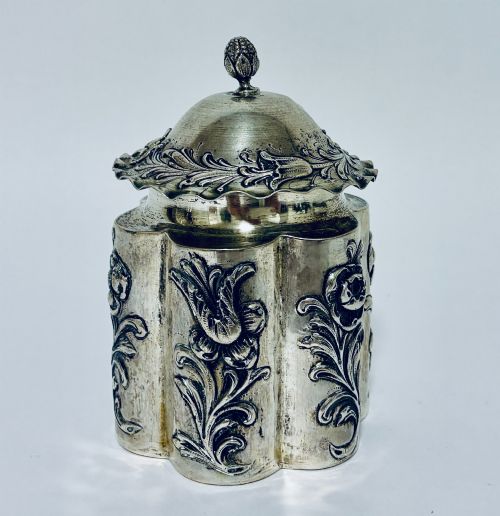
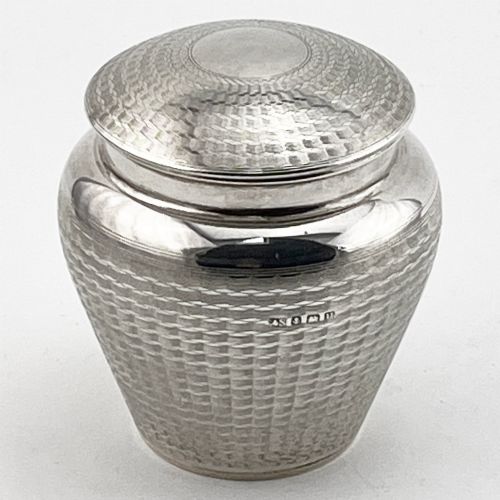
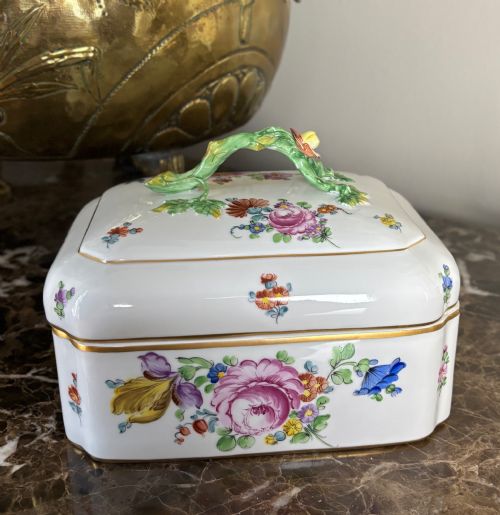
The objects gathered under the heading of an antique tea caddy lid encompass components from Georgian, Regency, and Victorian wooden boxes, alongside silver canisters, porcelain jars, and metal vessels. Many examples take the form of hinged flaps, lift-off plates, or fitted covers belonging to larger sarcophagus, cube, or domed receptacles.
The evidence shows these elements matched sophisticated cabinetry and metalwork, spanning periods from the eighteenth century through the early twentieth century. These components functioned to preserve the aroma of stored leaves in formal drawing rooms.
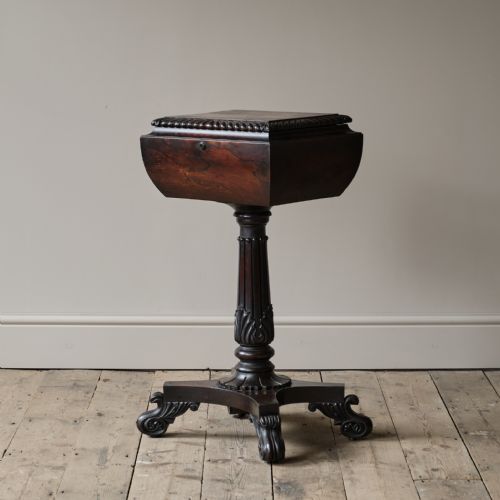
Buyers encounter a mixture of replacement tops and original fittings belonging to chests, boxes, and teapoys. Materials range from dense hardwoods like mahogany and rosewood to sterling silver, brass, porcelain, and tortoiseshell-adjacent effects.
Materials and construction methods
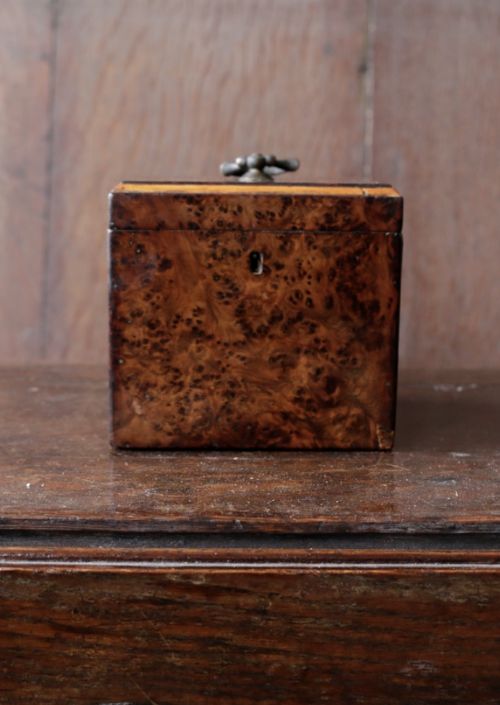
Makers utilised dense timbers such as burr walnut, mahogany, and rosewood for wooden receptacles, often applying intricate veneers or penwork decoration to the upper surfaces. Carpentry techniques relied on precise joinery to ensure the cover sat flush against the main body of the box.
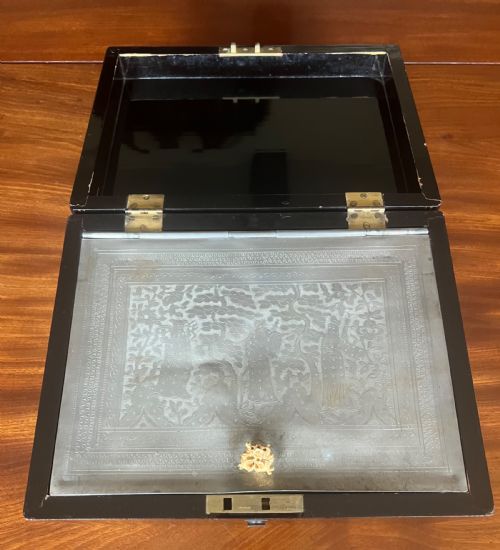
Metal components, particularly sterling silver and brass, were cast, chased, or hammered into shape, with some items featuring pull-off lids or sliding mechanisms. Ceramic vessels relied on traditional throwing and hand-painting techniques, finished with fitted lids designed to seal tightly against moisture.
Some nineteenth-century boxes incorporated secret locking mechanisms hidden beneath the lid to keep the household tea safe from light-fingered staff.
Markers of distinction
The degree of refinement in grain selection and decorative execution separates standard items from finer examples. Superior specimens display meticulous matching of wood veneers, crisp chasing on metalwork, or delicate hand-painted detail on porcelain.
Integrity of construction and the presence of original matching mounts or internal elements elevate a piece. Evidence of thoughtful hand-finishing across hinges, borders, and edgings indicates superior workshop origin.
Ernest Druiff And Co·Joseph Willmore·Mappin And Webb·Samuel Taylor·Thomas Heming·Adolf Mayer·Peter Gillois
The Antique Tea Caddy Lid Glossary
- Sarcophagus
- A box shape featuring a sloping lid and a stepped profile, reminiscent of a stone coffin. This form became popular during the Regency period for tea storage.
- Teapoy
- A small table or large standing box fitted with interior compartments for holding different varieties of tea. These often featured elaborate lids and mixing bowls.
- Penwork
- A decorative technique utilising fine ink drawing on wood, sealed with varnish to create intricate imagery. This method adorned various surfaces of nineteenth-century boxes.
- Old Sheffield Plate
- A composite material made by fusing a thin layer of silver to a thicker copper base. Makers utilised this method to produce affordable luxury tableware before electroplating.
- Chasing
- A metalsmithing technique where designs are hammered into the front surface of a metal object from the outside. This pushes the metal inward to create low-relief ornamentation.
Antique Tea Caddy Lid: Frequently Asked Questions
What is a tea caddy lid?
A tea caddy lid is the upper closure or cover designed for a container used to store loose tea leaves. These elements prevented moisture and air from degrading the quality of expensive imported tea.
They appear in various forms, including hinged wooden flaps, pull-off metal caps, and fitted ceramic covers matching the main body of the vessel.
How do I identify the period?
Dating relies on observing the prevailing style, construction techniques, and materials associated with specific decades. Georgian and Regency examples often feature classic mahogany or penwork, while Victorian pieces lean toward burr walnut and heavier ornamentation.
Maker marks, hallmarks on silver elements, and hinge types further narrow down the exact decade of manufacture.
How should I clean wooden lids?
Wooden surfaces benefit from gentle dusting with a dry, soft cloth to remove surface particles. Avoid liquid cleaners or harsh detergents that can strip historic polishes and dry out old timber.
Wax formulated for antiques can be applied sparingly to nourish the wood grain if the surface appears dry.