



Antique Tea Box Inlay
These pieces of antique tea box inlay combine fine timbers and precise decorative craft, offering a tactile piece of domestic history that collectors prize for its geometric patterns.
Antique Tea Box Inlay
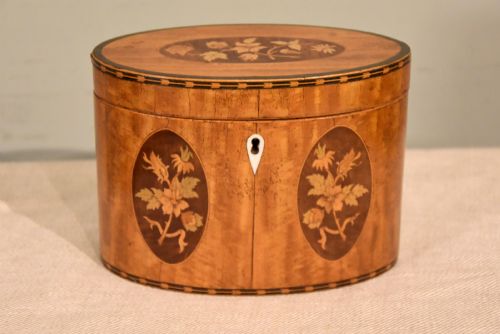
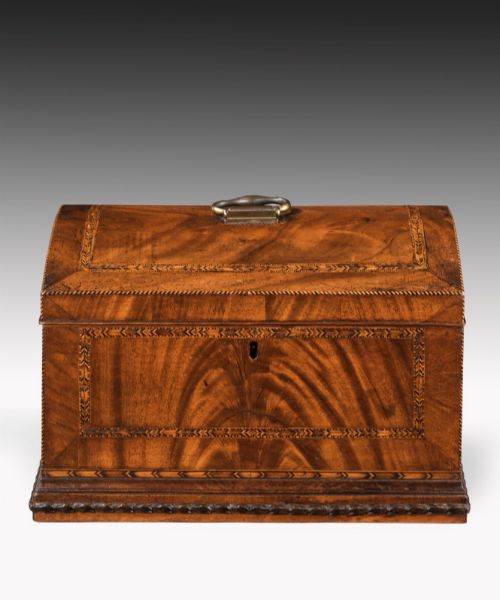
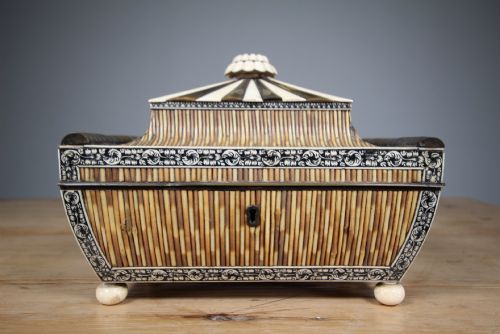
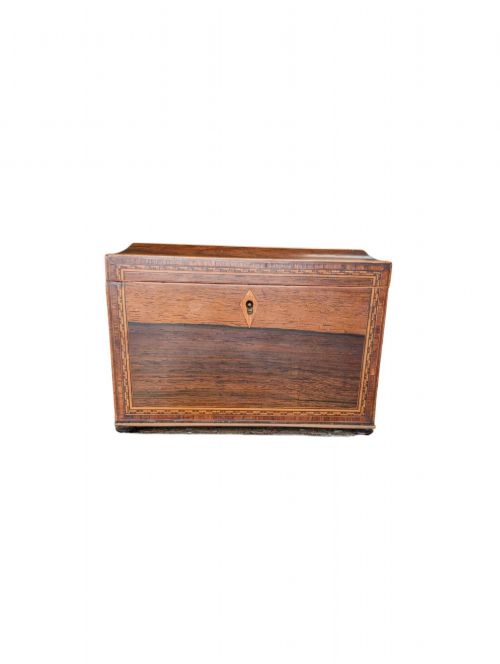
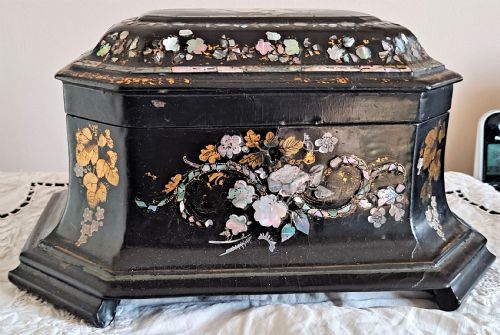
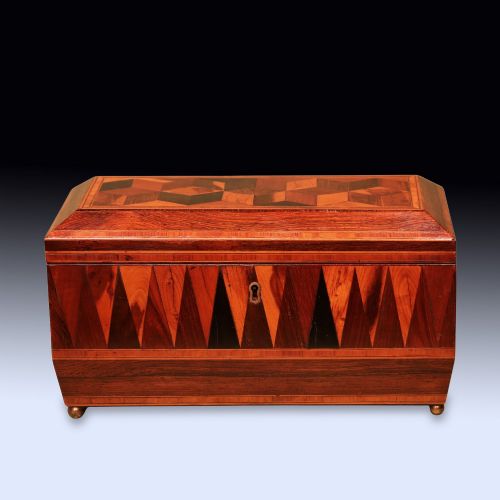
An antique tea box inlay search reveals a specialised form of tabletop container designed to store and preserve precious dried leaves during periods when tea was a luxury commodity. The selections span Georgian, Regency, and Victorian eras, taking shapes from simple rectangular boxes to sarcophagus forms and oval caddies.
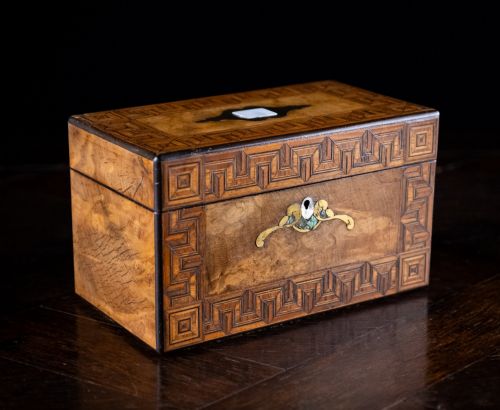
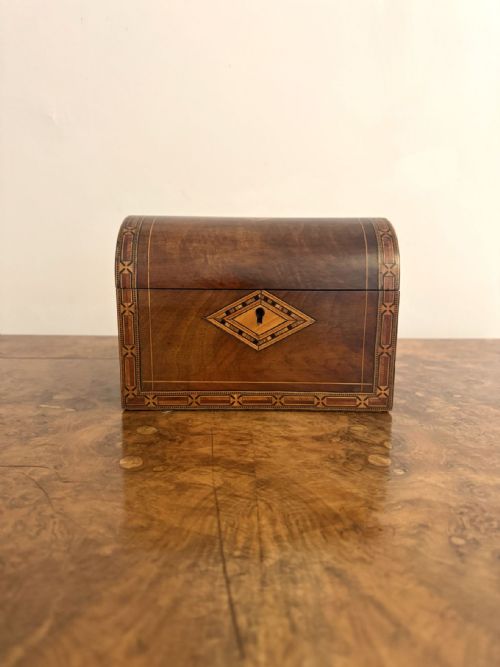
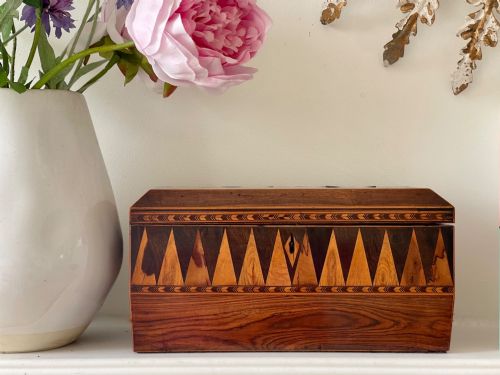
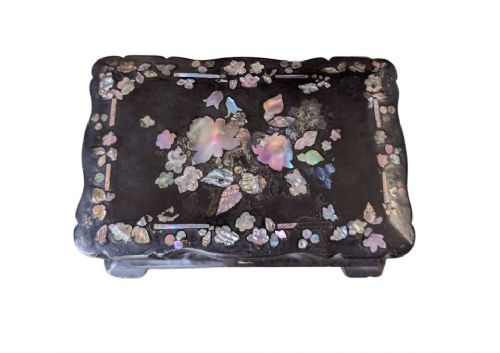
Makers utilised various exotic and native timbers, applying intricate patterns of contrasting woods, brass, and mother of pearl to the exterior surfaces. Buyers meet pieces featuring parquetry, Tunbridge ware mosaics, and delicate shell or butterfly motifs set into mahogany, rosewood, and satinwood.
How they were made
Craftsmen built the carcases from dense hardwoods such as mahogany, walnut, and rosewood, often applying thin veneers to the exterior surfaces. They then cut recesses into the wood to receive contrasting materials like boxwood, satinwood, ebony, and bone.
Specialised techniques such as parquetry and Tunbridge ware involved assembling thousands of tiny tinted wood blocks to create pictorial or geometric mosaic bands. Inlayers also combined brass stringing and mother of pearl plates flush with the polished wooden lid and panels.
Listings feature woods including rosewood, satinwood, mahogany, walnut, harewood, and yew, paired with brass and mother of pearl.
What varies in quality
The sophistication of the timber selection and the precision of the geometric or pictorial inlay distinguish finer examples from standard production. Tight, seamless joins between contrasting veneers and intricate multi-wood banding indicate a higher level of workshop skill.
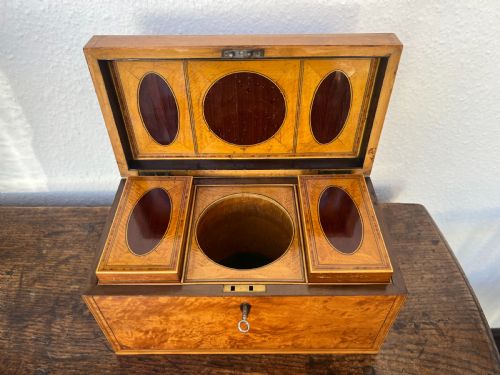
Internal fittings also alter the standing of a box, with surviving inner canisters, mixing bowls, and functioning locks commanding greater regard among collectors. The crispness of the exterior brass mounts and the preservation of the polished finish complete the distinction.
Henry Hollamby
The Antique Tea Box Inlay Glossary
- Parquetry
- A geometric mosaic of wood pieces set into a surface to form a pattern. It creates striking angular designs across the lids and sides of wooden boxes.
- Tunbridge Ware
- A type of woodwork featuring mosaic decoration made from many tiny blocks of naturally coloured timbers. These minute pieces form detailed geometric or pictorial scenes.
- Sarcophagus
- A box shape with a sloping, stepped lid resembling a stone coffin, popular during the Regency period. This form gave makers generous surfaces for decorative inlay.
- Teapoy
- A small table or large stand designed specifically to hold tea caddies and serving equipment. They often feature substantial pedestal bases and elaborate box tops.
- Stringing
- Thin lines of contrasting wood or metal inlaid into shallow channels on a furniture surface. It frames panels and defines the edges of box lids.
Antique Tea Box Inlay: Frequently Asked Questions
What was inside an antique tea box?
These containers held expensive dry tea leaves inside separate lidded compartments known as cannisters. A central glass or metal mixing bowl often accompanied the canisters for blending different varieties.
Lockable lids kept the valuable contents secure from household staff in historic homes. The fitted interiors frequently included small washing bowls for rinsing the leaves.
How do I date an inlaid tea caddy?
The overall silhouette and the specific timber choices offer the clearest indicators of age. Georgian examples often feature simple oval or rectangular forms with satinwood and shell motifs, while Regency pieces tend to adopt sarcophagus shapes with bold brass inlay.
Victorian boxes frequently display dense parquetry or Tunbridge ware mosaics. Construction details inside the box further help confirm the period of manufacture.
How do I care for antique wood inlay?
Keep wooden boxes away from direct sunlight and steady sources of artificial heat to prevent the delicate veneers and inlay from drying out and lifting. Maintain a stable room temperature to protect the old timber and animal glues.
Apply a light microcrystalline wax occasionally to feed the wood and preserve the polished finish. Avoid using liquid cleaners or heavy modern polishes on the surface.
What is the difference between a tea caddy and a tea poy?
A tea caddy is a portable box designed to sit on a table, sideboard, or tea chest. They feature internal compartments and are easily carried by hand.
A teapoy is a larger, freestanding piece of furniture incorporating a fixed box top mounted on a central pillar or legs. They served as permanent fixtures in nineteenth-century drawing rooms.