


Antique Taxidermy Horns
Antique taxidermy horns are striking specimens of natural history and sporting heritage that bring genuine character to a room.
What antique taxidermy horns are
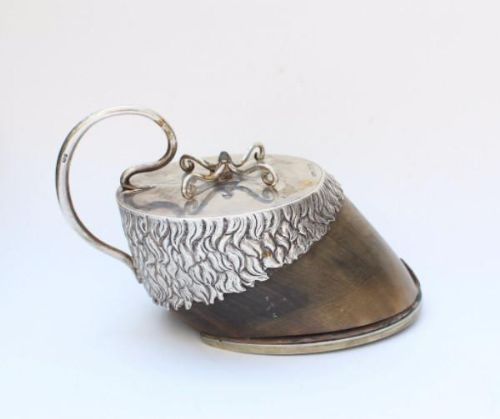
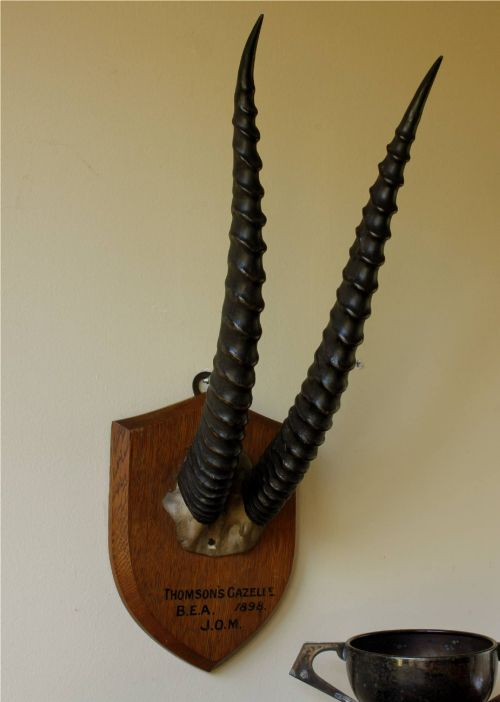
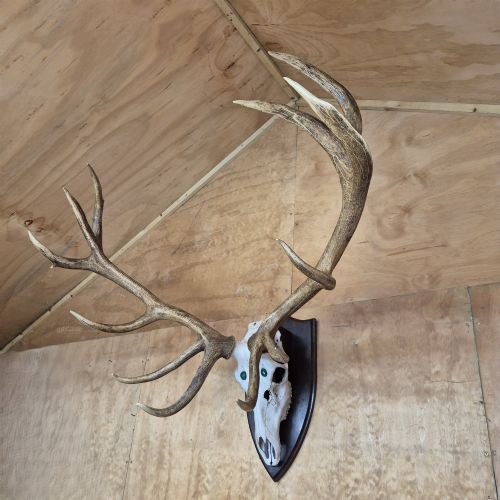
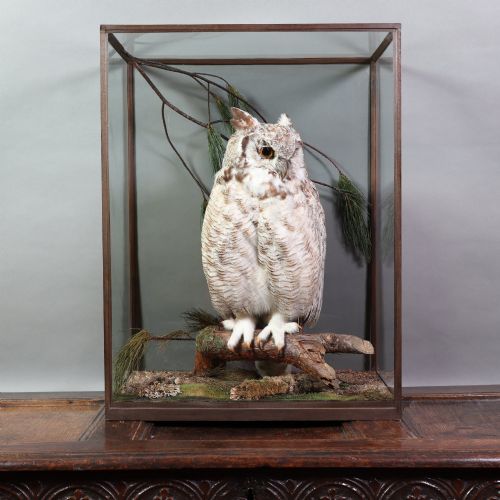
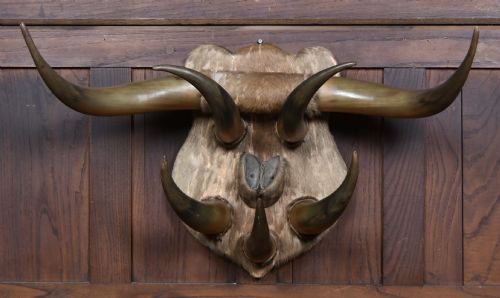
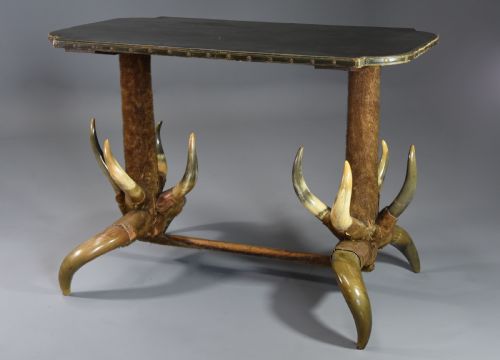
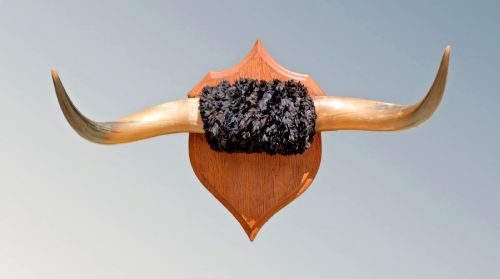
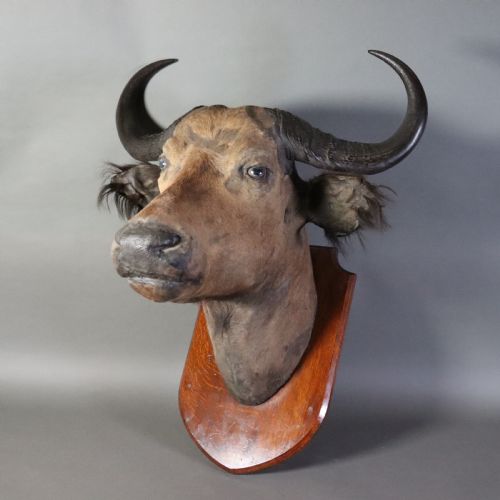
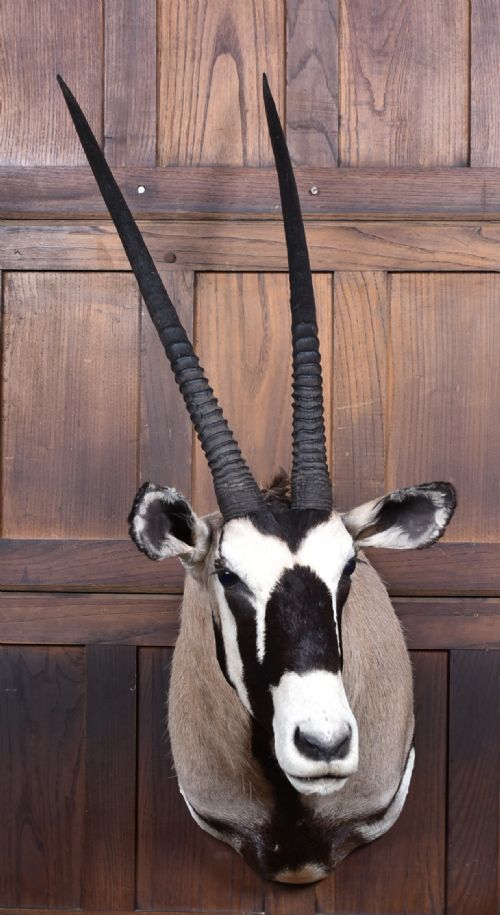
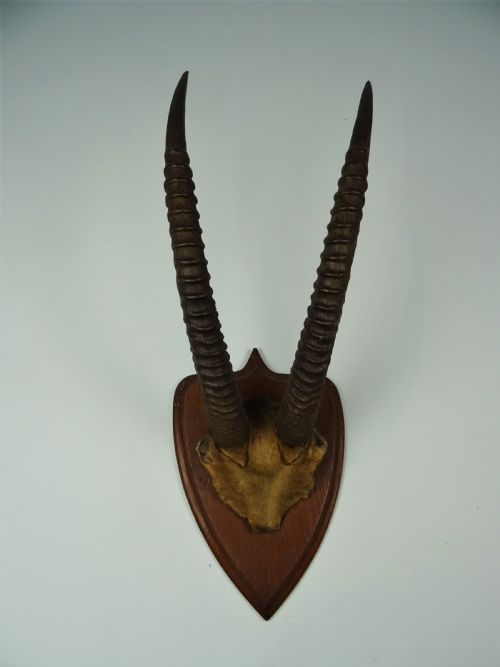
Antique taxidermy horns encompass mounted trophies and arrangements originating from the nineteenth century, the Edwardian era, and around nineteen hundred. Pieces on this page span several distinct forms, including mounted Thomson's gazelle trophies, arrangements of cattle horns and hooves, steer horns mounted on oak shields, sable antelope horns, and mounted oryx horns.
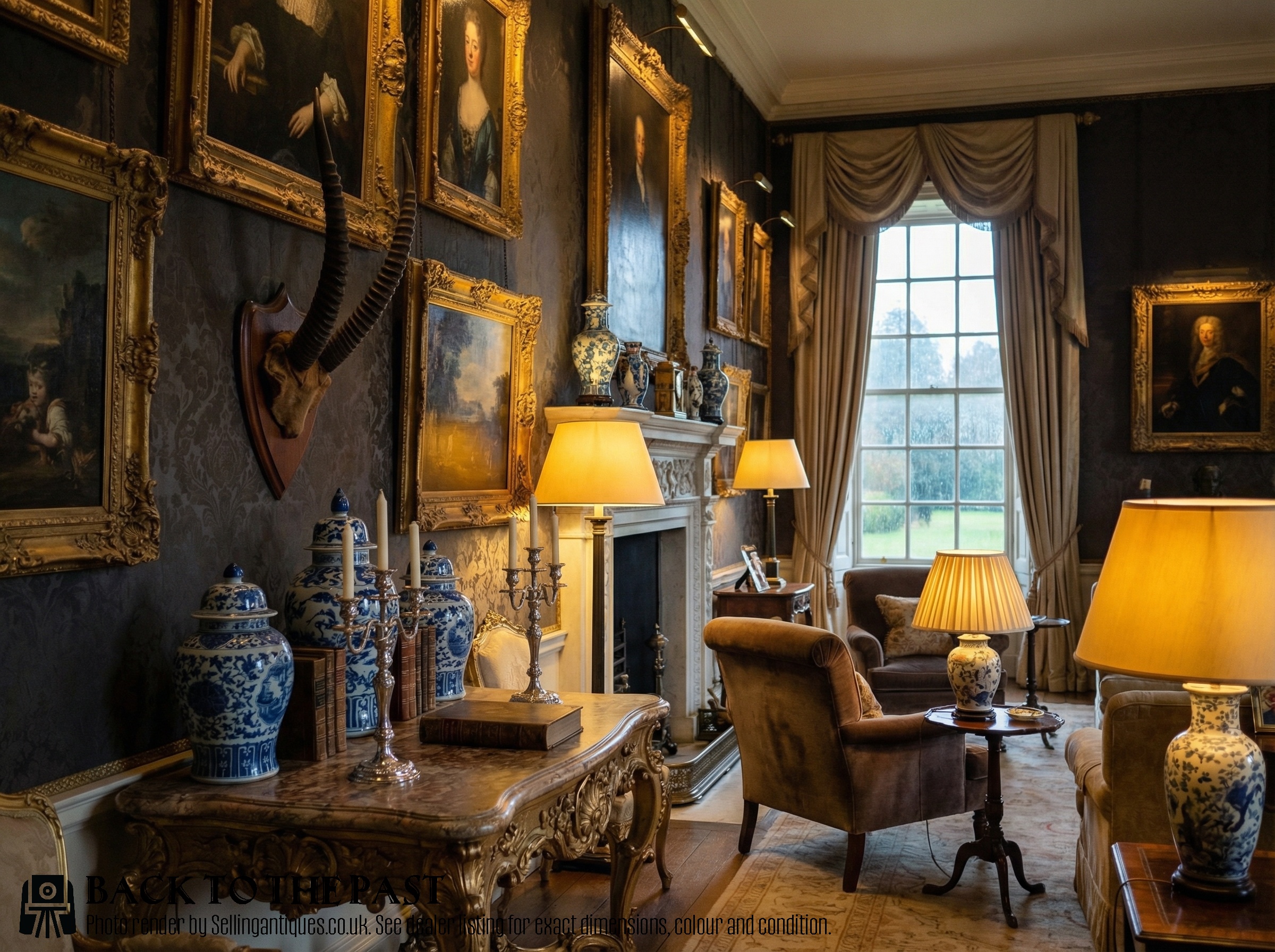
The aesthetic is rooted in Victorian and Edwardian sporting tastes, alongside Highland lodge and Highland hunting lodge styles. These items function primarily as wall decor and taxidermy mounts, reflecting the period fascination with natural history and big game hunting.
How they were made
Construction relies on natural materials such as horn, bone, cattle horn, hoof, and hide, frequently paired with wooden mounting boards like oak. Taxidermists and craftsmen prepared the natural horn and bone structures before securing them to wooden shields or wall fixtures.
The techniques involve preserving the organic material and attaching the horns or hooves securely to backings designed for wall display. Hide and fur elements are sometimes incorporated into the mounting process to finish the edge or cover the attachment points.
Retail Price Guide 2026
Typical UK retail prices for taxidermy horns, calculated from the Sellingantiques database of over a million retail prices indexed since 2003. This retail price guide relies exclusively on Sellingantiques data; no external sources or auction records are used, so the figures do not describe the wider market.
Some nineteenth-century makers could not let a single cow go to waste, arranging spare hooves alongside the horns into elaborate wall ornaments.
What varies in quality
Quality rests in the symmetry of the horn pair, the condition of the organic material, and the solidity of the wooden mount. Finer examples retain their natural surface texture and colour without excessive drying or cracking across the horn and bone.
The sophistication of the taxidermy work and the grain of the supporting oak shield also determine the standing of a piece. Older nineteenth-century mountings often display superior craftsmanship in how the horns are balanced and fixed to the backplate.
The Antique Taxidermy Horns Glossary
- Taxidermy mount
- The preparation and mounting of animal skins, horns, or skeletal parts for display. This technique preserves the physical form of the animal for study or decoration.
- Taxidermy trophy
- A specimen taken from the field, often featuring horns or antlers, mounted to commemorate a hunt. These objects formed a central part of sporting and lodge collections.
- Shield
- A wooden backplate, frequently made of oak, cut into a shaped board to support a mounted head or horns. It allows the specimen to be hung securely on a wall.
- Bos taurus
- The scientific designation for domestic cattle, whose horns and hooves appear in nineteenth-century decorative arrangements. These pastoral pieces contrast with wild African antelopes.
Frequently Asked Questions
What is the difference between Victorian and Edwardian mounts?
Victorian mounts tend to feature dramatic, ornate arrangements that reflect the period obsession with natural history and dense interior displays. These often include combinations of multiple horns and hooves mounted together.
Edwardian pieces generally lean towards cleaner, single-species displays such as mounted oryx or sable antelope horns. The focus shifted slightly towards individual sporting trophies rather than complex decorative assemblages.
How do I clean antique horn and bone?
Dust the horns and wooden shields regularly with a soft, dry brush or a microfiber cloth. Avoid using water, household cleaners, or polishes on the horn and bone surfaces.
Moisture can damage the historic preservation of the material and weaken old wooden mounts. If stubborn dust settles in the ridges of the horn, use a very soft artist brush to gently clear the crevices.
What styles do these mounts suit?
Antique taxidermy horns naturally complement Highland lodge and traditional country house interiors. The dark oak shields and textured horns add rugged character to panelled rooms and studies.
Contemporary spaces also utilise these pieces as striking focal points against neutral walls. The organic forms break up architectural straight lines and introduce historical depth to modern decor.