




African Antelope Horns
African antelope horns bring the stark drama of natural history inside, offering a tangible record of early sporting expeditions and Edwardian taxidermy.
African Antelope Horns
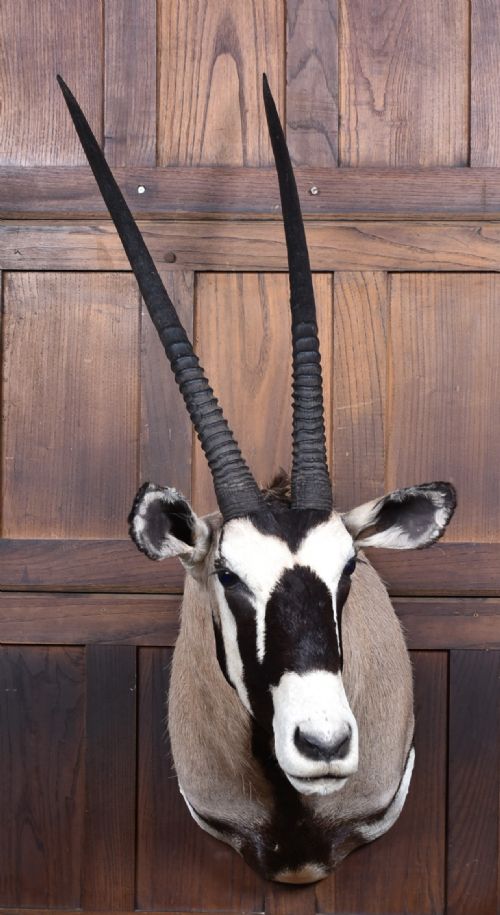
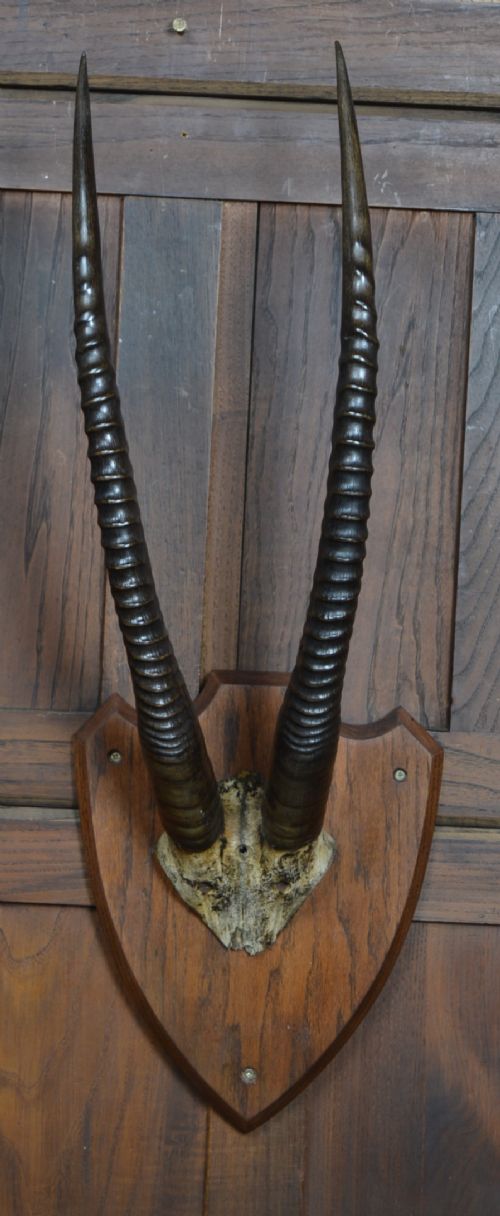
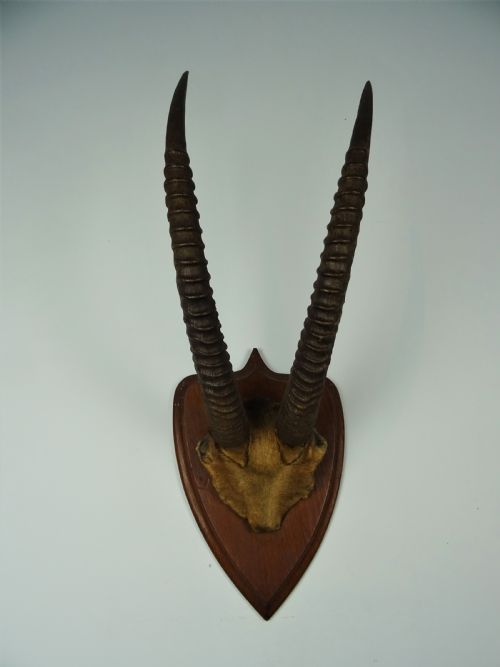
When you search for african antelope horns, you encounter mounted trophies and taxidermy specimens derived from expeditions spanning the late Victorian era through the Edwardian period. The selections here typically comprise wall-mounted heads, horns on shields, and preserved skulls representing species such as the springbuck, gemsbok, and waterbuck.
The most common formats on this page are taxidermy mounts featuring species like Thomson's gazelle, bushbuck, and greater kudu. These pieces range from full shoulder mounts to polished horns mounted directly onto wooden shields or oak plaques.
Materials and construction
The construction relies heavily on natural taxidermy methods of the early twentieth century, combining real horn and bone with taxidermy hide, glass eyes, and carved wooden forms. Artisans shaped internal armatures from wood and plaster to support the heavy hides and bony horn cores.
Wooden elements frequently include oak backing shields or wall plaques designed to bear the weight of the heavier specimens like the kudo and waterbuck. Detail work incorporated glass eyes and natural hide preserved through chemical tanning common to Victorian and Edwardian natural history workshops.
African Antelope Horns Retail Price Guide 2026
Typical asking prices for african antelope horns among the pieces listed under this phrase on Sellingantiques today, from the lower quarter to the upper quarter. They describe what is for sale here now, not the wider market.
Listings span the Edwardian period and the early twentieth century, featuring oak, glass eyes, and natural hide alongside horn and bone.
Assessing quality and craftsmanship
Quality separates specimens by the fidelity of the taxidermy work and the symmetry and preservation of the horn material itself. Master taxidermists captured the alert musculature and lifelike posture of the animal, whereas inferior examples appear stiff or disproportionate.
The provenance and reputation of the workshop also dictate the standing of a piece. Signed plaques or documented origins from established establishments like Edward Gerrard and Sons elevate the historical interest of an individual mount.
Edward Gerrard and Sons
The African Antelope Horns Glossary
- Taxidermy
- The art of preserving, tanning, and mounting animal skins to display a lifelike form. This practice reached a peak of popularity during the Victorian and Edwardian periods for scientific and decorative display.
- Shoulder mount
- A taxidermy preparation that includes the head, neck, and upper shoulders of an animal. This format provides a more complete representation of the creature than horn pairs mounted alone.
- Natural history
- The scientific study of animals and plants, which heavily influenced domestic interior decoration in the nineteenth and twentieth centuries. Cabinets of curiosity and sporting lodges integrated these specimens to showcase global exploration.
African Antelope Horns: Frequently Asked Questions
How should I hang heavy antelope horns?
Heavy specimens require secure wall fixings directly into wall studs or heavy-duty masonry anchors. The oak shields and wooden backboards usually feature robust metal hanging brackets designed to bear the considerable weight.
Ensure the mounting point aligns with the centre of gravity of the specific trophy head. Consulting a professional structural hanger is advisable for larger species such as the kudo.
What periods do these taxidermy pieces cover?
The available pieces originate primarily from the late Victorian period through the Edwardian era, spanning roughly the years between nineteen hundred and nineteen twenty. This era represents the height of British sporting expeditions and natural history collecting.
Dates are often supported by contemporary records, inscriptions on wooden shields, or stylistic indicators typical of early twentieth-century taxidermy workshops.
How do I care for antique taxidermy hide?
Antique taxidermy requires stable environmental conditions away from direct sunlight, high humidity, and extreme temperature fluctuations. Sunlight fades natural hide and glass eyes, while humidity encourages pest activity.
Dust the specimens gently using a soft, dry brush or a low-suction vacuum with a brush attachment. Avoid chemical cleaners or moisture, which damage fragile historical hides and horn structures.
Can I identify the specific antelope species?
Species identification relies on the distinct shape, length, and ridging pattern of the horns, alongside any surviving taxidermy hide. Common species on this page include the springbuck, gemsbok, waterbuck, and bushbuck.
Reference guides on African fauna and historical sporting records assist in distinguishing closely related gazelle and antelope varieties.