





Hunting Trophy Horns
These hunting trophy horns bring the robust spirit of the Victorian and Edwardian sporting lodge straight into your interior.
Hunting Trophy Horns
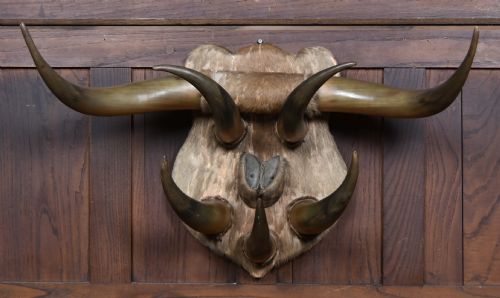
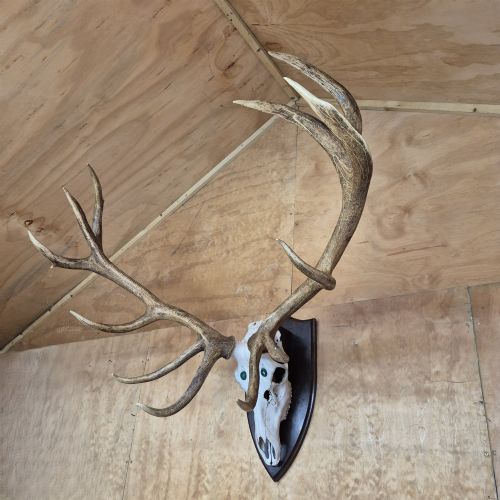
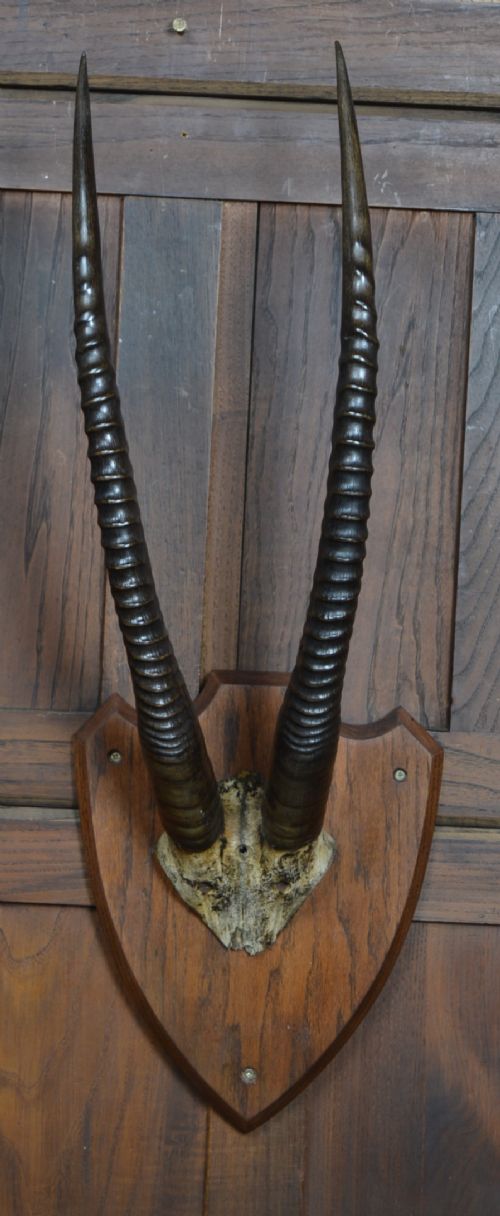
When you search for hunting trophy horns, you are looking at natural history specimens and taxidermy mounts designed for wall display. These pieces range from mounted antelope horns and waterbuck heads to arrangements of cattle horns and hooves.
You are most likely to meet Victorian and Edwardian examples featuring species such as Thomson's gazelle, oryx, buffalo, and red deer. Many are mounted on carved wooden shields or fitted with brass accents to highlight their natural forms.
How they were made
Makers utilised natural horn, bone, and antler, frequently pairing them with oak and other timber for backing shields. Taxidermy mounts required careful curing of the skull plates and horns to ensure stable wall hanging.
Brass mountings and carved wooden supports provided both structural strength and decorative finish. Some pieces also incorporate oil on canvas alongside the taxidermy elements.
Hunting Trophy Horns Retail Price Guide 2026
Typical asking prices for hunting trophy horns among the pieces listed under this phrase on Sellingantiques today, from the lower quarter to the upper quarter. They describe what is for sale here now, not the wider market.
Materials recorded across these listings include horn, bone, oak, antler, wood, oil on canvas, cattle horn, and hoof.
What varies in quality
The distinction between ordinary and exceptional pieces lies in the symmetry and scale of the horns, alongside the craftsmanship of the wooden shield. Carved oak mounts with detailed grain display superior workshop skill compared to plain boards.
Condition of the natural material and the precision of the taxidermy preparation dictate the overall impact of the piece. Well-preserved surfaces and balanced horn spreads elevate the status of a mount within a Highland traditional interior.
The Hunting Trophy Horns Glossary
- Antler
- The shed or harvested bony growth from members of the deer family. Unlike horns, antlers are typically branched and renewed annually.
- Shield
- A carved wooden plaque used as a backing board for mounting horns and antlers. This provides a secure anchor for wall hanging while framing the specimen.
- Royal set
- A traditional term for a red deer antler with twelve points on the crown. It denotes a mature specimen prized in Highland hunting lodges.
Hunting Trophy Horns: Frequently Asked Questions
Which periods do these trophies come from?
The pieces seen here primarily date from the nineteenth century, the Edwardian era, and the early twentieth century. Victorian and Edwardian examples often reflect traditional sporting and natural history aesthetics.
Craftsmanship from these periods typically employs solid oak shields and traditional taxidermy preparation methods. Dates generally range from the 1880s through to the 1920s.
What materials are used in these pieces?
These trophies combine natural animal materials such as horn, bone, antler, and hoof with timber backing boards. Oak is commonly utilised for carved shields and mounting plaques.
Brass mountings and occasional oil paintings complement the taxidermy specimens. Each material reflects the domestic and sporting interior tastes of the period.
How do I care for antique horn and taxidermy?
Keep mounted specimens away from direct sunlight and excessive moisture to prevent the natural horn and bone from drying out. Gentle dusting with a soft brush maintains the surface without disturbing the hair or grain.
Stable room temperatures protect the wooden shields and adhesive elements from warping. Avoid using chemical cleaners on natural horn or taxidermy surfaces.