




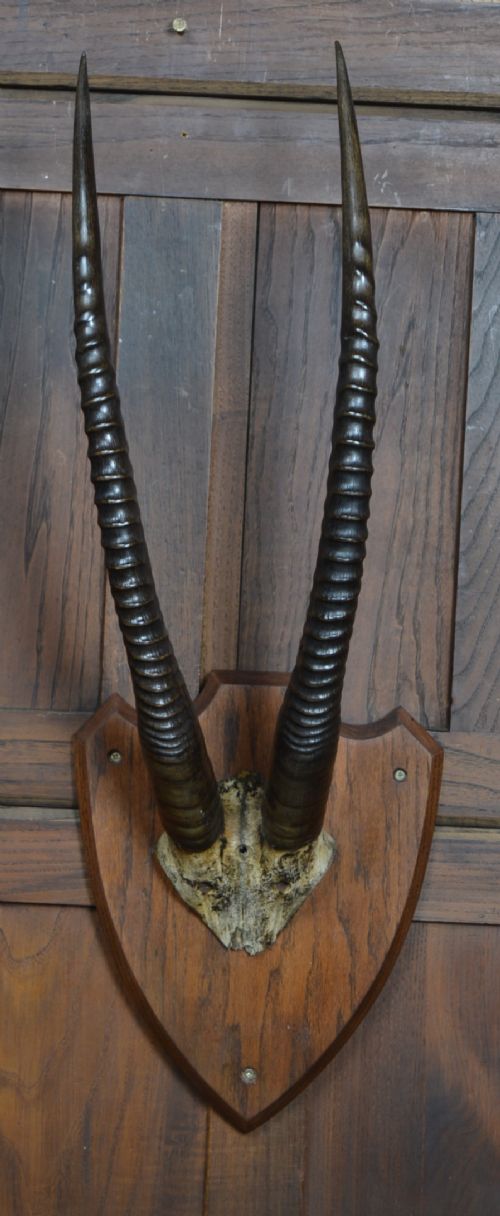


Oak Shield Taxidermy Mount
These oak shield taxidermy mount pieces bring historical sporting heritage directly onto the wall.
Oak Shield Taxidermy Mount
When you search for oak shield taxidermy mount, you are looking at British sporting trophies where animal heads, horns, and masks are secured to wooden backings. These wall decor items span periods from the late nineteenth century through to the mid twentieth century, encompassing Victorian and Edwardian styles.
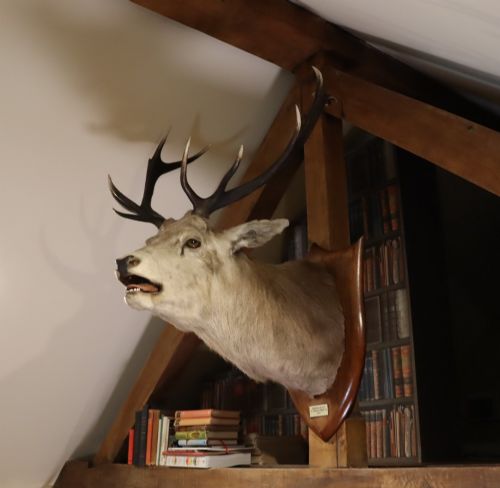
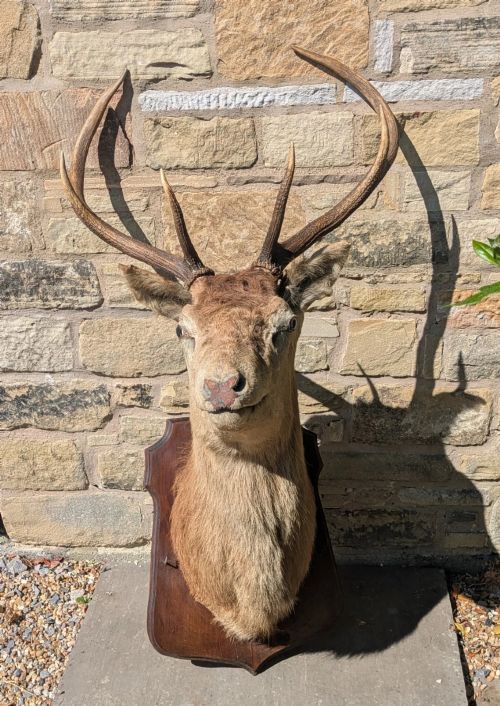
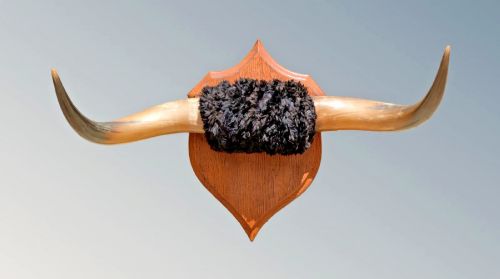
The most common forms you will meet on this page are red stag heads, roebuck trophies, and fox masks, alongside antelope horns and steer horns mounted on wood. Many pieces originate from Highland sporting contexts and traditional British taxidermy traditions.
Makers such as Peter Spicer and Sons and Gerrard and Sons London appear among the records, showing the high standard of preparation typical of professional workshops of the era.
Materials and Construction
Taxidermy mounts utilise natural hide, fur, bone, and horn combined with oak wood shields. The animal remains are preserved and fitted onto shaped timber backings designed for wall hanging.
Carved details often ornament the oak shields, showing woodworking skill that matched the taxidermist's work in mounting the natural specimens.
Oak Shield Taxidermy Mount Retail Price Guide 2026
Typical asking prices for oak shield taxidermy mount among the pieces listed under this phrase on Sellingantiques today, from the lower quarter to the upper quarter. They describe what is for sale here now, not the wider market.
Among the fierce stags and buffalo, a notable fox hound named Dairy Maid gazes out from the wall.
Judging Quality and Distinction
Quality rests in the lifelike preservation of the animal face and the proportional balance of the antlers or horns against the oak shield. Work by known taxidermists demonstrates superior anatomical accuracy and careful grooming of natural fur.
The complexity of the carved oak shield and the historical documentation associated with the piece distinguish finer examples from standard specimens.
Peter Spicer & Sons·Gerrard & Sons London·P. Spicer & Sons of Royal Leamington Spa
The Oak Shield Taxidermy Mount Glossary
- Oak shield
- A wooden backing board, frequently shaped and carved, used to display taxidermy trophies on a wall. It provides a stable foundation for heavy horns and heads.
- Taxidermy mount
- The preserved skin and form of an animal mounted for display. This term covers wall decor ranging from full heads to individual masks and horn sets.
- Mask
- The head and neck portion of an animal, commonly a fox or otter, prepared and mounted. These smaller trophies were frequent products of traditional British sporting taxidermists.
- Antler
- The bony growth shed and regrown annually by members of the deer family. Mounted antlers form a significant portion of historical wall trophies.
- Highland sporting
- A style associated with hunting and shooting estates in the Scottish Highlands. Trophies from this context reflect nineteenth and early twentieth century rural traditions.
Oak Shield Taxidermy Mount: Frequently Asked Questions
What animals are mounted on these shields?
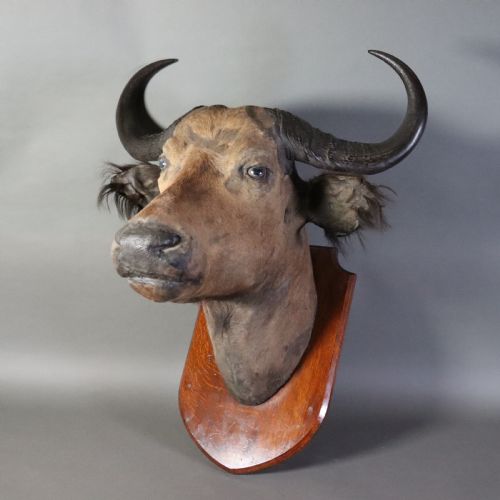
The listings feature red stags, roebucks, foxes, otters, and Nile buffalo, alongside gazelle, oryx, and steer horns. Each specimen represents nineteenth and twentieth century sporting traditions.
Heads and masks are attached to shaped oak backings, creating distinct decorative items for interior walls.
How do I hang an oak shield mount?
These pieces include integrated metal fixings or secure hanging loops on the rear of the oak shield. Because historical trophies carry substantial weight, fix them directly into wall studs or use appropriate heavy duty wall anchors.
Ensure the wall material can support the combined weight of the timber and the preserved animal specimen.
How do I date an antique mount?
Dating relies on the style of the oak shield, accompanying taxidermy labels, and the recorded working periods of makers like Peter Spicer and Gerrard. Nineteenth century pieces often feature darker oak and traditional carving.
Twentieth century examples transition into simpler shield designs and different preservation methods.
How should I care for taxidermy mounts?
Keep mounted specimens away from direct sunlight and damp environments to protect natural fur, hide, and wood. Gentle dusting with a soft brush helps maintain the surface without damaging delicate hairs.
Stable indoor temperatures prevent the oak shield from warping and preserve the taxidermy materials.