




Antique Tall Seating
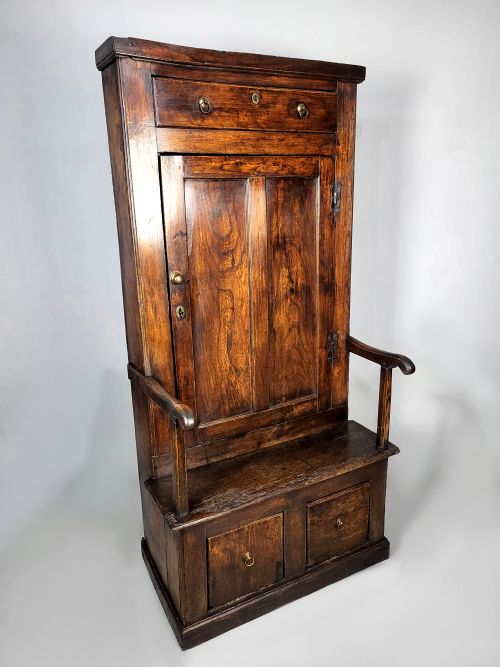
Antique tall seating comprises elevated stools, chairs and settles designed for height, offering distinct architectural presence and utility.
Antique Tall Seating
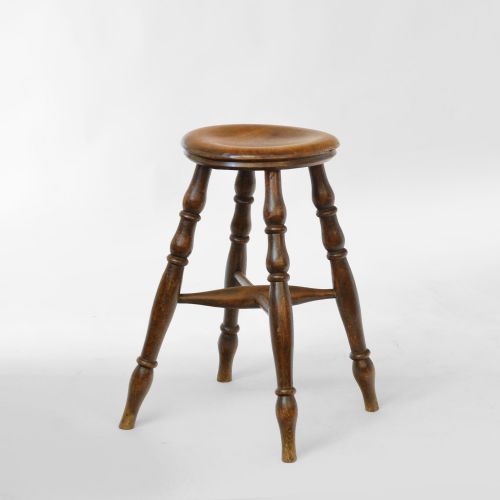
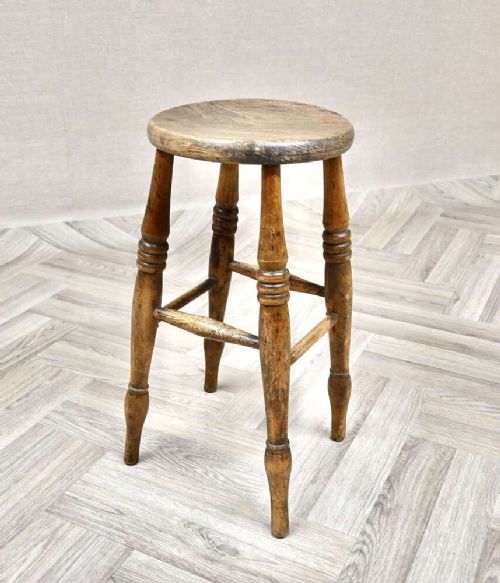
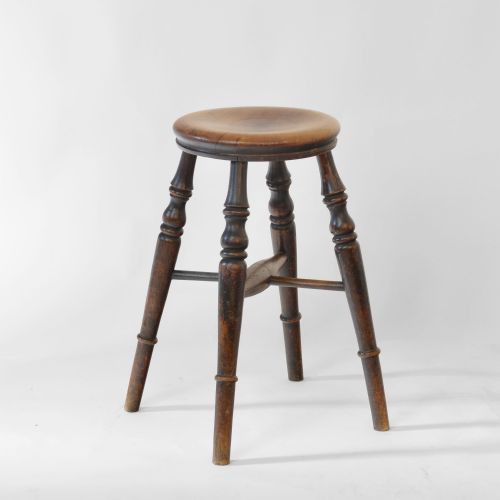
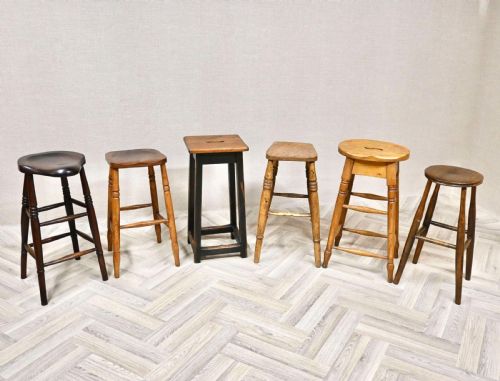
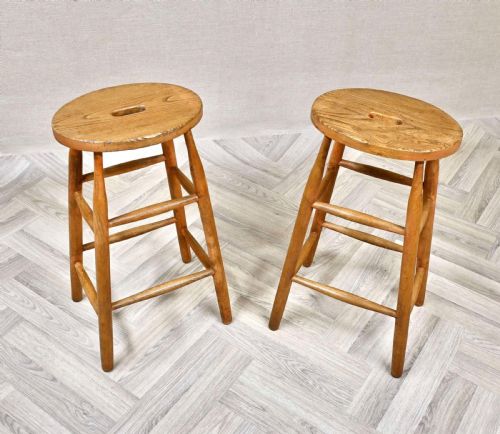
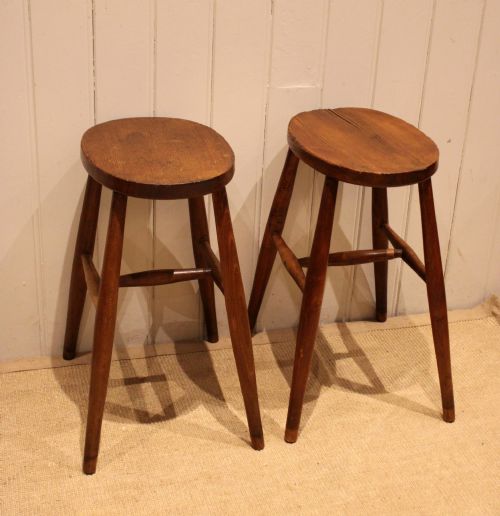
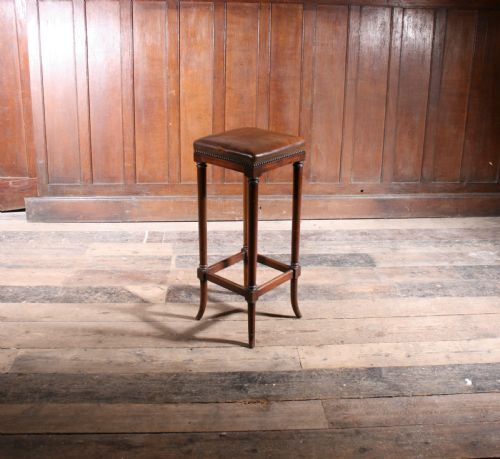
Antique tall seating centres on elevated forms such as clerk's stools, bar stools, pub or tavern stools, and highchairs originating from the nineteenth century and the early decades of the twentieth century.
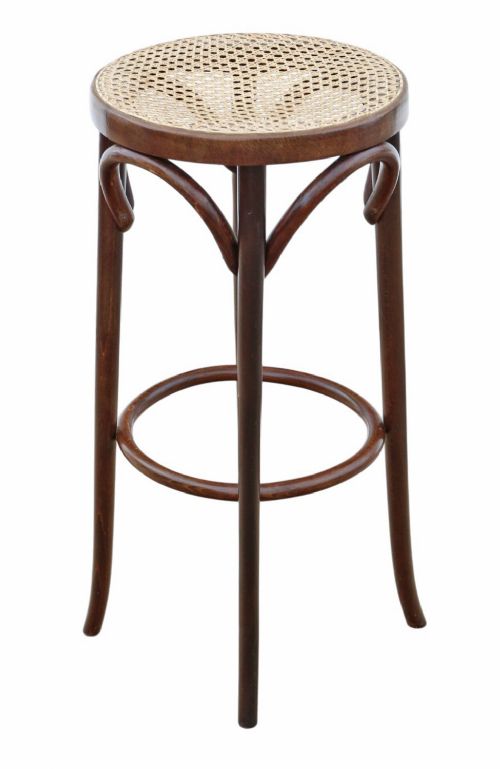
The inventory on this page ranges from robust elm and beech tavern stools to refined bentwood high stools, rustic farmhouse armchairs, and walnut nursing chairs.
Buyers seeking antique tall seating will frequently encounter utilitarian stools designed for commercial or domestic workspaces alongside country house armchairs and settles.
Materials and construction
Construction relies heavily on traditional timbers such as elm, beech, oak, sycamore, and mahogany, often shaped through turning and framing techniques suited to high-stress seating.
Many pieces incorporate natural seating materials like rush and cane alongside leather upholstery, while structural joinery utilises pegged and dowelled joints typical of nineteenth and early twentieth-century workshops.
Antique Tall Seating Retail Price Guide 2026
Typical asking prices for tall seating among the pieces listed under this phrase on Sellingantiques today, from the lower quarter to the upper quarter. They describe what is for sale here now, not the wider market.
Determinants of quality
Quality in tall seating rests upon the integrity of the timber, the balance of the elevated frame, and the retention of original surface patination accumulated through commercial or domestic use.
Examples showing superior craftsmanship maintain rigid structural stability despite their height, whereas lesser specimens suffer from weakened joints or replacement stretchers.
The Antique Tall Seating Glossary
- Clerk's stool
- A tall stool historically used by office workers or scribes at high standing desks. These typically feature turned wooden legs and a saddle seat.
- Bentwood
- Wood softened by steam and bent into curved structural forms. This technique created lightweight yet resilient frames for early twentieth-century high stools.
- Settle
- A wooden bench with a high back, solid arms, and often a storage box beneath the seat. They were designed to block draughts in period rooms.
- Rush seat
- A woven seating surface made from dried marsh grasses. It provides a flexible and durable foundation for traditional country chairs and stools.
- Patina
- The surface sheen and colour developed by wood and leather through age and handling. It indicates genuine period use and care.
Antique Tall Seating: Frequently Asked Questions
Where were tall stools used?
Tall stools primarily served commercial, public, and domestic workspace functions.
They were common in taverns, pubs, and clerk's offices where workers stood or sat at elevated desks and counters.
How do I date a tall stool?
Dating relies on identifying timber species, turning styles, and construction methods.
Nineteenth-century examples often display hand-turned beech or solid elm construction, while later pieces incorporate bentwood or twentieth-century factory joinery.
Are tall chairs comfortable?
Comfort varies significantly depending on the seat design and intended historical use.
Utilitarian clerk's stools prioritise function with sculpted wooden saddle seats, whereas upholstered nursing chairs or armchairs offer softer padded support.
How do I care for antique wood?
Proper maintenance involves keeping wooden seating away from direct heat sources and sudden humidity changes.
Applying occasional appropriate wax preserves the surface finish and protects the natural patina of nineteenth-century timbers.