
Antique Tall Pier Glass
An antique tall pier glass commands a room by drawing light deep into tall spaces between windows.
Antique Tall Pier Glass
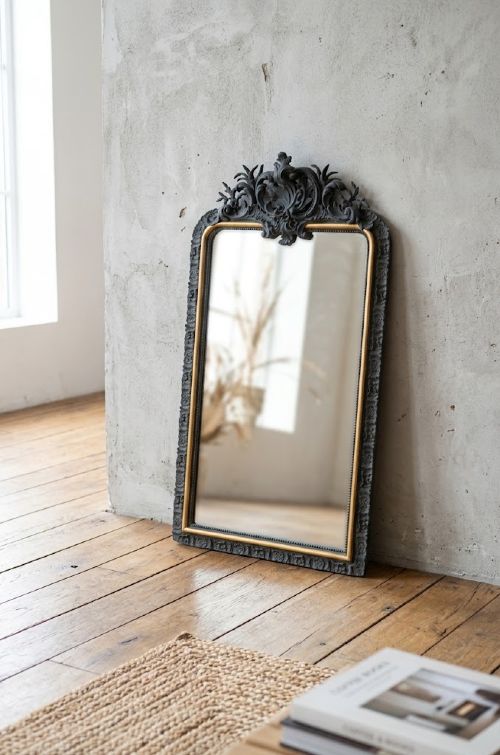
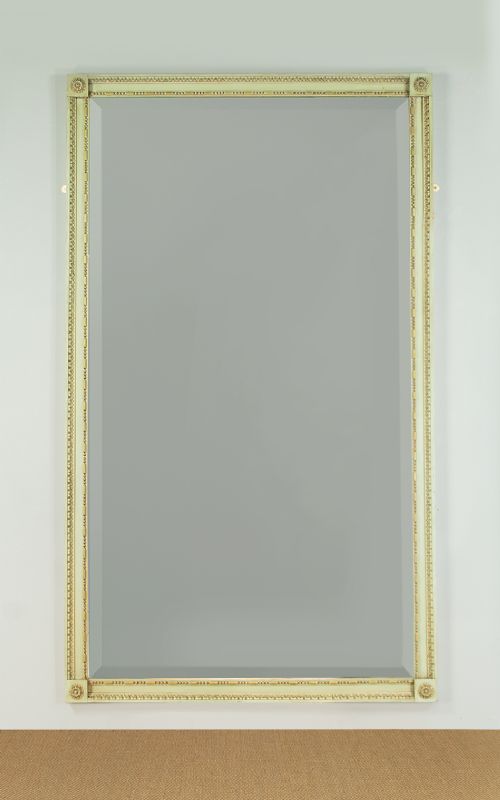
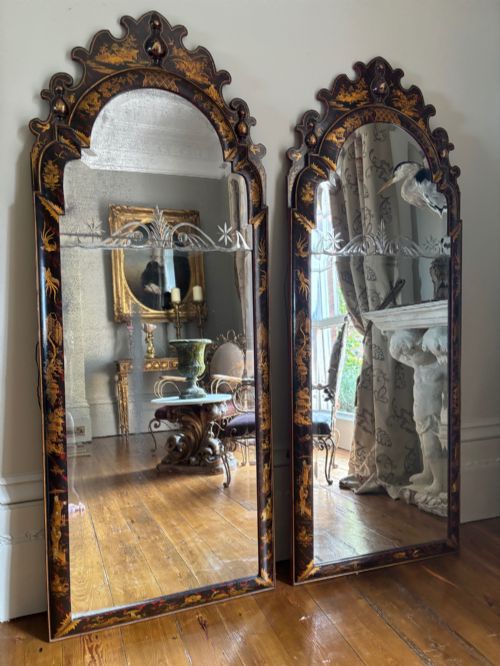
An antique tall pier glass is a vertical wall mirror designed specifically to hang on the narrow wall space between two windows. These mirrors stretch upward to amplify natural light and visually expand the proportions of period reception rooms.
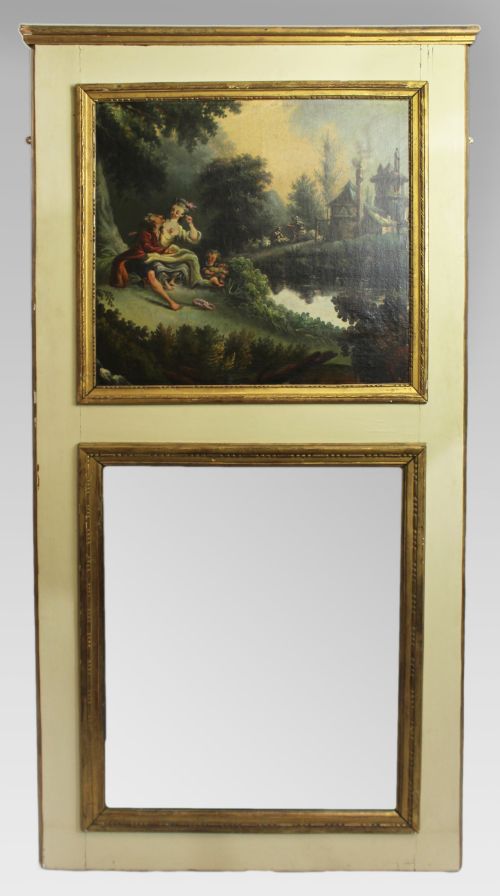
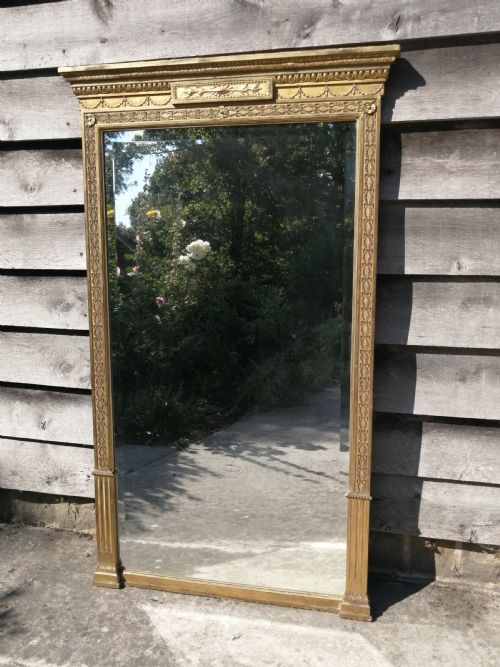
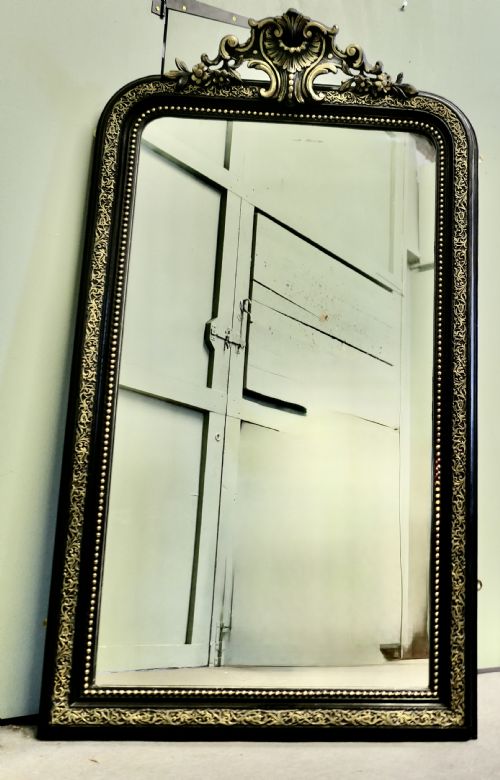
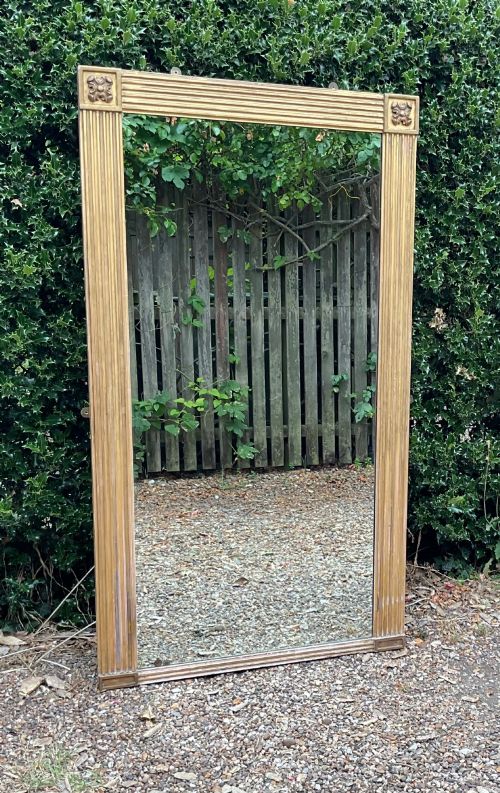
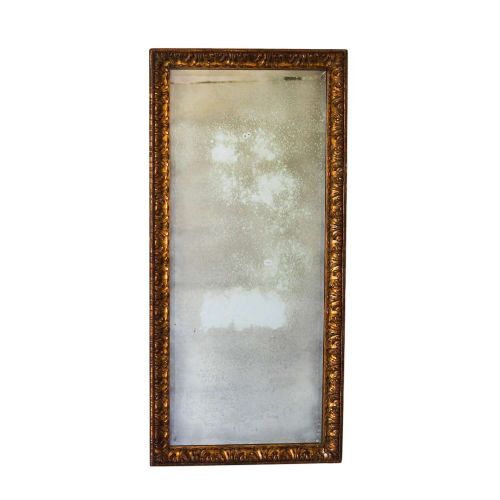
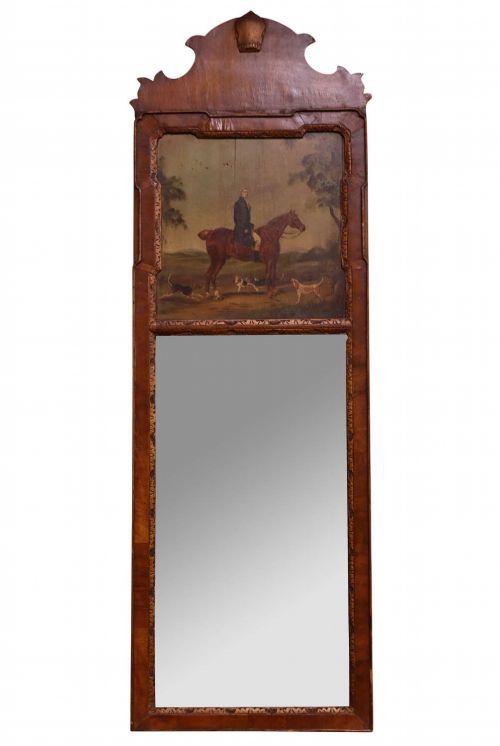
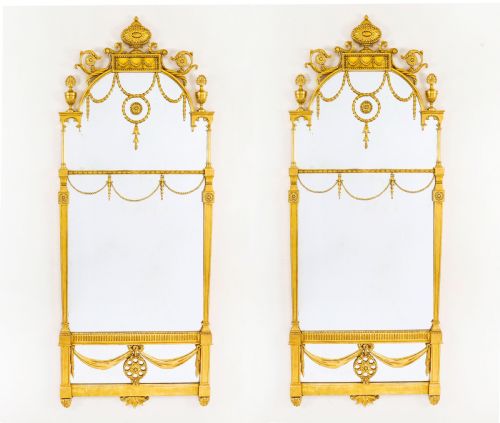
The versions most commonly met on this page date from the nineteenth century, taking the form of giltwood, gesso, or painted wood frames. Many incorporate distinct regional characteristics, such as French trumeau panels with oil paintings or crisp Regency gilt designs.
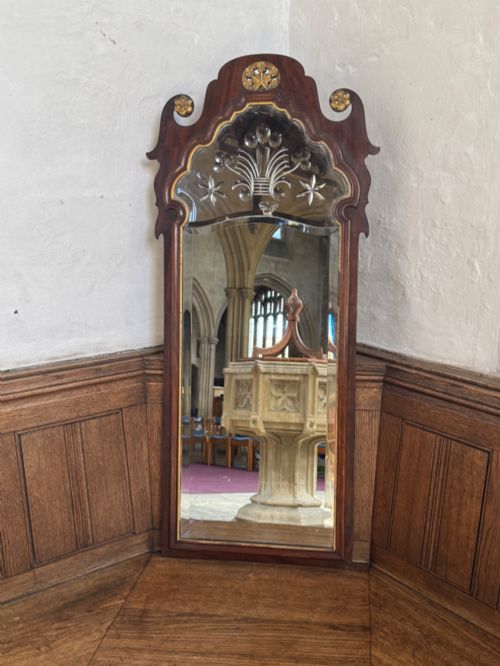
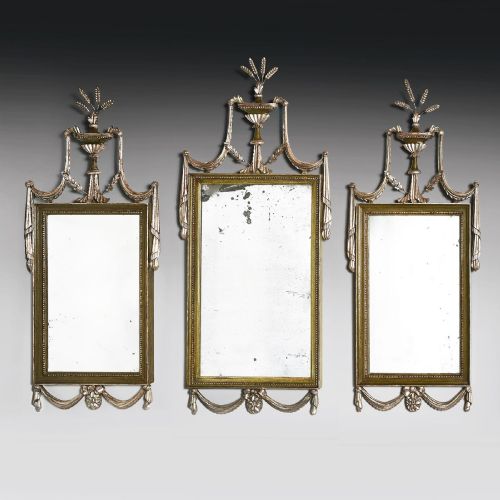
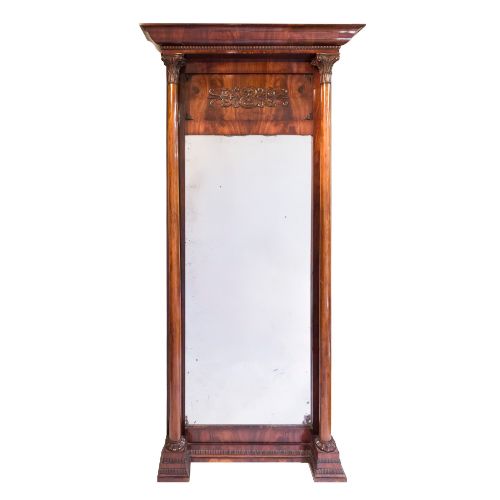
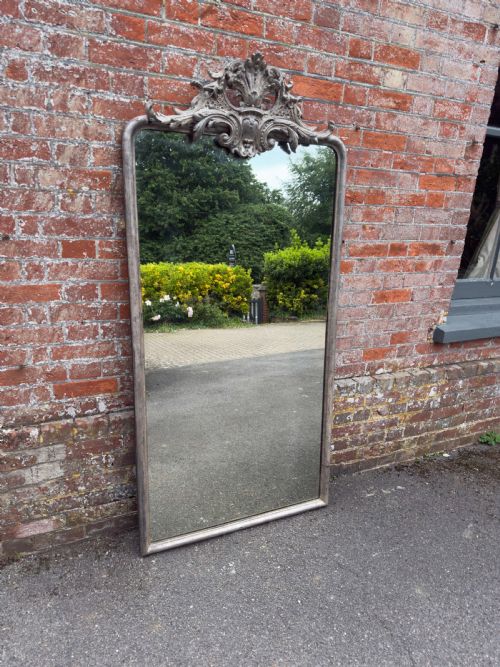
Makers and designers drew upon Georgian, Neoclassical, and French Empire vocabularies to create towering vertical formats. Examples range from austere mahogany frames to heavily carved silvered surfaces intended for grand interiors.
How they were made
Carvers shaped soft timbers such as pine or hardwood substrates before applying layers of gesso to build up intricate relief decoration. Gilders then laid fine gold leaf or silver leaf over the prepared surfaces, burnishing the metal to catch the ambient light.
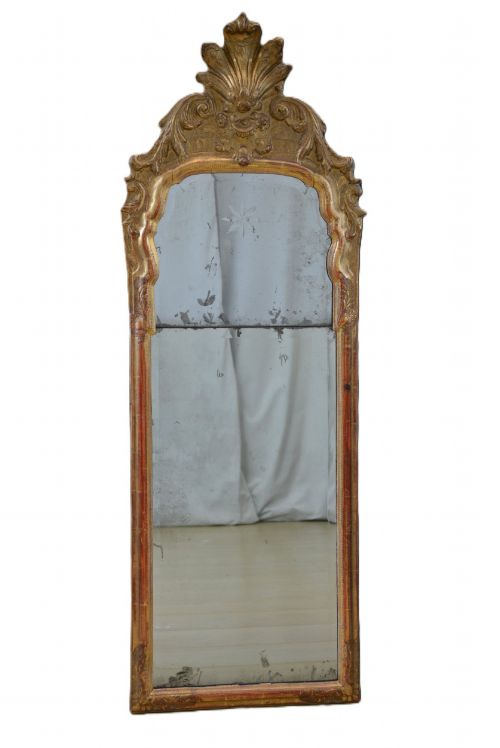
Early glass plates relied on mercury silvering techniques, which produce a characteristic mottled, deep reflection over centuries of oxidation. Later nineteenth-century manufacturing introduced standard silvered mirror glass for a clearer, brighter throw of light.
Listings feature frames fashioned from giltwood, gesso, mahogany, and painted wood, spanning Georgian, Regency, and Victorian periods.
What varies in quality
Quality rests in the crispness of the hand-carved detail and the depth of the gilding applied over the gesso ground. Master carvers achieved sharp undercut foliage and figures, whereas lesser pieces relied on heavy, unrefined composition ornament.
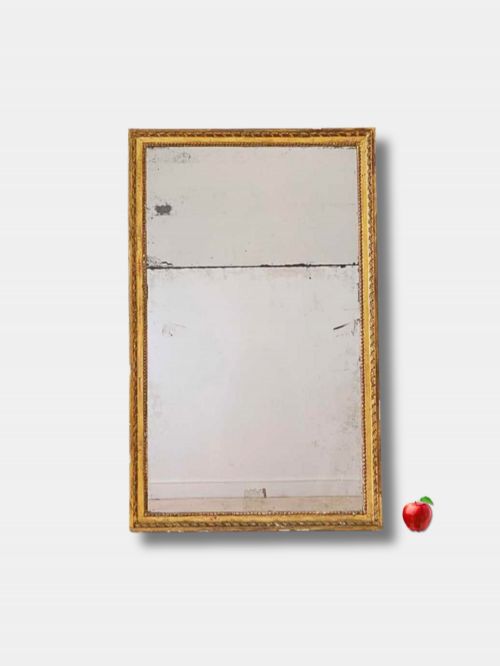
The survival of the original mirror plate heavily influences the character of the piece. Plates showing genuine age, foxing, and mercury distortion hold far more visual harmony with antique frames than modern replacement glass.
Gillows Of Lancaster·John Belchier
The Antique Tall Pier Glass Glossary
- Pier glass
- A tall vertical mirror designed to hang on the wall space between windows. These glasses were often paired with console tables underneath.
- Trumeau
- A decorative architectural wall panel that incorporates a mirror plate alongside an oil painting or carved wood relief. They originated in eighteenth-century French interior design.
- Gesso
- A mixture of plaster of Paris and glue binder applied to wood frames to create a smooth, dense surface for carving and gilding. Skilled artisans modelled delicate reliefs directly into this damp ground.
- Giltwood
- Timber carved and coated with gold leaf. The technique requires meticulous sizing and burnishing to achieve a warm metallic finish.
- Mercury glass
- Mirror glass produced by applying a tin and mercury amalgam to the back of the plate. This historic method yields a dark, uneven reflection with characteristic clouding.
Antique Tall Pier Glass: Frequently Asked Questions
Where should a pier glass hang?
Historically, these mirrors hung on the narrow strip of wall between two windows to bounce daylight back into dark rooms. Today, they work equally well above low console tables or serving as full-length dressing mirrors.
Because of their impressive height, they require secure wall fixings anchored into structural studs or masonry to support the heavy timber and glass weight.
How do I identify mercury glass?
Mercury glass displays a deep, dark reflective quality with characteristic dark spots, clouding, and subtle distortion known as foxing. This appearance stems from the historic silvering process rather than modern chemical manufacturing.
Original plates offer an unmistakable soft sheen that sharply contrasts with the bright, uniform reflection of modern replacement mirror glass.
How do I date an antique mirror?
Dating relies on examining the construction of the timber frame, the joinery at the corners, and the composition of the gesso or gilding layers. Styles like Regency, Neoclassical, and French Empire provide clear stylistic markers for the decades of production.
Backboards, old screw heads, and the physical characteristics of the glass plate itself offer further physical evidence to confirm the era of manufacture.