
Antique Tall Clock
An antique tall clock stands as a towering piece of furniture that measures the hours with mechanical precision while anchoring a room.
Antique Tall Clock
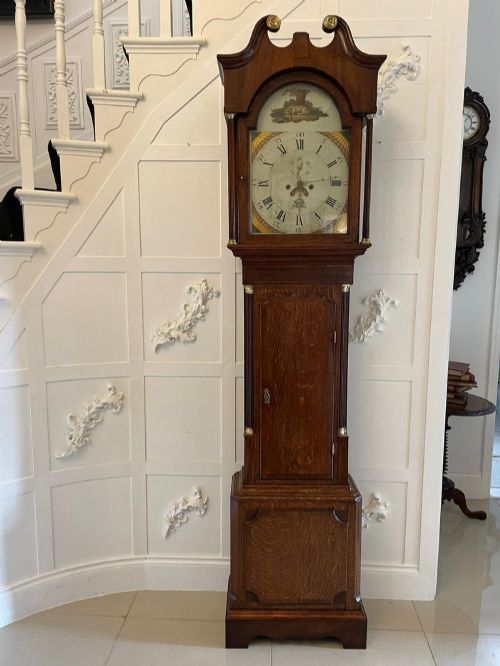
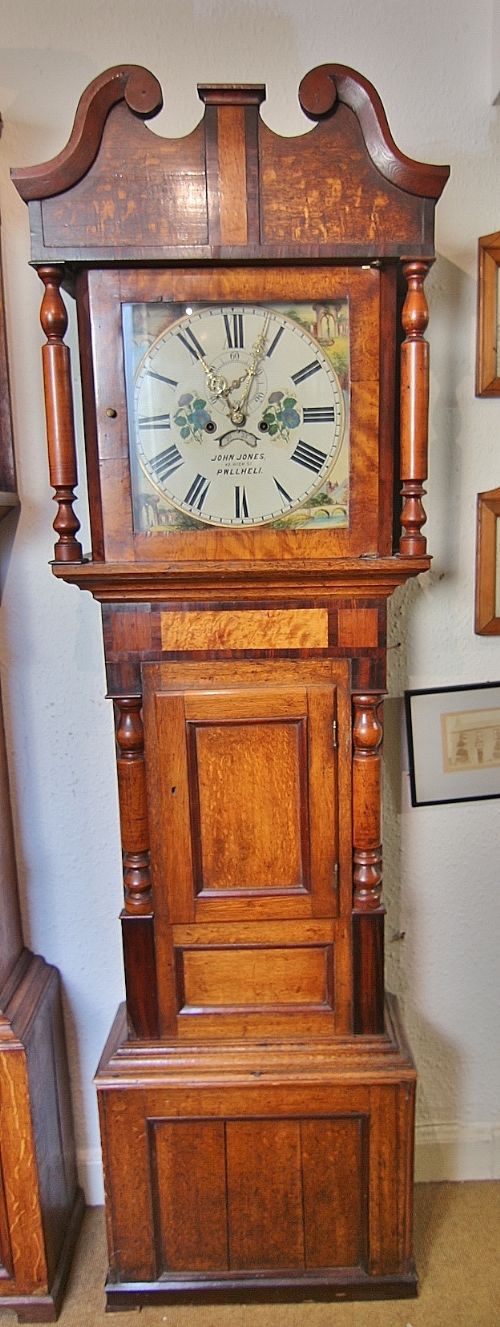
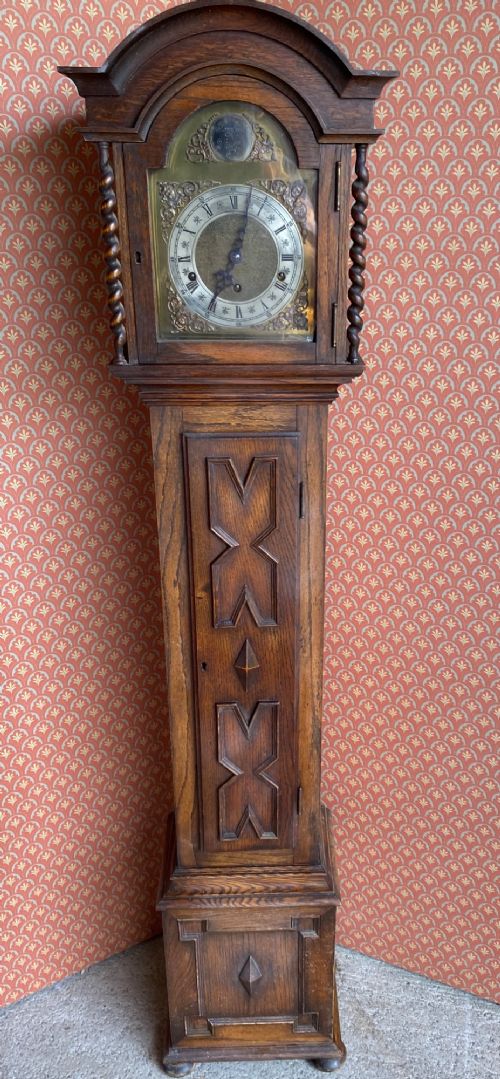
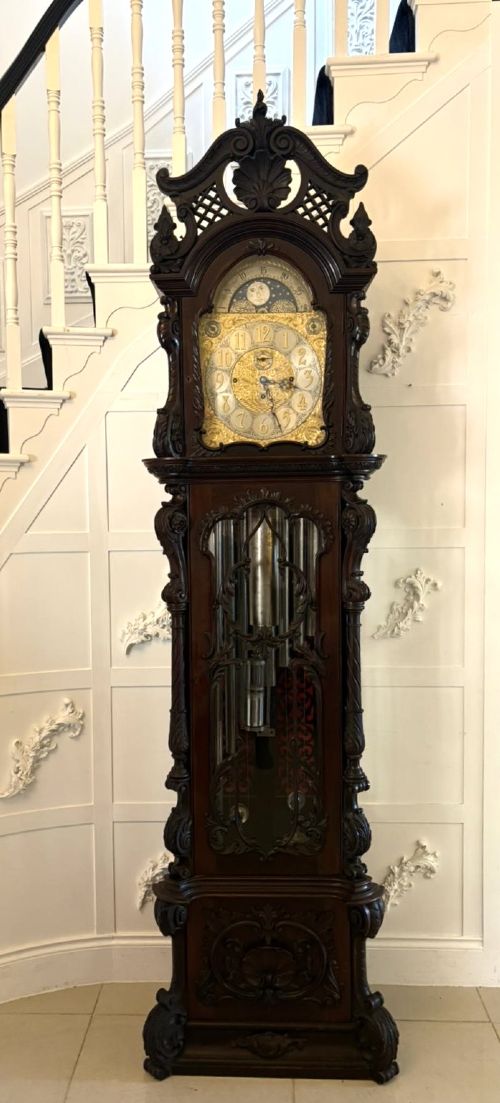
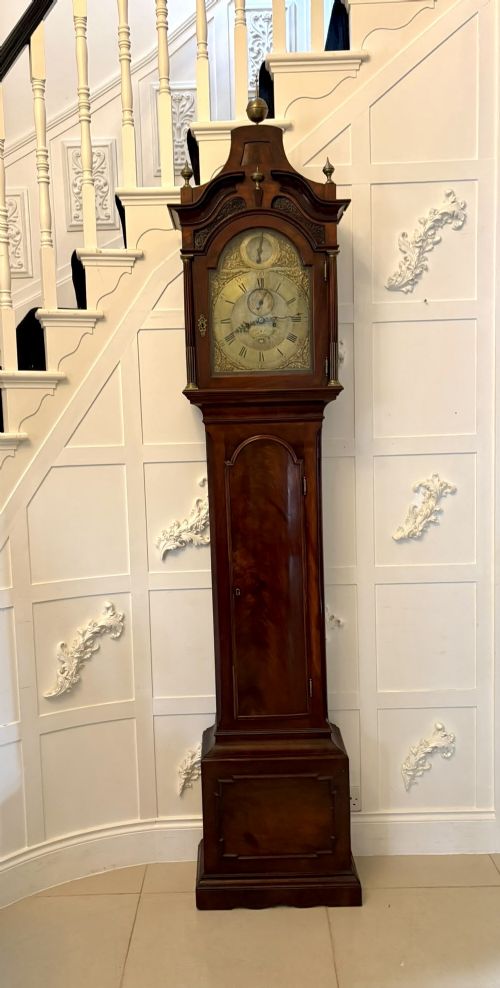
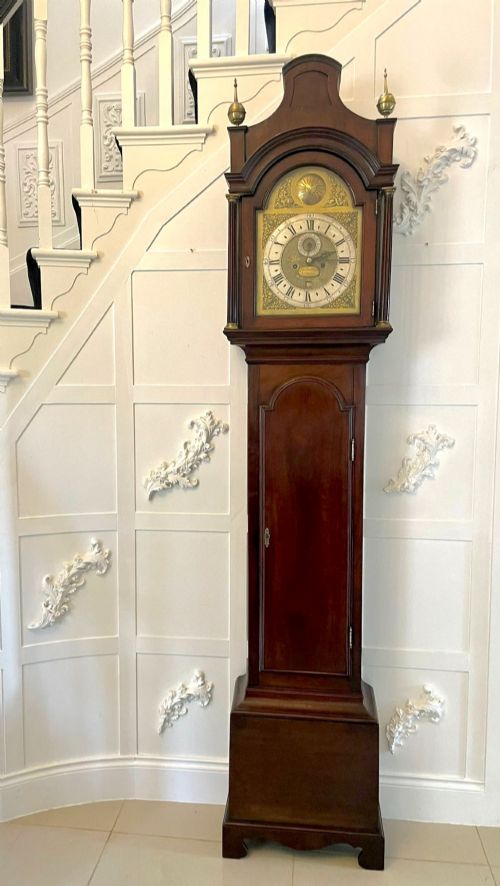
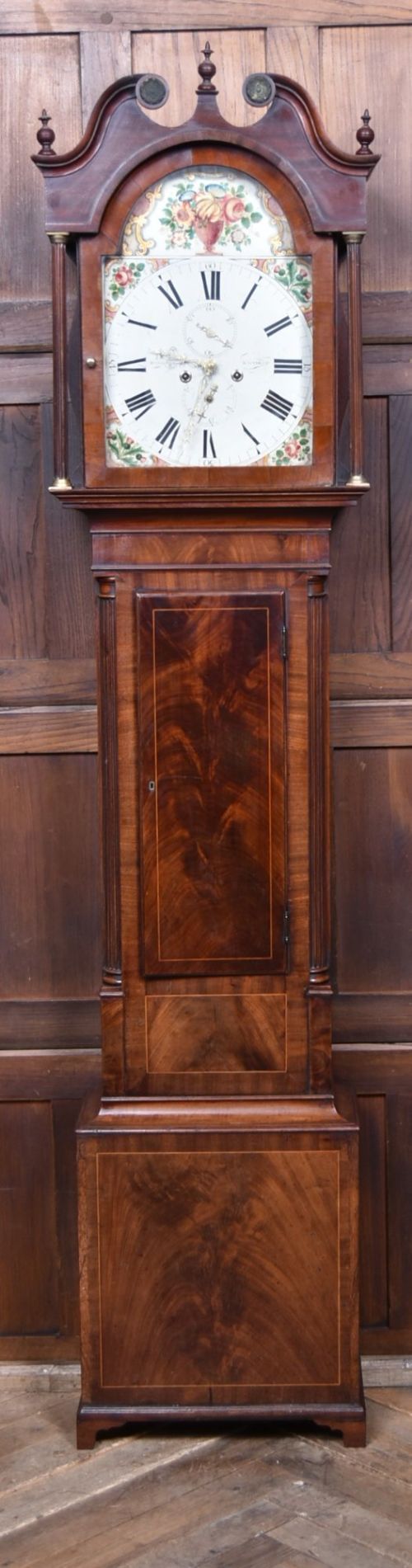
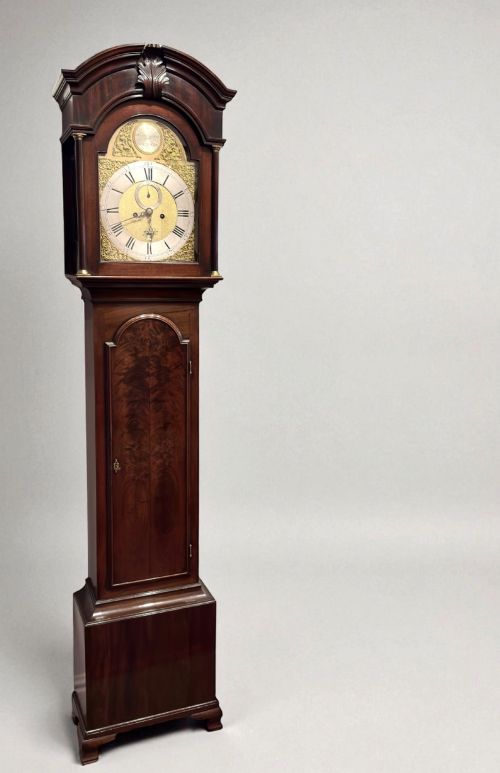
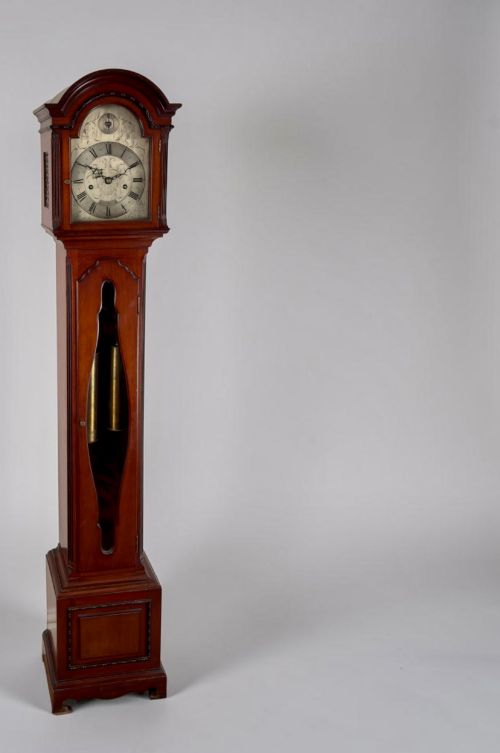
When you search for an antique tall clock, you are looking at tall case timepieces known variously as longcase clocks, grandfather clocks, grandmother clocks, and regulators. These vertical floor-standing instruments house intricate weight-driven or spring-driven movements inside timber hoods and trunks.
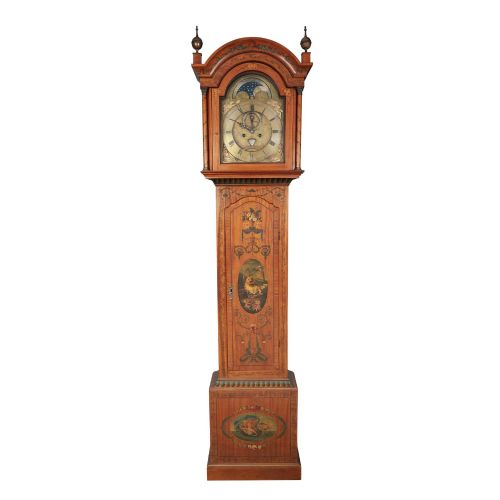
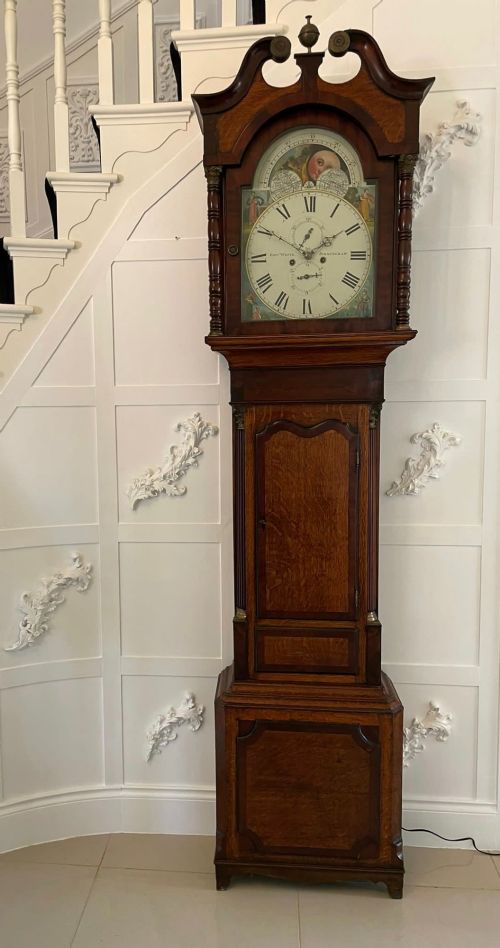
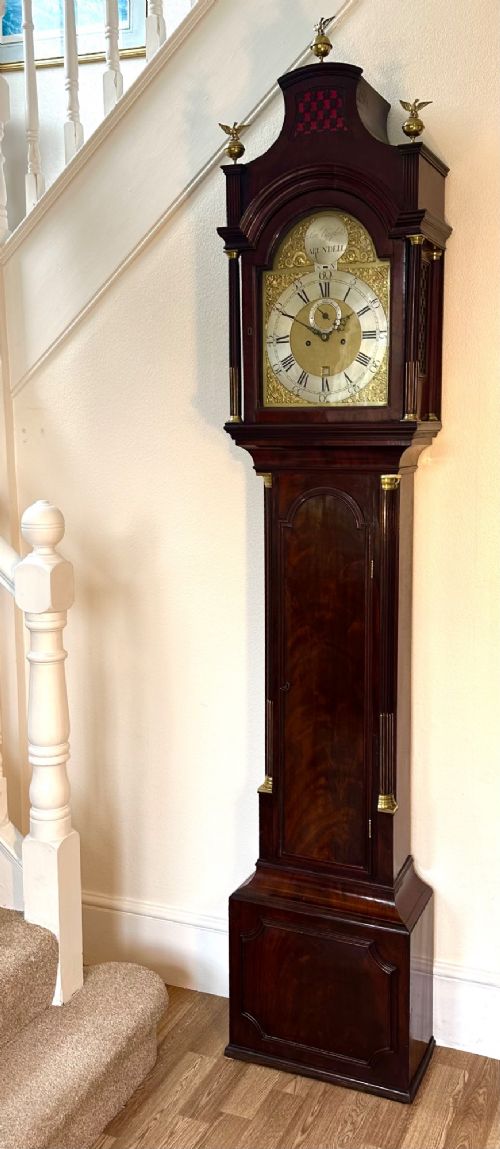
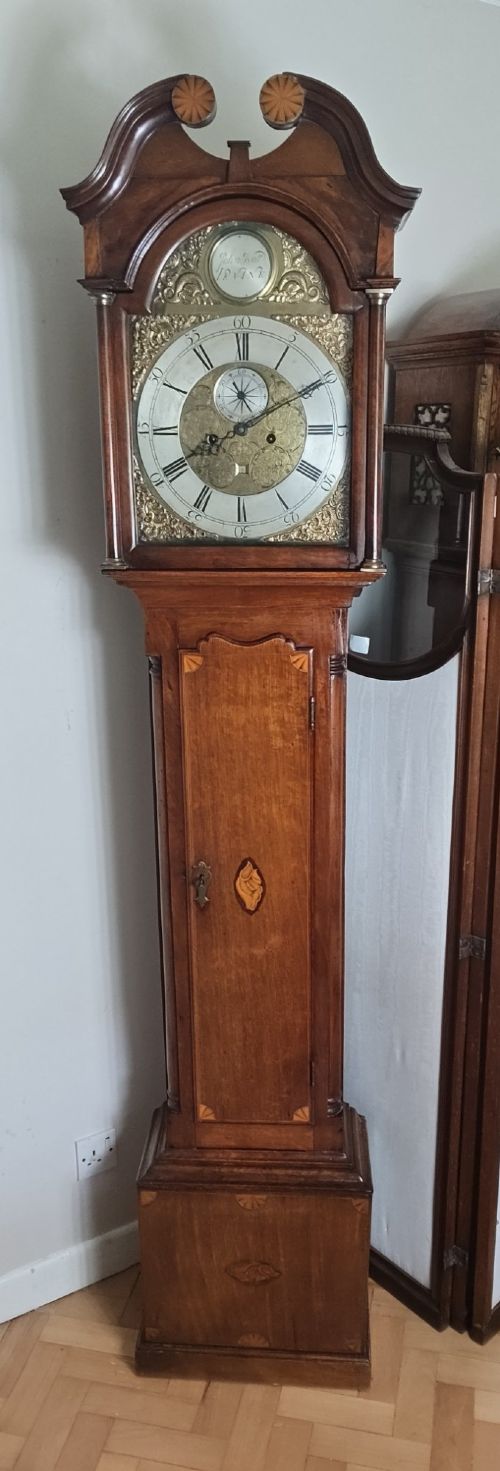
The versions you are most likely to meet on this page span the Georgian, 18th century, and 19th century periods, alongside later Edwardian and Art Deco examples. They appear in regional oak and mahogany cases, occasionally ornamented with burr walnut, Chinoiserie decoration, or painted iron and brass dials.
How they were made
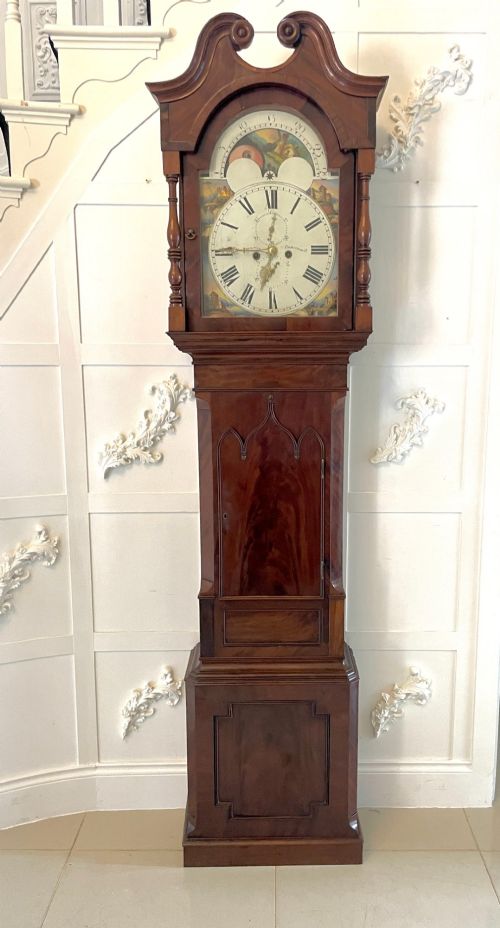
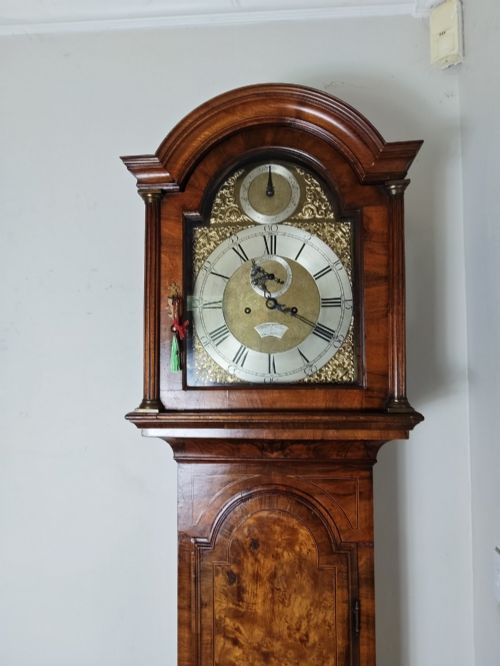
Clockmakers constructed these tall cases using sturdy native timbers like oak and imported hardwoods such as mahogany and walnut, housing the wooden or metal movements behind glass-fronted doors. Dials combined engraved brass plates with applied spandrels or painted iron surfaces featuring Roman numerals and subsidiary seconds or moon roller mechanisms.
Movements relied on brass gears, steel pinions, and suspended weights or springs, often regulated by a pendulum swinging within the trunk. Cabinetmakers built the long cases in distinct sections comprising a base, a trunk for the pendulum, and a hood with a glazed door to protect the dial.
Some provincial clock faces feature duck egg blue paint, proving that historical makers were quite happy to introduce a splash of bright colour.
What varies in quality
Quality in these floor-standing timepieces rests on the harmony between the cabinetwork and the mechanical movement signed upon the dial. Superior examples display finely figured mahogany or burr oak veneers, crisp brass dial engraving, and complex movements featuring quarter-musical chimes or moonphase indicators.
Simpler regional clocks exhibit plain oak cases and straightforward painted iron faces produced by provincial makers. The distinction lies in the crispness of the case moulding, the depth of the timber figuring, and the reputation of the horologist recorded on the face.
Charles Shuckburgh·Hendrie Ogg·Gordon of Aberdeen·Gillett and Johnston·Lee of Great Marlow·D Straiton·Tait Peebles·James Field·Richard Corless·James McCabe·Handley and Moore·Samuel Kellett·William Jourdain
The Antique Tall Clock Glossary
- Longcase clock
- A tall pendulum clock enclosed in a wooden case that stands directly on the floor. These instruments are also frequently called grandfather clocks.
- Grandmother clock
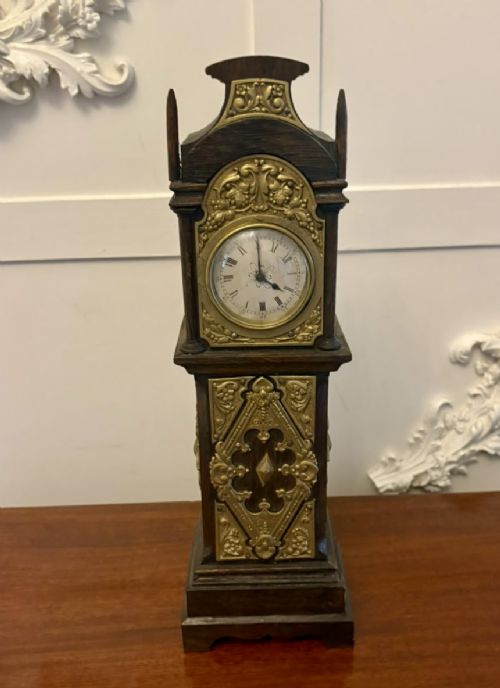
- A smaller, more slender version of the traditional longcase clock produced during later periods. They occupy less floor space while retaining weight-driven movements.
- Moon roller
- A rotating mechanism behind the dial that tracks the phases of the lunar cycle. It displays the moon's age through a shaped aperture on the clock face.
- Spandrel
- An ornamental corner piece applied to the dial of a clock. These brass castings often feature cherubs, scrolls, or floral motifs characteristic of 18th-century design.
- Regulator
- A precision timekeeper designed for high accuracy. These movements typically feature deadbeat escapements and heavy pendulums.
- Chinoiserie
- European decorative style imitating Chinese artistic motifs. These lacquer designs appear on the tall cases of specific musical clocks.
Antique Tall Clock: Frequently Asked Questions
What is the difference between a grandfather and grandmother clock?
Grandfather clocks are the standard full-sized tall case timepieces measuring several feet in height, designed to house long pendulums and heavy weights.
Grandmother clocks are significantly smaller, scaled-down versions produced in later eras that fit easily into modern or compact rooms while maintaining the same mechanical principles.
How do I wind an antique tall clock?
Winding requires using a specialised crank key inserted into the winding holes on the dial face to slowly draw up the internal weights or tension the springs.
Care must be taken not to overwind the movement, and pendulum clocks should be set to beat evenly after winding to ensure accurate timekeeping.
Where were most of these clocks made?
Many examples originated in London workshops under the hands of skilled master watch and clockmakers, while others were built by provincial craftsmen across English and Scottish towns.
Signatures on the brass or painted iron dials frequently record the exact maker and town of origin, linking the piece to regional cabinetmaking traditions.
How do I date an antique tall clock?
Dating relies on examining the style of the timber case, the materials of the dial, and the signature of the maker inscribed upon the face.
Georgian and 18th-century examples display brass dials with cast spandrels and oak or mahogany cases, whereas Victorian and Edwardian pieces show different veneer treatments and dial technologies.