



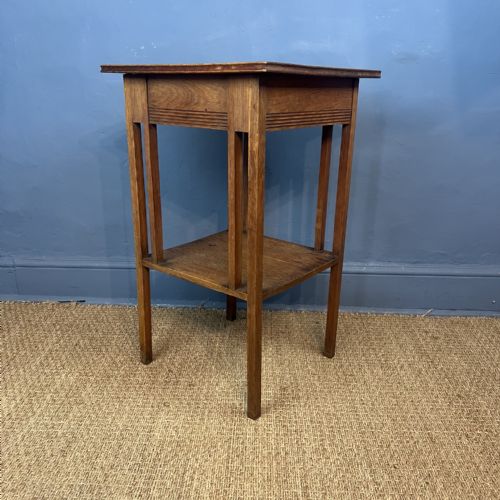
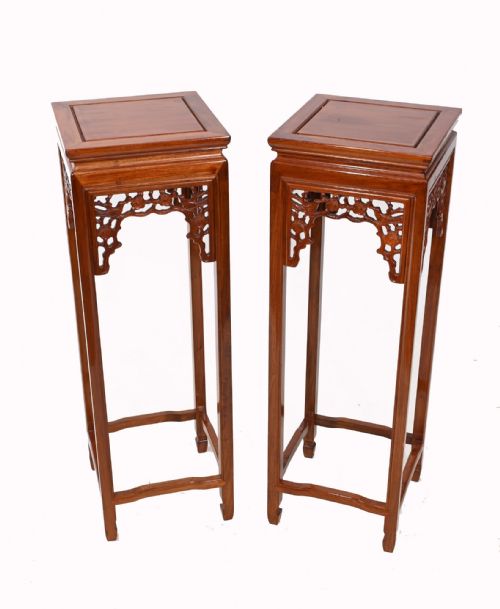
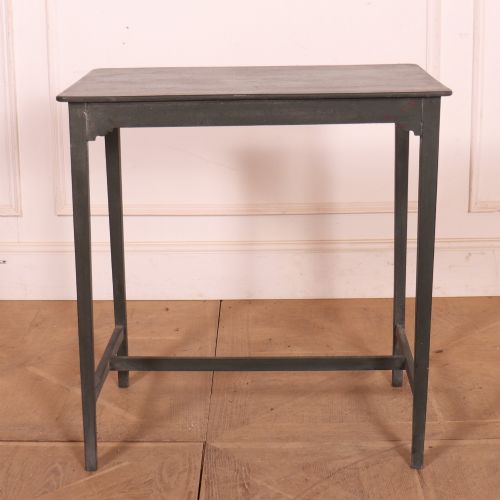
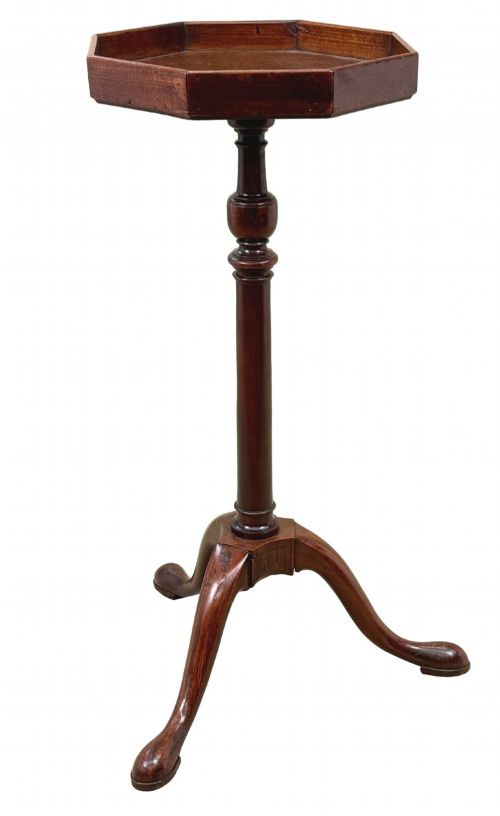
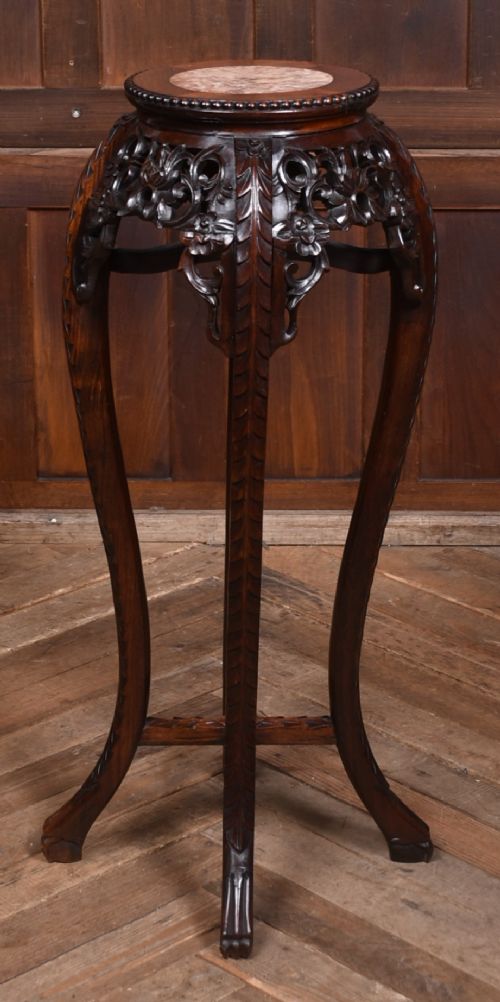
Antique Tall Accent Tables
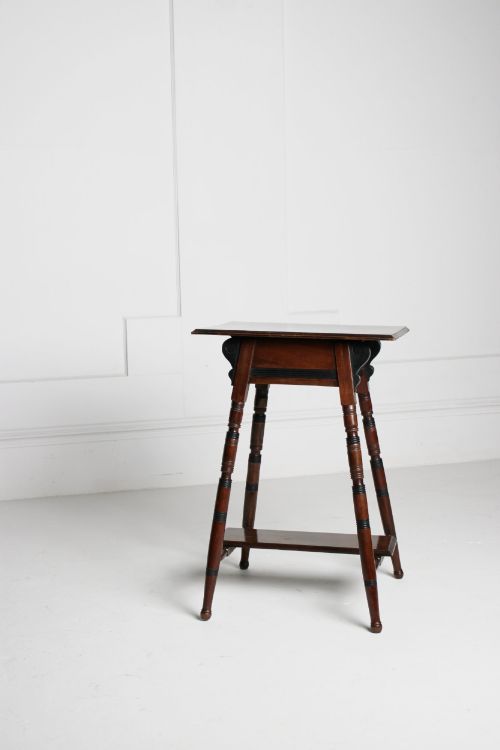
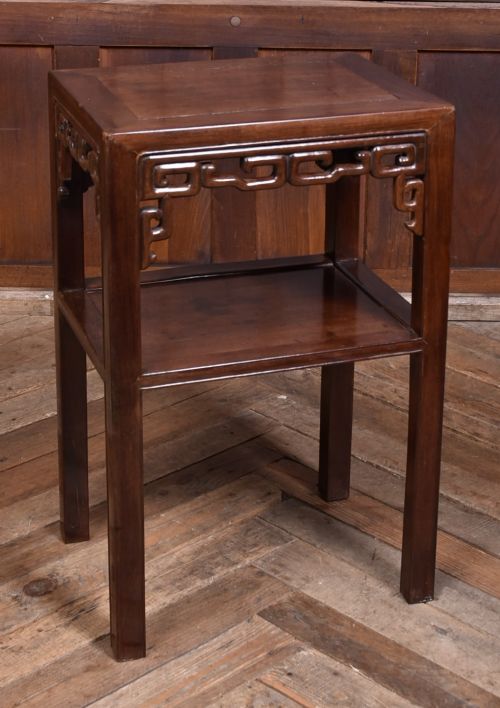
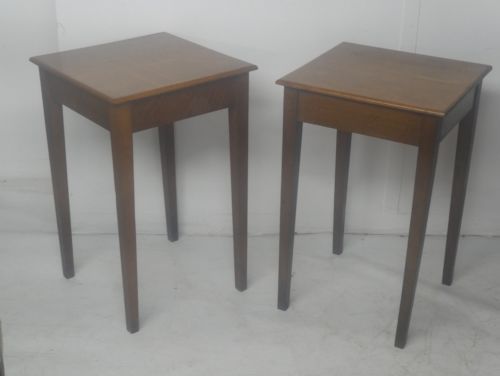
These antique tall accent tables span centuries of craftsmanship, offering elevated surfaces for lamps, plants and decorative objects in timber and marble.
Antique Tall Accent Tables
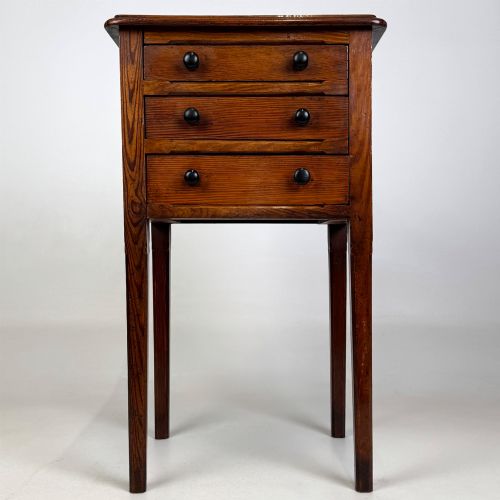
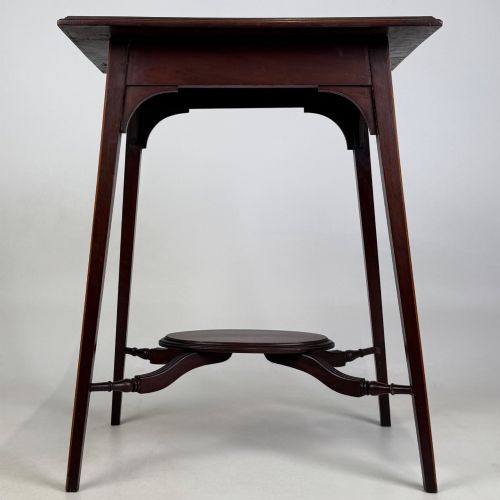
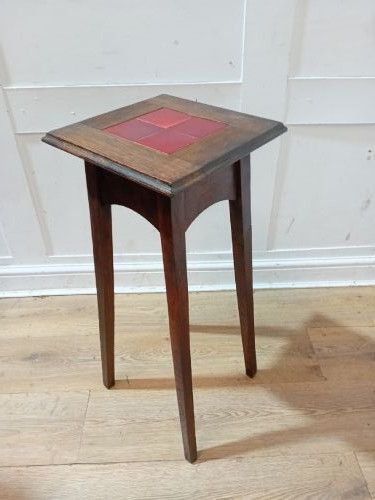
When you search for antique tall accent tables, you encounter an array of elevated furnishings designed for practical display within traditional interiors. These pieces take forms such as plant stands, lamp tables, torchieres and small pedestals spanning the eighteenth, nineteenth and early twentieth centuries.
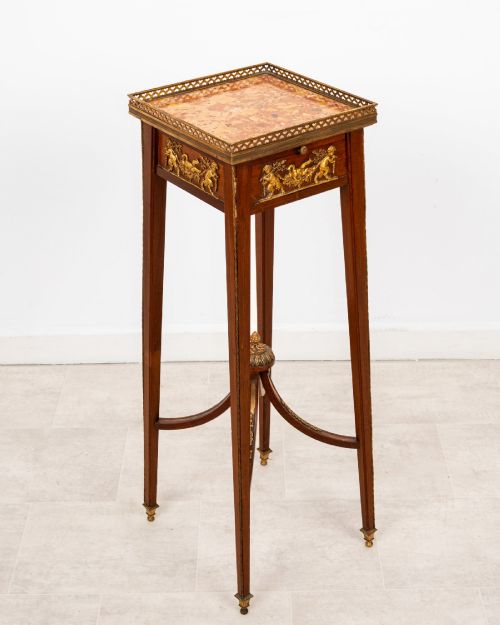
The selection here draws heavily on Victorian, Edwardian and Georgian periods, alongside pieces executed in French Neoclassical, Arts and Crafts and Sheraton Revival styles. Mahogany, oak and walnut dominate the construction, often enhanced by marble tops, brass mounts or delicate satinwood inlay.
Buyers frequently find functional occasional tables and jardiniere stands designed to hold vases, lighting or ornaments at a raised height. These items bring distinct historical character to corners and narrow spaces where standard furniture proves too bulky.
How they were made
Cabinetmakers constructed these tables using solid hardwoods such as mahogany, oak, walnut and exotic rosewood, frequently incorporating softer secondary woods for internal framing. Surfaces often received hand-painted decoration, rich polish or intricate inlay using satinwood and lighter timbers.
Many examples feature specialist surface materials set directly into the wooden frame, including rouge marble, onyx and brass plates. Turned columns, carved tripod legs and galleried edges demonstrate traditional joinery techniques honed across the Georgian and Victorian eras.
What varies in quality
Excellence in these pieces rests upon the crispness of carved details, the stability of slender vertical supports and the integrity of inset stone tops like marble and onyx. Superior examples display thoughtful proportions where tall stems or pedestals remain perfectly balanced against heavy bases.
The refinement of secondary elements, such as hand-painted floral motifs, brass gallery rails and precise wood inlay, distinguishes standard utility items from workshop pieces created in the manner of notable designers or specific regional schools.
Druce And Co London·Barker Ellis
The Antique Tall Accent Tables Glossary
- Torchiere
- A tall stand or candlestick holder designed to elevate a single light source or decorative object. These slender pieces usually feature a circular top supported by a central column and tripod base.
- Jardiniere
- A decorative stand or container intended to hold indoor plants or floral arrangements. In table forms, these feature waterproof or raised upper surfaces suited to horticulture.
- Whatnot
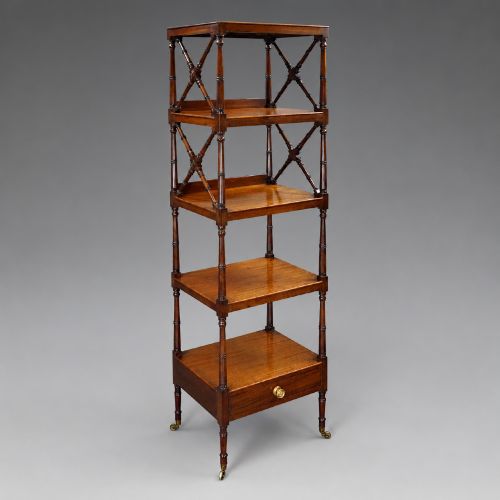
- A multi-tiered piece of freestanding furniture utilised for displaying ornaments, books or small items. They offer vertical storage across several open shelves.
- Galleried edge
- A raised ornamental border surrounding the perimeter of a tabletop. This wooden or brass railing prevents small objects from sliding off elevated surfaces.
- Satinwood
- A luminous timber native to Ceylon and India known for its golden yellow sheen. Cabinetmakers utilised veneers of this wood for contrasting inlay and painted decorative panels.
Antique Tall Accent Tables: Frequently Asked Questions
Where should I place a tall lamp table?
These elevated surfaces suit corners, hallways and tight spaces beside armchairs where standard side tables prove too wide. Their height brings illumination and display items up to a convenient level.
Ensure the tall base sits on stable flooring, particularly when supporting heavy ceramic lamps or stone vessels, to prevent accidental tipping.
How do I care for a marble top table?
Marble and onyx surfaces require gentle cleaning with a damp cloth and mild soap, avoiding acidic household cleaners that etch the polished stone. Use coasters under drinks to prevent moisture rings.
Wooden frames benefit from occasional application of quality wax to nourish the grain and protect the historical finish from drying out.
What is the difference between a torchiere and a plant stand?
A torchiere originates as a candle stand, possessing a very slender column and small platform specifically proportioned for upward illumination or solitary display pieces. Plant stands frequently feature wider tops or lined wells designed for vegetation.
Both categories provide height, but plant stands lean towards utilitarian durability whereas torchieres prioritise carved elegance.
Can these tables support heavy lighting?
Most antique accent tables easily accommodate standard table lamps, though slender tripod designs require careful weight distribution. Examine the base spread and pillar thickness before placing substantial ceramic or metal lamps.
Solid hardwood frames from the Georgian and Victorian periods offer robust support, provided the joints remain tight and secure.