
Antique Table Spoons
Antique table spoons are heavier dining silver carrying decades of handling, dinner table service, and familial crests.
Antique Table Spoons
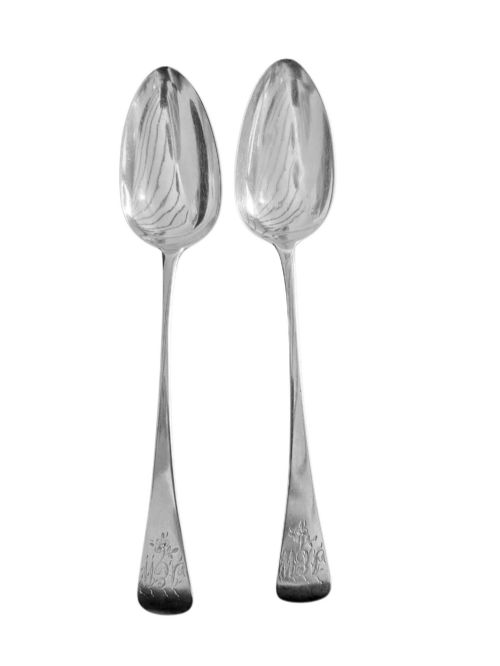
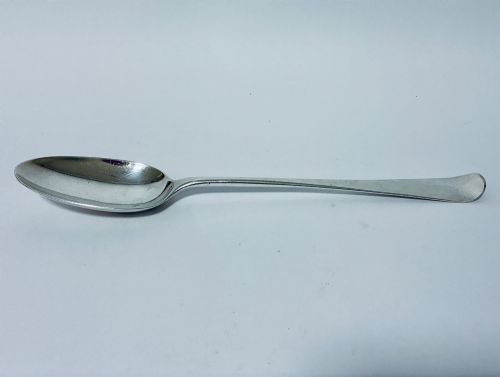
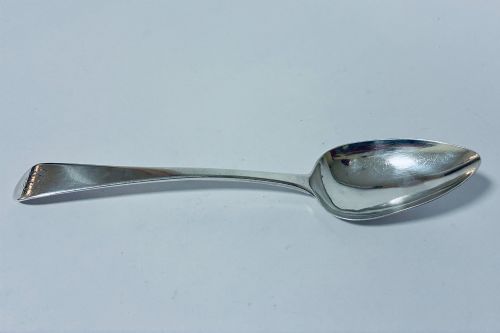
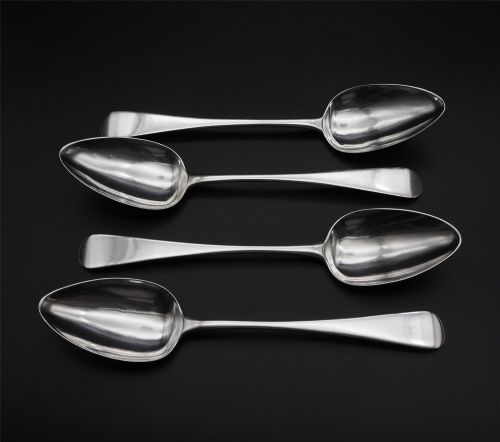
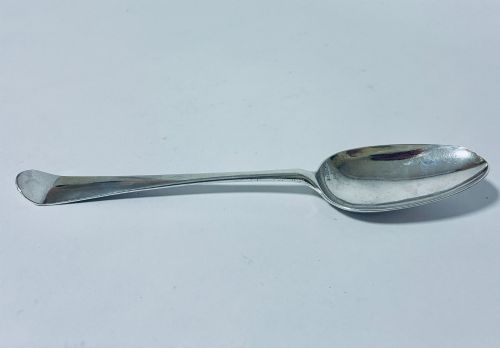
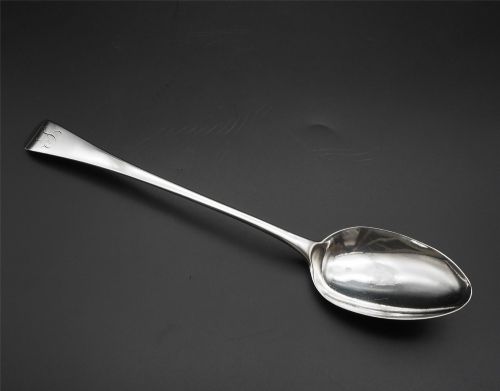
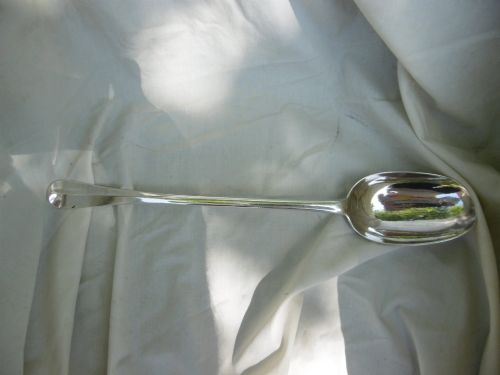
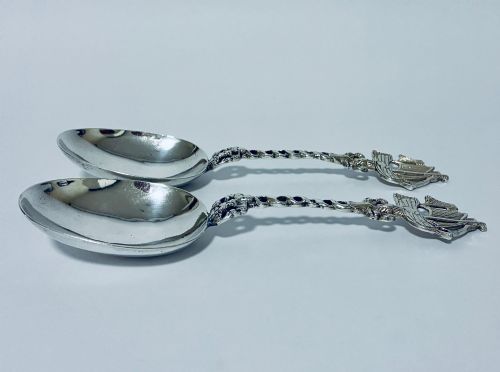
When searching for antique table spoons, collectors encounter robust silver flatware designed for grand dining from the Georgian, Victorian, and Edwardian eras. These pieces include large basting and serving spoons, alongside standard tablespoons meant for the table.
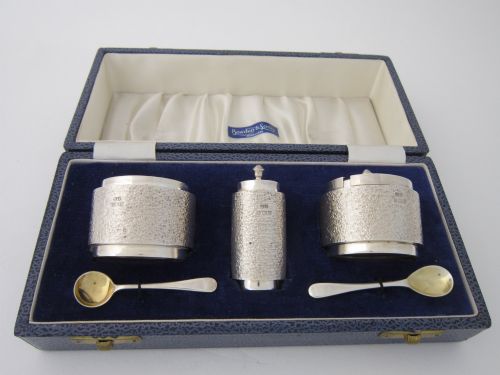
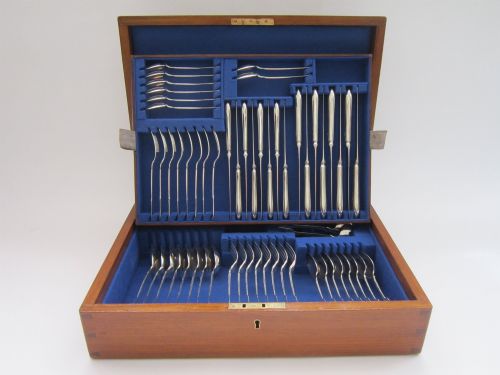
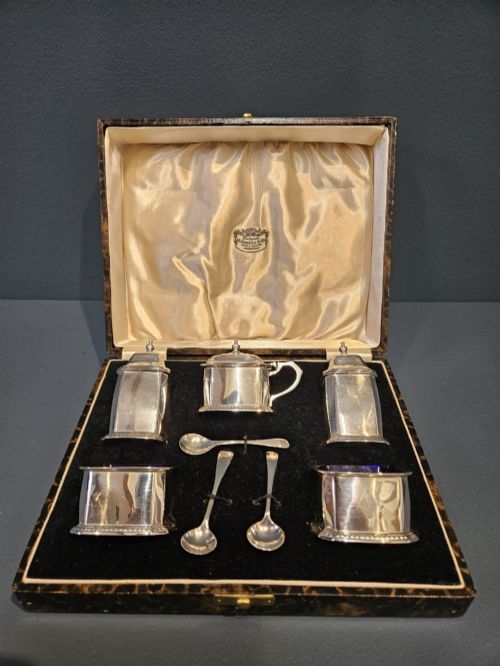
The specimens appearing here frequently span the eighteenth and nineteenth centuries, often bearing provincial assay marks or London hallmarks. Many survive within fitted presentation cases or matched sets.
How they were made
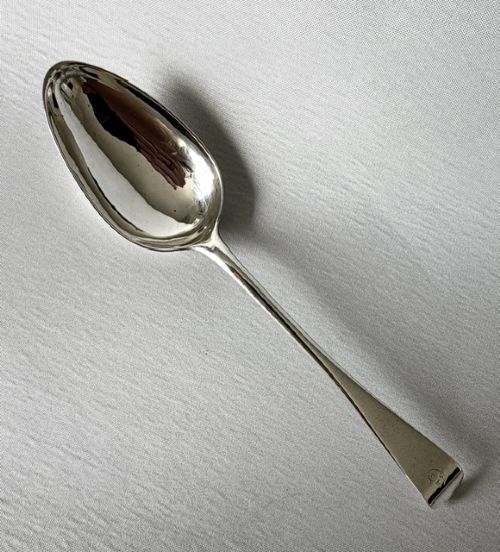
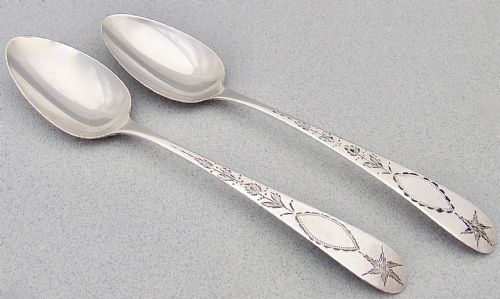
Makers shaped these spoons primarily from sterling silver and Britannia standard silver, hammering and casting the metal to achieve balanced weight and durable bowls. Silversmiths applied bright-cut engraving, family crests, or distinct handle patterns like Old English.
Silver plating on base metals emerged later for larger service items such as spoon warmers, while earlier pieces relied on solid silver construction. Hand-punched maker marks and town hallmarks stamped into the metal authenticate the production period.
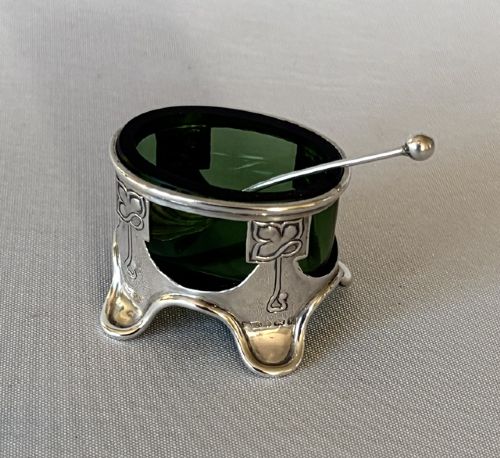
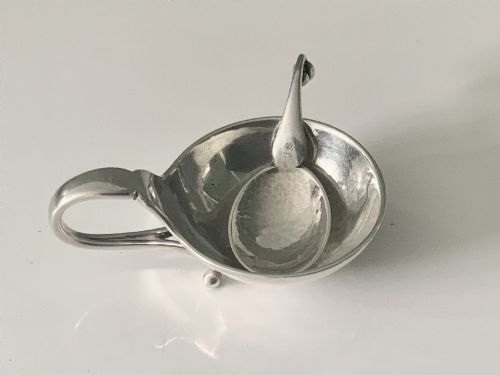
Swan-shaped salt dishes glide across the table alongside spoons.
What varies in quality
The distinction between ordinary spoons and superior examples rests upon the crispness of the original hallmarks, the retention of original bowl thickness, and the clarity of engraved crests. Heavy gauge silver that resists bending during use commands greater appreciation.
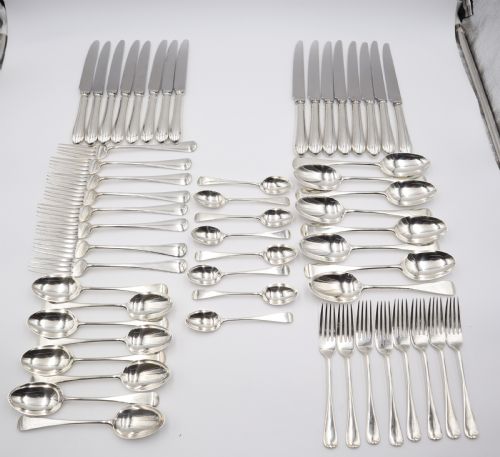
Completeness alters desirability, particularly when spoons remain in their original velvet-lined or silk-lined presentation cases rather than appearing as isolated survivors. Maker attribution to notable silversmiths further elevates the standing of individual pieces.
Alfred Marston·John Pittar·Andrew Archer·Josiah Williams And Co·John Locker·John Wilks·William Scarlett·Georg Jensen
The Antique Table Spoons Glossary
- Hallmark
- Official stamps struck into precious metals to indicate the maker, assay office, and year of testing. These marks provide the primary evidence for dating older flatware.
- Basting spoon
- An oversized spoon traditionally utilised for gathering pan juices during roasting. They measure significantly longer than standard dining spoons.
- Britannia standard
- A higher purity standard of silver introduced by statute, containing ninety-five point eight percent pure silver. It was mandatory for British plate between seventeen hundred and seventeen twenty.
- Berry spoon
- An existing table spoon retrofitted later with embossed fruit and leaf chasing upon the bowl. Victorians favoured these modified spoons for serving desserts.
- Old English pattern
- A traditional eighteenth-century flatware design featuring a downward-curving stem and a rounded terminal. It remains a standard shape across Georgian silver.
Antique Table Spoons: Frequently Asked Questions
How do I clean antique silver spoons?
Wash silver gently in warm water using mild soap, avoiding harsh abrasive dips that strip away patination and fine detail.
Dry each piece thoroughly with a soft cloth to prevent water spots from forming on the metal surface.
Can I use these spoons for daily dining?
Solid silver table spoons withstand regular use provided they are washed by hand rather than placed inside modern dishwashers.
Heavier Georgian and Victorian examples remain remarkably durable for contemporary meals.
What is the difference between a tablespoon and a basting spoon?
Standard tablespoons measure smaller and were utilised for consuming food directly from the plate during formal dining.
Basting or hash spoons measure considerably longer and heavier, designed specifically for serving food from communal dishes.
How do I read silver hallmarks?
Look closely at the reverse of the handle for stamped symbols indicating the maker's initials, assay office, and date letter.
Reference guides match these tiny punches to specific towns and operational years.