






Antique Table Picture Frame
An antique table picture frame turns a personal portrait into an object of desk furniture, combining precious metal, glass and velvet backing.
Antique Table Picture Frame
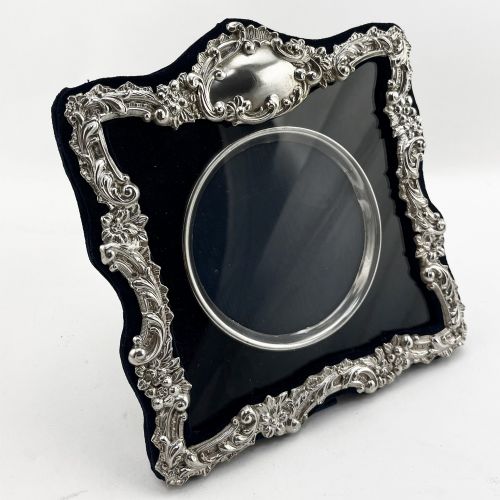
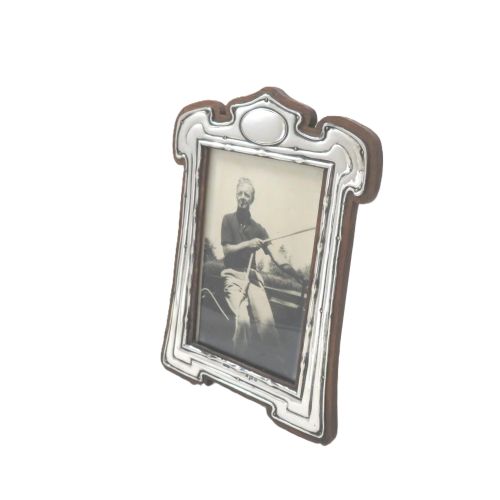
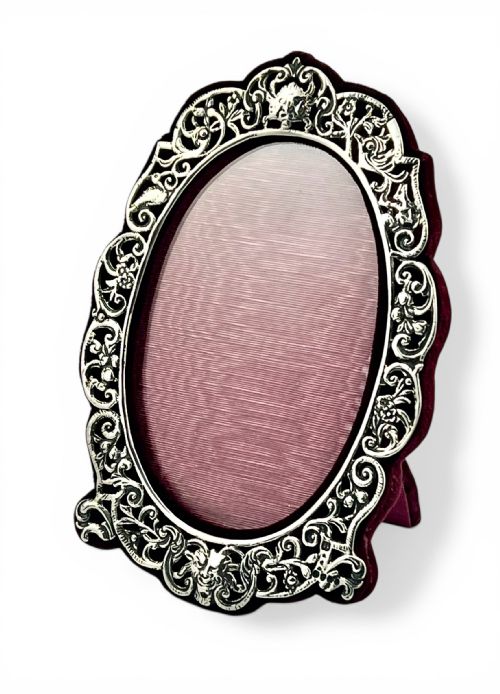
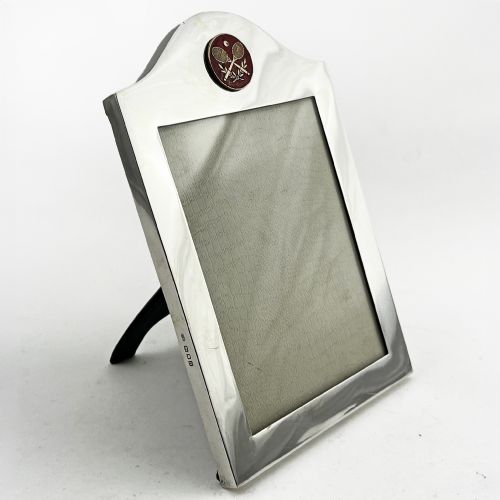
An antique table picture frame is designed to stand upright on a desk, mantelpiece or dressing table rather than hang upon a wall. You will encounter these predominantly in sterling silver from the late Victorian and Edwardian decades, though earlier French examples in gilt bronze and ormolu also appear.
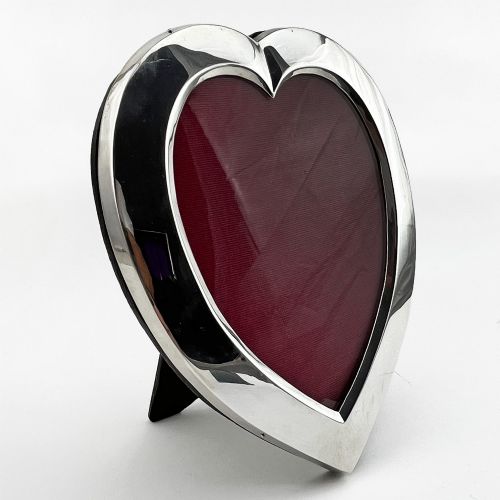
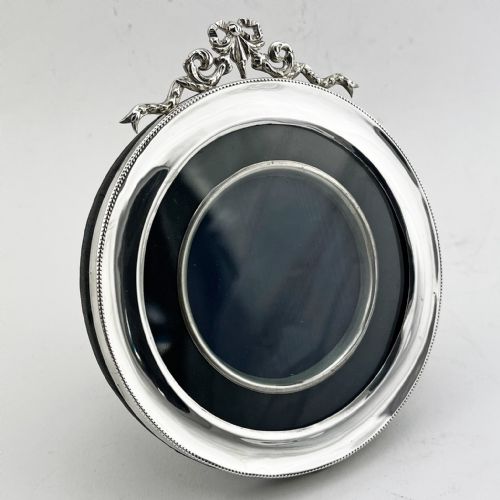
The objects take various shapes, from simple rectangular and round formats to heart shapes, novelty miniature furniture designs and two-way folding displays. Most rely on a hinged strut at the reverse to maintain their upright position on a horizontal surface.
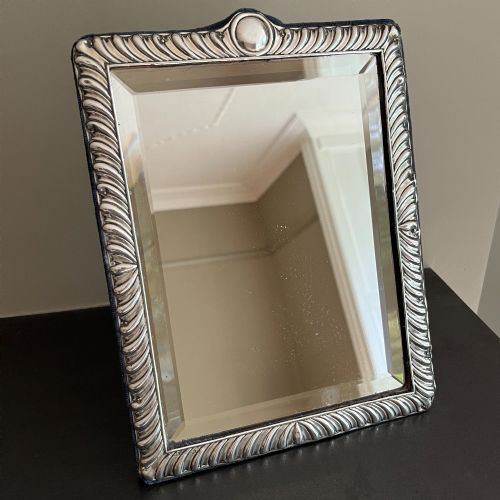
Alongside standard photographs, the category encompasses related desk accessories such as table mirrors, cartes de visite display boxes and combined vanity items. These pieces span the nineteenth and early twentieth centuries, reflecting changing domestic habits in portrait display.
Materials and Construction
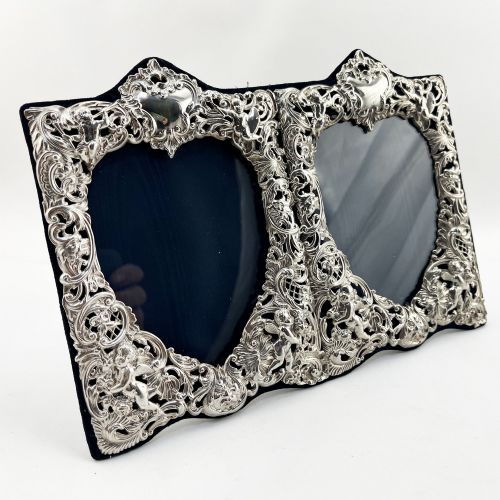
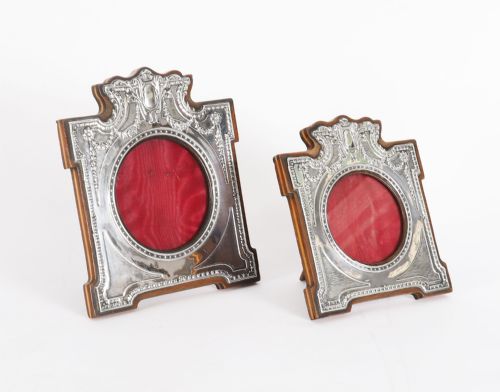
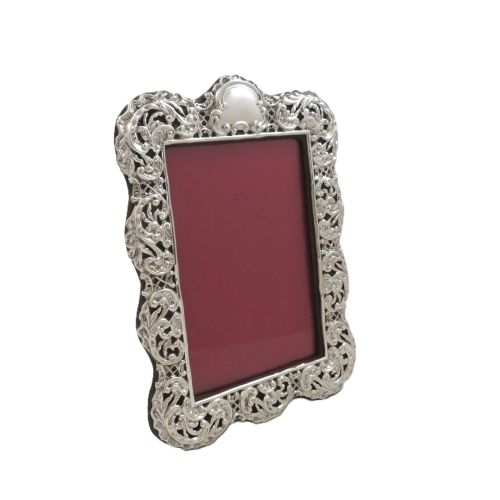
Makers utilised sterling silver sheet metal pressed and embossed with floral, scroll or angelic motifs, then mounted these panels onto wooden cores lined with velvet or fabric. Structural integrity relied on solid silver backings, brass hinges and integrated glass panes protecting the image.
Continental workshops favoured cast gilt bronze, ormolu and champleve enamel, applying meticulous hand-chasing to the metal surfaces. Agate mounts, carved wood and pewter also occur, demonstrating a diverse range of decorative techniques across English and French makers.
Reynolds angels peer from silver borders, keeping watch over Victorian desks.
Distinctions in Quality
Quality reveals itself in the crispness of the repousse or chased ornament and the gauge of the silver or bronze utilised in the body. Heavy-gauge metal resists denting and maintains structural rigidity at the hinge and strut.
The integrity of the internal wooden backing, the original fabric lining and the presence of clear hallmarks or maker marks distinguish superior examples. Finer frames exhibit hand-finished details rather than mass-produced stamping.
William Comyns·Mappin Bros·Henry Matthews·Boin Taburet
The Antique Table Picture Frame Glossary
- Strut
- A hinged support attached to the back of a frame that allows it to stand upright on a table. It is commonly covered in velvet or leather matching the backing board.
- Champleve
- An enamelling technique where troughs are carved into a metal surface and filled with vitreous enamel powder before firing. This method creates colourful decorative patterns on bronze frames.
- Repousse
- A metalworking technique where the artisan hammers the reverse of a sheet of silver to form raised relief designs on the front. Embossed details are often chased further from the exterior.
- Ormolu
- Gilt bronze applied to decorative objects and furniture mounts, popular in nineteenth-century French and English pieces. The finish achieves its golden appearance through an amalgam of mercury and gold leaf.
- Carte de visite
- A small photographic portrait mounted on a card, popular in the Victorian era and housed in specialised table display boxes or frames.
Antique Table Picture Frame: Frequently Asked Questions
How do I clean a silver frame?
Silver frames require gentle cleaning with a soft cloth and proprietary polish, taking care to avoid the glass and fabric backing.
Aggressive rubbing can wear down embossed details and thin silver plate where present.
Are the glass panels usually original?
Many frames retain their original hand-cut glass, often showing slight imperfections or bubbles consistent with period manufacture.
Replacement glass is common due to accidental breakage over a century of domestic use.
How do I date a silver frame?
British silver pieces bear hallmarks that indicate the assay office, date letter and standard mark for sterling silver.
Comparing these stamps against official assay records reveals the exact year of manufacture.