




Aesthetic Movement Frame
These aesthetic movement frame pieces and related items bring nineteenth-century design into modern spaces through rich materials and distinct period craftsmanship.
Aesthetic Movement Frame
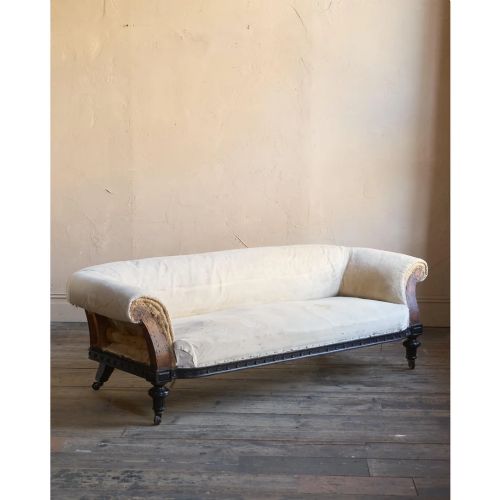
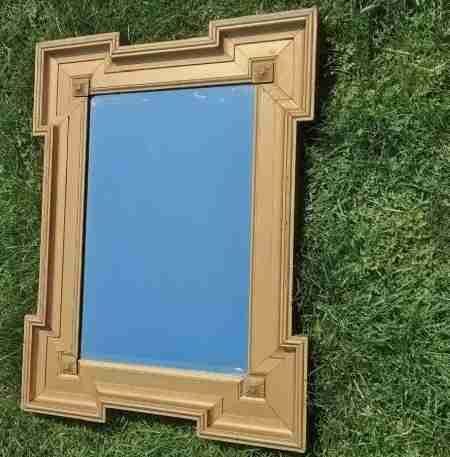
An aesthetic movement frame search typically uncovers a varied selection of nineteenth-century items, including mirrors, paintings, boxes, and furniture that reflect the distinctive tastes of the period. While mirrors and wall pieces dominate the listings, buyers also encounter seating, beds, and decorative panels bearing similar design influences.
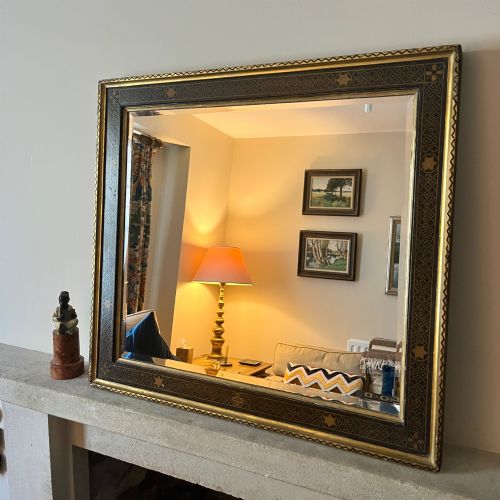
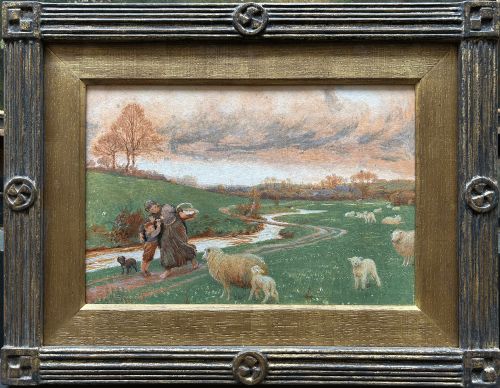
The objects span several decades of the Victorian era, particularly the 1870s, 1880s, and 1890s. Pieces range from French aesthetic movement pewter frames with watercolours to large ebonised and gilt overmantel mirrors.
Beyond standard wall mirrors, the selection includes table top display box frames and framed botanical or artistic works. These items showcase the eclectic yet refined visual language characteristic of late Victorian interiors.
How they were made
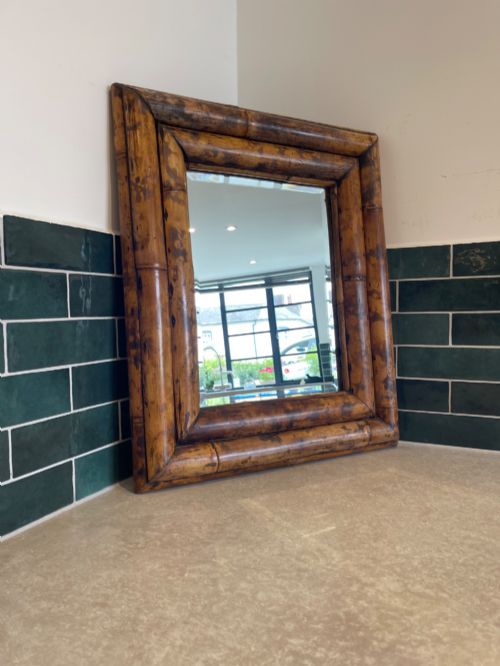
Maker construction relies heavily on traditional wood working combined with surface ornamentation, utilising ebonised wood, giltwood, gesso, brass, and bamboo. Artisans applied parcel-silvering, paint, and fine carving to achieve the textured, decorative finishes seen across the furniture and mirror frames.
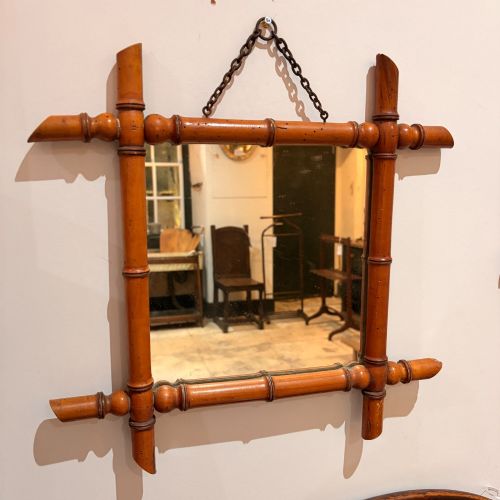
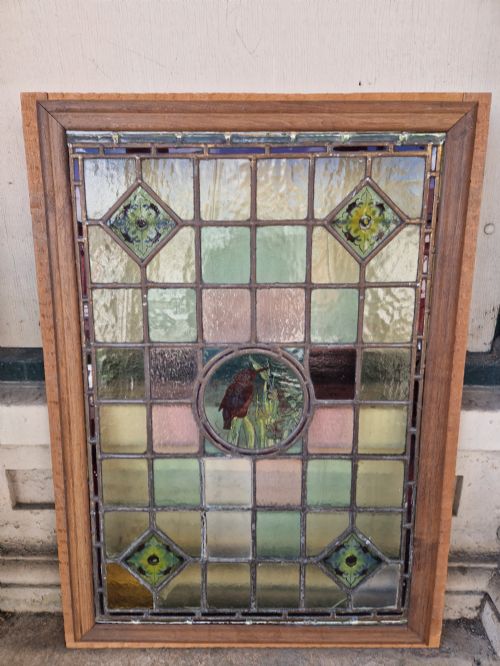
Selected pieces incorporate bevelled glass, fabric, paper, and stained glass panels alongside structural hardwoods like oak, walnut, and mahogany. Faux bamboo and turned elements also appear frequently, highlighting the period interest in exotic and alternative natural forms.
Among the nineteenth-century furnishings, a dining gong stands ready to summon Victorian household members to dinner with a resounding chime.
What varies in quality
Quality differences stem from the depth of hand-carving, the crispness of parcel-silvering and gilding, and the integrity of ebonised wooden surfaces. Superior examples demonstrate careful attention to detail in applied ornamentation and structural joinery.
The refinement of secondary materials, such as bevelled mirror plates, heavy cast brass, and original fabric or watercolour contents, separates standard production items from finer, more ambitious works of the Victorian aesthetic period.
Howard & Sons·Frederick Walker·Helen Cordelia Angell·Wiliam Stephen Coleman
The Aesthetic Movement Frame Glossary
- Aesthetic Movement
- A nineteenth-century design movement that emphasised art for art's sake and drew inspiration from Japanese and nature-based motifs. It rejected heavy mid-Victorian clutter in favour of simpler, more harmonious lines.
- Ebonised Wood
- Timber treated with a dark stain or finish to imitate expensive ebony. This technique was widely utilised on frames and furniture during the Victorian period.
- Gesso
- A plaster-like mixture applied to wood surfaces as a base for gilding or painting. It allowed craftsmen to mould intricate relief decorations onto frames.
- Overmantel Mirror
- A large mirror designed to hang specifically above a fireplace mantelpiece. These pieces often feature elaborate painted, gilt, or ebonised frames.
- Faux Bamboo
- Wood turned and carved to resemble natural bamboo stalks. It reflects the Victorian fascination with imported Japanese and East Asian aesthetics.
Aesthetic Movement Frame: Frequently Asked Questions
How do I date an aesthetic frame?
Dating relies on identifying period characteristics, material combinations, and construction methods typical of the nineteenth century. Examining the backing, glass bevelling, and surface finishes helps narrow down the decade of production.
Makers often utilised specific woods like ebonised walnut or oak alongside gesso and brass during the peak of the Victorian aesthetic period in the 1870s and 1880s.
Where were overmantel mirrors placed?
These large mirrors were positioned directly above living room or reception room fireplaces to reflect light and enhance the sense of space. They served as primary focal points in Victorian interior design.
Paired with gilt or painted wooden frames, they anchored the surrounding decorative scheme of the room.
What is faux bamboo furniture?
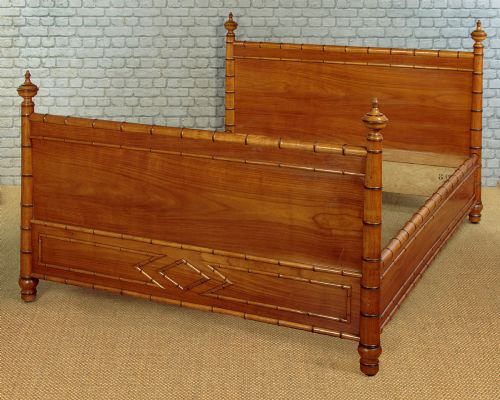
Faux bamboo pieces feature solid timber that has been skillfully turned and carved by hand to replicate the joints and texture of real bamboo. This style gained immense popularity during the late nineteenth century due to trade with East Asia.
Makers applied this technique to bedsteads, tables, and mirrors to introduce exotic visual elements into British homes.
How do I care for ebonised wood?
Maintenance involves dusting with a soft, dry cloth and avoiding harsh chemical cleaning agents that can strip the dark finish. Keeping pieces away from direct sunlight preserves the integrity of the surface.
Gentle polishing with appropriate wood care products maintains the subtle sheen characteristic of Victorian ebonised furniture and frames.