
Antique Table on Castors
An antique table on castors provides mobile surface space in mahogany, walnut, or pine, offering versatility for dining and work.
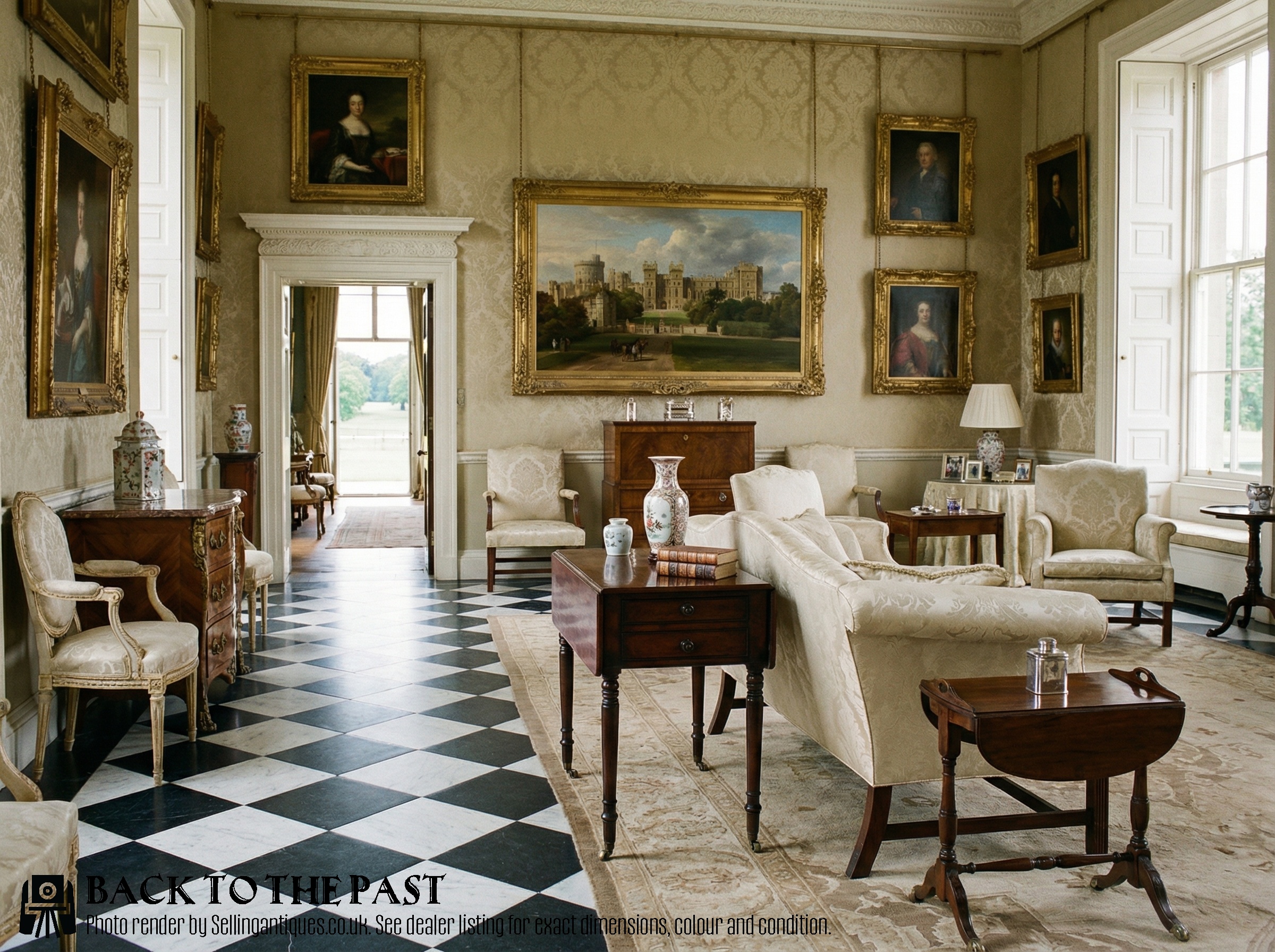
Understanding antique table on castors
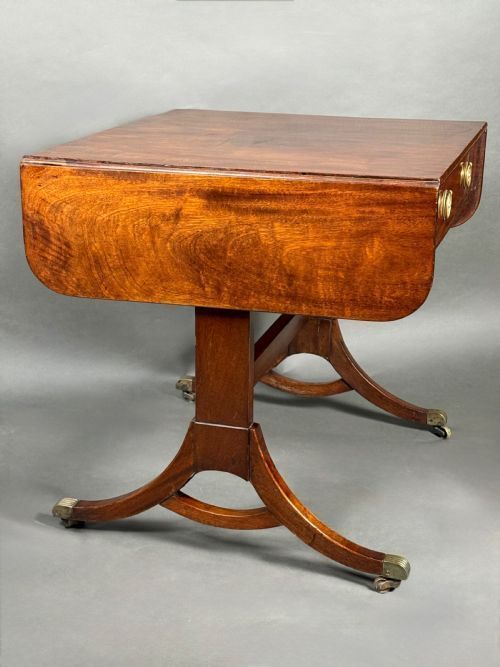
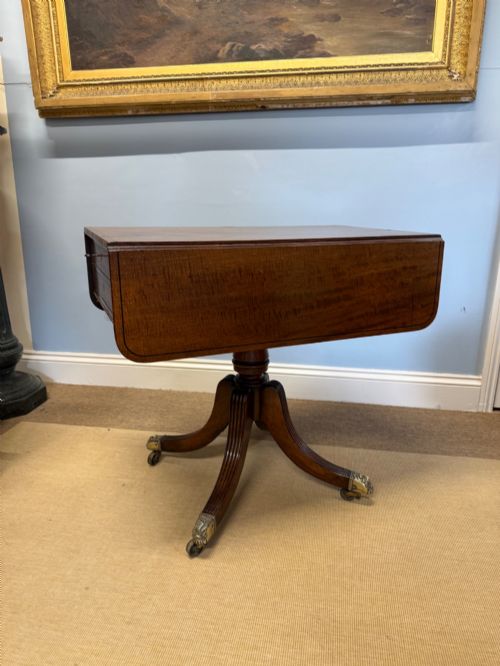
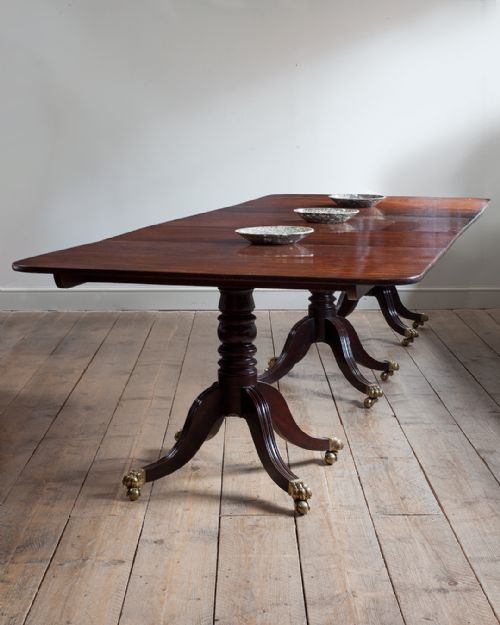
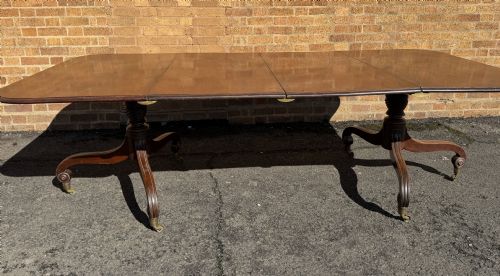
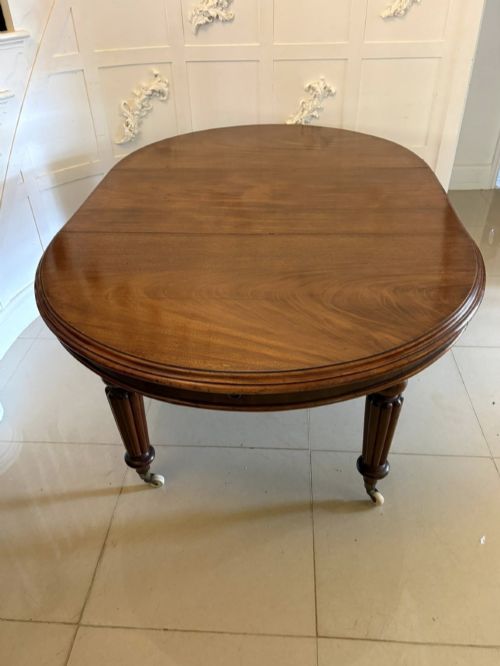
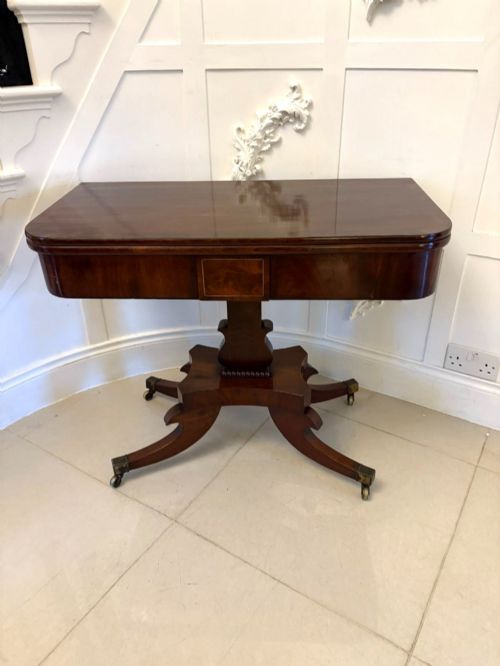
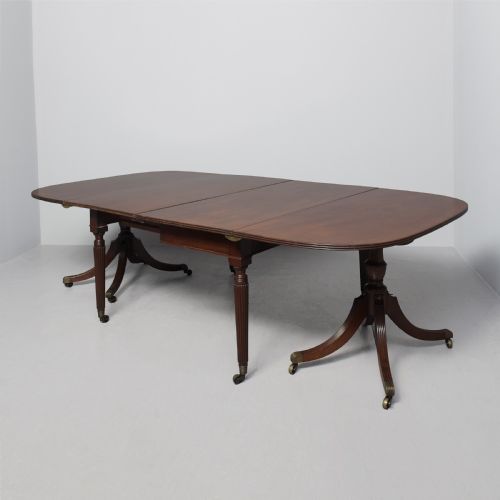
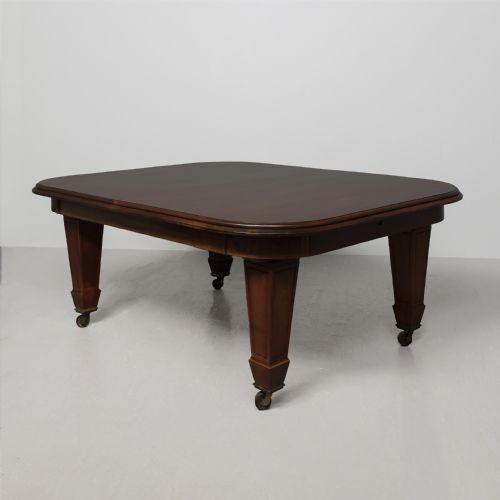
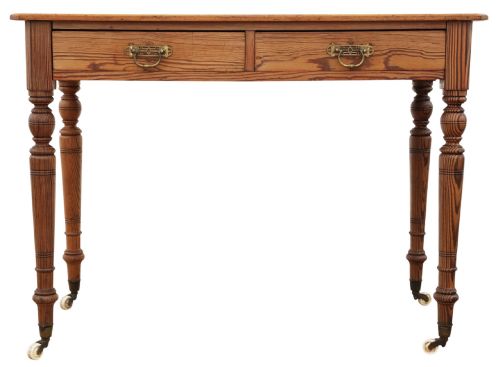
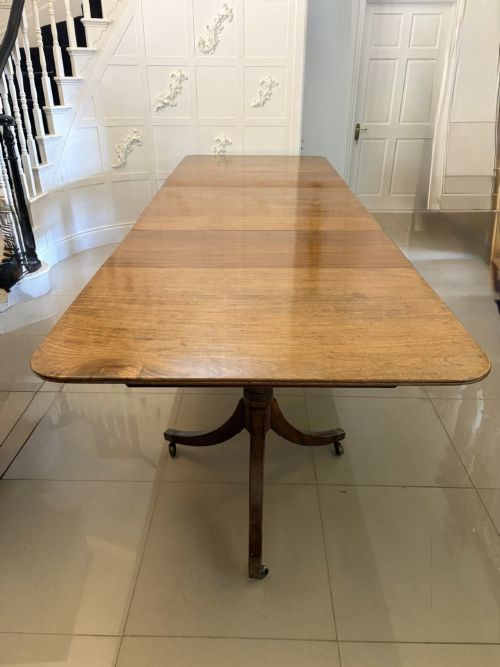
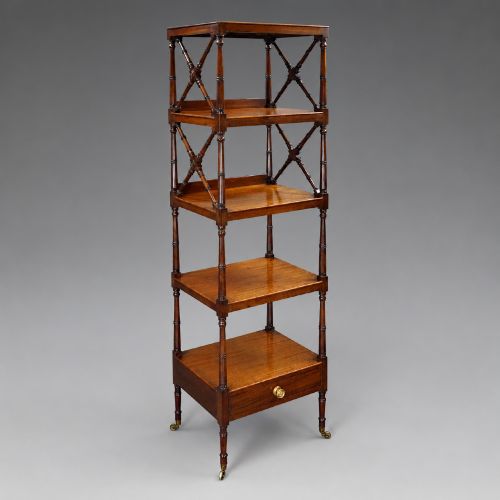
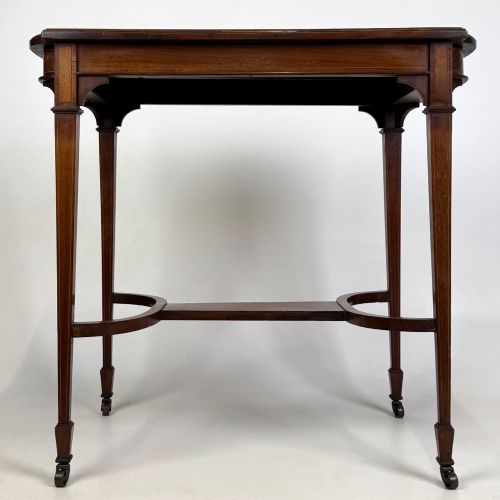
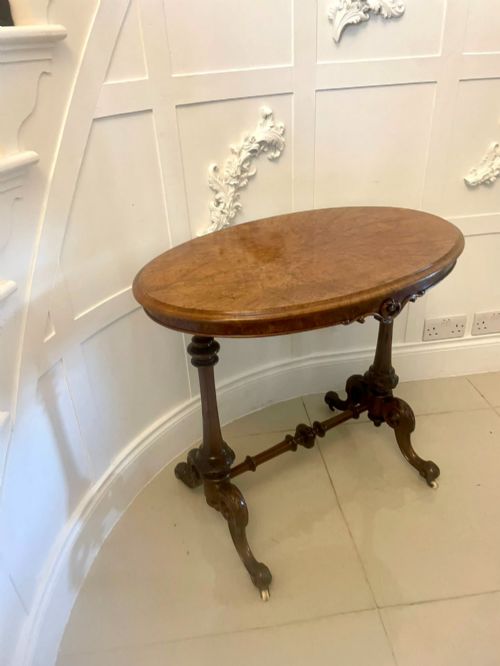
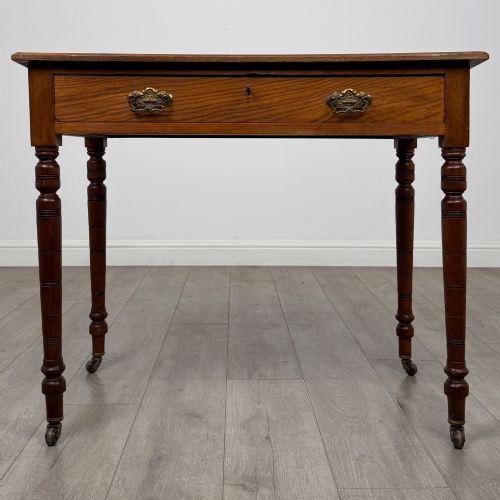
An antique table on castors is a functional piece designed for mobility in domestic spaces, featuring small wheels attached to the base. When searching for an antique table on castors, buyers encounter forms ranging from large extending dining tables to compact side and pembroke tables.
The selections span multiple periods, including the eighteenth century, the regency era, and the victorian period. Mahogany, walnut, and pine serve as the primary timbers, reflecting the practical needs of past households.
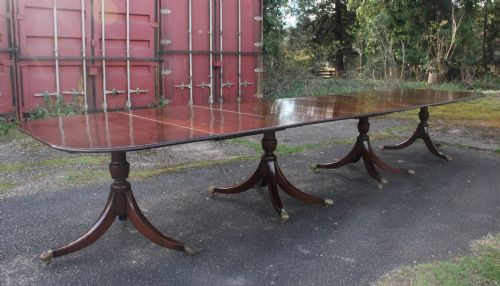
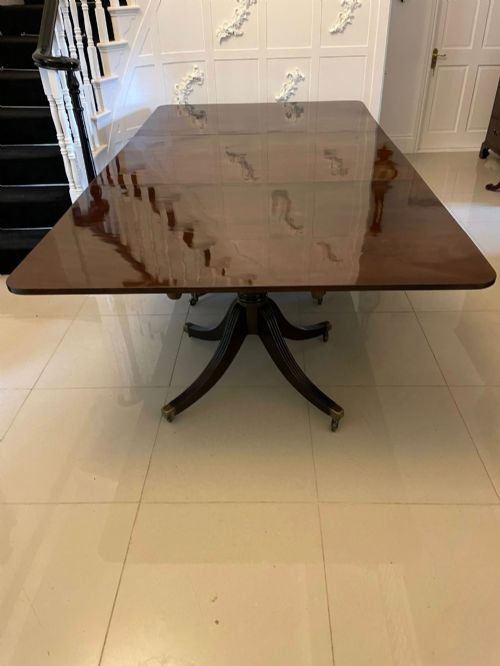
Dining tables and pembroke tables dominate the available items, often equipped with leaves or dropping flaps for adjustable surface area. Buyers are most likely to meet victorian mahogany extending models and kitchen tables fitted with original brass or ceramic castors.
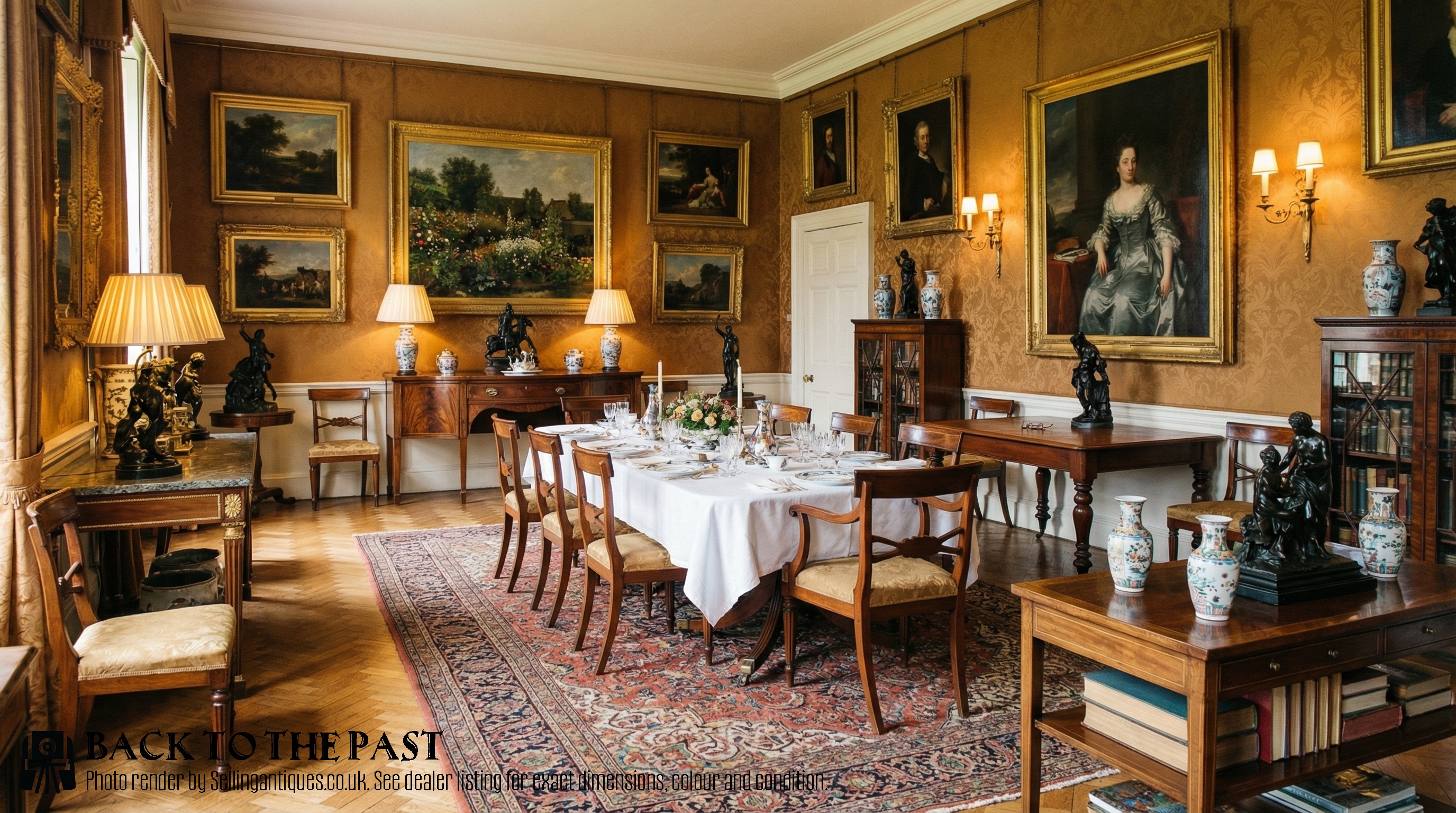
Construction and materials
Cabinet makers utilised dense timbers such as mahogany, walnut, elm, and pine to build these sturdy frames. Timber selection dictated the weight and durability of each piece, whether used for formal dining or kitchen work.
Castors were fashioned from brass and ceramic, affixed to the base of legs to allow smooth movement across floor surfaces. Wind-out mechanisms were engineered into extending dining tables to support multiple leaves.
Retail Price Guide 2026
Typical UK retail prices for table on castors, calculated from the Sellingantiques database of over a million retail prices indexed since 2003. This retail price guide relies exclusively on Sellingantiques data; no external sources or auction records are used, so the figures do not describe the wider market.
Listings feature mahogany, walnut, pine, elm, and timber across the eighteenth, nineteenth, and twentieth centuries.
Assessing quality
The fineness of timber grain and the integration of original operational hardware dictate the standing of a piece. Superior examples retain matching brass or ceramic castors alongside smooth extension systems and original leaves.
Proportion and execution of form separate standard utility items from refined examples. Cabinet work on regency and eighteenth-century pieces displays careful attention to jointing and surface finish.
The Antique Table on Castors Glossary
- Castor
- A small wheel fitted to the legs of furniture to permit easy rolling. These fittings commonly incorporate brass or ceramic components.
- Pembroke table
- A small rectangular table featuring two hinged drop leaves on opposite sides. It often serves as a side or lamp table.
- Extending table
- A dining table designed with a mechanical system to part in the middle and accept extra leaves. Wind-out systems facilitate this adjustment.
- Tilt-top table
- A pedestal table with a mechanism that allows the top to tilt vertically when not in use. This design saves floor space in smaller rooms.
Frequently Asked Questions
What periods do these tables come from?
The pieces span the eighteenth century, the regency era, and the victorian period. Examples also emerge from the early twentieth century.
Each era brings distinct timber choices and design characteristics, from french elm kitchen tables to mahogany dining furniture.
How were castors used historically?
Castors allowed heavy furniture to move across rooms for cleaning, dining, or evening gatherings without damaging floor coverings. Small wheels made repositioning large dining tables manageable.
Brass and ceramic fittings reduced friction against carpets and wooden floorboards.
Are original leaves important?
Original leaves ensure consistent timber ageing, colour matching, and grain alignment across the extended surface. They maintain the structural integrity intended by the original maker.
Matched leaves contribute to the overall coherence of extending dining tables.