


Antique Table on Brass Castors
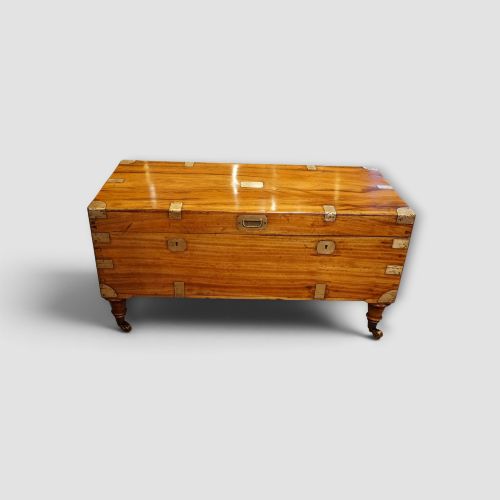
An antique table on brass castors is a functional piece of furniture designed for easy movement across floors, combining timber craftsmanship with metal hardware.
Antique Table on Brass Castors
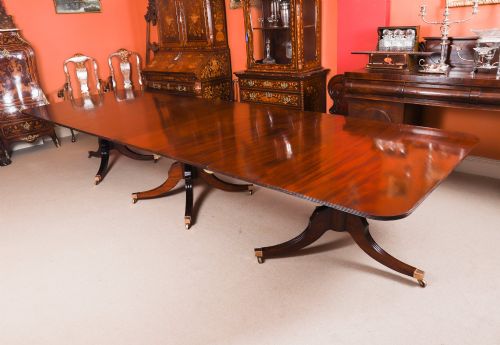
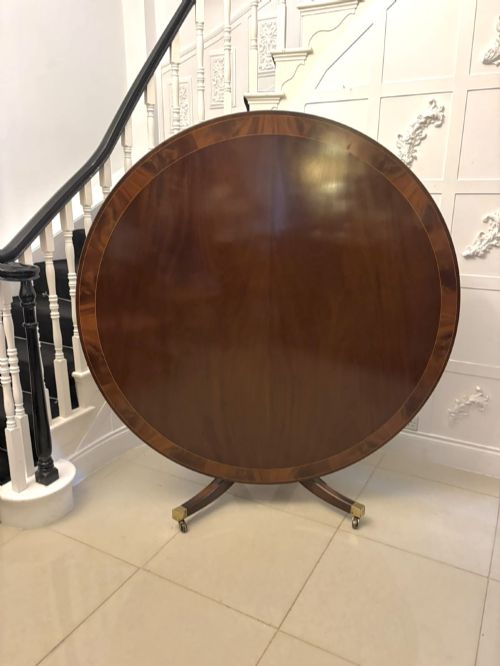
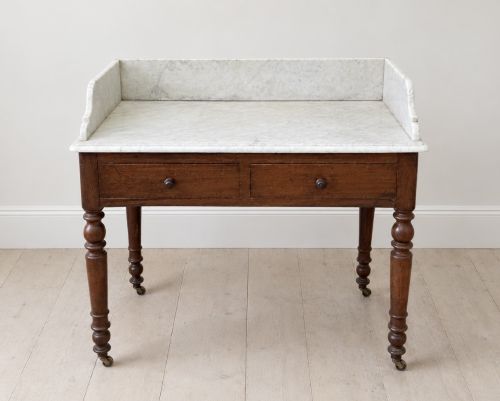
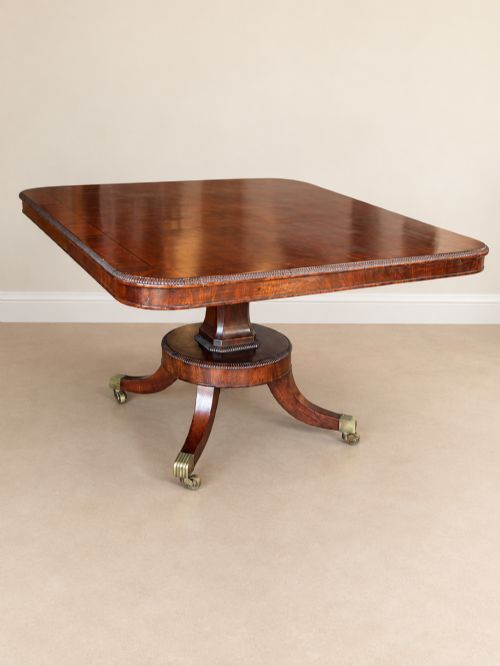
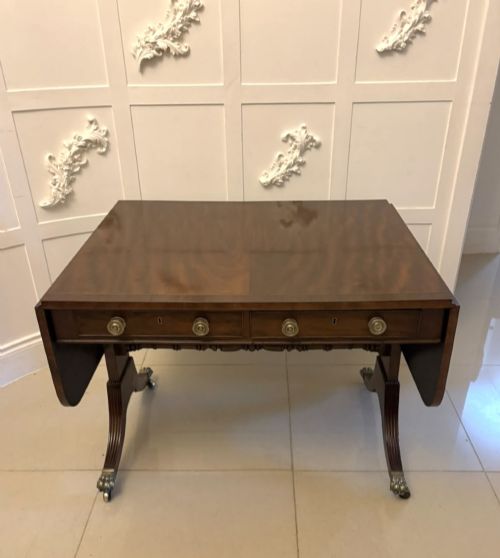
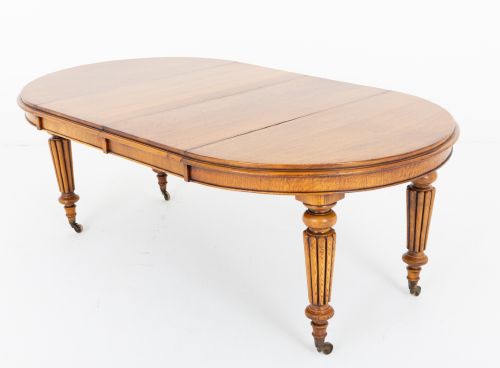
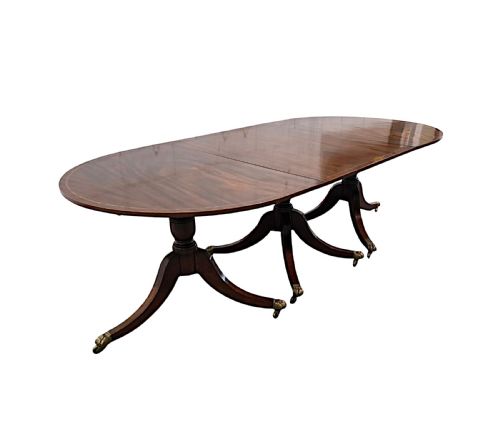
When you search for an antique table on brass castors, you find a variety of forms designed for dining, reading, or display. These pieces range from large extending dining tables with multiple pedestals to smaller occasional, tea, and sofa tables.
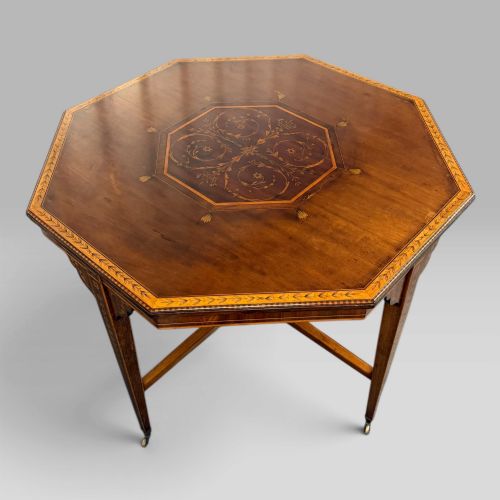
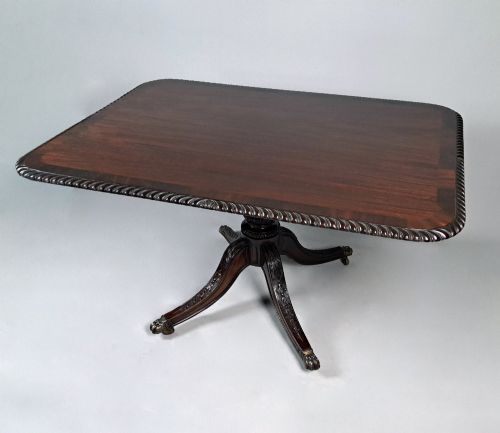
The pieces appearing on this page span several periods, with the Regency and Georgian eras providing the core of the selection alongside Victorian and later revival examples. Mahogany is the predominant timber, accompanied by rosewood, oak, and satinwood.
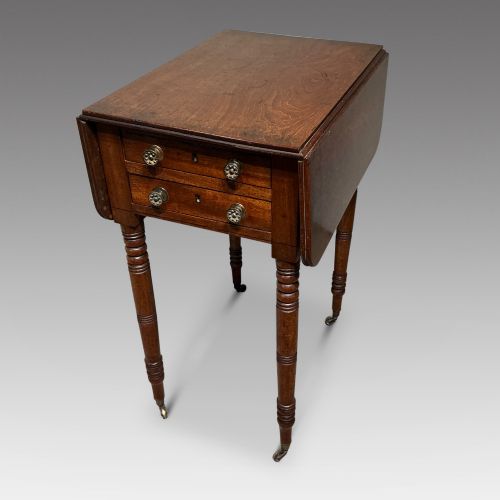
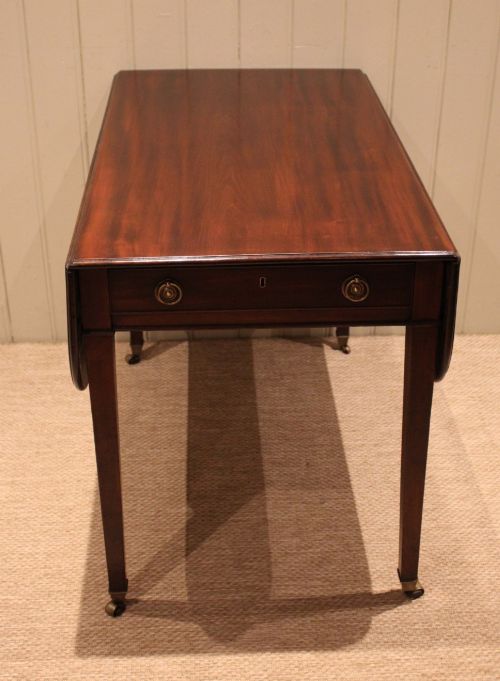
Buyers encounter different formats suited to domestic spaces, including drop-leaf pembroke tables, card tables, and drum tables. Each variation retains the defining feature of small metal wheels fixed to the feet for mobility.
How they were made
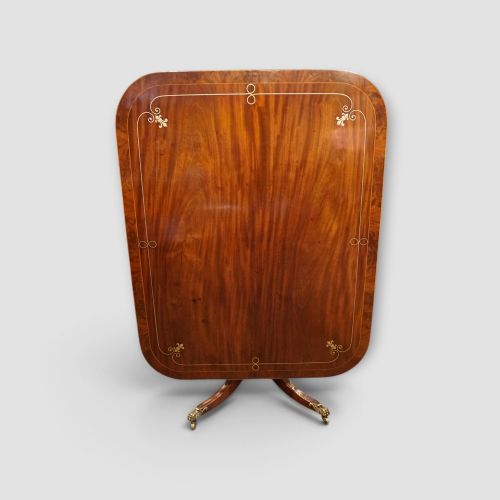
Cabinet makers utilised dense hardwoods such as mahogany, rosewood, and oak for the primary frames and table tops, often selecting figured veneer or flame mahogany to create varied grain patterns. Inlays of boxwood and satinwood provide linear contrast on borders and friezes.
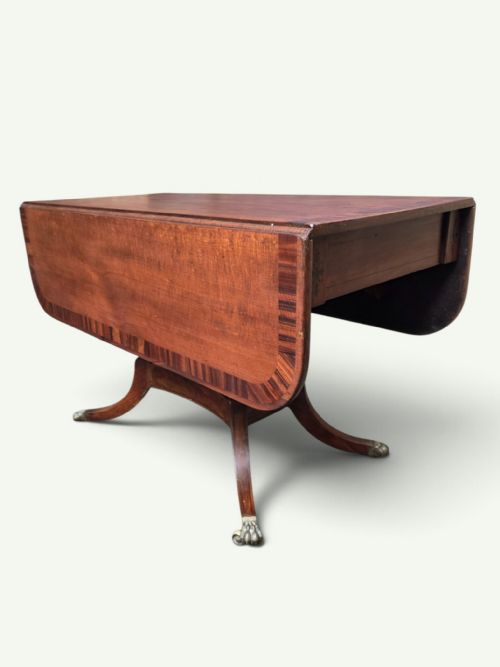
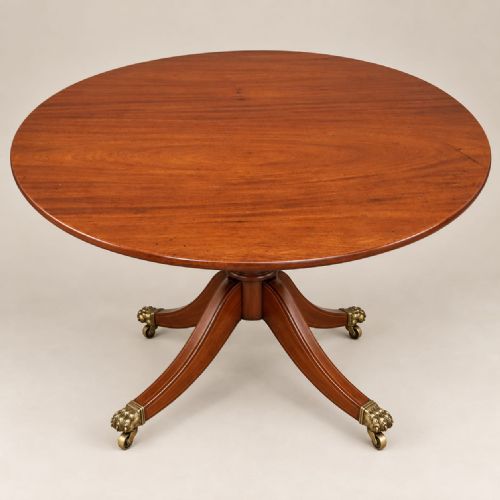
Brass formed the material for the castors, which were attached to the base of the legs to allow smooth movement. These metal mounts varied from plain sockets to detailed designs such as lion paws.
Antique Table on Brass Castors Retail Price Guide 2026
Typical asking prices for table on brass castors among the pieces listed under this phrase on Sellingantiques today, from the lower quarter to the upper quarter. They describe what is for sale here now, not the wider market.
At least one table rolls on lion-paw brass feet.
What varies in quality
The standard of timber selection marks the difference between basic utility items and finer commissions. Cabinets built with well-matched figured mahogany or rich rosewood display greater visual depth across the top surfaces.
The execution of secondary details, such as boxwood stringing, brass inlay, and the casting quality of the metal feet, separates standard workshop production from superior examples.
Gillows of Lancaster·Thomas Butler of London·Mallett of London
The Antique Table on Brass Castors Glossary
- Castor
- A small wheel mounted on a swivel assembly attached to the bottom of a furniture leg. It allows heavy tables to be repositioned without lifting.
- Pedestal
- A central column supporting a table top, often dividing into multiple pillars on larger dining furniture. It replaced traditional four-leg configurations to increase legroom.
- Pembroke table
- A small rectangular drop-leaf table with hinged flaps on opposite sides. It typically includes one or two small drawers.
- Stringing
- A narrow inlay of contrasting wood, such as boxwood, inserted into grooves on the timber surface. It outlines panels and table edges.
- Étagère
- A set of open shelves supported by columns used for displaying small objects. These pieces often incorporate brass framing and castors.
Antique Table on Brass Castors: Frequently Asked Questions
What periods do these tables come from?
The pieces span the Georgian, Regency, and Victorian periods, alongside early twentieth-century revival examples.
Craftsmen continued to produce designs influenced by Regency styles well into the 1900s.
How do you use a pembroke table?
A pembroke table functions as a compact side or breakfast table with hinged flaps that raise when extra surface area is needed.
Its proportions suit smaller rooms or placement beside seating.
What woods are most common?
Mahogany is the primary timber used across the majority of dining, Pembroke, and sofa tables on this page.
Rosewood, oak, and satinwood appear in specific card tables, desks, and occasional pieces.
Why were brass castors added?
Brass castors provided mobility for heavy timber furniture on carpeted or polished wooden floors.
They allowed dining and occasional tables to be repositioned easily within a room.