

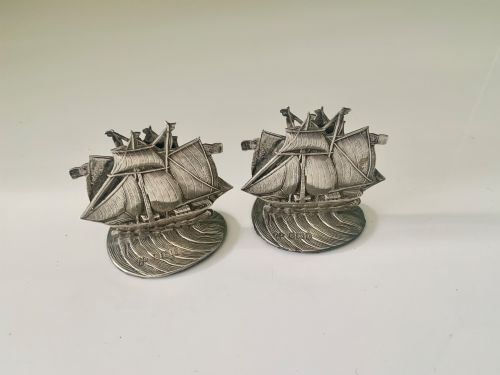
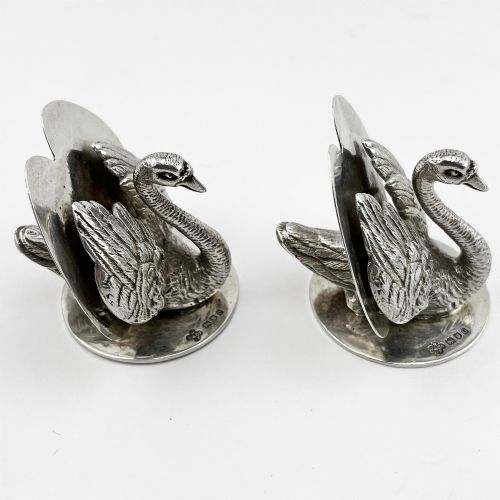
Antique Table Menu Stand
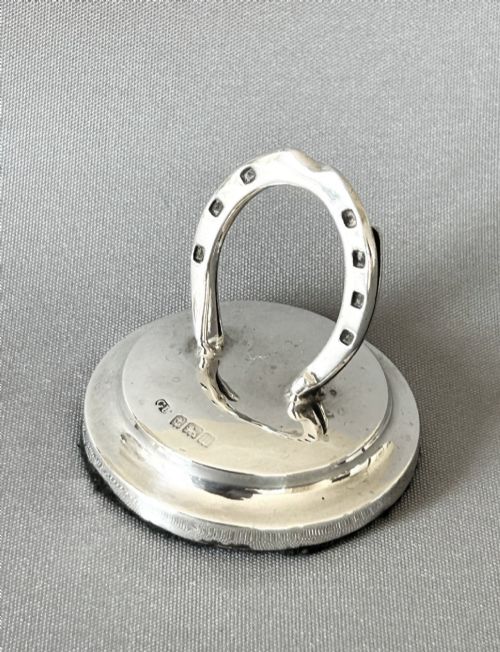
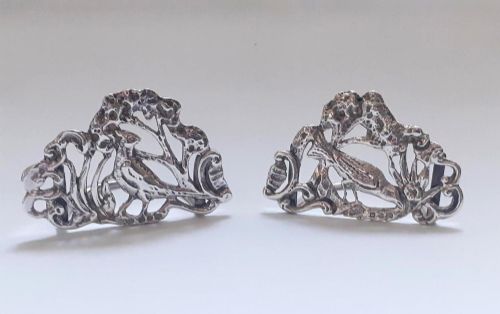
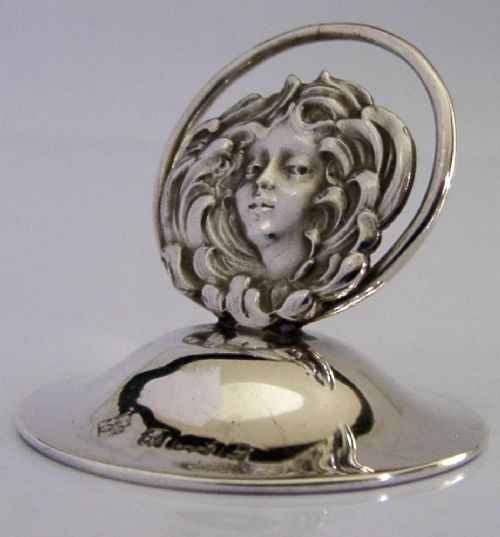
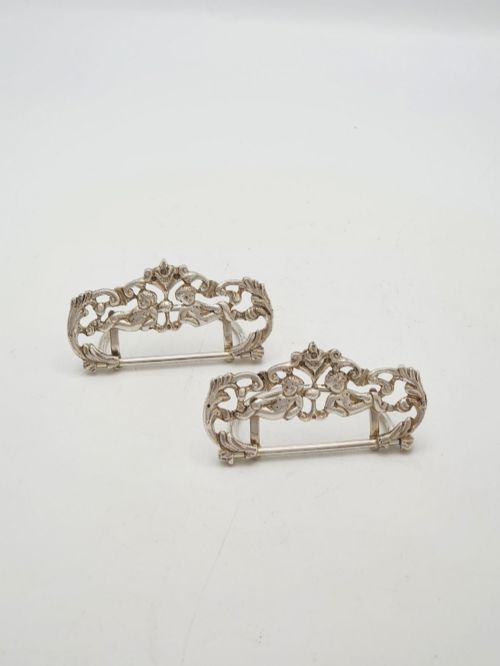
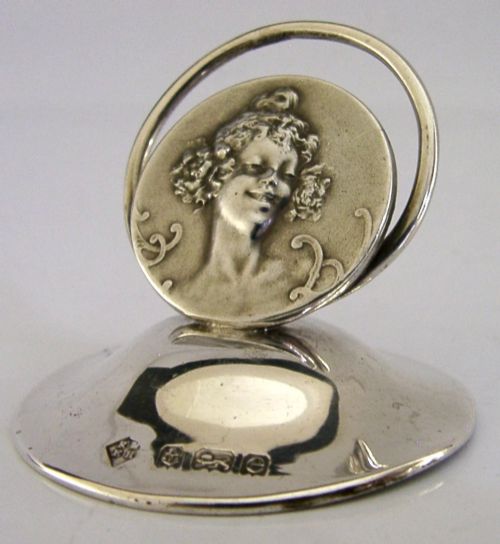
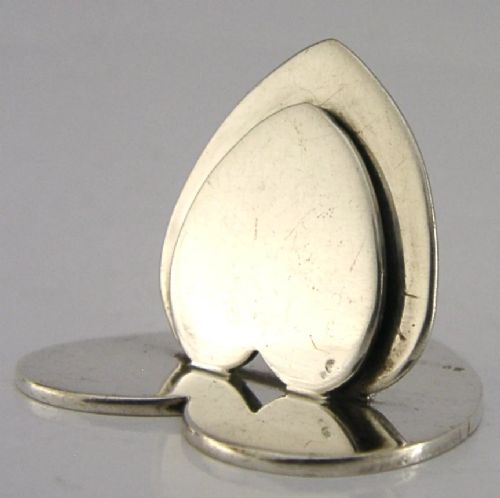
These antique table menu stands sit upright on dining tables to display dinner menus and place cards.
Antique Table Menu Stand
An antique table menu stand holds dinner menus and place cards upright for guests to read during formal meals. You meet these accessories most frequently in sterling silver, shaped into figural forms from the Edwardian period onwards.
The selections on this page span the Victorian era, the Edwardian years, and the mid twentieth century. Makers fashioned these small items as single pieces, pairs, or matched sets for larger dining gatherings.
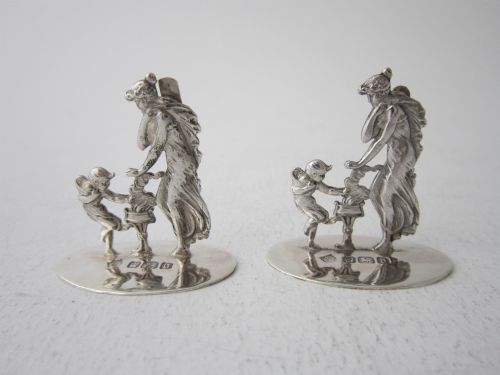
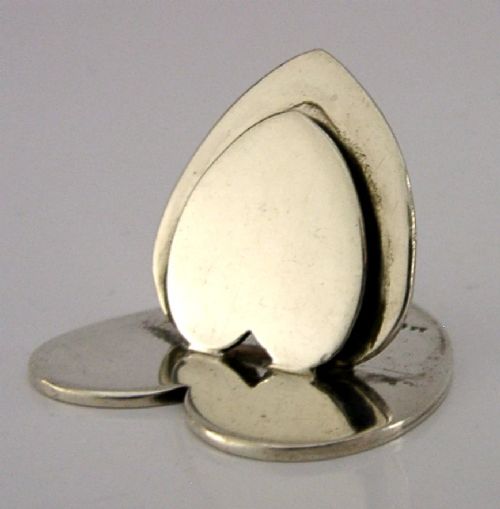
Forms range from simple architectural frames to detailed figures of animals, birds, and literary characters. Many double as place card holders or photo clips for domestic settings.
How they were made
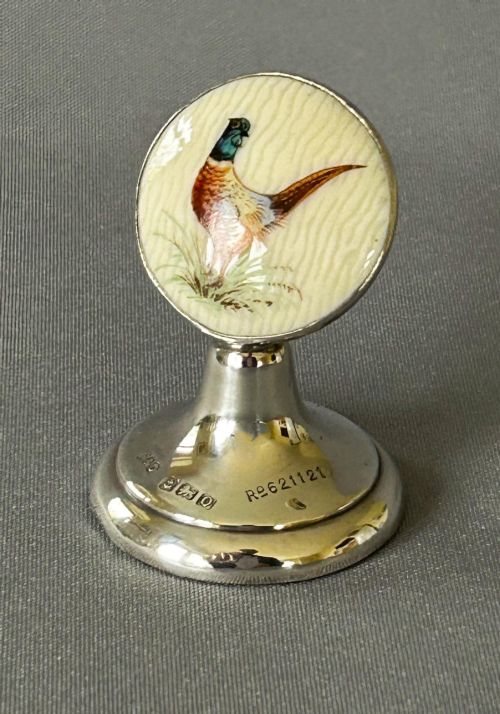
Silversmiths utilised sterling silver and silver plate to construct the body of each piece, often applying enamel for colour on flags and decorative details. Artisans cast figural designs in three dimensions, soldering weighted bases to ensure the stands remained stable on dining tables.
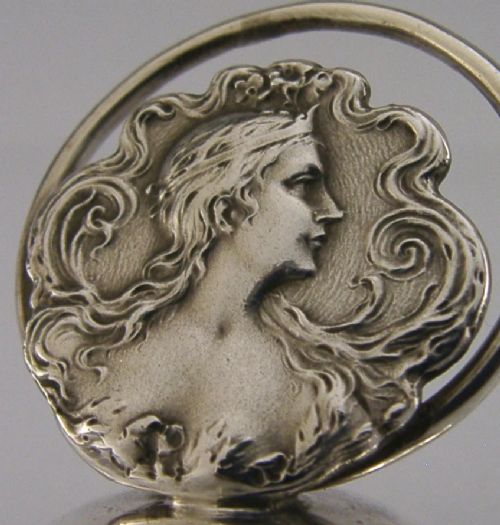
Techniques such as repoussé and chasing brought depth and texture to animal plumage, military uniforms, and mythological scenes. Makers incorporated hinged or slotted backs to secure cards without damaging the paper.
Antique Table Menu Stand Retail Price Guide 2026
Typical asking prices for table menu stand among the pieces listed under this phrase on Sellingantiques today, from the lower quarter to the upper quarter. They describe what is for sale here now, not the wider market.
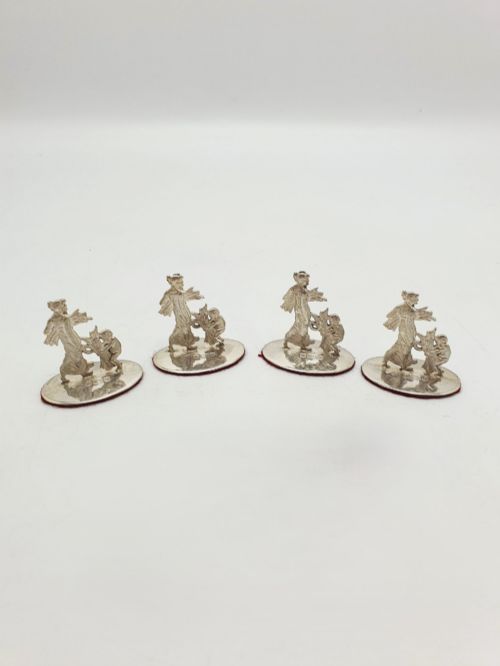
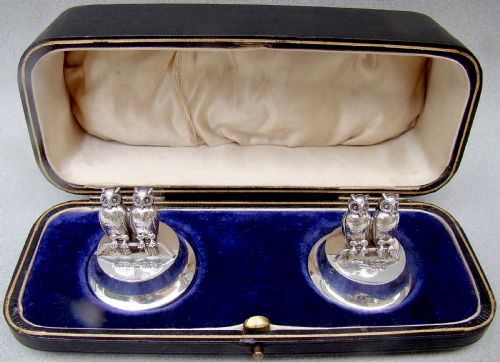
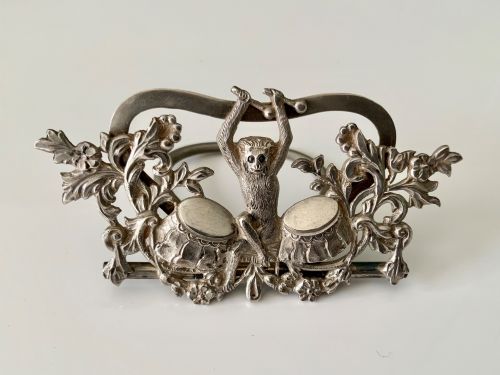
Dinners featured silver monkeys playing drums and owls in uniform alongside traditional floral designs.
What varies in quality
The standard of modelling defines the finer examples, where feather texture, facial expressions, and proportions show precise hand finishing rather than simple casting. Crisp hallmarks, intact enamel work, and original fitted presentation boxes elevate the standing of a set.
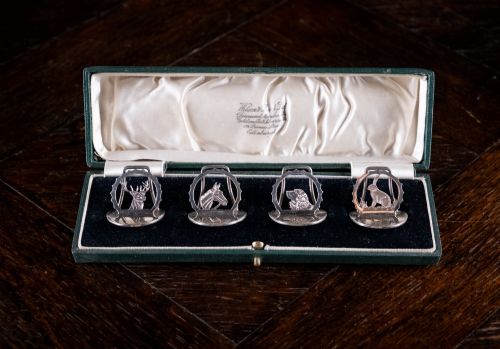
Unusual figural subjects and complete matched sets of four or more command greater attention than standard single stands. The presence of well known silversmith marks indicates superior workshop output.
Levi & Salaman·A. Wilcox·Grey & Co·Sampson Mordan·Asprey·Liberty
The Antique Table Menu Stand Glossary
- Sterling silver
- A silver alloy containing 92.5 percent pure silver and 7.5 percent other metals, usually copper, ensuring durability for table wares. This standard metal appears across the majority of these pieces.
- Place card holder
- A small desk or table accessory designed to grip a name card, often matching the design of the accompanying menu stand. These items frequently share identical figural forms in sets.
- Repoussé
- A metalworking technique where the artisan hammers the metal from the reverse side to form a raised design in relief. This method gives texture to birds, animals, and floral motifs.
- Hallmark
- A series of official marks stamped onto precious metals to show the standard of purity, the assay office, and the year of manufacture. These stamps allow dating of silver pieces to specific decades.
Antique Table Menu Stand: Frequently Asked Questions
What is an antique table menu stand used for?
These pieces held printed dinner menus upright on dining tables during formal meals.
Hosts utilised them to inform guests of upcoming courses and to designate seating arrangements alongside place cards.
How do you clean silver menu holders?
Cleaning requires a soft microfibre cloth and specialised silver polish applied gently to avoid damaging fine details.
Enamelled pieces need extra care to prevent moisture reaching the coloured sections.
Can these hold modern cards?
Most stands feature slots or clips sized for thin card stock or heavy paper.
Modern menu cards cut to similar thicknesses fit securely into the original channels.
Were they sold individually or in sets?
Silversmiths produced these items as single pieces, pairs, or matched sets of four, six, or twelve.
Larger dining tables required multiple matching stands to serve all guests across the seating plan.