


Edwardian Sterling Menu Holder
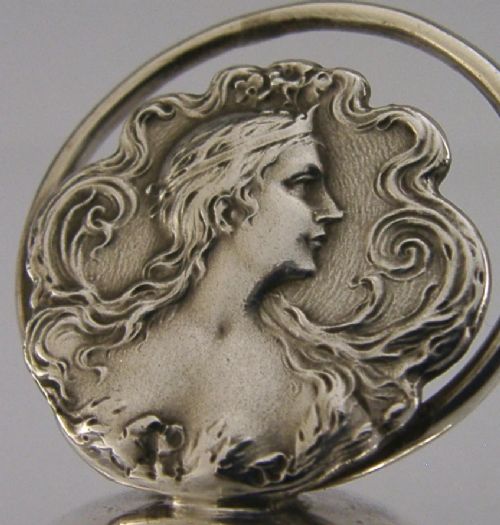
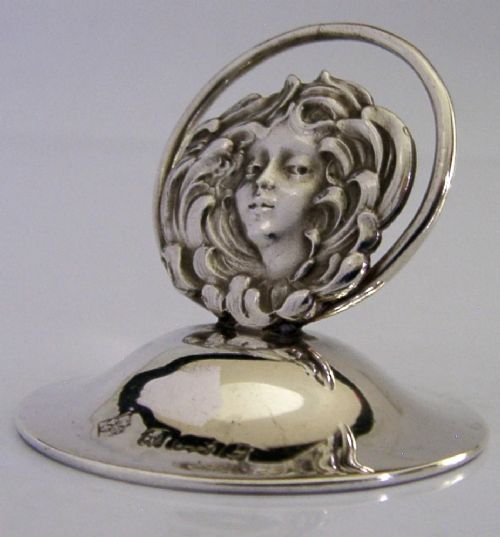
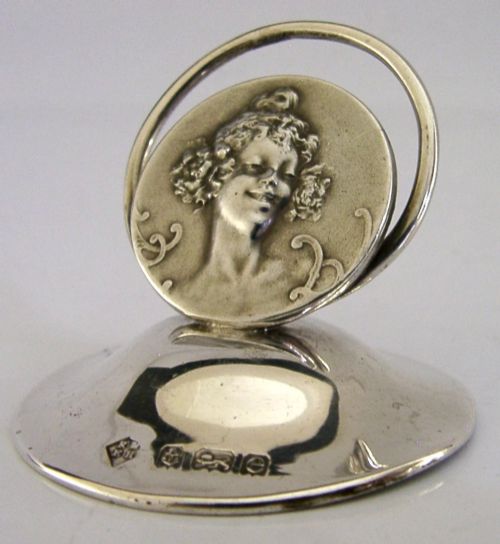
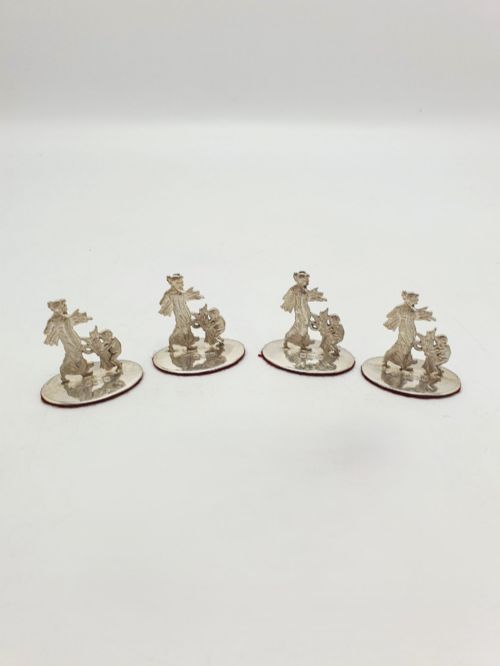
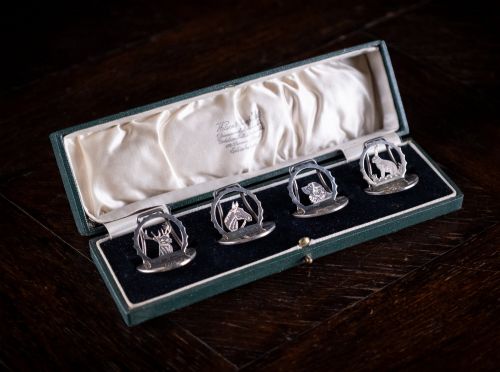
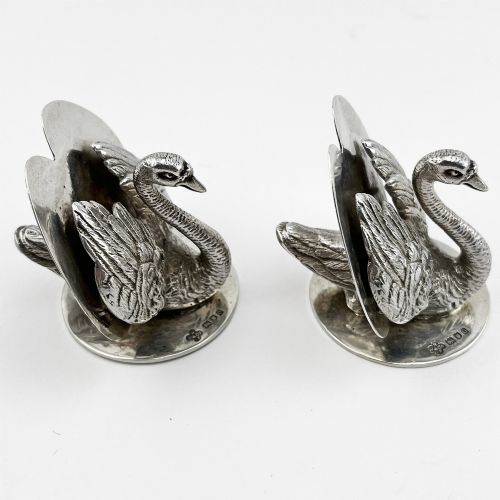
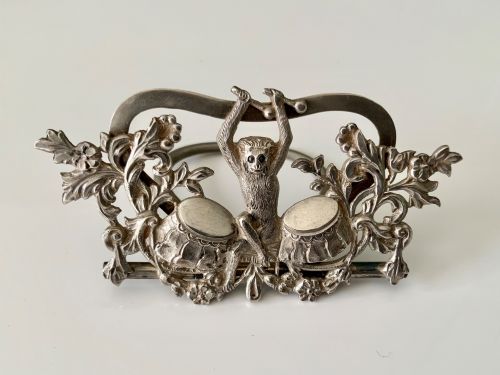
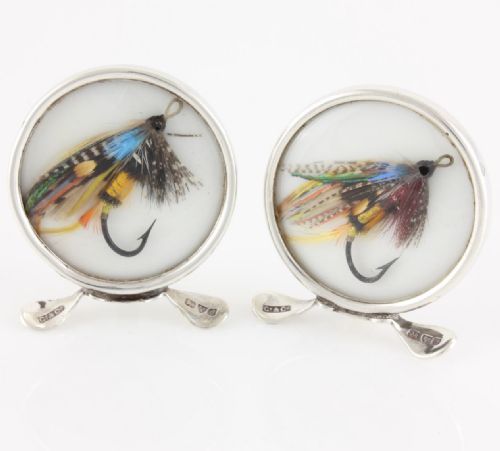
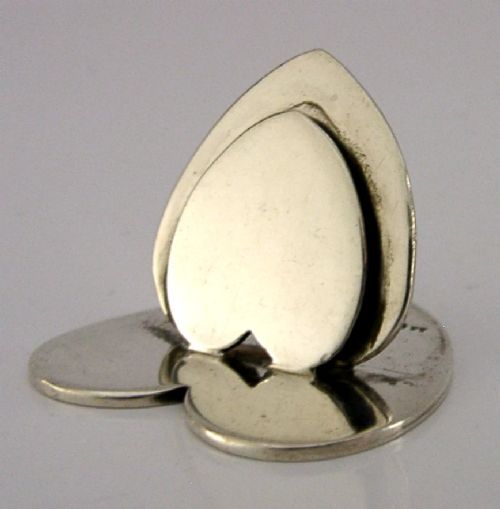
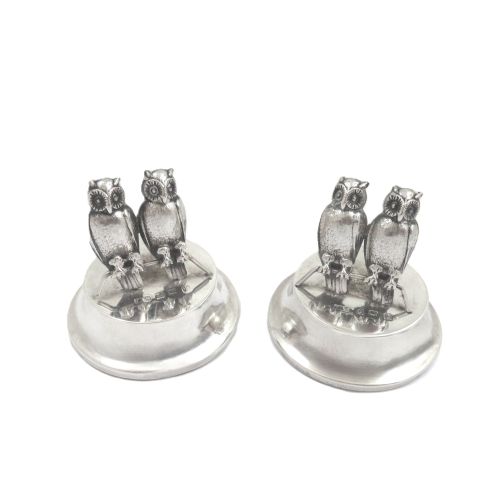
These edwardian sterling menu holder pieces bring silver charm to the dining table, combining practical card display with miniature sculptural art.
Edwardian Sterling Menu Holder
When you search for an edwardian sterling menu holder, you encounter table accessories designed to hold dinner menus or place cards upright. The pieces span periods including Edwardian, George V, and Victorian, with the Edwardian era dominating the selection.
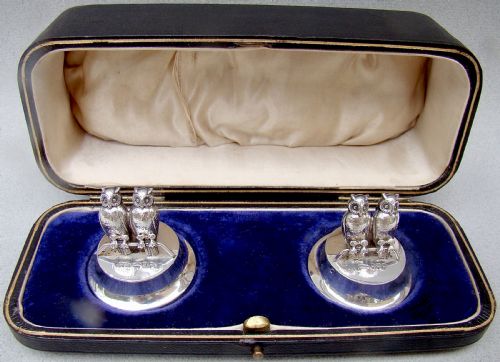
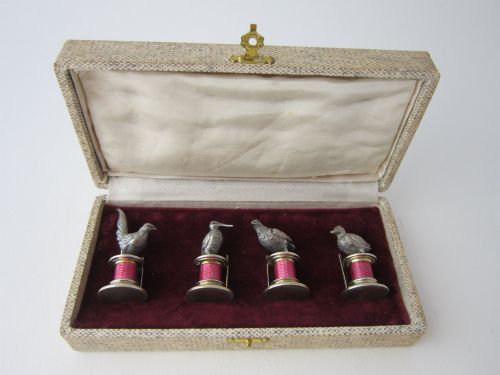
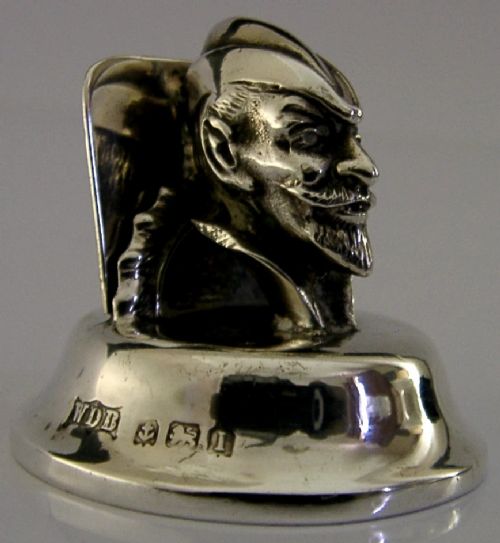
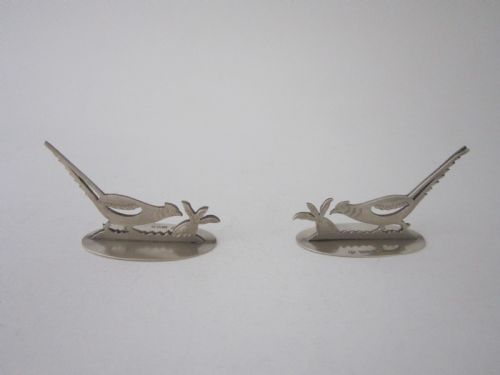
The forms range from simple geometric shapes to elaborate figural designs. You will frequently find animals, birds, and novelty themes such as owls, swans, and literary characters.
How they were made
Silversmiths utilised sterling silver alongside materials like enamel, glass, leather, and velvet to construct these tableware accessories. Techniques included casting figural models, piercing sheet silver, and applying colourful guilloche enamel.
Many examples incorporate weighted bases to support the upright card clips securely. Makers utilised hallmarking to stamp silver purity and assay office origins directly onto the metal.
Materials recorded in these listings include sterling silver, velvet, silk, glass, leather, feathers, and guilloche enamel.
What varies in quality
Completeness of sets and matching pairs also dictate quality. Original boxes and undamaged enamel work elevate the status of a piece within the range.
Levi & Salaman·A. Wilcox·Grey & Co·Sampson Mordan·Liberty
The Edwardian Sterling Menu Holder Glossary
- Sterling silver
- A silver alloy containing 92.5 percent pure silver by mass and 7.5 percent other metals, usually copper. This standard composition provides durability for functional table items.
- Guilloche enamel
- Decorative enamel work with precise, intricate patterns machined underneath translucent coloured glass. It creates a shimmering depth on the surface of the metal.
- Place card holder
- A miniature stand used at formal banquets to display the name of the seated guest. These often match the design style of the menu holders.
- Assay office
- A body that tests the purity of precious metals and stamps official hallmarks. Cities like Birmingham, Chester, and London operated these offices for silversmiths.
Edwardian Sterling Menu Holder: Frequently Asked Questions
How were menu holders used originally?
Hosts placed them at intervals along long dining tables so guests could read the upcoming courses. They often matched coordinating place card holders that marked specific seating arrangements.
In grand Edwardian households, these silver accessories reflected the host's attention to detail during formal dinners.
How do I care for silver menu holders?
Regular dusting with a soft cloth prevents tarnish buildup on the sterling silver surfaces. Avoid harsh chemical dips, especially on pieces that incorporate enamel, velvet, or silk elements.
Store them in dry conditions away from direct sunlight to preserve any delicate coloured enamel or leather backings.
Are these pieces marked with hallmarks?
Most pieces carry British hallmarks stamped directly onto the silver. These marks typically show the maker's mark, the sterling standard, the assay office city, and a date letter.
Reading these stamps allows collectors to verify the exact year of manufacture and the silversmith responsible for the creation.