

Antique Table Glass Set
An antique table glass set brings functional elegance to dining, combining brilliant glass with precious metal mounts for everyday entertaining.
Antique Table Glass Set
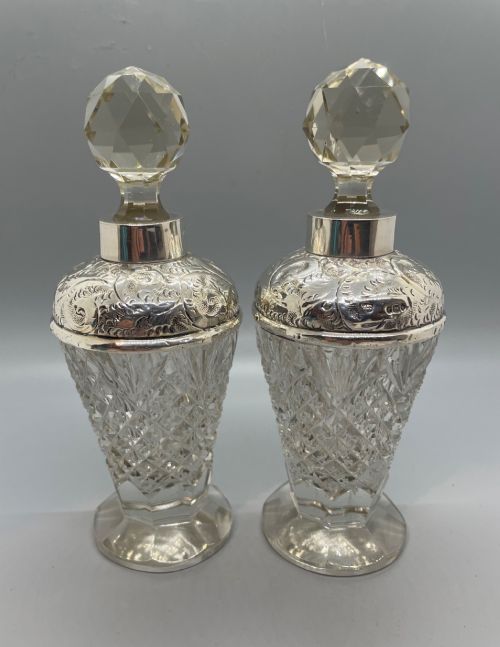
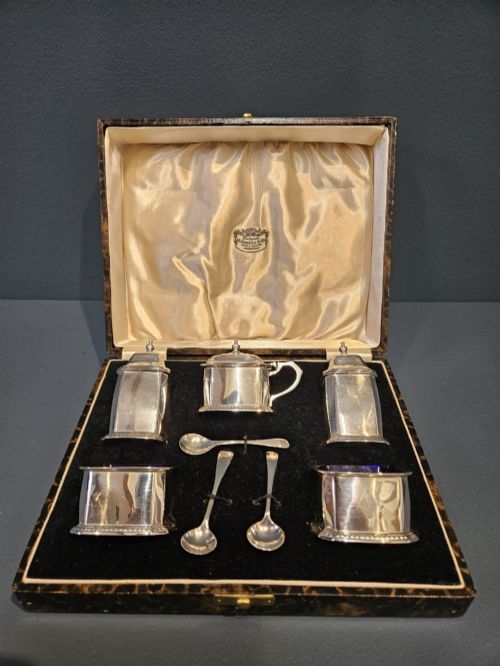
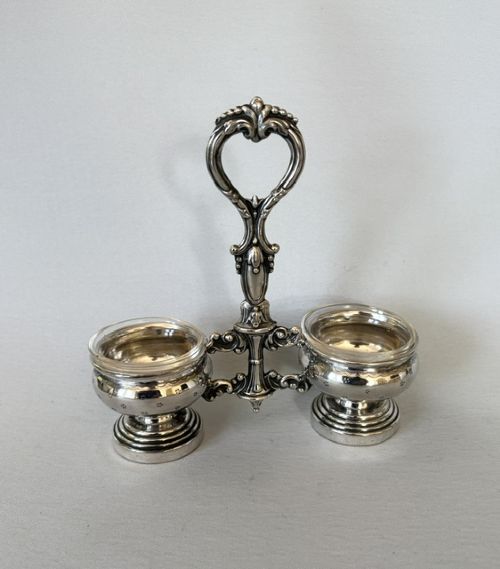
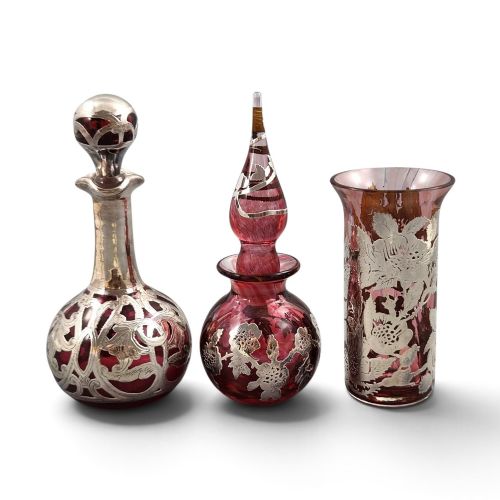
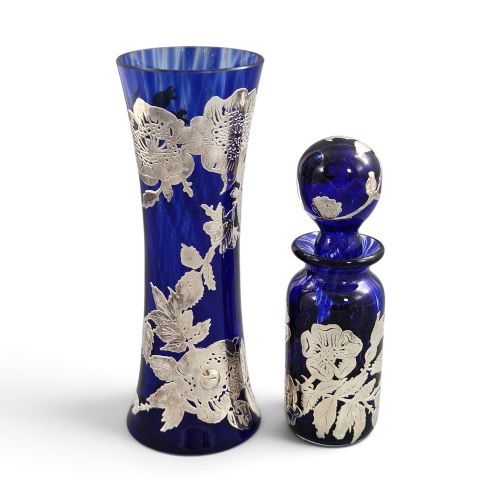
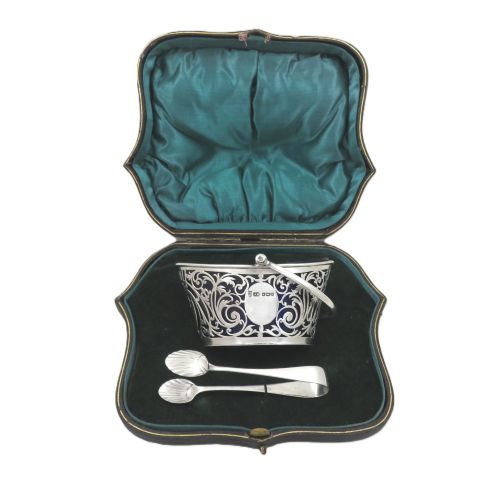
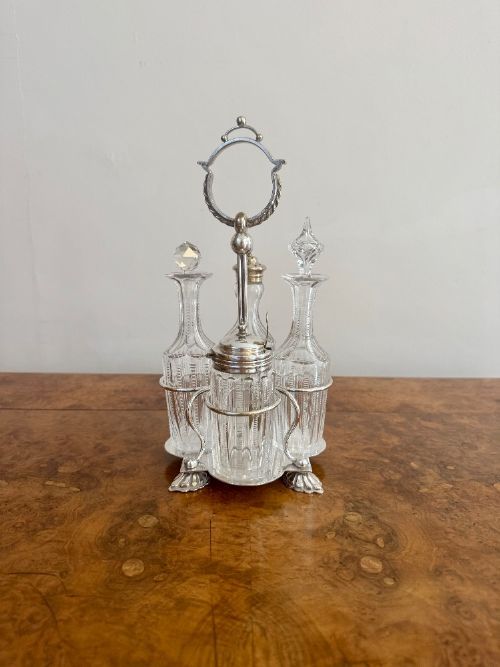
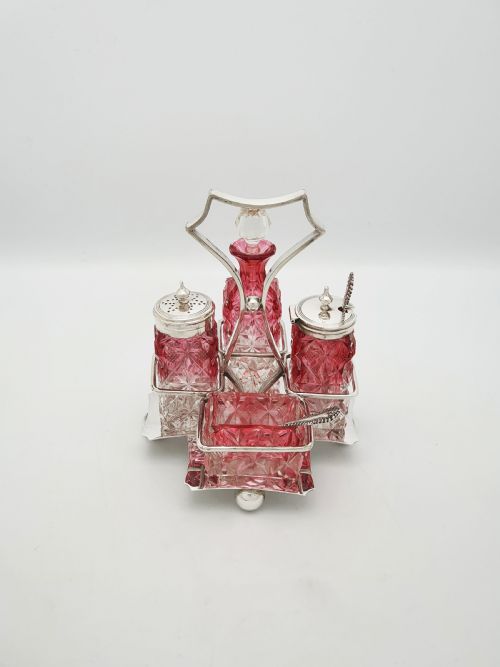
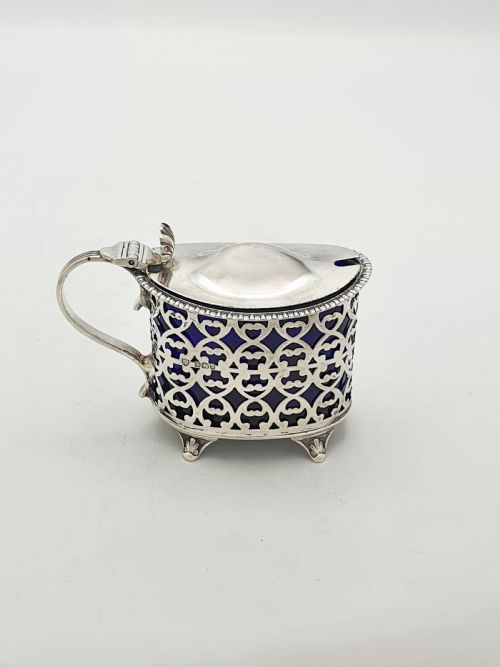
An antique table glass set encompasses matched groups of vessels designed for dining and dressing room use, spanning the Georgian, Victorian, and Edwardian eras. These collections most frequently appear as silver-plated or sterling silver cruet sets, condiment stands, and table salts featuring cut glass inserts, cranberry flashed glass, or cobalt glass liners.
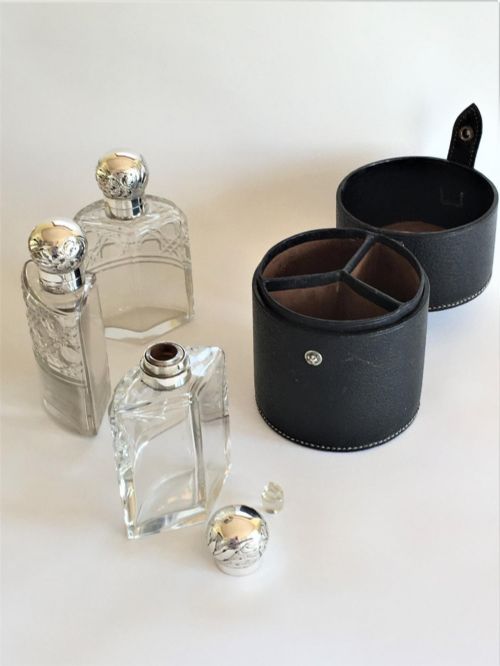
Buyers seeking this phrase encounter multi-piece ensembles intended for table service, including mustard pots, cruet bottles, decanters, and wine glasses. The selection bridges formal dining accessories and portable travelling dressing table sets.
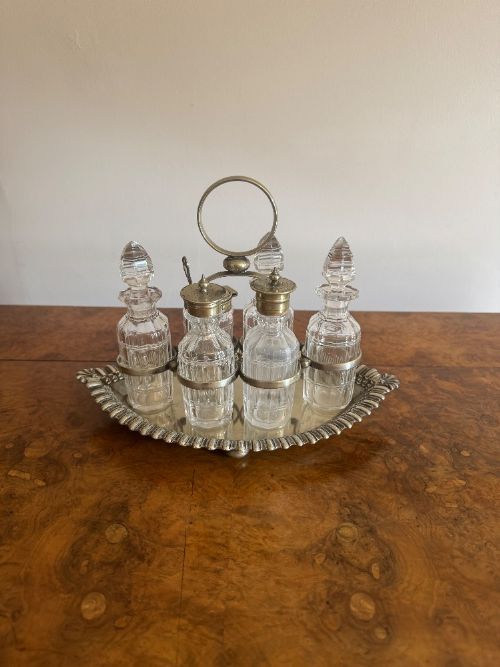
The objects originate primarily from English and French workshops, utilising materials such as silver plate, sterling silver, and clear or coloured glass. Cruet sets dominate the current selection, ranging from compact bachelor configurations to large eight-piece condiment stands.
How they were made
Makers combined heavy cast or pierced silver and silver plate with mould-blown or hand-cut glass vessels to withstand rigorous dining use. Cruet frames and condiment stands utilised sturdy silver-plated metal frameworks to secure delicate glass bottles, cruets, and salt cellars.
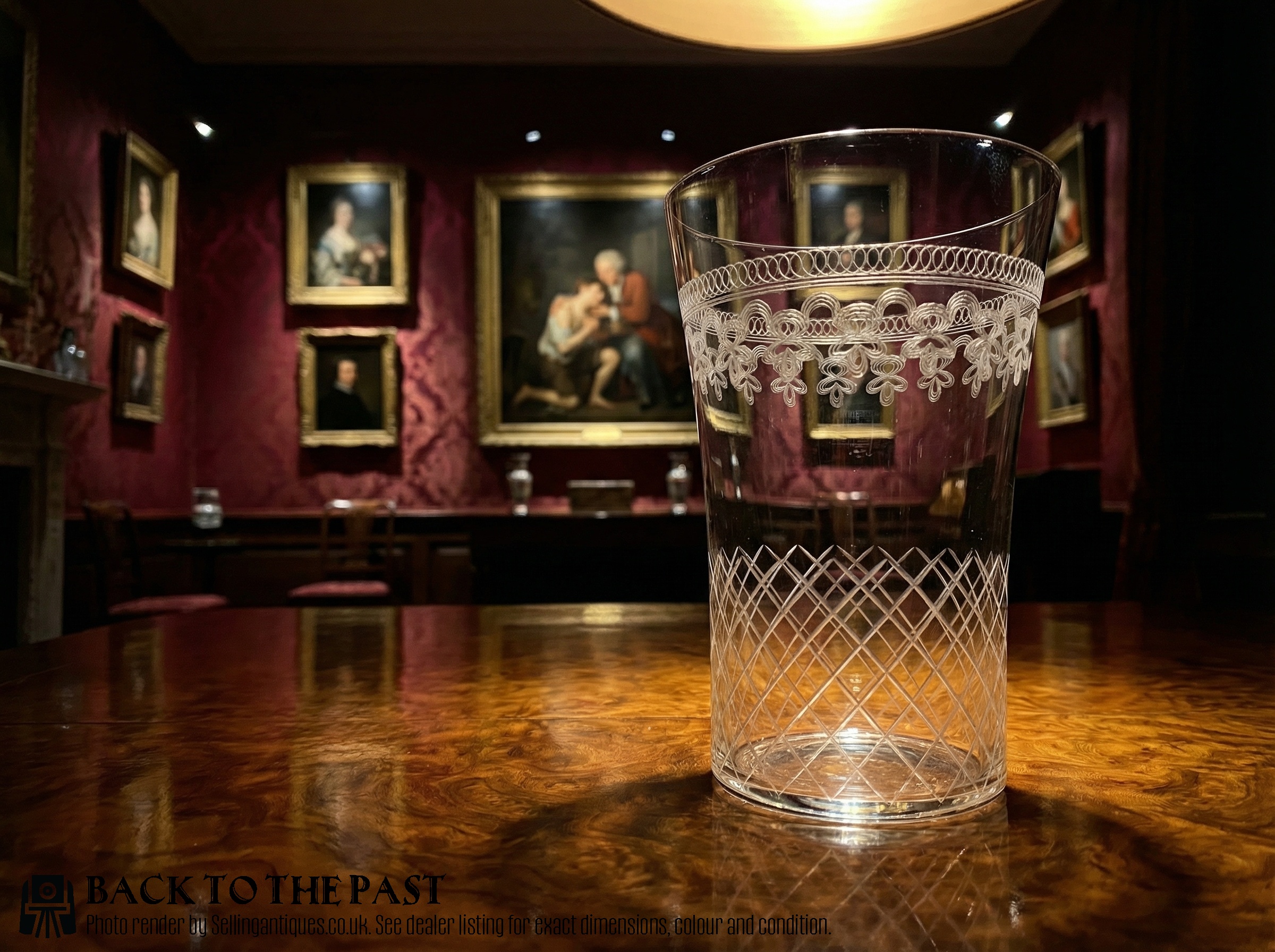
Glass elements frequently relied on wheel-cutting techniques to create faceted surface patterns on clear or flashed glass surfaces. Coloured glass liners for salt cellars and mustard pots were typically hot-cast and hand-finished to fit specific silver frames.
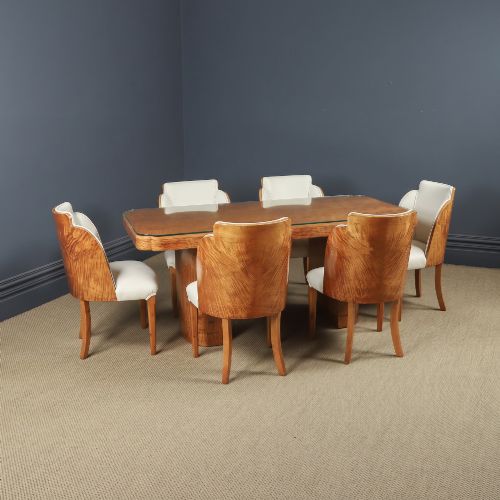
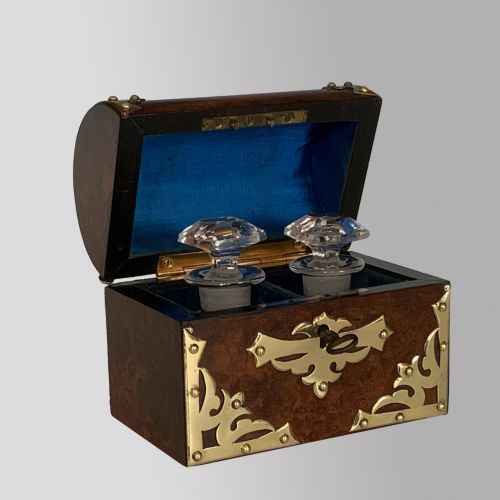
Listings feature Edwardian silver-plated cruet sets alongside Georgian sterling silver condiment stands and Victorian scent caskets.
What varies in quality
Quality separates simple utility wares from superior dining accessories through the crispness of the glass cutting and the weight of the metal mounts. Substantial sterling silver frames with detailed piercing display higher craftsmanship than standard silver-plated equivalents.
The presence of matching original glass inserts, such as cobalt liners or cranberry flashed cruet bottles, elevates an assembly above sets with replacement components. Finer sets retain complete bottle complements accompanied by original fitted presentation cases.
Goldsmith & Silversmith·Mappin Brothers·John Round·Hester Bateman·Birks
The Antique Table Glass Set Glossary
- Cruet set
- A matched collection of glass bottles or cruets held within a metal stand for oils, vinegars, and condiments at the dining table.
- Silver plate
- A base metal, often copper or Britannia metal, coated with a thin layer of silver using electrochemical or mechanical methods.
- Flashed glass
- Clear glassware coated with a thin layer of coloured glass before being blown and cut to reveal the contrasting base layer.
- Salt cellar
- An open dish or container placed on the dining table to hold salt, frequently lined with cobalt or blue glass.
- Cranberry glass
- Transparent red-tinted glassware created by adding gold chloride to the molten glass batch during the manufacturing process.
Antique Table Glass Set: Frequently Asked Questions
What is an antique table glass set used for?
These sets served dining and dressing tables by organising condiments, oils, and small accessories into cohesive arrangements. They provided functional service during meals while displaying polished metal and cut glass.
Larger configurations held multiple cruet bottles and castors for seasonings, while smaller selections functioned as individual salt cellars or dressing table accessories.
How do you clean antique silver plate and glass?
Silver plate requires gentle cleaning with non-abrasive polishes to preserve the underlying metal plating. Glass inserts benefit from warm soapy water and soft cloths, avoiding harsh scrubbing.
Removable glass liners should be taken out of their metal frames before washing to prevent moisture trapping and corrosion.
What periods do these glass sets come from?
The listings span the Georgian, Victorian, Edwardian, and Art Deco periods, ranging from the eighteenth century through the early twentieth century. Victorian and Edwardian examples represent the highest concentration of surviving table sets.
Design styles shift from ornate Georgian silver frames to Edwardian silver-plated stands and later Art Deco geometric glass forms.
Are replacement glass bottles common in cruet sets?
Replacement bottles occur frequently because individual glass stoppers and cruets suffered breakage during regular dining use over the centuries. Finding a set with matching original bottles and liners remains unusual.
Collectors look closely at the fit and glass colour consistency to determine whether the bottles originated together with the metal stand.